
Comparative vs. Contributory Negligence in Virginia: How Fault Affects Your Personal Injury Claim
Fault matters, especially in a Virginia personal injury case. Even if another driver, property owner, or company was mostly responsible for your injuries, just 1% of fault on your part could prevent you from recovering anything.
That’s because Virginia follows a pure contributory negligence rule, one of the strictest liability systems in the nation. In most other states, comparative negligence laws permit injured victims to recover partial compensation even if they share some degree of fault. But in Virginia, contributory negligence means that any degree of fault, no matter how small, can completely bar recovery.
For accident victims, understanding this difference is critical. The outcome of your case can hinge on how fault is determined, what evidence supports your version of events, and how your attorney counters the insurance company’s arguments.
This guide breaks down the difference between comparative and contributory negligence, explains how Virginia’s rule works in real-world accident claims, and shows why hiring an experienced Virginia personal injury lawyer can protect your right to fair compensation when fault is disputed.
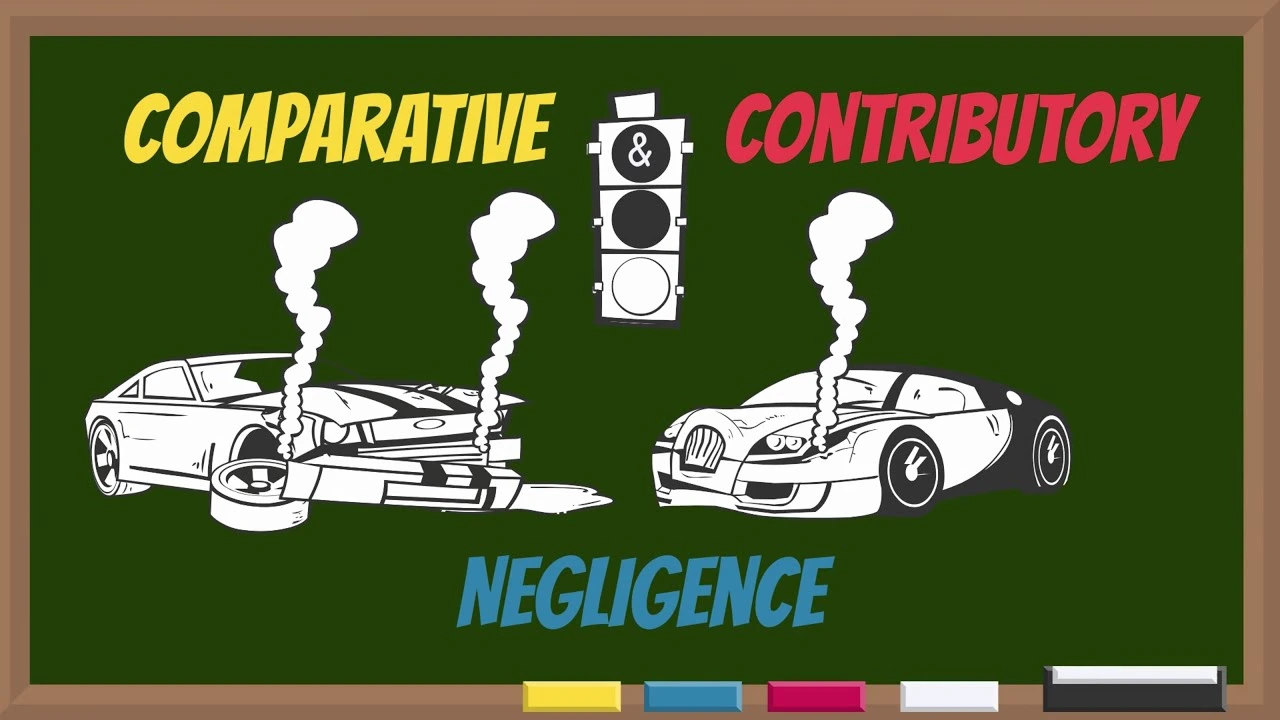
Table of Contents
- The Basic Concepts Explained
- What Is Contributory Negligence?
- What Is Comparative Negligence?
- How Virginia’s Rule Works in Practice
- The Burden of Proof
- Last Clear Chance Doctrine
- Comparing State Approaches
- Policy Arguments For and Against Each System
- Strategic Implications for Virginia Accident Cases
- Common Contributory Negligence Scenarios
- Legislative Reform Efforts
- Living with Virginia’s Rule
- The Bottom Line
The Basic Concepts Explained
Negligence law exists to determine who should pay when someone gets hurt. When accidents happen, courts must decide whether the person who caused harm should compensate the victim, and if so, how much. Different states have developed different approaches to answering these questions, particularly when both parties share some degree of fault.
What Is Contributory Negligence?
Contributory negligence is a complete bar to recovery. Under this rule, if the injured person contributed to causing their own injuries in any way, even minimally, they cannot recover any damages from the other party. It doesn’t matter if the defendant was 99% at fault and the plaintiff only 1% at fault. Any degree of plaintiff negligence, no matter how slight, eliminates all right to compensation.
This doctrine emerged in England in the 1800s when the industrial revolution created new accident scenarios. Courts worried that allowing workers injured by dangerous machinery to recover damages might bankrupt growing industries. The harsh contributory negligence rule protected defendants by making it relatively easy to defeat injury claims. Find any fault with the plaintiff’s conduct, no matter how minor, and the defendant escapes all liability.
Only four states plus Washington D.C. still follow pure contributory negligence: Virginia, Maryland, North Carolina, and Alabama. The rest of the country has recognized that this approach produces unjust results and has moved to comparative negligence systems.
What Is Comparative Negligence?
Comparative negligence allows recovery even when the plaintiff shares some fault, though the amount recovered gets reduced based on the plaintiff’s degree of fault. Rather than operating as an all-or-nothing rule, comparative negligence systems apportion damages based on each party’s relative responsibility for the accident.
Two main versions exist. Pure comparative negligence allows recovery regardless of how much fault the plaintiff bears. If you’re 90% at fault and suffered $100,000 in damages, you can still recover $10,000 (the 10% attributable to the other party’s fault). California, Florida, and New York follow this approach.
Modified comparative negligence bars recovery only if the plaintiff’s fault exceeds a certain threshold, usually 50% or 51%. If you’re 40% at fault, you recover 60% of your damages. If you’re 51% at fault, you recover nothing. Most states follow modified comparative negligence, finding it strikes a fair balance between pure contributory negligence’s harshness and pure comparative negligence’s permissiveness.
How Virginia’s Rule Works in Practice
Understanding contributory negligence as an abstract concept differs dramatically from seeing how it operates in actual cases. Virginia courts apply this rule strictly, and the results often shock people unfamiliar with the Commonwealth’s approach.
Minor Plaintiff Fault Bars Recovery
The defining characteristic of Virginia’s rule is that any degree of plaintiff fault, no matter how small compared to defendant fault, completely bars recovery. Real cases demonstrate this harsh reality.
A pedestrian crossing in a marked crosswalk with the signal gets hit by a speeding, texting driver. If the jury finds the pedestrian was also looking at their phone and not paying full attention when stepping into the crosswalk, contributory negligence applies. The speeding, distracted driver who violated multiple traffic laws pays nothing.
A driver stopped at a red light gets rear-ended by a truck going 50 miles per hour. The impact totals the stopped car and seriously injures the driver. If evidence shows the stopped driver’s brake light was burned out, the jury might find the stopped driver contributed to the accident by failing to maintain their vehicle. The truck driver who crashed into a stopped vehicle at high speed escapes liability entirely.
These outcomes feel deeply unjust to most people. The defendant’s conduct was clearly worse, often egregiously so. Yet the plaintiff’s minor contribution to the accident eliminates all recovery. This is contributory negligence in action.
The Burden of Proof
Defendants bear the burden of proving contributory negligence. They must show by a preponderance of the evidence that the plaintiff was negligent and that this negligence contributed to causing their injuries. This means defendants must present actual evidence of plaintiff fault, not just speculate about possibilities.
However, the burden isn’t particularly heavy. Defense attorneys become skilled at finding any shred of evidence suggesting plaintiff fault. They scrutinize every detail of the plaintiff’s conduct before and during the accident. They depose witnesses looking for testimony about plaintiff actions. They examine police reports for any mention of plaintiff behavior. They analyze accident reconstructions searching for any basis to argue the plaintiff could have avoided the collision.
When defendants meet their burden, even barely, contributory negligence bars recovery completely. There’s no proportionality, no balancing of degrees of fault. Once established, contributory negligence operates as an absolute defense.
Last Clear Chance Doctrine
Virginia recognizes one important exception to contributory negligence called the last clear chance doctrine. This rule allows plaintiffs to recover despite their own negligence if they can prove the defendant had the last clear chance to avoid the accident but failed to do so.
For last clear chance to apply, the plaintiff must show they were in a position of peril from which they couldn’t escape, the defendant knew or should have known about the plaintiff’s peril, the defendant had sufficient time and means to avoid harming the plaintiff, and the defendant failed to exercise reasonable care to avoid the collision.
This doctrine operates as a narrow exception rather than a broad escape from contributory negligence. Courts interpret its requirements strictly, and successfully invoking last clear chance remains difficult in most cases. However, it provides a potential path to recovery in situations where the defendant clearly could have prevented the accident despite plaintiff negligence.

Comparing State Approaches
Looking at how different states handle similar accident scenarios illustrates the dramatic impact of these different negligence systems.
The Same Accident, Different Outcomes
Consider an intersection collision where Driver A runs a red light at 45 mph in a 35 mph zone while texting. Driver B enters the intersection legally on a green light but was going 40 mph in the 35 mph zone. The collision causes $200,000 in damages to Driver B.
In Virginia, if the jury finds Driver B’s five-mile-per-hour speeding contributed to the accident (perhaps by affecting stopping distance or reaction time), Driver B recovers nothing despite Driver A’s red light violation, excessive speed, and distracted driving.
In a modified comparative negligence state, the jury might assign 95% fault to Driver A and 5% fault to Driver B. Driver B would recover $190,000 (95% of their $200,000 in damages).
In a pure comparative negligence state with the same fault allocation, the result would be identical: $190,000 recovery.
The difference becomes even more stark in closer cases. Imagine a two-car collision where both drivers share more equal blame. In a modified comparative negligence state, if fault is 50-50, Driver B might recover half their damages. In Virginia, Driver B recovers nothing.
Policy Arguments For and Against Each System
Supporters of contributory negligence argue it promotes personal responsibility and careful behavior. Knowing that any fault bars recovery theoretically incentivizes people to take maximum care to avoid accidents. The rule also provides bright-line certainty: either you were negligent or you weren’t. There’s no need for complex percentage calculations about degrees of fault.
Critics counter that the rule produces wildly disproportionate results that most people find unjust. Minor plaintiff fault shouldn’t completely excuse serious defendant negligence. The rule also may encourage aggressive defense tactics, with defendants combing through plaintiff conduct searching for any minor fault to use as a complete shield against liability. Additionally, the theoretical incentive to avoid negligence doesn’t work in practice because most people don’t know about the contributory negligence rule until they’re already injured and learning about it through bitter experience.
Comparative negligence supporters argue their system better reflects actual degrees of fault and produces more equitable outcomes. If both parties share blame, damages should be divided accordingly. The system still provides accountability while avoiding the all-or-nothing harshness of contributory negligence.
Comparative negligence critics worry it allows careless people to profit from accidents they helped cause and may require difficult percentage calculations that inject uncertainty into outcomes. However, most states have concluded these concerns don’t outweigh the fairness benefits of apportioning damages based on actual fault.
Strategic Implications for Virginia Accident Cases
Virginia’s contributory negligence rule fundamentally shapes how accident cases get handled from initial investigation through settlement negotiations and trial.
The Defense Playbook
Defense attorneys in Virginia know that establishing any degree of plaintiff fault wins the case completely. This knowledge drives aggressive defense strategies focused on finding and highlighting plaintiff negligence.
They investigate plaintiff conduct minutely. Was the plaintiff speeding, even slightly? Did they use their turn signal? Were they distracted in any way? Did they maintain their vehicle properly? Could they have taken evasive action? Every aspect of plaintiff behavior gets scrutinized for potential negligence.
Defense lawyers depose every witness searching for testimony about plaintiff fault. They hire accident reconstruction experts whose job includes identifying any way the plaintiff contributed to the collision. They obtain plaintiff phone records looking for evidence of distracted driving. They review social media for posts suggesting the plaintiff wasn’t paying attention or was engaged in risky behavior.
During trial, defense attorneys emphasize any evidence of plaintiff fault while downplaying defendant negligence. Even when defendant fault is obvious and severe, the defense focuses on the plaintiff because proving even minor plaintiff negligence achieves complete victory.
The Plaintiff Strategy
Plaintiffs and their attorneys must prepare for aggressive contributory negligence defenses from the start. This means thorough documentation of the accident showing the plaintiff acted reasonably, gathering witness statements that support the plaintiff’s version of events, obtaining expert opinions that the plaintiff’s conduct was proper, and preparing responses to anticipated fault allegations.
Plaintiff attorneys also evaluate contributory negligence vulnerability honestly during settlement negotiations. A strong liability case with no real contributory negligence concerns justifies aggressive settlement demands. A case where plaintiff fault is possible or likely requires more conservative positioning and serious consideration of settlement offers that might seem low compared to actual damages.
The risk calculation changes dramatically under contributory negligence. In comparative negligence states, going to trial with some plaintiff fault might mean recovering 70% or 80% of damages. In Virginia, it means risking total loss. This risk makes settlement more attractive even when offers don’t fully compensate plaintiffs.
Settlement Leverage
Contributory negligence creates unique settlement dynamics. Defendants have enormous leverage when credible contributory negligence defenses exist. They can offer relatively low settlements knowing the alternative for plaintiffs is risking complete loss at trial.
Conversely, when plaintiff fault isn’t a realistic issue, plaintiffs have stronger settlement leverage. Defendants face near-certain liability with no percentage reduction available, making trials more risky for them.
This dynamic often leads to early settlements when liability is clear and contested trials when contributory negligence issues exist. The all-or-nothing nature of Virginia’s rule discourages trials in cases with obvious fault but encourages them when both parties share blame.
Common Contributory Negligence Scenarios
Certain fact patterns frequently generate contributory negligence disputes in Virginia courts.
Speeding Plaintiffs
Any amount of speeding by the plaintiff provides ammunition for contributory negligence defenses. Even five miles per hour over the limit might constitute negligence. Defense attorneys argue that speeding affected the plaintiff’s ability to avoid the accident or contributed to injury severity.
Plaintiffs counter by showing the speed difference was minor, the accident would have occurred regardless of plaintiff speed, and the defendant’s conduct was far more egregious. However, juries sometimes find even minor speeding constitutes contributory negligence, particularly when defendants emphasize the plaintiff’s violation of traffic law.
Failure to Maintain Vehicles
Burned-out headlights or brake lights, worn tires, defective equipment, and other maintenance issues can support contributory negligence findings. If a plaintiff with a burned-out brake light gets rear-ended, defendants argue the plaintiff contributed to the accident by failing to maintain proper lighting.
Courts have found these arguments persuasive in some cases, even when the defendant’s negligence seems more significant. The plaintiff’s violation of vehicle equipment laws constitutes negligence that may have contributed to the accident.
Pedestrian Cases
Pedestrians jaywalking or crossing against signals face contributory negligence defenses even when drivers were speeding, distracted, or otherwise negligent. Virginia courts have barred recovery for pedestrians struck while violating traffic control devices.
The vulnerability of pedestrians makes these cases particularly harsh. A distracted driver might hit a jaywalking pedestrian, causing catastrophic injuries. The pedestrian’s illegal crossing bars recovery despite the driver’s obvious fault.
Distracted Driving by Plaintiffs
Evidence that plaintiffs were using phones, adjusting radios, eating, or engaging in other distracting activities when accidents occurred supports contributory negligence defenses. Even momentary inattention can constitute negligence that contributed to collisions.
Defense attorneys subpoena phone records and examine vehicle systems searching for evidence of plaintiff distraction. Finding such evidence provides a complete defense regardless of defendant fault.
Legislative Reform Efforts
Virginia has considered abandoning contributory negligence multiple times over the past several decades. Reform proposals regularly appear in the General Assembly, arguing that Virginia should join the overwhelming majority of states using comparative negligence systems.
Arguments for Reform
Reformers emphasize that contributory negligence produces unjust outcomes. Minor plaintiff fault shouldn’t completely excuse serious defendant negligence. The rule also may allow truly negligent defendants to escape liability on technicalities while victims bear the full cost of injuries.
Comparative negligence would allow more equitable damage apportionment. Victims with minor fault could recover most of their damages while still being held accountable for their contribution. The system would better reflect actual degrees of fault and reduce harsh outcomes.
Why Reform Hasn’t Happened
Despite reform efforts, contributory negligence remains Virginia law. Several factors explain this persistence. Defense interests including insurance companies and business groups strongly oppose reform. Contributory negligence benefits defendants by making it easier to defeat claims, keeping insurance payouts lower.
Some legislators view contributory negligence as promoting personal responsibility and preferring clear rules over percentage calculations. Rural areas particularly tend to favor keeping existing law.
Reform proposals also sometimes stall over details about which version of comparative negligence to adopt and what threshold to use in modified systems. Disagreement about implementation prevents consensus on change.
Until the political calculus shifts, contributory negligence likely remains Virginia law despite its outlier status nationally.

Living with Virginia’s Rule
For accident victims in Virginia, contributory negligence is simply the reality they must navigate. Understanding this harsh rule shapes every decision from whether to file claims through how to approach settlement negotiations.
Know Your Case Weaknesses
Honest assessment of potential contributory negligence issues is essential. Were you speeding? Using your phone? Did you have any vehicle defects? Could you have acted differently to avoid the collision? Understanding these vulnerabilities allows realistic evaluation of settlement offers versus trial risks.
Ignoring contributory negligence risks because you feel the other driver was mostly at fault is dangerous. Virginia law doesn’t care about “mostly.” Any fault bars recovery.
Document Everything Supporting Your Conduct
Gather evidence showing you acted reasonably. Witness statements that you weren’t speeding or distracted matter tremendously. Photos showing your vehicle was properly maintained help. Any evidence contradicting potential contributory negligence allegations strengthens your position.
Consider Settlement Seriously
The all-or-nothing nature of Virginia’s rule makes settlement more attractive than in comparative negligence states. An offer of 60% of your damages might sound low, but it’s better than the zero you’ll receive if the jury finds any contributory negligence. Evaluate offers against the realistic risk of complete loss rather than the theoretical value if you win.
Work with Experienced Virginia Attorneys
Attorneys who regularly handle Virginia cases understand contributory negligence’s impact on case value and strategy. They know how to minimize contributory negligence risks, counter common defense tactics, and negotiate effectively given the unique dynamics Virginia’s rule creates.
Out-of-state attorneys or those inexperienced with Virginia law might not fully appreciate how dramatically contributory negligence affects cases. Local expertise matters tremendously.
The Bottom Line
Virginia’s contributory negligence rule stands as a relic from another era, maintained despite widespread recognition that comparative negligence produces more just outcomes. For accident victims, this means understanding that being partially at fault, even minimally, can completely bar recovery no matter how serious their injuries or how egregious the defendant’s conduct.
This harsh reality demands careful case evaluation, thorough documentation, and strategic decision-making about settlement versus trial. While the rule may seem unfair, it remains the law, and victims must work within its constraints to maximize their chances of recovery.
Whether Virginia eventually joins the vast majority of states with comparative negligence systems remains uncertain. Until then, understanding the difference between these approaches and how Virginia’s unique rule operates isn’t just interesting legal theory. It’s essential practical knowledge that determines whether accident victims receive compensation or leave courthouses with nothing but medical bills and bitter lessons about the Commonwealth’s unforgiving approach to shared fault.
Lost Wages After a Car Accident in Virginia: What You Need to Know
A serious car accident can leave you with more than physical pain. For many Virginians, the financial fallout begins almost immediately, missed workdays, medical appointments, and recovery time can quickly add up to weeks or even months without a paycheck.
Fortunately, Virginia law allows injured drivers and passengers to claim compensation for lost wages as part of a personal injury claim. Whether you’re an hourly worker, a salaried employee, or self-employed, you may be entitled to recover the income you’ve missed, and in some cases, the future earnings you’ll lose if your injuries prevent you from returning to the same job.
Still, proving those losses isn’t always simple. Insurance companies often demand extensive proof of employment, dispute the length of time missed, or undervalue what your time and skills are worth.
This article explains how lost wage claims work after a car accident in Virginia, the documentation you’ll need, how insurers calculate compensation, and why working with an experienced Virginia car accident lawyer can make all the difference when your livelihood is on the line.

Table of Contents
- What Lost Wages Actually Include
- Documenting Your Lost Wage Claim
- Special Situations and Complications
- Calculating Future Lost Earning Capacity
- Virginia’s Contributory Negligence Impact on Lost Wages
- Negotiating with Insurance Companies
- The Role of Legal Representation
- Timing Considerations
- Taking Action on Your Lost Wage Claim
What Lost Wages Actually Include
Most people think of lost wages as simply the paychecks they didn’t receive while recovering from accident injuries. That’s part of the picture, but lost income claims encompass much more than base salary for time off work.
Hourly wages and salary
form the foundation of most lost wage claims. If you work 40 hours per week at $25 per hour and miss four weeks of work, you’ve lost $4,000 in base wages. Salaried employees calculate similarly based on their annual salary divided by working days or weeks. This straightforward calculation covers the most obvious component of lost income.
Overtime and extra shifts
count as lost wages when injuries prevent you from working hours you normally would have worked. If you regularly work overtime or pick up extra shifts, and accident injuries prevent you from doing so, those lost overtime earnings belong in your claim. Many people don’t realize they can claim this additional income, assuming only base wages count.
Bonuses and commissions
that you would have earned but missed due to injuries are recoverable. Sales professionals who miss commission opportunities because they’re recovering from accidents can claim those lost commissions. Workers who miss performance bonuses because injuries kept them from meeting targets can include those bonuses in their claims. The key is proving you would have earned these amounts absent the accident.
Benefits and perks
have real economic value even though they don’t appear in your paycheck. Employer contributions to health insurance, retirement accounts, and other benefits represent compensation you lost while not working. If being out of work means you lost employer 401k matching contributions or paid time off accrual, those losses belong in your claim.
Self-employment income
presents special challenges but remains fully compensable. Business owners and independent contractors who cannot work due to injuries lose income just as employed people do. The documentation differs, but the right to compensation is equally valid. Tax returns, business records, and contracts can prove self-employment income losses.
Reduced earning capacity
becomes relevant when injuries cause permanent limitations that affect your ability to earn what you previously made. If you can return to work but cannot perform certain tasks that were central to your higher-paying position, forcing you into lower-paying work, that ongoing wage reduction represents compensable loss. This future component often dwarfs the immediate lost wages from time off during initial recovery.
Lost wages aren’t just missed paychecks — they include overtime, bonuses, benefits, commissions, and even long-term earning capacity.
Click to Tweet
Documenting Your Lost Wage Claim
Insurance companies don’t simply take your word about lost income. They require documentation proving what you earned before the accident, what you missed during recovery, and how injuries affected your earning capacity. Thorough documentation makes the difference between successful claims and denied requests.
Employment Verification Letters
Your employer can provide letters or forms verifying your employment status, wage rate, work schedule, and time missed due to accident injuries. These letters should state your job title, hourly rate or salary, typical hours worked per week, any regular overtime or bonuses, dates you were unable to work, and whether you returned to full or modified duty.
Most employers readily provide this documentation when requested. Some companies have standard forms for this purpose. Others simply write letters on company letterhead. The format matters less than the completeness and accuracy of the information provided.
Pay Stubs and W-2 Forms
Recent pay stubs show your actual earnings before the accident, establishing a baseline for calculating losses. They document base wages, overtime, bonuses, and other compensation components. Providing several months of pay stubs demonstrates your typical earning pattern and shows that your claimed income level is consistent and accurate.
W-2 forms for the previous year or two provide annual earning figures that support your current wage claims. If you’re claiming overtime losses, W-2s showing substantial overtime income in prior years help prove you regularly worked extra hours.
Tax Returns for Self-Employed Individuals
Self-employed people face extra scrutiny when claiming lost income because they don’t have employers to verify wages. Tax returns become the primary documentation. Schedule C for sole proprietors, partnership returns, or corporate returns show business income for prior years.
However, complications arise when self-employed individuals minimize reported income for tax purposes. If your tax returns show $40,000 in annual income but you claim you actually earned $70,000, insurance companies and courts view that skeptically. This creates tension between legitimate tax planning and maximizing accident compensation.
Medical Documentation Linking Injuries to Work Absence
Insurance companies don’t just need proof of your income and time missed. They need evidence that accident injuries caused your work absence rather than some other reason. Medical records must clearly document your injuries, treatment, and work restrictions.
Doctor’s notes should specify that you were unable to work, provide dates for work restrictions, describe any modified duty requirements, and explain how injuries prevented you from performing job duties. Vague statements that you “should rest” don’t carry the same weight as specific restrictions like “no lifting over 10 pounds” or “cannot stand for longer than 20 minutes at a time.”
Business Records for Lost Opportunities
When you miss specific business opportunities due to injuries, document what those opportunities were and what you would have earned. Salespeople might have lost specific deals in the pipeline. Contractors might have turned down jobs they couldn’t perform. Freelancers might have missed contract opportunities.
Emails, contracts, calendars, and communications showing these missed opportunities help prove specific income losses beyond general business income calculations. The more specific and detailed your documentation, the stronger your claim becomes.

Special Situations and Complications
Not everyone fits neatly into the category of full-time employee with consistent wages. Various employment situations create unique documentation challenges and calculation methods.
Part-Time and Variable Hour Workers
People working part-time or with varying schedules can still claim lost wages, but calculation becomes more complex. Average your hours over several months before the accident to establish typical work patterns. If you normally worked 25 hours per week on average, that becomes your baseline for calculating missed work time.
Seasonal variations matter for some workers. If you typically work more hours during certain seasons, and the accident occurred during a busy period when you would have worked extra hours, document that pattern using past work records and employer statements about typical seasonal schedules.
Multiple Jobs
If you worked two or more jobs when the accident occurred, you can claim lost wages from all positions affected by your injuries. Provide documentation for each job separately, showing wages and time missed from each employer. The fact that you worked multiple jobs doesn’t reduce your right to compensation for all income you lost.
Workers Who Recently Started Jobs
Starting a new job shortly before an accident creates documentation challenges. You might not have months of pay stubs or a long work history with that employer. However, your offer letter, employment contract, or verification from your employer about your agreed-upon wages and schedule establishes what you would have earned.
If you left a previous job to start the new position, documentation from your old job might also be relevant to show your earning capacity and work history, helping establish that you were actively employed and earning income when injuries forced you to stop working.
Students and Career Changers
College students working while attending school or people in career transition programs face unique situations. Students might have part-time jobs but also lose the ability to complete internships or work-study positions that were part of their career development. While the immediate lost income might seem small, the impact on future earning capacity can be substantial.
Career changers enrolled in training programs might have left previous jobs to pursue new careers. If accident injuries derail that transition, forcing delays in completing training or preventing them from starting new positions, calculating lost income requires looking at both the old career income they gave up and the new career income they would have earned.
Stay-at-Home Parents
People not employed outside the home when accidents occur might assume they have no lost wage claim. This is incorrect. Stay-at-home parents provide valuable household services including childcare, cooking, cleaning, transportation, and household management. Accident injuries that prevent them from performing these services create economic losses.
Calculating these losses requires determining what it would cost to replace the services the injured person provided. Daycare costs, house cleaning services, meal preparation services, and transportation costs all factor in. While insurance companies sometimes resist these claims, Virginia law recognizes the economic value of household services.
Calculating Future Lost Earning Capacity
When injuries create permanent limitations that affect your ability to earn income in the future, those ongoing losses represent a major component of your claim that often exceeds the immediate lost wages during initial recovery.
Permanent Impairment and Job Impact
If your injuries prevent you from returning to your previous position or require you to change careers entirely, the wage difference between your old job and what you can now do represents ongoing lost earning capacity. A construction worker who develops chronic back pain forcing a shift to lighter-duty work at lower pay has suffered a permanent economic loss that will continue for the rest of their working life.
Medical experts evaluate the permanency of your injuries and resulting physical limitations. Vocational rehabilitation experts assess how those limitations affect your ability to perform your previous job and what alternative work you might be able to do. Economic experts calculate the present value of lifetime earning losses based on wage differences, years until retirement, and other factors.
Career Advancement Losses
Beyond immediate job changes, injuries can affect career trajectory and advancement opportunities. Missing months of work might mean losing a promotion opportunity. Permanent limitations might prevent you from reaching management positions you were on track to achieve. Physical restrictions might eliminate career paths that would have substantially increased your income over time.
These future advancement losses are harder to prove than current wage differences but remain compensable when properly documented. Evidence of your career trajectory before the accident, advancement opportunities you were pursuing, typical career progression in your field, and how your limitations specifically prevent those opportunities all contribute to proving these losses.
Reduced Work Life Expectancy
Severe injuries sometimes force early retirement or reduce the number of years you can continue working. If you’re 45 years old and planned to work until 67, but injuries force retirement at 60, you’ve lost seven years of earning capacity. Calculating this loss requires projecting your likely income through your expected retirement age and determining the present value of those future earnings.
Vocational experts assess whether your injuries will force early retirement or reduce your working years. Economic experts calculate the financial impact of that reduced work life expectancy, accounting for factors like wage growth, inflation, and the time value of money.
Virginia’s Contributory Negligence Impact on Lost Wages
Virginia’s harsh contributory negligence rule affects lost wage claims the same way it impacts all damages in car accident cases. If you’re found even 1% at fault for the accident, you cannot recover anything, including lost wages.
This creates situations where people with clear, well-documented lost income still receive no compensation because they were partially responsible for the accident. Defense attorneys aggressively pursue contributory negligence defenses, knowing that even small findings of plaintiff fault completely bar recovery.
The contributory negligence rule makes thorough accident investigation and evidence gathering critical. Strong evidence showing the other driver’s complete responsibility for the accident protects your ability to recover all damages, including substantial lost wage claims.
Negotiating with Insurance Companies
Insurance adjusters often resist lost wage claims or offer less than full compensation, using various tactics to minimize what they pay.
Common Adjuster Tactics
Adjusters might claim you could have returned to work sooner than you did, questioning whether you really needed all the time off you took. They point to medical records suggesting improvement, ignoring your doctor’s explicit work restrictions. They argue that modified duty should have been available, even when your employer didn’t offer such options.
For self-employed individuals, adjusters claim business expenses reduce actual lost income or argue that overhead costs continued whether you worked or not, so you didn’t really lose the full amount claimed. They question tax return accuracy if reported income seems low, yet argue against higher actual earnings claims.
When permanent impairment affects future earning capacity, adjusters dispute vocational expert opinions about job limitations or argue you could earn similar wages in different fields despite lacking training or experience in those areas.
Presenting Strong Lost Wage Evidence
Counter these tactics with comprehensive documentation. Medical records should include explicit work restrictions and statements from doctors about when you could safely return to work. Employment verification should confirm that modified duty wasn’t available or specify exactly what modifications were provided and how they affected your hours or wages.
For self-employment claims, detailed business records showing revenue and actual income beyond tax return figures, along with expert testimony about reasonable business income calculation methods, overcome skepticism about claimed earnings.
Future earning capacity claims require expert testimony from vocational rehabilitation specialists and economists who can withstand cross-examination about their methodologies and opinions. The stronger your expert evidence, the harder it becomes for insurance companies to deny or minimize these claims.
The Role of Legal Representation
Lost wage claims, especially complex ones involving self-employment, reduced earning capacity, or substantial future losses, benefit significantly from professional legal help. Attorneys experienced in car accident cases understand what documentation insurance companies require, how to obtain expert witnesses who can prove lost earning capacity, which tactics adjusters use and how to counter them, and how to present lost wage evidence most effectively in negotiations or trial.
Attorneys also handle situations where employment situations create complications, such as paid time off use, short-term disability claims, and coordination with workers’ compensation if injuries occurred during work-related travel.
Most personal injury attorneys work on contingency, taking a percentage of recovery rather than charging hourly fees. This arrangement allows injured people to access legal representation without upfront costs, with attorneys compensated only if they recover damages that include lost wage compensation.
Timing Considerations
Virginia’s two-year statute of limitations applies to all car accident claims, including lost wage components. You must file your lawsuit within two years of the accident date or lose your right to any compensation, including lost wages.
However, waiting until the deadline approaches creates problems for lost wage claims. Documentation becomes harder to obtain as time passes. Employers might not have records readily available. Medical documentation might be incomplete if you haven’t maintained consistent treatment. Future earning capacity becomes harder to prove if significant time has passed since the accident without clear evidence of ongoing limitations.
Starting the claims process promptly preserves evidence and allows thorough development of all claim components, including comprehensive lost wage calculations.

Taking Action on Your Lost Wage Claim
Lost wages from car accidents create immediate financial hardship for most people. Bills don’t stop coming just because you’re injured and unable to work. The stress of financial pressure on top of physical recovery and emotional trauma can feel overwhelming.
Understanding your right to full compensation for all lost income, including immediate lost wages, missed benefits, overtime and bonuses, self-employment income, future reduced earning capacity, and household services value makes clear that you shouldn’t bear these economic losses alone when someone else’s negligence caused your injuries.
Gathering documentation promptly, working with experienced legal representation when claims involve complexity or substantial amounts, and standing firm against insurance company pressure to accept inadequate compensation protects your financial recovery just as medical treatment protects your physical recovery.
The at-fault driver’s insurance exists precisely to compensate victims for the full range of losses caused by negligent driving. Lost wages represent real economic harm that affects your ability to maintain your standard of living, support your family, and rebuild your life after an accident. Claiming full compensation for these losses isn’t greedy or unreasonable. It’s simply holding responsible parties accountable for the complete impact of their negligence on your life.
Federal Trucking Regulation Violations in Virginia Accident Cases: How FMCSA Rules Impact Liability
Commercial trucks move most of the freight that keeps Virginia’s economy running, but when those massive vehicles aren’t properly maintained or managed, the results can be catastrophic. To prevent that, the Federal Motor Carrier Safety Administration (FMCSA) enforces strict safety rules that every trucking company and driver must follow.
Yet far too often, investigations after a crash reveal serious FMCSA violations, from falsified logbooks and skipped maintenance to overloaded trailers and unqualified drivers. These violations don’t just break the law; they put every driver on the road at risk.
When a truck accident happens in Virginia, identifying which federal regulations were ignored can make or break a personal injury or wrongful death claim. Proving a violation of FMCSA standards often serves as powerful evidence of negligence, helping victims and families hold trucking companies fully accountable.
This article explains how federal trucking regulations apply to Virginia accident cases, the most common violations linked to crashes, and how an experienced Virginia truck accident lawyer can uncover and use these violations to build a stronger claim for compensation.
Table of Contents
- The Federal Regulatory Framework
- Hours of Service: When Fatigue Becomes Deadly
- Driver Qualification Standards
- Vehicle Maintenance and Inspection Requirements
- Drug and Alcohol Testing Programs
- Record-Keeping Requirements
- How Violations Prove Negligence in Virginia Courts
- Accessing Federal Safety Data
- Building Cases Around Regulation Violations
- The Impact on Victims and Families
- Why Professional Legal Help Matters
- Conclusion
The Federal Regulatory Framework
Commercial trucking doesn’t operate under the same rules as passenger vehicles. The Federal Motor Carrier Safety Administration maintains an extensive regulatory system covering nearly every aspect of commercial vehicle operations. These rules appear in the Federal Motor Carrier Safety Regulations, a complex body of law that most people never encounter until a truck accident forces them to learn its intricacies.
The regulations divide into several major categories. Driver qualifications establish who can operate commercial vehicles and what training they must receive. Hours of service rules limit how long drivers can work before mandatory rest periods. Vehicle maintenance standards specify inspection requirements and mechanical specifications. Drug and alcohol testing programs ensure drivers remain sober. Record-keeping requirements create paper trails that document compliance or reveal violations.
Each regulation serves a specific safety purpose backed by accident research and industry experience. The government didn’t create these rules arbitrarily. They emerged from decades of studying what causes commercial vehicle crashes and developing requirements to address those risk factors. When companies violate these regulations, they’re not just breaking technical rules. They’re engaging in conduct that research shows creates serious crash risks.
Hours of Service: When Fatigue Becomes Deadly
Drowsy driving kills. Research consistently shows that driver fatigue impairs judgment, slows reaction times, and can be as dangerous as driving under the influence of alcohol. For commercial truck drivers controlling 80,000 pounds of vehicle and cargo, fatigue becomes exponentially more dangerous.
The 11-Hour Driving Limit
Federal law allows truck drivers to drive a maximum of 11 hours after 10 consecutive hours off duty. This seems straightforward, but violations happen constantly. Companies pressure drivers to meet tight deadlines. Drivers themselves, often paid by the mile rather than the hour, have financial incentives to maximize driving time. The temptation to push beyond legal limits becomes overwhelming when a load needs to arrive by morning and you’re an hour away with your 11 hours expiring.
Electronic logging devices have made cheating harder but not impossible. Drivers find workarounds. They claim mechanical malfunctions. They manipulate personal conveyance exceptions meant for moving trucks to parking or maintenance locations. They exploit loopholes and gray areas in the regulations. When accidents happen, detailed analysis of ELD data often reveals that the “compliant” driver was actually operating in violation of hours-of-service rules.
The 14-Hour Window
Beyond the 11-hour driving limit, regulations prohibit driving beyond the 14th consecutive hour after coming on duty. This on-duty period includes all time after the driver starts working, not just driving time. Loading, unloading, inspections, and administrative tasks all count toward the 14-hour window.
This rule addresses the reality that long workdays create fatigue even when not all time involves active driving. A driver who starts their shift at 6 AM cannot drive past 8 PM that day, regardless of how much actual driving occurred. Yet companies schedule deliveries requiring longer days, creating situations where drivers must choose between violating regulations or missing critical deadlines.
Rest Break Requirements
Drivers must take a 30-minute break after eight hours of driving time. This rest break can occur at any point within the eight-hour period but must happen before the driver exceeds eight hours of driving. The rule recognizes that continuous driving without breaks increases fatigue and crash risk.
Many drivers skip this break or take abbreviated breaks that don’t qualify under the regulations. They’re trying to make up time, respond to company pressure, or maximize earning potential. When investigators examine driving patterns after crashes, they frequently find that drivers were operating without required rest breaks in the hours leading up to accidents.
Weekly Limits
Drivers cannot work more than 60 hours over seven consecutive days or 70 hours over eight consecutive days, depending on whether their carrier operates every day of the week. These weekly limits prevent the cumulative fatigue that develops when drivers work long hours day after day.
Companies sometimes pressure drivers to operate multiple logbooks or misclassify non-driving work time to stay under weekly limits while actually working far more hours. These practices create severely fatigued drivers who pose serious dangers on public roads.

Driver Qualification Standards
Not everyone can legally operate a commercial truck. Federal regulations establish detailed qualification requirements that carriers must verify before putting drivers behind the wheel.
Licensing Requirements
Commercial drivers must hold valid commercial driver’s licenses with appropriate endorsements for their specific vehicles and cargo. Hazardous materials, passenger transport, and tank vehicles all require special endorsements beyond the basic CDL. Drivers must pass written and practical tests demonstrating their knowledge and skills.
Some carriers hire drivers with suspended or revoked licenses from other states, counting on limited information sharing between jurisdictions. Others employ drivers whose CDL endorsements don’t match their assigned vehicles. When accidents occur, investigation often reveals the driver lacked proper licensing all along, and the carrier failed to verify qualifications properly.
Medical Certification
Commercial drivers must meet medical standards and maintain current medical examiner’s certificates. Conditions like uncontrolled diabetes, epilepsy, vision problems, and heart disease can disqualify drivers or require special monitoring. These medical standards exist because certain conditions increase crash risks significantly.
Carriers sometimes ignore expired medical certificates or accept certifications from improper sources. Some drivers obtain certificates from questionable medical examiners who don’t properly evaluate their conditions. Others hide disqualifying medical conditions to keep working. These violations put medically unqualified drivers on the road where sudden medical emergencies can cause catastrophic crashes.
Driving Record Checks
Federal law requires carriers to investigate driver backgrounds, including reviewing driving records from all states where the driver held licenses in the past three years. Carriers must check for disqualifying offenses like DUI convictions, serious traffic violations, and patterns of dangerous driving.
Budget carriers sometimes skip thorough background checks or ignore red flags in driving records. They employ drivers who lost licenses elsewhere for serious violations. They hire drivers with multiple accidents or moving violations that should disqualify them. These hiring practices put dangerous drivers in control of the largest vehicles on the road.
Vehicle Maintenance and Inspection Requirements
Commercial vehicles must meet stringent maintenance and inspection standards that far exceed requirements for passenger vehicles.
Pre-Trip and Post-Trip Inspections
Drivers must conduct thorough pre-trip inspections before operating their vehicles, checking brakes, tires, lights, steering, and other critical systems. They must also complete post-trip reports noting any defects or malfunctions discovered during the trip. These inspections catch problems before they cause accidents.
Many drivers rush through inspections or skip them entirely, especially when running late. Companies pressure drivers to keep moving rather than taking time for proper inspections. When brake failures or tire blowouts cause crashes, investigation often reveals that proper inspections would have identified the problem before disaster struck.
Annual Inspections
Qualified mechanics must conduct comprehensive annual inspections of commercial vehicles. These inspections examine every major system and component, ensuring vehicles meet safety standards. Carriers must maintain records documenting these inspections and any repairs made.
Some carriers defer inspections to avoid taking vehicles out of service. Others use unqualified individuals who lack proper training or equipment. Some falsify inspection records completely, creating paper trails showing compliance while operating dangerously defective vehicles. When investigators examine maintenance records after serious crashes, missing or falsified annual inspections appear with disturbing frequency.
Systematic Maintenance Programs
Beyond periodic inspections, carriers must implement systematic maintenance programs that address wear items before they fail. Brake components, tires, lights, and other safety-critical parts need regular service and replacement on predictable schedules based on mileage and condition.
Cost-cutting carriers stretch maintenance intervals beyond safe limits. They operate vehicles with worn brakes, bald tires, and defective lights. They ignore warning signs of impending failures. These maintenance shortcuts save money in the short term but create substantial crash risks that endanger everyone sharing the road with poorly maintained trucks.

Drug and Alcohol Testing Programs
Substance abuse among commercial drivers creates obvious dangers. Federal regulations require comprehensive drug and alcohol testing programs that include pre-employment testing, random testing throughout employment, post-accident testing, reasonable suspicion testing, and return-to-duty testing after violations.
Testing Requirements and Violations
Carriers must test drivers for marijuana, cocaine, opiates, amphetamines, and PCP. Alcohol testing must occur before drivers perform safety-sensitive functions and randomly throughout employment. Positive tests result in immediate removal from safety-sensitive duties and require completion of return-to-duty processes before drivers can work again.
Some carriers fail to implement proper testing programs or manipulate results to keep drivers working. They skip random tests that might reveal substance abuse. They don’t test after accidents when testing would be required. They allow drivers to return to duty without proper evaluation and testing after previous violations. These failures put impaired drivers behind the wheel where their substance abuse can cause devastating crashes.
Medical Marijuana Complications
As states legalize marijuana for medical or recreational use, complications arise in commercial trucking. Federal law still prohibits marijuana use by commercial drivers regardless of state laws. Drivers testing positive for marijuana cannot operate commercial vehicles even with valid medical marijuana cards in their states.
Some drivers and carriers misunderstand these rules, believing state law authorization protects commercial drivers. It doesn’t. Federal regulations preempt state marijuana laws for commercial driving purposes. Drivers using marijuana, even legally under state law, violate federal regulations and create impaired driving risks.
Record-Keeping Requirements
Federal regulations require carriers to maintain extensive records documenting compliance with safety regulations. These records must be preserved for specified periods and made available for inspection.
Driver Qualification Files
Carriers must maintain files for each driver containing applications, license copies, road test certificates or equivalent, medical examiner’s certificates, annual driving record reviews, and violation certifications. These files create paper trails showing the carrier properly qualified drivers before putting them on the road.
Many accident investigations reveal missing, incomplete, or falsified driver qualification files. Carriers hire drivers without proper documentation or backdated records after accidents to create the appearance of compliance. These missing or fabricated records prove the carrier never properly verified driver qualifications in the first place.
Hours of Service Records
Electronic logging device data and supporting documents must be preserved for six months. These records show exactly when drivers were on duty, driving, and taking required rest breaks. They create objective evidence of hours-of-service compliance or violations.
Carriers sometimes claim ELD data was lost or corrupted after accidents. They provide incomplete records or refuse to produce supporting documents. These gaps in record production often indicate deliberate destruction of evidence showing violations. Courts can impose serious sanctions for this spoliation, including adverse inferences that destroyed records would have proven violations.
Maintenance Records
Vehicle maintenance and inspection records must document all required inspections, repairs, and parts replacements. These records prove that carriers maintained their fleets properly or reveal systematic maintenance failures.
Incomplete maintenance records appear regularly in accident litigation. Carriers claim records were lost, destroyed in the normal course of business, or never required. These missing records often indicate the carrier never performed required maintenance or inspections, operating vehicles in defective conditions that contributed to crashes.
How Violations Prove Negligence in Virginia Courts
When federal regulation violations contribute to truck accidents, they become powerful evidence in personal injury and wrongful death cases. Virginia law recognizes several ways these violations establish liability.
Negligence Per Se
Violating federal trucking regulations can constitute negligence per se under Virginia law. This doctrine holds that violating safety statutes designed to protect a class of persons from specific harms establishes negligence as a matter of law. The plaintiff doesn’t need to prove the defendant’s conduct was unreasonable. The violation itself proves breach of duty.
Federal trucking regulations clearly aim to protect highway users from truck accidents. Violations that contribute to crashes therefore establish negligence per se. The carrier violated its legal duty, the violation caused the accident, and the victim suffered damages as a result. This streamlined path to proving liability makes regulation violations extremely valuable in litigation.
Evidence of Unreasonable Conduct
Even when negligence per se doesn’t apply, regulation violations prove that carriers acted unreasonably under the circumstances. Juries understand that federal regulations represent minimum safety standards. Companies that cannot meet these basic requirements demonstrate gross disregard for safety.
Defense attorneys sometimes argue that technical violations didn’t cause accidents or that violations were minor paperwork issues rather than substantive safety failures. Effective presentation of how violations created or contributed to dangerous conditions overcomes these arguments and demonstrates the causal connection between regulatory non-compliance and crash occurrence.
Pattern Evidence
Multiple violations over time prove systematic safety failures rather than isolated incidents. Discovery often reveals that carriers had been cited for similar violations repeatedly before the accident. This pattern shows the carrier’s conscious disregard for safety regulations and tendency to prioritize profits over compliance.
Pattern evidence supports punitive damages claims and helps overcome contributory negligence defenses. Juries that see systematic rule-breaking view cases differently than those involving isolated violations. The pattern demonstrates that accidents weren’t unforeseeable flukes but predictable consequences of the carrier’s business practices.
Accessing Federal Safety Data
The FMCSA maintains publicly available databases containing carrier safety information. The Safety Measurement System compiles violation and crash data for all federally registered motor carriers. Anyone can search these databases using carrier names or DOT numbers.
This data reveals carrier safety records including crash rates, inspection violations, driver qualification problems, vehicle maintenance issues, and hours-of-service violations. Attorneys use this information during case investigation to identify problematic carriers and establish patterns of regulatory non-compliance.
However, this data has limitations. It only captures violations discovered during inspections and crashes. Carriers operating in areas with limited enforcement may have artificially clean records despite poor actual safety practices. Small carriers with limited exposure might appear safe simply because they haven’t been inspected recently. The data provides useful screening information but doesn’t tell the complete story.
Building Cases Around Regulation Violations
Successful truck accident litigation requires thorough investigation of potential regulation violations. This process begins immediately after accidents while evidence remains available.
Attorneys send preservation letters to carriers demanding they preserve all documents, electronic data, and physical evidence. These letters specifically reference federal record-keeping requirements and warn carriers about spoliation consequences. Prompt preservation prevents carriers from destroying evidence under document retention policies.
Discovery requests target specific categories of federally required records. Attorneys request driver qualification files, hours-of-service records, maintenance logs, inspection reports, drug testing results, and communication records between drivers and dispatchers. These requests cite specific federal regulations requiring document maintenance.
Expert witnesses analyze obtained records, identifying violations and explaining their significance. Former FMCSA investigators understand regulations intimately and can spot violations that inexperienced attorneys miss. They testify about industry standards, regulatory requirements, and how violations contributed to accidents.
The Impact on Victims and Families
Federal trucking regulations exist because truck accidents cause catastrophic harm. When carriers violate these regulations and crashes result, victims and families face devastating consequences that fair compensation can never fully address.
Severe injuries from truck accidents often require years of medical treatment, multiple surgeries, and permanent lifestyle changes. Spinal cord injuries cause paralysis. Traumatic brain injuries alter personalities and cognitive abilities. Amputations change how victims navigate daily life. The physical, emotional, and financial toll extends far beyond the accident itself.
Wrongful death cases leave families without loved ones who can never be replaced. Children lose parents. Spouses lose partners. Parents lose children. No amount of money restores what was taken, but accountability matters. Holding carriers responsible for safety violations provides some measure of justice and potentially prevents similar tragedies by creating financial incentives for compliance.
Understanding that preventable regulation violations contributed to these outcomes adds another layer of tragedy. These accidents didn’t need to happen. If carriers had simply followed existing safety rules, families would still be intact. This knowledge that someone’s choice to cut corners caused preventable catastrophe makes the loss even harder to process.
Why Professional Legal Help Matters
Federal trucking regulations create both opportunities and challenges in accident cases. The regulations provide clear standards that, when violated, establish negligence. However, identifying violations requires understanding complex regulatory requirements and knowing where to find evidence of non-compliance.
Attorneys experienced in truck accident litigation understand federal regulations and how to build cases around violations. They know which records to request, how to interpret ELD data, where to find carrier safety information, and how to present violations effectively to juries. This specialized knowledge makes the difference between successful cases and missed opportunities.
These cases also require significant resources for investigation and expert witnesses. Accident reconstruction, regulatory compliance analysis, economic damage calculations, and medical testimony all cost money. Experienced truck accident attorneys invest these resources because they understand the potential value of strong cases against carriers with substantial insurance coverage.
Most importantly, attorneys handle the legal battle while families focus on recovery and healing. The months or years of litigation require attention and emotional energy that accident victims and grieving families often cannot spare. Professional legal representation allows families to move forward with their lives while knowing someone fights for justice on their behalf.
Conclusion
Federal regulations governing commercial trucking exist for crucial safety reasons. When carriers violate these regulations and Virginia families suffer the consequences, legal accountability serves both individual justice and broader public safety goals. Every case that holds negligent carriers responsible sends a message that compliance matters and that cutting corners carries real consequences.
Punitive Damages in Virginia Wrongful Death Lawsuits: What Families Need to Know
The loss of a loved one leaves a void that can never truly be filled. When that loss results from another person’s reckless or malicious actions, the pain is compounded by anger, confusion, and a desperate need for justice. While no amount of money can bring back someone you love, Virginia’s legal system recognizes that some wrongful deaths involve conduct so egregious that ordinary compensation is insufficient, and that’s where punitive damages enter the picture.
Punitive damages represent the legal system’s way of saying, “What you did was so unacceptable that you must be punished, and others must be deterred from similar conduct.” These damages are specifically intended to punish defendants for particularly egregious behavior and to deter similar conduct in the future, both by the defendant and by others who might engage in comparable misconduct. In wrongful death cases, they serve a purpose beyond compensating the family: they hold wrongdoers accountable and send a powerful message about the value of human life.
Table of Contents
- Understanding Wrongful Death Claims in Virginia
- What Are Punitive Damages?
- Virginia’s Standard for Awarding Punitive Damages
- The Burden of Proof: Clear and Convincing Evidence
- Virginia’s $350,000 Cap on Punitive Damages
- Factors Courts Consider in Determining Punitive Damages
- Who Receives Punitive Damages in Wrongful Death Cases?
- Challenges in Pursuing Punitive Damages
- Practical Considerations for Families
- The Importance of Experienced Legal Representation
- Moving Forward: Accountability and Deterrence
Understanding Wrongful Death Claims in Virginia
Before exploring punitive damages specifically, it’s essential to understand Virginia’s wrongful death framework. Unlike most personal injury claims where the injured party brings the lawsuit, wrongful death claims are brought on behalf of the deceased person’s estate and beneficiaries.
The Virginia Wrongful Death Statute
Virginia Code § 8.01-50 establishes who may bring a wrongful death claim and what damages can be recovered. The personal representative of the deceased’s estate must file the lawsuit within two years of the death, acting on behalf of statutory beneficiaries who typically include the surviving spouse, children, and in some cases, parents or other relatives.
Wrongful death claims in Virginia can arise from numerous circumstances: motor vehicle accidents caused by drunk or reckless drivers, medical malpractice involving gross negligence, workplace accidents resulting from willful safety violations, defective products where manufacturers knowingly concealed dangers, nursing home abuse cases involving intentional harm, or criminal acts like assault or murder.
Each scenario involves someone’s death being caused by another party’s wrongful act, neglect, or default. But not all wrongful conduct is created equal in the eyes of the law. Some deaths result from simple negligence, a momentary lapse in attention or an honest mistake. Others result from conduct so reckless, deliberate, or malicious that it shocks the conscience. This distinction becomes critical when considering punitive damages.
What Are Punitive Damages?
Punitive damages, also called exemplary damages, differ fundamentally from compensatory damages. Compensatory damages aim to make the victim or their family financially whole by covering economic losses like medical expenses, funeral costs, and lost income, as well as non-economic losses like pain and suffering, loss of companionship, and emotional distress.
Punitive damages serve different purposes entirely. They punish the wrongdoer for particularly egregious conduct and deter both the defendant and others from engaging in similar behavior in the future. Think of compensatory damages as addressing the victim’s losses, while punitive damages address society’s interest in condemning and preventing outrageous conduct.
Virginia’s Standard for Awarding Punitive Damages
Virginia law sets a high bar for punitive damages. To receive punitive damages, a plaintiff must prove that the defendant’s conduct was more than mere negligence. The conduct must be deliberate, reckless, or show a conscious disregard for the safety of others. They’re not available in every case, not even in every case where someone’s negligence caused death.
The “Willful and Wanton” Standard
Virginia Code § 8.01-38.1 establishes that punitive damages may be awarded only when the plaintiff proves, by clear and convincing evidence, that the defendant’s conduct was so willful or wanton as to show a conscious disregard for the rights of others. This standard requires more than a preponderance of evidence (the typical civil standard) but less than beyond a reasonable doubt (the criminal standard).
“Willful and wanton” conduct means the defendant acted with actual knowledge of the danger involved but proceeded anyway with conscious indifference to the consequences. It’s not enough that the defendant should have known their actions were dangerous, they must have actually known and proceeded regardless.
Consider the difference: A driver who glances at their phone, causing a fatal accident, might be negligent. But a driver who repeatedly texts while driving drunk at twice the speed limit, ignoring multiple near-misses, demonstrates conscious disregard for obvious and extreme risks to human life, the kind of conduct that meets the willful and wanton standard.
Applying the Standard in Real Cases
Virginia courts have refined this standard through decades of case law. Examples help illustrate when conduct crosses the line from ordinary negligence to punishable misconduct:
Drunk Driving Cases: A driver with a blood alcohol content far above the legal limit who causes a fatal crash may face punitive damages, especially with prior DUI convictions or evidence showing they knew they were impaired but chose to drive anyway. The Virginia Supreme Court has recognized that extreme intoxication combined with dangerous driving can constitute willful and wanton conduct.
Medical Malpractice: Simple medical errors, even if fatal, typically don’t warrant punitive damages. However, a doctor who operates while impaired, performs unnecessary surgery for financial gain knowing the risks, or deliberately falsifies medical records to cover up malpractice might face punitive damages when they knowingly disregarded patient safety.
Workplace Safety Violations: An employer’s failure to provide safety equipment might be negligence. But an employer who removes safety guards from machinery to increase production speed, knowing employees will be endangered and ignoring repeated warnings, demonstrates willful disregard that could support punitive damages.
Nursing Home Abuse: Understaffing that leads to neglect might be negligence. But administrators who systematically ignore abuse reports, retaliate against whistleblowers, and knowingly allow dangerous conditions to continue may face punitive damages for their conscious disregard of resident safety.
Product Liability: A manufacturer that makes an unintentional design flaw faces compensatory damages. But a company that learns its product is killing people and conceals this information while continuing to sell the product demonstrates the kind of willful misconduct that justifies punitive damages.

The Burden of Proof: Clear and Convincing Evidence
The “clear and convincing evidence” standard creates a significant hurdle for plaintiffs seeking punitive damages. This standard requires proving that it’s highly probable the defendant acted with willful and wanton disregard for others’ rights, a much higher burden than the “preponderance of evidence” standard used for most civil claims.
What Constitutes Clear and Convincing Evidence?
Meeting this standard typically requires substantial documentation and testimony demonstrating the defendant’s state of mind:
Direct Evidence of Knowledge: Documents, emails, or testimony showing the defendant knew their conduct was dangerous. In corporate cases, internal memos acknowledging risks or discussing how to hide dangers can be powerful evidence.
Repeated Misconduct: A pattern of similar dangerous conduct demonstrates conscious disregard rather than a single mistake. A driver with multiple DUIs or reckless driving convictions, or a company with repeated safety violations, shows an ongoing refusal to prioritize safety.
Ignoring Warnings: Evidence that the defendant was warned about dangers but proceeded anyway is particularly compelling. This might include employee complaints ignored by management, citations from regulators disregarded, or expert warnings dismissed.
Extreme Circumstances: Sometimes the circumstances themselves demonstrate willful disregard. Driving at 100 mph through a school zone while texting, or performing surgery while intoxicated, involves such obvious danger that conscious disregard is essentially proven by the conduct itself.
Deliberate Concealment: Efforts to hide dangerous conduct or destroy evidence suggest consciousness of wrongdoing. Companies that shred safety reports or individuals who flee accident scenes demonstrate awareness that their actions were indefensible.
Punitive damages in Virginia demand more than suspicion — you need clear and convincing proof the defendant chose danger over safety.
Click to Tweet
Virginia’s $350,000 Cap on Punitive Damages
Virginia law caps punitive damages at a maximum of $350,000 under Virginia Code § 8.01-38.1. This cap applies regardless of the jury’s award or the number of defendants involved in the case. The cap applies to all cases, including medical malpractice cases, that were filed on or after July 1, 1988.
How the Cap Works in Practice
An important procedural aspect of Virginia’s punitive damages system is that the jury is not told about the $350,000 limitation during trial. The jury is asked to determine what they believe is an appropriate punitive damages award based on the facts presented, without knowledge of the statutory cap. The judge then applies the cap after the verdict is rendered. If a jury awards a higher amount, whether it’s $500,000, $1 million, or more, a judge must reduce the judgment to the $350,000 limit.
This approach allows juries to fully consider the defendant’s conduct and make their own assessment of appropriate punishment without being constrained by knowledge of the cap during deliberations. However, it also means that jury verdicts exceeding the cap are automatically reduced to comply with the statutory maximum.
Understanding the Cap’s Implications
The $350,000 limitation represents Virginia’s legislative judgment balancing the need to punish and deter wrongful conduct against concerns about excessive civil liability. This cap has several practical implications:
Universal Application: The cap applies regardless of the jury’s award or the number of defendants. Even in cases involving multiple wrongdoers, the total punitive damages recovery cannot exceed $350,000, unlike in some jurisdictions where each defendant might be liable for separate punitive awards.
Predictability: Defendants and plaintiffs can assess maximum punitive exposure with certainty, which often facilitates settlement negotiations. Defendants know their maximum liability for punitive damages, while plaintiffs understand the ceiling on potential recovery.
Focus on Conduct Over Wealth: Since the cap applies uniformly, the emphasis remains on the reprehensibility of the conduct rather than the defendant’s ability to pay. A jury evaluating a wealthy corporation’s conduct focuses on whether the behavior warrants punishment, not on calibrating an award to the defendant’s net worth.
Applies to Medical Malpractice: The cap specifically applies to medical malpractice cases filed on or after July 1, 1988. This means that even in cases involving egregious medical misconduct—such as a surgeon operating while impaired, punitive damages are limited to $350,000.
Policy Considerations: Critics argue the cap is insufficient to punish wealthy corporations or deter future misconduct, particularly when a corporation’s profits from dangerous conduct far exceed $350,000. A company that makes millions from a dangerous product may view a $350,000 penalty as merely a cost of doing business. Supporters contend the cap prevents excessive verdicts while still allowing meaningful punishment and protects businesses from potentially bankrupting awards.
Factors Courts Consider in Determining Punitive Damages
Even with the $350,000 cap, Virginia courts weigh multiple factors when determining appropriate punitive damage awards:
The Reprehensibility of the Defendant’s Conduct: More outrageous conduct justifies higher awards. Did the defendant act with malice? Was the conduct repeated? Did it cause harm to vulnerable victims? Courts view conduct involving violence, intentional misconduct, or disregard for human life as particularly reprehensible. This is typically the most important factor in the analysis.
The Ratio to Compensatory Damages: Courts consider whether punitive damages bear a reasonable relationship to compensatory damages. When compensatory damages are substantial, awards approaching the cap may be appropriate. When compensatory damages are modest, smaller punitive awards might suffice to achieve the purposes of punishment and deterrence.
The Difference Between Actual Harm and Potential Harm: When the defendant’s conduct could have caused catastrophe but luckily didn’t, this factor becomes important. A drunk driver who kills one person but endangered dozens might face higher punitive damages than raw harm alone would suggest.
Other Civil or Criminal Penalties: Courts may consider whether the defendant faces other sanctions, though this factor has limited weight because civil punitive damages serve purposes distinct from criminal punishment.
The Jury’s Role
Virginia juries determine punitive damage amounts after hearing evidence about the defendant’s conduct. However, as noted above, the jury is not informed of the $350,000 cap during their deliberations. They are instructed to determine what amount would adequately punish the wrongdoer and deter similar future conduct based solely on the evidence presented. The judge reviews the award after the verdict and, if necessary, reduces it to $350,000 to comply with the statutory cap.
This procedural approach reflects Virginia’s policy of allowing juries to make unfettered assessments of appropriate punishment while still maintaining legislative control over maximum awards through judicial application of the cap.
Punitive damages in Virginia hinge on one thing above all else: how outrageous the defendant’s conduct truly was.
Click to Tweet
Who Receives Punitive Damages in Wrongful Death Cases?
Virginia has unique rules regarding who receives punitive damages in wrongful death cases. Unlike compensatory damages, which are distributed to statutory beneficiaries according to the wrongful death statute, punitive damages follow different rules.
Virginia’s Distribution Scheme
In Virginia wrongful death cases, punitive damages are awarded to the estate of the deceased person, not directly to the surviving family members. These damages become part of the estate and are distributed according to the deceased’s will if one exists, or according to Virginia’s intestacy laws if no will was made.
This approach differs from compensatory wrongful death damages, which are specifically divided among statutory beneficiaries regardless of the deceased’s will. The distinction reflects the different purposes of these damages: compensatory damages address the beneficiaries’ losses, while punitive damages punish the wrongdoer and belong to the deceased person (or their estate).
For surviving family members, this distinction has practical implications. A deceased parent’s will might leave everything to their children, in which case punitive damages would flow to them through estate distribution. But if the deceased had outstanding debts or made different testamentary provisions, punitive damages might be partially consumed by creditors or distributed differently than wrongful death damages.
Strategic Considerations
The distribution rules affect litigation strategy. Estate representatives must consider how punitive damages, if awarded, would be distributed and whether pursuing them serves the family’s interests. The $350,000 cap, combined with estate distribution rules, means families should carefully evaluate whether the potential recovery justifies the additional litigation burden of pursuing punitive damages.
Challenges in Pursuing Punitive Damages
Seeking punitive damages in wrongful death cases presents unique challenges beyond ordinary wrongful death litigation. Families and their attorneys must carefully weigh these considerations.
The Discovery Process
Proving willful and wanton conduct requires extensive discovery. Attorneys must uncover evidence of the defendant’s state of mind, which often means deposing numerous witnesses, obtaining internal documents, and possibly retaining experts to reconstruct events or analyze the defendant’s decision-making process.
In corporate cases, this might involve discovering executive communications, board meeting minutes, safety reports, and prior complaints. In individual defendant cases, it might include obtaining criminal records, prior civil judgments, medical records (in DUI cases), or employment history. This discovery is time-consuming, expensive, and often contested vigorously by defendants who understand the stakes.
The Defendant’s Response
Allegations of willful and wanton conduct typically trigger aggressive defense strategies. Defendants may file motions to strike punitive damage claims, arguing insufficient evidence exists to support them. They may seek protective orders limiting discovery into sensitive information. They may also pursue appeals challenging punitive damage awards.
For families, this means longer litigation, higher legal costs, and continued emotional strain. The decision to pursue punitive damages must account for these realities, balancing the desire for complete justice against the toll of extended legal battles.

The Role of Insurance
Insurance coverage significantly affects punitive damage claims. Most liability insurance policies exclude coverage for punitive damages based on public policy, allowing insurance coverage would undermine the punishment and deterrence purposes of these awards. This exclusion means defendants must pay punitive damages from their own assets.
The insurance exclusion creates interesting dynamics. Individual defendants with limited assets might be judgment-proof as a practical matter, making even the $350,000 cap uncollectible. Conversely, corporate defendants or wealthy individuals might face genuine financial consequences, making them more willing to settle for substantial amounts rather than risk jury trial.
Plaintiffs’ attorneys must investigate defendants’ ability to pay when evaluating whether to pursue punitive damages. A $350,000 punitive damage award against a defendant with minimal assets might be a Pyrrhic victory, morally satisfying but financially empty.
Practical Considerations for Families
For families who have lost loved ones due to others’ egregious misconduct, several practical considerations shape the decision whether to pursue punitive damages.
Emotional Toll
Punitive damage claims extend litigation and require detailed examination of the defendant’s conduct. For families, this means continued engagement with painful circumstances. Depositions and trial testimony will force confrontation with the details of their loved one’s death. Some families find this process empowering, an opportunity to hold wrongdoers accountable. Others find it retraumatizing. Each family must assess their emotional capacity for extended litigation.
Financial Considerations
Punitive damage litigation increases legal costs through additional discovery, expert witnesses, and extended trial proceedings. Most wrongful death attorneys work on contingency fees, meaning they don’t charge hourly rates but instead take a percentage of recovery. However, substantial costs for depositions, experts, and other litigation expenses must still be advanced, typically by the law firm. Families should discuss with their attorneys how pursuing punitive damages affects case economics, particularly given the $350,000 cap.
Settlement Dynamics
The threat of punitive damages often creates settlement leverage. Defendants facing potential punitive exposure may offer higher settlements than they would in cases seeking only compensatory damages. However, this leverage only exists when claims are credible, defendants won’t pay premium settlements to avoid punitive damages unless they genuinely fear a jury might award them. The $350,000 cap provides a clear ceiling for settlement discussions regarding punitive exposure, though defendants must also consider the uninsured nature of punitive damages and the reputational harm from jury findings of willful and wanton conduct.
Timing
Virginia’s two-year statute of limitations for wrongful death claims creates urgency. Families must decide relatively quickly whether to pursue litigation at all, and initial complaints should plead punitive damages if they might be pursued. While evidence can be developed during discovery, waiting too long to investigate potential punitive damage claims risks losing the opportunity to pursue them.
The Importance of Experienced Legal Representation
Given the complexity of punitive damage claims in wrongful death cases, experienced legal representation is crucial. Attorneys handling these cases must understand Virginia’s wrongful death statute, the standards for punitive damages, the $350,000 cap and its implications, the procedural aspects of how juries are (and aren’t) informed about the cap, discovery strategies for uncovering evidence of willful misconduct, trial techniques for presenting this evidence compellingly, and appellate issues that might arise.
Evaluating Claims
Skilled attorneys can assess whether conduct likely meets Virginia’s willful and wanton standard. Not every tragic death warrants pursuit of punitive damages, and experienced counsel can help families understand whether their case presents a viable punitive damage claim or whether focusing on compensatory damages better serves their interests. The $350,000 cap factors into this evaluation, attorneys must assess whether the additional litigation burden justifies the potential recovery, particularly considering that the jury will determine an appropriate award without knowledge of the cap, which the judge will then apply.
Investigation and Discovery
Uncovering evidence of willful misconduct requires strategic investigation. This might include accident reconstruction, obtaining police reports and criminal records, securing surveillance footage, interviewing witnesses, subpoenaing corporate records, deposing key decision-makers, and retaining experts to establish industry standards and show how defendants deviated from them.
Trial Presentation
Persuading juries to award punitive damages requires compelling presentation of evidence. Attorneys must tell a story that makes the defendant’s conscious disregard clear and visceral. This involves careful witness preparation, strategic use of exhibits, effective cross-examination of defense witnesses, and closing arguments that connect evidence to legal standards while appealing to jurors’ sense of justice. Experienced trial counsel know how to present the case so that jurors, without knowledge of the statutory cap, make awards that reflect the true reprehensibility of the defendant’s conduct.’

Moving Forward: Accountability and Deterrence
Punitive damages in Virginia wrongful death cases serve purposes beyond compensating individual families. They represent society’s judgment that certain conduct deserves extraordinary sanction. These damages are specifically intended to punish defendants for particularly egregious behavior and to deter similar conduct in the future, both by the defendant and by others who might engage in comparable misconduct.
When corporations knowingly sell dangerous products, when individuals drive drunk at extreme speeds, or when medical providers operate while impaired, punitive damages send a message: human life is precious, and those who willfully disregard it will face serious consequences.
For families navigating the aftermath of losing a loved one to egregious misconduct, punitive damages offer a path to accountability that transcends financial compensation. Even with the $350,000 cap, they validate that the conduct that killed their family member wasn’t just unfortunate, it was unacceptable. They ensure the wrongdoer doesn’t simply write a check and move on but faces genuine consequences. And they honor the deceased by insisting their death meant something, that it will be remembered, and that it might prevent others from suffering similar fates.
The fact that Virginia law caps these damages at $350,000 regardless of the jury’s award or the number of defendants reflects the state’s attempt to balance competing interests: the need for punishment and deterrence against concerns about excessive liability. Whether this balance is appropriate continues to be debated, but the law remains clear for cases filed on or after July 1, 1988.
If you’ve lost a loved one due to someone’s willful and wanton conduct, understanding your rights regarding punitive damages is essential. While no amount of money can restore what you’ve lost, holding wrongdoers accountable serves justice and may prevent future tragedies.
Trucking Company Negligence and FMCSA Violations in Virginia: Holding Carriers Accountable After Serious Accidents
When a truck accident happens, most people assume the driver is at fault. But in many Virginia truck crashes, the real cause lies deeper, with the trucking company that put an unsafe vehicle or a fatigued driver on the road.
The Federal Motor Carrier Safety Administration (FMCSA) sets strict national rules to keep commercial trucks safe, covering driver hours, vehicle inspections, maintenance, and cargo loading. Yet every year, investigators find thousands of FMCSA violations that lead directly to preventable accidents across Virginia’s highways.
When trucking companies cut corners to save time or money by skipping maintenance, overworking drivers, or ignoring safety records, they put every motorist at risk. And when those violations cause injuries or deaths, victims and families have the right to hold them accountable through a civil lawsuit.
This article breaks down how FMCSA rules apply to Virginia trucking companies, the most common violations linked to crashes, and how proving corporate negligence can strengthen your truck accident claim under Virginia law.
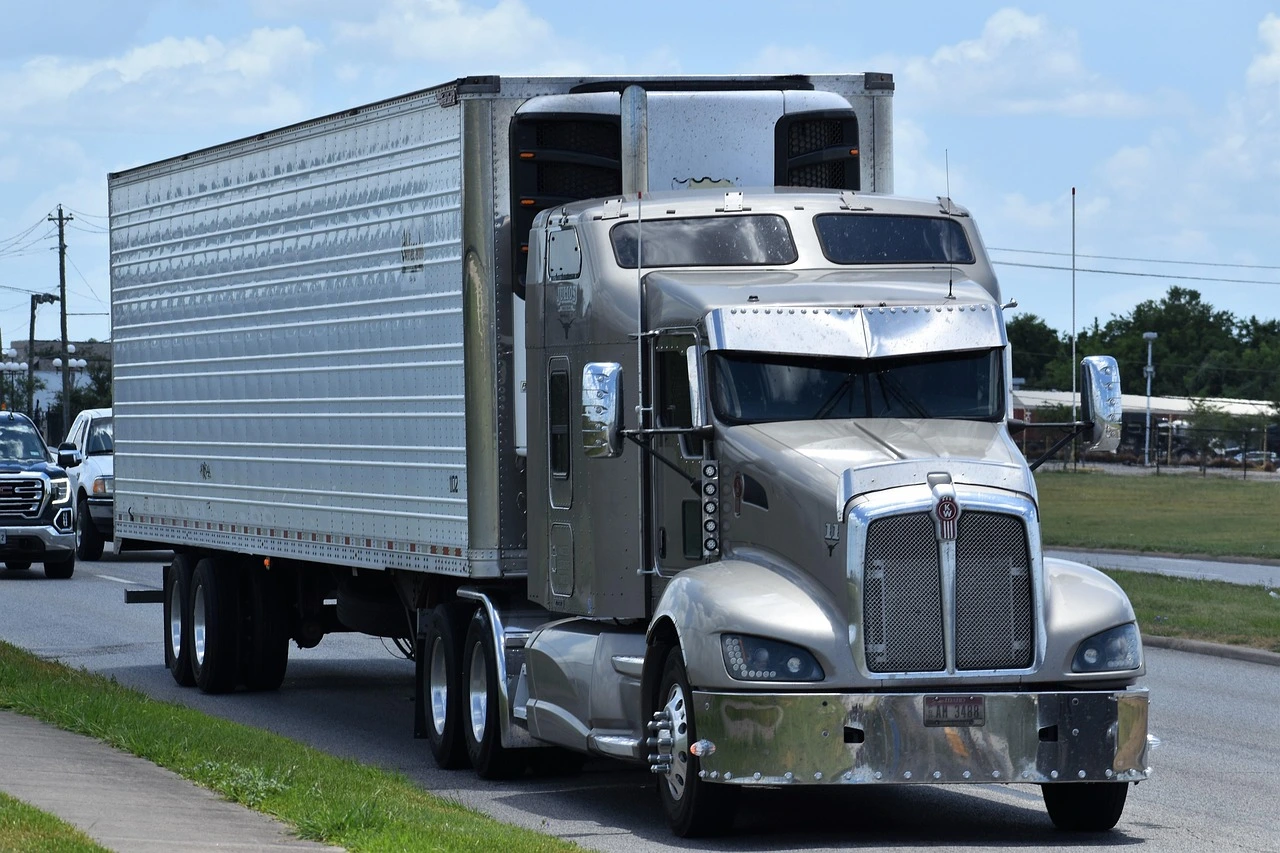
Table of Contents
- Understanding the FMCSA and Its Critical Role
- Common FMCSA Violations That Lead to Accidents
- What Constitutes Trucking Company Negligence?
- The Impact of Negligence: Real Consequences for Virginia Families
- Establishing Liability in Virginia Truck Accident Cases
- Seeking Justice and Compensation
- Moving Forward: Advocacy for Safer Roads
- Conclusion
Understanding the FMCSA and Its Critical Role
The Federal Motor Carrier Safety Administration serves as the watchdog of the commercial trucking industry. Established to reduce crashes, injuries, and fatalities involving large trucks and buses, the FMCSA creates and enforces safety regulations that govern everything from driver qualifications to vehicle maintenance standards.
These regulations exist for compelling reasons. A fully loaded commercial truck can weigh up to 80,000 pounds, roughly 20 times the weight of an average passenger vehicle. The physics of such massive vehicles means that when accidents occur, the results are often severe. According to recent data, truck accidents result in fatalities at a disproportionately high rate compared to passenger vehicle collisions.
In Virginia, where major interstate corridors like I-81, I-95, and I-64 serve as crucial arteries for commercial transportation, FMCSA compliance isn’t just a bureaucratic requirement, it’s a public safety imperative. The Commonwealth sees significant commercial truck traffic daily, making awareness of these regulations essential for both industry professionals and everyday drivers.
Common FMCSA Violations That Lead to Accidents
Hours of Service Violations
Perhaps no regulation is violated more frequently, or with more dangerous consequences, than hours of service (HOS) requirements. FMCSA rules strictly limit how long truck drivers can operate their vehicles without rest. Currently, drivers cannot drive more than 11 hours after 10 consecutive hours off duty, and they cannot drive beyond 14 hours after coming on duty.
Driver fatigue is a silent killer on our highways. A drowsy driver experiences impaired reaction times, decreased awareness, and compromised decision-making abilities comparable to drunk driving. Yet pressure to meet delivery deadlines often tempts drivers and companies to push beyond legal limits. Some trucking companies have been caught using two logbooks, one accurate set and one falsified set for inspections, a practice that puts every motorist at risk.
In Virginia’s mountainous regions along I-81 or during long hauls down I-95, fatigued driving becomes even more dangerous. Navigating challenging terrain or heavy traffic requires full alertness, making HOS compliance literally a matter of life and death.
Inadequate Driver Qualification and Training
The FMCSA establishes minimum requirements for commercial driver’s licenses (CDLs) and mandates that trucking companies verify driver qualifications before hiring. This includes checking driving records, conducting road tests, and ensuring drivers meet medical fitness standards.
Unfortunately, some trucking companies take shortcuts in this area. Failing to properly screen drivers, hiring individuals with poor driving records, or providing inadequate training can put unqualified operators behind the wheel of vehicles that require exceptional skill to operate safely. A driver who hasn’t been properly trained on cargo securement, for instance, might cause an accident when improperly loaded freight shifts during transit.
Virginia’s varied terrain and weather conditions, from coastal plains to mountain passes, demand that truck drivers possess both skill and experience. When companies prioritize filling seats over proper vetting, they create rolling hazards on our highways.
Vehicle Maintenance and Inspection Failures
Commercial trucks undergo tremendous stress during normal operations. The FMCSA requires regular inspections and maintenance to ensure these vehicles remain roadworthy. Brake systems, tires, lights, coupling devices, and cargo securement systems must all function properly.
When trucking companies defer maintenance to save money or keep trucks in service, mechanical failures become inevitable. Brake failure on a steep grade, tire blowouts at highway speeds, or failing coupling devices that release trailers can cause multi-vehicle catastrophes. Virginia drivers traveling through the Blue Ridge Mountains or navigating Richmond’s urban corridors deserve the assurance that commercial vehicles sharing the road have been properly maintained.
Pre-trip and post-trip inspections are required for every journey, yet some companies pressure drivers to skip these crucial safety checks. Electronic logging devices (ELDs) and maintenance records can reveal patterns of neglect, providing crucial evidence in negligence cases.
Improper Cargo Loading and Securement
How cargo is loaded affects a truck’s handling characteristics, braking distance, and stability. Overloaded trucks require greater stopping distances and put excessive stress on braking systems. Improperly secured cargo can shift during transit, causing the driver to lose control or fall from the vehicle, creating hazards for other motorists.
The FMCSA has detailed regulations governing weight limits and cargo securement. These rules specify the number and type of tie-downs required for different cargo types, weight distribution requirements, and maximum weight limits. When companies ignore these regulations to maximize profits by hauling more freight, they transform their trucks into dangerous projectiles.
Drug and Alcohol Testing Violations
The FMCSA mandates comprehensive drug and alcohol testing programs for commercial drivers. This includes pre-employment testing, random testing, post-accident testing, and reasonable suspicion testing. The regulations exist because impaired driving by commercial vehicle operators poses extraordinary risks.
Some trucking companies fail to implement proper testing programs, ignore positive results, or allow drivers to return to duty without completing required treatment and follow-up testing. In Virginia, where commercial vehicles frequently share roads with families, commuters, and tourists, ensuring drivers remain drug and alcohol-free is non-negotiable.

What Constitutes Trucking Company Negligence?
Trucking company negligence extends beyond individual driver errors. Companies have a legal duty to maintain safe operations, and when they breach this duty, they can be held liable for resulting injuries and damages.
Negligent Hiring and Retention
When trucking companies hire drivers without proper screening or retain drivers with known safety violations, they demonstrate negligent hiring or retention. This includes failing to check driving records, ignoring previous accidents or violations, or keeping drivers employed despite repeated safety concerns.
If a company hires a driver with a history of DUI convictions or retains a driver who has been involved in multiple preventable accidents, it may be creating a foreseeable risk. In legal terms, this is negligence, the company should have known that this driver posed a danger to others.
Inadequate Training and Supervision
Beyond initial hiring, companies must provide ongoing training and supervision. This includes training on new equipment, refresher courses on safety procedures, and supervision to ensure drivers follow company policies and federal regulations.
A trucking company that fails to train drivers on Virginia-specific challenges, such as navigating mountainous terrain in poor weather or handling heavy traffic in the Hampton Roads area, may be negligent if such failures contribute to an accident.
Pressure to Violate Safety Regulations
Some trucking companies create a corporate culture that implicitly or explicitly encourages safety violations. When companies set unrealistic delivery schedules that can only be met by exceeding hours of service limits, they bear responsibility for the predictable consequences.
Similarly, if companies establish compensation structures that incentivize drivers to skip inspections, overload vehicles, or speed, they create liability for themselves. Virginia courts have recognized that companies cannot avoid responsibility by claiming individual drivers acted independently when company policies effectively required unsafe practices.
Failure to Maintain Safety Management Systems
The FMCSA requires trucking companies to maintain comprehensive safety management systems. This includes keeping accurate records, conducting regular safety reviews, implementing corrective actions when problems are identified, and maintaining a culture of safety compliance.
Companies that treat safety compliance as a mere formality rather than a priority often show patterns of violations across multiple areas. These patterns can demonstrate systemic negligence rather than isolated incidents.
The Impact of Negligence: Real Consequences for Virginia Families
Behind every statistic about truck accidents lies a human story. When a trucking company’s negligence leads to crashes, the results ripple through families and communities throughout Virginia.
Truck accident victims often face catastrophic injuries, including traumatic brain injuries, spinal cord damage, severe burns, and multiple fractures. These injuries can require years of medical treatment, rehabilitation, and adaptive equipment. Many victims never fully recover, facing permanent disabilities that alter every aspect of their lives.
The financial costs are staggering. Medical bills can quickly reach hundreds of thousands or even millions of dollars. Lost wages, diminished earning capacity, and the need for long-term care create economic hardships that extend far beyond the accident itself. For families who lose loved ones in truck accidents, no amount of compensation can truly make them whole, though financial recovery may provide some measure of security.
Beyond individual tragedies, truck accidents caused by negligence impose costs on all Virginians. Emergency response resources, highway infrastructure damage, traffic congestion, and increased insurance premiums all result from preventable accidents.
Establishing Liability in Virginia Truck Accident Cases
Determining liability in truck accident cases requires a thorough investigation and understanding of both Virginia law and federal trucking regulations. Multiple parties may share responsibility, including the truck driver, the trucking company, cargo loaders, maintenance contractors, or even vehicle manufacturers.
The Role of Evidence
Building a strong case requires preserving and analyzing multiple forms of evidence. Electronic logging devices record hours of service data, showing whether drivers violated HOS regulations. Truck “black boxes” (electronic control modules) record speed, braking, and other operational data leading up to accidents. Maintenance records reveal whether companies properly serviced vehicles. Driver qualification files show whether companies properly vetted their employees.
Time is critical in preserving this evidence. Trucking companies are required to maintain records for specific periods, after which they may be destroyed. Additionally, physical evidence from accident scenes can deteriorate or be lost if not documented promptly.
Investigating FMCSA Compliance
A thorough investigation examines the trucking company’s entire safety record, not just the specific accident. Safety Measurement System (SMS) data maintained by the FMCSA tracks carriers’ safety performance across multiple categories. A pattern of violations may demonstrate systemic negligence rather than an isolated incident.
Investigators also examine whether the company has been subject to FMCSA enforcement actions, including audits, warnings, or fines. Companies with poor safety ratings demonstrate a disregard for regulations that may establish negligence.
Virginia’s Contributory Negligence Rule
Virginia follows a contributory negligence rule, which can complicate truck accident cases. Under this doctrine, if an injured party is found to be even 1% at fault for the accident, they may be barred from recovering any damages. This harsh rule makes thorough investigation and strong evidence crucial.
Trucking companies and their insurers often attempt to shift blame to accident victims, arguing that the victim was speeding, distracted, or otherwise contributed to the accident. Experienced legal representation can counter these tactics by demonstrating that the trucking company’s negligence was the primary cause of the collision.
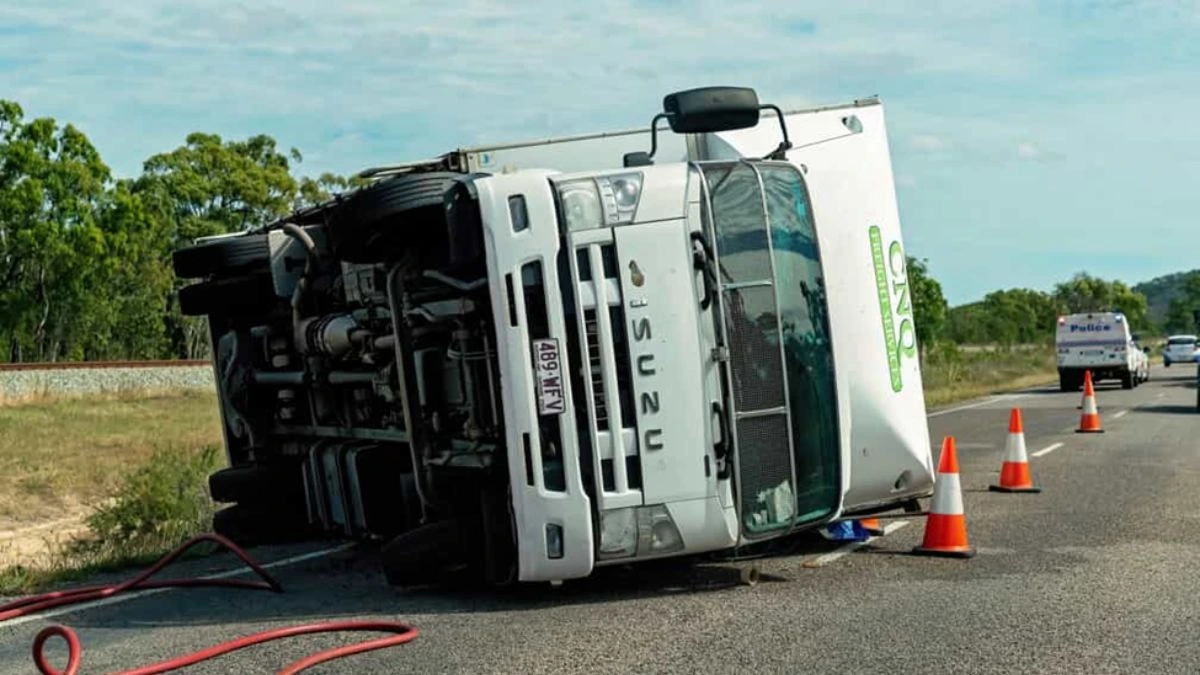
Seeking Justice and Compensation
Victims of truck accidents caused by negligence deserve full compensation for their injuries and losses. This includes economic damages like medical expenses and lost income, as well as non-economic damages for pain and suffering, emotional distress, and loss of quality of life.
The Importance of Specialized Legal Representation
Truck accident cases differ significantly from typical car accident claims. They involve complex federal regulations, multiple potentially liable parties, and often sophisticated insurance companies and corporate defendants with extensive resources.
Attorneys who specialize in truck accident cases understand FMCSA regulations, know how to obtain and analyze trucking industry evidence, and have experience confronting the tactics insurance companies use to minimize liability. This specialized knowledge can make the difference between inadequate settlement offers and full, fair compensation.
Time Limits for Taking Action
Virginia law imposes strict deadlines for filing injury claims, generally requiring action within two years of the accident date. However, investigating truck accidents and building strong cases takes time. Waiting too long can result in lost evidence, faded memories, and potentially missing the filing deadline entirely.
Early consultation with experienced legal counsel allows victims to protect their rights while focusing on recovery. Attorneys can immediately begin preserving evidence, identifying liable parties, and building the strongest possible case.
Moving Forward: Advocacy for Safer Roads
While individual legal cases hold negligent trucking companies accountable, broader advocacy efforts work toward systemic improvements in trucking safety. This includes supporting enhanced FMCSA enforcement, promoting safety technology adoption, and educating both industry professionals and the public about trucking safety issues.
Virginia motorists can contribute to safer roads by understanding how to drive safely around commercial trucks. Avoiding trucks’ blind spots, allowing extra space for their longer stopping distances, and exercising patience when sharing the road with these larger vehicles can prevent accidents.
However, individual defensive driving cannot substitute for a trucking company’s responsibility. Companies must prioritize safety over profits, comply fully with FMCSA regulations, and maintain a genuine commitment to protecting everyone who shares Virginia’s highways.
Conclusion
The relationship between trucking company negligence and FMCSA violations represents a clear and present danger on Virginia’s roads. When companies prioritize profits over safety, cut corners on training and maintenance, or pressure drivers to violate hours of service regulations, they create risks that can shatter lives in an instant.
Understanding these issues empowers Virginia residents to recognize when trucking companies have failed in their duties and to seek accountability when negligence causes harm. While no legal recovery can undo the trauma of a serious truck accident, holding negligent parties responsible serves both individual justice and the broader goal of encouraging industry-wide safety improvements.
For anyone affected by a truck accident in Virginia, knowledge of FMCSA regulations and trucking company obligations provides the foundation for pursuing justice. These aren’t abstract legal concepts, they’re the rules designed to protect lives. When companies violate these rules and people suffer as a result, the law provides avenues for accountability and compensation.
Virginia’s highways will continue to carry commercial truck traffic as an essential part of our economy. Ensuring that this traffic moves safely, with full compliance with federal regulations and an unwavering commitment to public safety, protects everyone who travels the Commonwealth’s roads. Whether you’re a daily commuter, a weekend traveler, or simply someone who cares about highway safety, understanding trucking company negligence and FMCSA violations is knowledge that could one day prove invaluable.
Virginia Fatal Truck Underride Accidents: Legal Options for Grieving Families
Few crashes are as devastating as truck underride accidents. When a smaller vehicle slides beneath the rear or side of a tractor-trailer, the results are almost always catastrophic, often fatal. These collisions happen in seconds but leave families facing a lifetime of loss, unanswered questions, and financial uncertainty.
In Virginia, fatal truck underride accidents often occur on highways where tractor-trailers stop suddenly or lack adequate safety guards. Despite federal safety standards, many trucks still operate without compliant underride protection, putting drivers and passengers at extreme risk.
For families who lose loved ones in these crashes, the legal process can feel overwhelming. Determining who’s responsible, whether it’s the truck driver, the carrier, or the manufacturer, requires careful investigation and experienced legal support.
This article explains what causes underride accidents, why they’re so deadly, and how Virginia families can pursue wrongful death claims to hold negligent parties accountable and seek justice after a preventable tragedy.
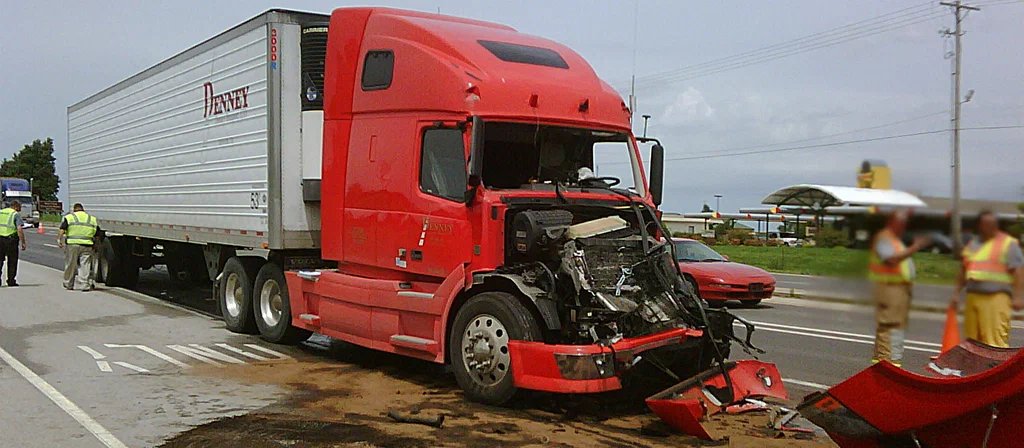
Table of Contents
- Understanding Truck Underride Accidents
- Types of Underride Accidents
- Why Underride Accidents Are So Deadly
- Common Causes of Underride Accidents
- Federal Regulations and Their Limitations
- Virginia Law and Truck Underride Accidents
- Parties Who May Be Liable
- Building a Wrongful Death or Injury Claim
- Damages in Underride Accident Cases
- Insurance Complications
- The Role of Safety Advocacy
- Moving Forward After an Underride Accident
Understanding Truck Underride Accidents
Underride accidents occur when the height differential between vehicles creates a deadly scenario. Commercial trucks and trailers ride much higher off the ground than passenger vehicles. This gap creates space for smaller vehicles to slide underneath during certain types of collisions.
Types of Underride Accidents
Rear underride crashes happen when a passenger vehicle strikes the back of a truck or trailer and continues underneath it. These often occur when trucks are stopped or moving slowly on highways, especially at night or in poor visibility conditions. A driver might not realize a truck has slowed or stopped until it’s too late to brake effectively.
Side underride accidents involve a vehicle sliding under the side of a trailer, typically during turning maneuvers or when a truck crosses lanes of traffic. These crashes frequently occur at intersections when trucks make wide turns, or on highways when trucks change lanes without adequate clearance.
Front underride collisions happen when a truck backs into or over a smaller vehicle, or when a truck’s momentum carries it over a vehicle during a collision. While less common than rear and side underrides, they’re equally deadly.
Why Underride Accidents Are So Deadly
The physics of underride accidents explains their catastrophic nature. In a typical car accident, the vehicle’s crumple zones absorb impact energy. Airbags deploy to protect occupants. Seatbelts restrain passengers. The entire structure of modern vehicles is engineered to manage collision forces and protect the survival space where occupants sit.
Underride accidents bypass all these safety features. When a vehicle slides under a trailer, the impact occurs at windshield or roof level rather than at the bumper. The protective crumple zones never engage. Airbags may deploy, but they’re positioned to protect against frontal impacts, not against forces coming from above. The roof structure, not designed to be the primary impact point, collapses under the weight and force of the collision.
Occupants face catastrophic head, neck, and chest injuries. The force doesn’t get distributed across the vehicle’s safety structure but instead focuses on the upper portion of the passenger compartment. Survival rates in severe underride accidents remain tragically low.
Common Causes of Underride Accidents
Several factors contribute to these devastating crashes. Poor lighting on trailers makes them nearly invisible at night. Federal regulations require reflective tape and lighting, but these measures often prove inadequate, especially when lights malfunction or get obscured by dirt and road grime.
Sudden stops or slow-moving trucks on highways create dangerous situations. When traffic flows at 65 or 70 miles per hour and a truck suddenly appears traveling at 25 miles per hour, drivers have little time to react. At night or in poor weather, they might not see the truck until collision is unavoidable.
Inadequate underride guards represent perhaps the most critical factor. These are the bars or panels designed to prevent vehicles from sliding underneath trailers. Federal standards for these guards have historically been weak, and many guards fail in real-world crash conditions even when they meet regulatory requirements.
Truck driver negligence plays a role in many underride accidents. Stopping on highway shoulders without adequate warning, failing to maintain lighting systems, making improper turns, or operating vehicles with defective equipment all contribute to these tragedies.
Federal Regulations and Their Limitations
The federal government has regulated truck underride guards since 1953, but the standards have evolved slowly and remain inadequate according to safety advocates and accident victims’ families.
Current Rear Underride Guard Requirements
The National Highway Traffic Safety Administration requires rear underride guards on most trailers. These guards must withstand impacts at 35 miles per hour in limited test scenarios. However, real-world accidents often occur at much higher speeds. The testing uses specific impact points that don’t represent all possible collision angles and positions.
Many guards that meet federal standards still fail catastrophically in actual crashes. The guards bend, break, or separate from the trailer, allowing vehicles to underride despite the presence of the supposedly protective equipment. Safety researchers have demonstrated that stronger guards are technologically feasible and could prevent many underride deaths.
Side Underride Guard Gap
Federal regulations do not currently require side underride guards on most trailers, despite clear evidence that these guards could prevent deaths. Some trucking companies voluntarily install side guards, and some safety advocates push for mandatory requirements, but no federal mandate exists.
This regulatory gap is particularly troubling because side underride accidents, while less common than rear underrides, are equally deadly. The technology exists to prevent these crashes, but without regulatory requirements, most trailers remain unprotected.
Reflective Tape and Lighting Requirements
Federal law requires reflective tape and certain lighting configurations on trailers to improve visibility. These requirements help but don’t solve the problem entirely. Reflective tape wears off over time. Lights fail and don’t always get repaired promptly. In rain, fog, or heavy traffic, even properly marked trailers can be difficult to see until too late.
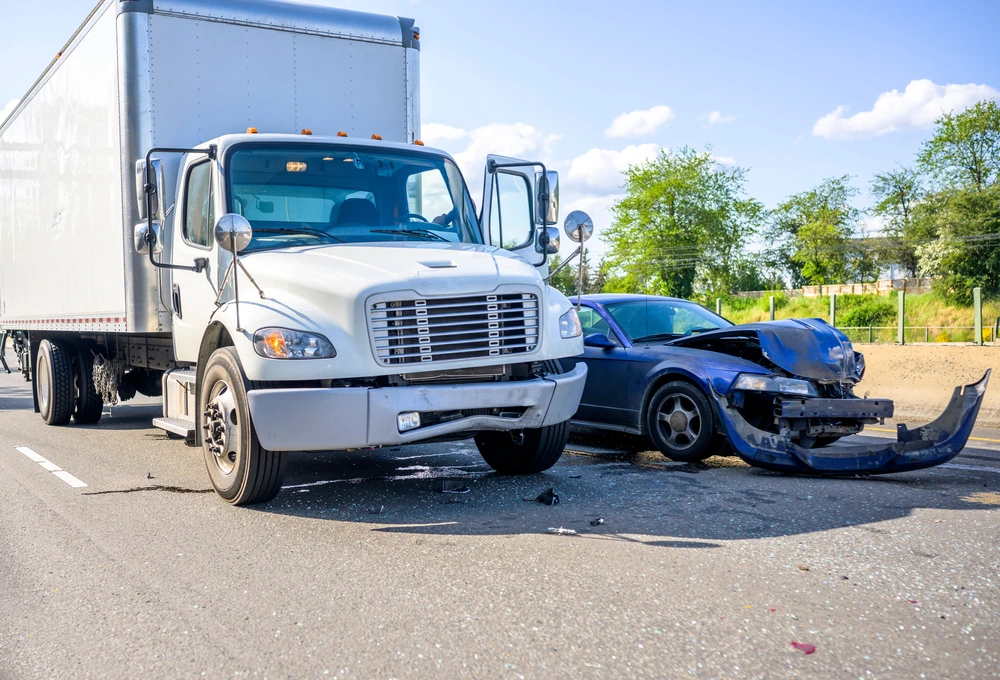
Virginia Law and Truck Underride Accidents
Virginia law addresses truck safety through various statutes and regulations, though specific underride guard requirements largely follow federal standards rather than imposing stricter state-level rules.
Equipment Requirements
Virginia Code requires commercial vehicles to maintain proper lighting and safety equipment. Trucks operating in Virginia must comply with federal motor carrier safety regulations, including those governing underride guards. Violations of these equipment requirements can establish negligence in accident cases.
When trucks operate with defective or missing underride guards, broken lights, or inadequate reflective markings, they violate both federal and state law. These violations become crucial evidence in wrongful death and personal injury lawsuits following underride accidents.
Negligence Standards
Virginia applies traditional negligence principles to truck accident cases. To recover damages, you must prove the truck driver or trucking company owed a duty of care, breached that duty, and caused your injuries or your loved one’s death through that breach.
The breach might involve failing to maintain required safety equipment, operating a truck unsafely, violating traffic laws, or failing to properly train drivers. Trucking companies have heightened duties under federal regulations, and violations of those regulations can constitute negligence per se, meaning the violation itself establishes a breach of duty.
Contributory Negligence Challenge
Virginia’s harsh contributory negligence rule creates significant challenges in all vehicle accident cases, including underride crashes. If the deceased or injured person was even 1% at fault, recovery is barred entirely.
Defense attorneys in underride cases often argue that the smaller vehicle was speeding, following too closely, or driving inattentively. They might claim the victim should have seen the truck and avoided the collision. These arguments, while often callous given the circumstances, must be anticipated and countered with strong evidence.
Parties Who May Be Liable
Underride accident cases often involve multiple potentially liable parties. Identifying all responsible parties is crucial because it expands the pool of insurance coverage and increases the likelihood of full compensation.
The Truck Driver
The driver bears primary responsibility for safely operating the vehicle. If the driver stopped unsafely, failed to use hazard lights, made an improper turn, or was driving a vehicle with known defects, they may be personally liable. However, truck drivers often have limited personal assets, making other defendants critical.
The Trucking Company
Trucking companies face liability under several legal theories. Respondeat superior makes employers liable for employee negligence committed within the scope of employment. If the driver was working when the accident occurred, the company typically shares liability.
Negligent hiring, training, or supervision provides another basis for company liability. If the company hired a driver with a poor safety record, failed to provide adequate training, or didn’t properly supervise driver compliance with safety regulations, they can be held directly liable.
Negligent maintenance represents a crucial theory in underride cases. If the company failed to maintain underride guards, lighting systems, or other safety equipment, their negligence contributed to the accident. Federal regulations require trucking companies to maintain detailed maintenance records, and gaps in those records can prove negligence.
The Trailer Owner or Lessor
The trucking company operating the trailer doesn’t always own it. Trailer leasing is common in the industry. The trailer owner maintains responsibility for ensuring the trailer meets safety standards, including functional underride guards. If defective equipment caused or contributed to the underride accident, the trailer owner may face liability.
Manufacturers
If the underride guard was defectively designed or manufactured, the company that made the guard faces potential product liability claims. Similarly, if the trailer itself was defectively designed in a way that made underride accidents more likely, the trailer manufacturer might be liable.
Product liability claims follow different rules than negligence claims and can provide important alternative paths to recovery, especially when driver or company negligence is difficult to prove definitively.
Maintenance and Repair Companies
Third-party companies that performed maintenance or repairs on the truck or trailer might bear responsibility if they negligently failed to fix known problems, improperly installed equipment, or created dangerous conditions through their work.
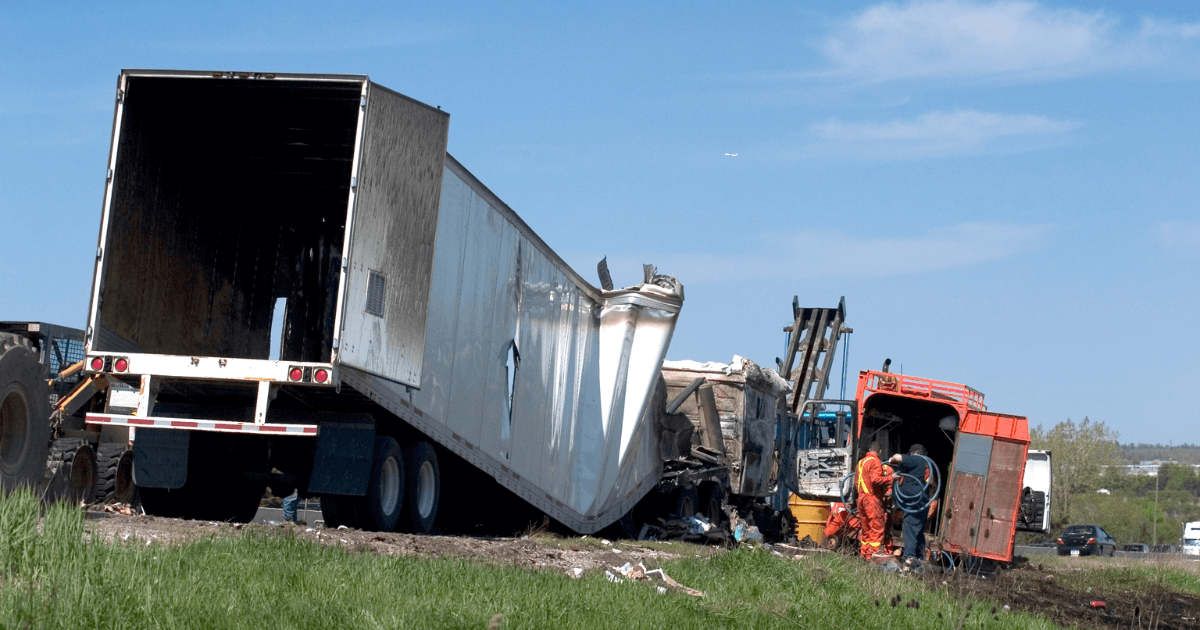
Building a Wrongful Death or Injury Claim
Underride accident cases demand thorough investigation and expert analysis. The complexity of commercial trucking regulations, vehicle dynamics, and multiple potential defendants requires comprehensive case development.
Immediate Investigation
Time is critical after any truck accident. Evidence disappears quickly. Trucking companies have sophisticated legal teams that respond immediately to serious accidents. They send investigators to the scene, interview witnesses, photograph conditions, and gather evidence to defend against future claims.
Families of victims need their own investigation running parallel to the trucking company’s. This means hiring attorneys experienced in truck accident litigation who can deploy investigators immediately. Crucial evidence includes scene photographs showing skid marks, debris patterns, and final vehicle positions; truck black box data recording speed, braking, and other operational information; driver logs showing hours of service and compliance with rest requirements; and maintenance records revealing the truck’s safety equipment condition.
Expert Witnesses
Underride accident cases require multiple expert witnesses to establish liability and damages. Accident reconstruction experts analyze the collision dynamics, determine speeds, calculate forces, and demonstrate how the accident occurred. They can show whether the underride guard failed, how it failed, and whether a proper guard would have prevented the tragedy.
Trucking industry experts testify about regulatory requirements, industry standards, and whether the trucking company followed proper procedures. They can explain what the company should have done differently and how those failures contributed to the accident.
Biomechanical engineers explain the specific injuries and how they resulted from the underride collision. Medical experts detail the deceased’s suffering or the survivor’s injuries, future medical needs, and permanent impairments.
Economic experts calculate financial losses including lost income, benefits, household services, and future economic contributions. In wrongful death cases, they project what the deceased would have earned over their expected working life.
Federal Motor Carrier Safety Regulations
Commercial trucking is heavily regulated by federal law. These regulations cover driver qualifications and training, hours of service limits to prevent fatigue, vehicle maintenance requirements, cargo securement standards, and safety equipment specifications.
Violations of these regulations can establish negligence and provide powerful evidence of fault. Experienced truck accident attorneys know how to obtain and analyze trucking company compliance records, driver qualification files, and maintenance logs to identify regulatory violations.
Electronic Evidence
Modern commercial trucks generate substantial electronic data. Electronic logging devices track driving hours automatically. Engine control modules record speed, braking, throttle position, and other operational data. Some trucks have forward-facing cameras that capture accident footage. GPS systems document routes and stops.
This electronic evidence can prove critical facts about how the accident occurred. However, trucking companies control this evidence, and it may be deleted or lost if not preserved quickly. Attorneys use spoliation letters and court orders to ensure evidence preservation.
Damages in Underride Accident Cases
The catastrophic nature of underride accidents typically results in either death or severe, life-altering injuries. Damage claims reflect the immense losses suffered by victims and their families.
Wrongful Death Damages
Virginia’s wrongful death statute allows certain family members to recover compensation when negligence causes a death. The deceased’s spouse, children, or parents can file claims depending on family circumstances.
Economic damages include all financial losses. Medical expenses from the accident, funeral and burial costs, lost income the deceased would have earned, lost benefits and retirement contributions, and loss of household services all factor into economic calculations. Expert economists project these losses over the deceased’s expected lifetime.
Non-economic damages compensate for intangible losses that don’t have specific price tags. Loss of companionship and consortium, loss of parental guidance and nurturing, mental anguish and grief, and loss of protection and care all constitute non-economic damages. Virginia doesn’t cap non-economic damages in most cases, allowing juries to award amounts reflecting the true magnitude of the loss.
Survival Actions
Separate from wrongful death claims, survival actions compensate the deceased’s estate for losses the deceased personally suffered between the injury and death. This includes pain and suffering experienced before death, medical expenses incurred, and lost wages during survival time.
In cases where death was not instantaneous, survival actions can provide significant additional compensation beyond wrongful death damages.
Personal Injury Damages for Survivors
Some people survive underride accidents but suffer catastrophic injuries. Traumatic brain injuries, spinal cord injuries causing paralysis, severe scarring and disfigurement, loss of limbs, and chronic pain all commonly result from underride collisions that the victim survives.
Damages for survivors include all past and future medical expenses, lost wages and diminished earning capacity, physical pain and suffering, emotional distress and mental anguish, loss of enjoyment of life, and loss of consortium claims by spouses.
The lifetime costs of caring for someone with severe brain injury or paralysis can reach millions of dollars. Comprehensive damage calculations account for decades of future needs, including medical care, adaptive equipment, home modifications, and attendant care.
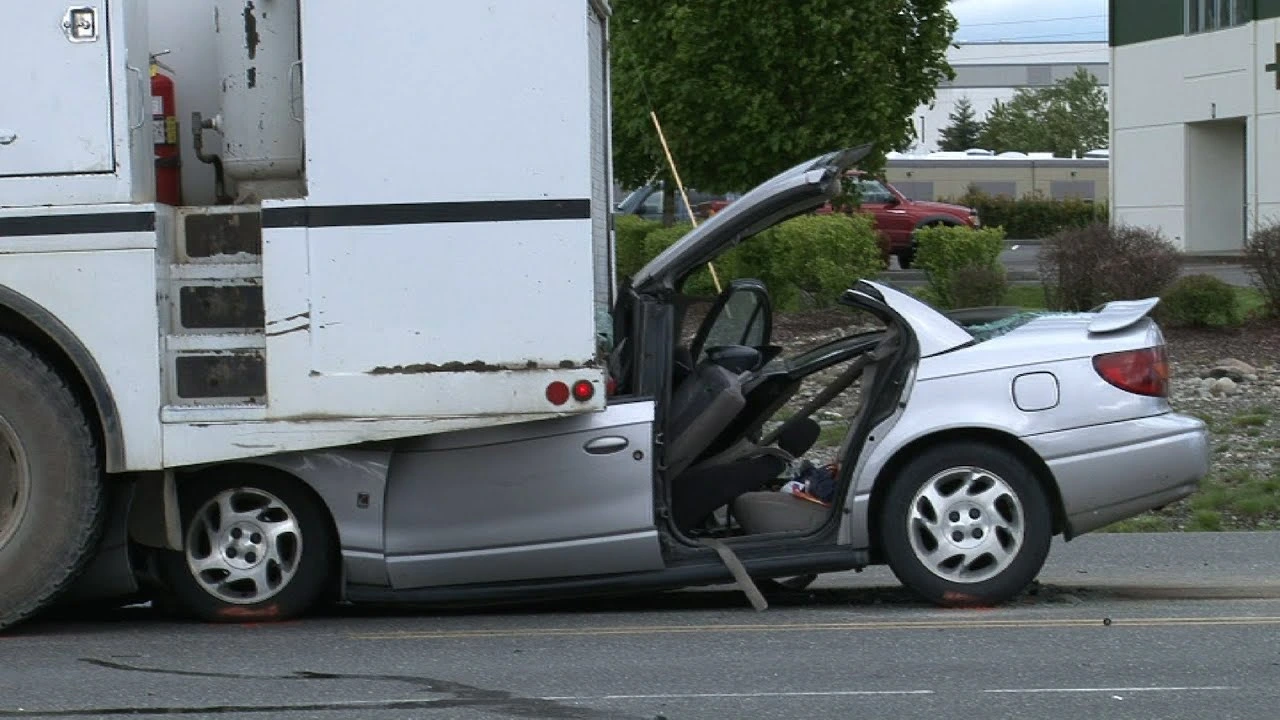
Insurance Complications
Truck underride accident cases involve complex insurance issues that differ substantially from regular car accident claims.
Commercial Trucking Insurance
Federal law requires commercial trucks to carry substantial liability insurance. The minimum coverage depends on the type of cargo and operation but ranges from $750,000 to $5 million. Many trucking companies carry higher limits.
However, multiple insurance policies may apply. The truck driver might have personal coverage. The trucking company carries primary liability insurance. The trailer owner might have separate coverage. Umbrella policies may provide additional layers of protection.
Determining which policies apply and in what order requires careful analysis of policy language and the relationships among the various parties involved in the accident.
Excess Liability and Umbrella Coverage
When damages exceed primary policy limits, excess and umbrella policies become critical. Large trucking companies typically carry substantial excess coverage precisely because they know catastrophic accidents can result in claims exceeding standard policy limits.
However, accessing excess coverage requires exhausting underlying policies first and navigating complex policy terms governing when excess coverage applies. Insurance companies fight aggressively to avoid paying at excess levels, making experienced legal representation essential.
Bad Faith Insurance Practices
Insurance companies sometimes handle underride accident claims in bad faith. They might lowball initial settlement offers hoping families desperate for money will accept inadequate compensation. They delay investigations while evidence disappears. They deny obviously valid claims forcing families into expensive litigation.
When insurance companies act in bad faith, they may face additional liability beyond policy limits. Virginia law provides remedies for bad faith insurance practices, including punitive damages in appropriate cases.
The Role of Safety Advocacy
Families who lose loved ones in underride accidents often become powerful advocates for change. Their efforts have driven improvements in federal regulations and increased public awareness of these preventable tragedies.
Safety organizations like the Insurance Institute for Highway Safety conduct research demonstrating that stronger underride guards and side guards could prevent many deaths. They pressure regulators and legislators to strengthen requirements.
Some trucking companies have voluntarily adopted stronger guards and safety equipment beyond minimum requirements, recognizing both the moral imperative and the business case for preventing catastrophic accidents.
Family advocacy has brought national attention to issues that might otherwise remain hidden. Every improvement in underride guard standards traces back to families who channeled their grief into demands for change that protect other families from similar tragedies.
Moving Forward After an Underride Accident
The aftermath of a fatal underride accident leaves families shattered. Beyond the immediate grief, they face funeral expenses, potential financial hardship from lost income, and the emotional trauma of violent loss.
Taking legal action serves multiple purposes beyond financial recovery. It holds negligent parties accountable for their failures. It provides families some measure of justice when justice seems impossible. It sends messages to the trucking industry that safety failures have consequences. And it provides financial resources to help families rebuild their lives.
The process is neither quick nor easy. Truck accident litigation often takes years to resolve. Families must relive the tragedy through discovery, depositions, and potentially trial. But for many families, pursuing justice becomes an important part of their healing process.
No amount of money brings back a loved one or undoes catastrophic injuries. But compensation provides stability when families need it most. It covers medical bills and funeral expenses. It replaces lost income that families depended on. It funds care for injured survivors. And it acknowledges that what happened matters, that the loss was real, and that someone must answer for the failures that caused such preventable tragedy.
If your family has experienced the devastation of a truck underride accident in Virginia, know that you don’t face this journey alone. Experienced attorneys understand both the legal complexities and the emotional weight of these cases. They can handle the legal battle while you focus on grieving and healing. And they can work to ensure that what happened to your family drives changes that might save others from the same fate.
Filing a Claim for a Delayed Whiplash Injury in Virginia: What Victims Need to Know
Not every car accident injury shows up right away.
For many Virginians, whiplash pain begins days or even weeks after a crash, long after the adrenaline fades and the paperwork is filed. By then, insurance companies may question your claim, or deny it altogether, because the injury wasn’t “immediate.”
But delayed whiplash injuries are real and medically recognized. Even low-speed collisions can cause micro-tears in neck muscles and ligaments that worsen over time. The pain, stiffness, and headaches that follow can disrupt your work, sleep, and quality of life.
If your symptoms appeared after the accident, you still have legal options.
This guide explains how delayed whiplash injuries happen, why they’re often misunderstood by insurers, and what steps you can take to file a successful claim in Virginia, even if your pain didn’t start on day one.

Table of Contents
- Understanding Whiplash and Why Symptoms Delay
- The Challenge of Delayed Symptoms in Virginia Claims
- Steps to Take When Whiplash Symptoms Appear Late
- Building Your Delayed Whiplash Claim
- Common Obstacles and How to Overcome Them
- Working with an Attorney
- The Importance of Acting Quickly
- Moving Forward with Your Claim
Understanding Whiplash and Why Symptoms Delay
Whiplash occurs when your head snaps forward and backward rapidly, like a whip cracking. This violent motion stretches and tears the muscles, tendons, and ligaments in your neck. Despite being one of the most common car accident injuries, whiplash remains widely misunderstood, particularly regarding when symptoms appear.
The Mechanics of Whiplash
During a rear-end collision, even at relatively low speeds, your body experiences forces it wasn’t designed to handle. Your torso moves forward with the seat, but your head lags behind for a fraction of a second before snapping forward. Then, as your body stops or moves backward, your head whips back again. This happens so quickly that you barely register it in the moment.
The soft tissues in your neck stretch beyond their normal range of motion. Tiny tears develop in muscle fibers. Ligaments that hold your cervical vertebrae in place get strained. Sometimes the facet joints in your neck become inflamed. In more severe cases, the discs between vertebrae can herniate or bulge.
Why Symptoms Don’t Appear Immediately
Several factors explain why whiplash symptoms often delay their arrival. Adrenaline and endorphins flood your system during and immediately after an accident. These natural chemicals are powerful painkillers that can completely mask discomfort for hours or even days. You might feel shaky or upset, but the physical pain stays hidden beneath your body’s stress response.
Inflammation takes time to develop. The microscopic tears in your soft tissues don’t swell up instantly. As your body responds to the injury over the next 24 to 72 hours, inflammation gradually increases, bringing pain, stiffness, and reduced range of motion with it.
Muscle tension and spasms also build gradually. Your body tries to protect the injured area by tightening the surrounding muscles. This protective mechanism, called guarding, intensifies over time as your muscles fatigue from constant tension.
Some people experience what doctors call delayed onset muscle soreness, similar to what happens after an intense workout. The full impact of the trauma to your neck muscles might not register until a day or two later.
Common Whiplash Symptoms
Whiplash symptoms extend well beyond simple neck pain. You might experience stiffness that makes it difficult to turn your head. Headaches often radiate from the base of the skull. Shoulder pain and upper back pain frequently accompany neck injuries. Some people develop tingling or numbness in their arms and hands if nerves get compressed.
Beyond physical symptoms, whiplash can cause dizziness, fatigue, difficulty concentrating, memory problems, and irritability. Sleep disturbances are common, both from pain and from underlying injury to the nervous system. Some people experience blurred vision or ringing in their ears.
These symptoms might appear gradually, with new issues emerging days or weeks after the initial injury. What starts as mild neck stiffness can progress into debilitating pain that affects every aspect of your life.
The Challenge of Delayed Symptoms in Virginia Claims
When your whiplash symptoms don’t appear until days after an accident, you face immediate skepticism from insurance companies. Virginia’s legal landscape makes delayed injury claims particularly challenging for several important reasons.
Insurance Company Suspicion
Insurance adjusters receive training to question delayed injury claims. They operate under the assumption that truly serious injuries cause immediate symptoms. When you report injury days after an accident, they suspect either fraud or that something else caused your injury.
Adjusters will scrutinize your actions after the accident. Did you go to work the next day? Did you post on social media? Did you participate in any physical activities? They’ll use any evidence of normal activity to argue that you couldn’t have been seriously injured.
The gap between the accident and your first medical visit becomes their primary weapon. They’ll suggest you injured yourself doing something else during that gap. Maybe you slept wrong. Maybe you lifted something heavy. Maybe you have a preexisting condition that coincidentally flared up right after the accident.
Virginia’s Contributory Negligence Rule
Virginia follows one of the harshest negligence rules in the country. Under pure contributory negligence, if you’re found even 1% responsible for your injuries, you cannot recover anything. This rule applies not just to causing the accident but also to aggravating or failing to mitigate your injuries.
Defense attorneys might argue that you contributed to your injury by not seeking immediate medical attention. They could claim that the delay allowed your condition to worsen, and that you’re partially responsible for the severity of your current symptoms. While this argument doesn’t always succeed, Virginia courts have occasionally found merit in it.
This makes the timing and documentation of your medical care critically important. Any gap in treatment, any missed appointment, or any delay in following medical advice can be used against you.
The Statute of Limitations
Virginia gives you only two years from the date of the accident to file a personal injury lawsuit. This deadline is absolute, with very few exceptions. If you don’t realize you’re injured until weeks or months after the accident, you still face the same two-year deadline measured from the accident date, not from when symptoms appeared.
This compressed timeline means you need to act quickly once you recognize your injury. Delaying action because you’re hoping the pain will go away on its own can put you dangerously close to losing your legal rights entirely.

Steps to Take When Whiplash Symptoms Appear Late
The actions you take after recognizing delayed whiplash symptoms can make or break your injury claim. Following the right steps strengthens your case and gives you the best chance of recovering fair compensation.
Seek Medical Attention Immediately
The moment you realize something is wrong, see a doctor. Don’t wait to see if the symptoms improve on their own. Don’t try to tough it out. Get professional medical evaluation and treatment as soon as possible.
Be completely honest with your healthcare provider about when symptoms started and how they’ve progressed. Explain that you were in a car accident days earlier and that you’re only now experiencing symptoms. This creates a medical record that documents the delayed onset and explicitly connects your symptoms to the accident.
Your doctor needs to understand the mechanism of your injury. Describe the accident in detail, including how your body moved during the impact. This information helps the doctor diagnose whiplash correctly and document the causal connection between the accident and your symptoms.
Follow All Medical Advice
Once diagnosed, follow your treatment plan precisely. Attend all physical therapy appointments. Take medications as prescribed. Do your home exercises. Follow activity restrictions. Document everything in a journal or calendar.
Gaps in treatment kill injury claims. If you miss appointments or stop going to physical therapy, insurance companies will argue that you must not have been in serious pain. They’ll claim you didn’t think your injury was significant enough to warrant continued treatment.
If you can’t make an appointment, reschedule it immediately. If a treatment isn’t working, talk to your doctor about alternatives. Keep the chain of medical care unbroken from your first visit until you’re fully recovered or reach maximum medical improvement.
Document the Connection to the Accident
Help your medical providers understand and document the connection between your symptoms and the accident. Bring photos of vehicle damage to your appointments. Bring the police report. Provide a written timeline of events.
Ask your doctor to include specific language in your medical records. The records should state that your symptoms are consistent with whiplash from the motor vehicle accident on the specific date. This explicit connection matters tremendously when insurance companies review your claim.
If you see multiple providers, make sure each one knows about the accident and understands they’re treating car accident injuries. Sometimes specialists receive referrals without complete background information. Taking the time to ensure everyone has the full story protects your claim.
Preserve All Evidence
Gather and preserve every piece of evidence related to the accident and your injury. This includes photos of the accident scene and vehicle damage, the police report, witness contact information, and all correspondence with the other driver or their insurance company.
Save everything related to your medical care. Keep copies of all medical records, bills, prescriptions, and imaging results. Document your out-of-pocket expenses for medications, parking at medical appointments, and medical equipment like heating pads or neck braces.
Take photos of visible injuries like bruising or swelling, even if they appear days after the accident. If your range of motion is limited, have someone photograph you attempting to turn your head or move normally.
Keep a Detailed Journal
Start a daily journal documenting your symptoms, how they affect your life, and your medical treatment. Note your pain levels throughout the day. Record activities you can no longer do or that cause increased pain. Track sleep disturbances, work missed, and emotional impacts.
This journal serves multiple purposes. It helps you remember details that might otherwise blur together. It demonstrates the severity and persistence of your symptoms. And it provides powerful evidence of how the injury has affected your quality of life.
Be honest in your journal. Don’t exaggerate symptoms, but don’t downplay them either. Insurance companies and defense attorneys often request journals during litigation, so write with the understanding that others might eventually read it.
Building Your Delayed Whiplash Claim
Creating a successful claim for delayed whiplash symptoms requires careful strategy and thorough documentation. The goal is to build a case so strong that the connection between the accident and your injury becomes undeniable.
Medical Evidence and Expert Opinions
Your medical records form the foundation of your claim. Beyond documenting your treatment, they need to establish medical causation. This means your healthcare providers must explain how the accident caused your whiplash, even though symptoms appeared later.
Many doctors understand delayed whiplash symptoms and can articulate why immediate pain isn’t necessary for a legitimate injury. Your medical records should include their explanation of the delay, the science behind it, and their professional opinion that your symptoms resulted from the accident.
In complex cases, you might need an expert medical witness. These doctors review your records, examine you, and provide formal opinions about causation. They can testify that delayed whiplash symptoms are common and well-documented in medical literature, countering insurance company arguments that the delay proves the injury is unrelated.
Accident Documentation
Strong accident documentation helps overcome skepticism about delayed injuries. Even if you felt fine initially, thorough documentation of the accident itself proves the event was serious enough to cause injury.
Photos of vehicle damage show the force of impact. Even seemingly minor damage can generate enough force to cause whiplash. The physics of how the vehicles collided matters more than the visible damage.
Police reports provide official documentation of the accident. If the report indicates a rear-end collision or other impact consistent with whiplash injuries, it supports your claim.
Witness statements from people who saw the accident can describe the severity of impact. Sometimes witnesses remember details about how your head moved or how shaken you appeared afterward, details that support your injury claim even though you didn’t seek immediate treatment.
Establishing a Timeline
Create a detailed timeline showing what happened between the accident and when symptoms appeared. This timeline should account for every day and explain your actions and observations.
Be honest about feeling fine initially. Explain what you did during those first hours or days. Include when you first noticed symptoms, how they progressed, and what prompted you to seek medical care. This narrative should align perfectly with your medical records.
The timeline might include statements like: “Day 1 after accident: Felt sore but thought it was normal. Went to work. Day 2: Neck stiffness increased through the day. Took over-the-counter pain medication. Day 3: Woke up unable to turn head. Pain severe. Called doctor immediately.” This shows reasonable behavior, not someone trying to manufacture a claim.
Addressing the Delay Head-On
Don’t avoid the fact that your symptoms appeared late. Address it directly and explain it with medical science. Your attorney can present research and expert testimony about delayed whiplash symptoms, showing they’re a recognized medical phenomenon.
The explanation might emphasize that you acted reasonably given your experience. You didn’t realize you needed medical attention because you felt fine initially. Once symptoms appeared, you sought care immediately. This demonstrates honesty and good faith.

Common Obstacles and How to Overcome Them
Several predictable obstacles arise in delayed whiplash claims. Knowing what to expect helps you prepare effective responses.
The Preexisting Condition Argument
Insurance companies often claim your neck pain stems from a preexisting condition rather than the accident. They might request records from years earlier showing you once complained about neck pain.
The key to overcoming this argument is showing that you were asymptomatic before the accident. If you had a prior neck injury but had fully recovered and weren’t experiencing symptoms, the accident is still responsible for your current injury. Your medical provider can explain that the accident aggravated a previous injury, which is still compensable.
Keep records of your physical activities before the accident. If you were exercising regularly, playing sports, or doing physical work without problems, it demonstrates your neck was functioning normally.
The Alternative Cause Argument
Defense attorneys will suggest other possible causes for your symptoms. Maybe you spent too much time looking down at your phone. Maybe you have poor posture at work. Maybe you injured yourself exercising.
Counter these arguments by showing that nothing in your routine changed except for the accident. You were doing the same activities before the accident without neck pain. The only new variable was the collision. The timing of symptom onset matching the accident is too coincidental to ignore.
Social Media Evidence
Insurance companies and defense attorneys routinely search social media for evidence to undermine injury claims. A single photo of you smiling or participating in an activity can be taken out of context and used to argue you’re not really injured.
The best approach is to avoid posting about the accident or your injuries on social media entirely. Adjust your privacy settings, but remember that nothing online is truly private. Even posts from friends that tag you can become evidence.
If you must use social media, be extremely careful about what you post. Don’t discuss the accident, your injuries, or your case. Don’t post photos or videos that could be misinterpreted. Many personal injury attorneys recommend taking a complete social media hiatus until your case resolves.
Working with an Attorney
Delayed whiplash claims in Virginia present enough challenges that most people benefit significantly from working with an experienced personal injury attorney.
Why Legal Representation Matters
Attorneys understand how to document delayed injuries in ways that satisfy skeptical insurance companies and courts. They know which medical evidence to gather, which experts to consult, and how to present the information most effectively.
Insurance companies treat represented claimants differently than unrepresented ones. They know that attorneys understand the law, won’t be intimidated by lowball offers, and are prepared to file a lawsuit if necessary. This often results in more serious settlement negotiations.
Attorneys handle the legal complexities while you focus on recovering. They manage deadlines, deal with insurance adjusters, gather evidence, and handle the mountain of paperwork involved in injury claims.
The Contingency Fee Arrangement
Most personal injury attorneys work on contingency, meaning they receive a percentage of your recovery rather than charging hourly fees. If they don’t win your case, you typically owe nothing for their services.
This arrangement makes legal representation accessible regardless of your financial situation. You don’t need money upfront to hire a qualified attorney. The contingency structure also aligns your attorney’s interests with yours since they only get paid if you do.
What to Look for in an Attorney
Seek an attorney with specific experience handling whiplash cases and delayed injury claims in Virginia. They should understand Virginia’s contributory negligence rule and know how to navigate around it. Ask about their track record with cases similar to yours.
The attorney should be willing to take your case to trial if necessary, not just push you toward a quick settlement. Insurance companies know which attorneys actually litigate and which ones settle every case, and they adjust their offers accordingly.
The Importance of Acting Quickly
Even though your symptoms appeared late, you cannot afford to delay taking action once you recognize the problem. Virginia’s two-year statute of limitations doesn’t pause for delayed injuries. The clock started ticking on the date of your accident, not the date your symptoms appeared.
Beyond the legal deadline, practical considerations demand quick action. Memories fade with time. Witnesses become harder to locate. Evidence disappears. The longer you wait to begin building your claim, the harder it becomes to prove your case.
Your medical treatment timeline also matters. Starting treatment immediately after symptoms appear and continuing it consistently shows you took your injury seriously. Waiting weeks to see a doctor after symptoms start raises questions about severity.
Insurance companies often impose their own deadlines for filing claims, usually much shorter than the legal statute of limitations. While these deadlines don’t eliminate your legal rights, missing them can complicate the claims process.

Moving Forward with Your Claim
Experiencing delayed whiplash symptoms doesn’t mean you’ve lost your right to compensation, but it does mean you need to be strategic, thorough, and proactive. The combination of immediate medical attention, comprehensive documentation, expert medical opinions, and experienced legal representation gives you the best chance of recovering fair compensation despite the delayed onset of symptoms.
Remember that delayed symptoms don’t make your injury less real or less serious. The science clearly supports that whiplash often manifests hours or days after an accident. You have every right to seek compensation for medical bills, lost wages, pain and suffering, and other damages caused by someone else’s negligence.
Virginia’s strict legal rules make these cases challenging, but not impossible. Thousands of people successfully recover compensation for delayed whiplash injuries every year. With the right approach and proper support, you can hold the at-fault driver accountable and get the compensation you need to move forward with your recovery.
Distracted Driving Accidents in Virginia: How to File a Lawsuit and Protect Your Rights
It only takes a glance.
A quick text, a song change, a moment of distraction, and everything can change.
Distracted driving isn’t just careless; in Virginia, it’s claiming lives and livelihoods every single day. In the few seconds it takes to look at a phone or reach for something in the car, a driver can travel the length of a football field, without ever seeing what’s in front of them.
The consequences are devastating. Families lose loved ones. Survivors face mounting medical bills, weeks or months away from work, and the emotional toll of knowing the crash could have been prevented.
Despite statewide awareness campaigns and laws banning handheld phone use, distracted driving remains one of the leading causes of traffic accidents in Virginia, responsible for thousands of injuries each year. And because proving distraction often requires evidence beyond the surface, many victims struggle to hold negligent drivers accountable on their own.
This guide explains how Virginia law defines distracted driving, what makes these cases unique, and how an experienced Virginia car accident lawyer can help you seek justice and fair compensation when someone else’s inattention changes your life.

Table of Contents
- The Reality of Distracted Driving in Virginia
- What Counts as Distracted Driving?
- Building a Distracted Driving Lawsuit in Virginia
- Understanding Damages in Virginia Distracted Driving Cases
- The Challenge of Contributory Negligence
- Timeline and Process of a Distracted Driving Lawsuit
- Working with Insurance Companies
- Moving Forward After a Distracted Driving Accident
The Reality of Distracted Driving in Virginia
Virginia takes distracted driving seriously, particularly when it comes to handheld devices. State law prohibits drivers from holding phones while operating a vehicle. This includes texting, scrolling through social media, watching videos, or even holding the phone to their ear for a call. The penalties start at $125 for a first offense and increase to $250 for subsequent violations.
But legal penalties are just the beginning. When distracted driving causes an accident, the consequences extend far beyond traffic tickets. Victims often suffer injuries that require extensive medical treatment, miss weeks or months of work, and deal with property damage that insurance companies may not fully cover. Meanwhile, the at-fault driver faces potential liability that can reach into hundreds of thousands of dollars, depending on the severity of the crash.
The statistics paint a sobering picture. According to the National Highway Traffic Safety Administration, distracted driving claims thousands of lives nationally each year. In Virginia, law enforcement agencies have made distracted driving enforcement a priority, yet accidents continue to occur with alarming regularity on roads from Hampton Roads to Northern Virginia.
What Counts as Distracted Driving?
Most people immediately think of texting when they hear “distracted driving,” but the category is much broader. Virginia law and personal injury cases recognize three main types of distractions: visual, manual, and cognitive.
Visual Distractions
Visual distractions take your eyes off the road. This includes looking at your phone, checking your appearance in the mirror, or turning around to talk to passengers in the back seat. Even a quick glance lasting just a few seconds can be deadly. At highway speeds, taking your eyes off the road for five seconds means you’ve traveled the length of a football field without looking.
Manual Distractions
Manual distractions involve taking your hands off the wheel. Eating while driving, adjusting the radio, reaching for something in the passenger seat, or applying makeup all fall into this category. While these activities might seem harmless during routine driving, they significantly reduce your ability to react to sudden changes in traffic conditions.
Cognitive Distractions
Cognitive distractions occur when your mind wanders from the task of driving. Daydreaming, being lost in thought, talking on the phone (even hands-free), or having an intense conversation with passengers can all impair your driving ability. Your eyes might be on the road and hands on the wheel, but if your mind is elsewhere, you’re not truly focused on driving safely.
Many distracted driving activities involve all three types simultaneously. Texting while driving, for instance, requires you to look at your phone, use your hands to type, and focus your attention on composing or reading a message. This triple threat makes it one of the most dangerous behaviors behind the wheel.
Building a Distracted Driving Lawsuit in Virginia
When you’ve been injured in an accident caused by a distracted driver, proving your case requires more than just claiming the other driver wasn’t paying attention. Virginia follows a pure contributory negligence rule, which makes these cases particularly challenging. Under this rule, if you’re found even 1% at fault for the accident, you cannot recover any damages. This harsh standard means building a strong case is absolutely critical.
Gathering Essential Evidence
Evidence forms the backbone of any successful distracted driving lawsuit. Phone records often provide the smoking gun in these cases. If the at-fault driver was texting, calling, or using apps at the time of the crash, their cell phone records will show it. Obtaining these records typically requires legal action, which is why many victims work with attorneys who know how to subpoena this information properly.
Witness statements carry significant weight in court. If other drivers or pedestrians saw the distracted behavior before the crash, their testimony can be powerful. Sometimes witnesses report seeing a driver looking down at their lap, swerving between lanes, or failing to brake when traffic conditions clearly required it. These observations help paint a picture of negligence.
Official Documentation and Technology
Police reports provide official documentation of the accident scene. If the responding officer noted that the at-fault driver was using a phone or engaged in other distracting activities, this information becomes part of the official record. Officers sometimes issue citations for distracted driving at the scene, which can strengthen your case significantly.
Traffic camera footage and dashcam video have become increasingly valuable in recent years. Many Virginia intersections now have cameras, and more drivers are installing dashcams in their vehicles. This footage can definitively show what happened in the moments leading up to a crash, including evidence of distracted driving behavior.
Expert Testimony
Expert witnesses may testify about accident reconstruction, showing how the crash occurred and why distracted driving was the likely cause. Medical experts document the extent of your injuries and connect them directly to the accident. These professionals help juries understand complex technical and medical information.

Understanding Damages in Virginia Distracted Driving Cases
When someone’s distracted driving injures you, Virginia law allows you to seek compensation for various types of damages.
Economic Damages
Economic damages cover your measurable financial losses. This includes all medical expenses, from emergency room visits and hospital stays to ongoing physical therapy and prescription medications. If your injuries require future medical care, you can seek compensation for those anticipated costs as well.
Lost wages represent another significant component of economic damages. If your injuries prevent you from working, you’re entitled to compensation for the income you’ve lost. This extends beyond your immediate time off work. If your injuries result in a reduced capacity to earn money in the future, whether through disability or limitations on the type of work you can perform, you can seek compensation for that diminished earning capacity.
Property damage covers the cost of repairing or replacing your vehicle. While insurance often handles these costs, gaps in coverage sometimes leave victims paying out of pocket. Your lawsuit can address these shortfalls.
Non-Economic Damages
Non-economic damages compensate you for losses that don’t have a specific price tag. Pain and suffering accounts for the physical discomfort and emotional distress you’ve experienced because of your injuries. This includes both the immediate trauma of the accident and the ongoing challenges of recovery.
Loss of enjoyment of life comes into play when your injuries prevent you from participating in activities you once loved. Whether it’s playing sports, pursuing hobbies, or simply playing with your children without pain, these losses deserve compensation.
Emotional distress encompasses the psychological impact of the accident. Many accident victims develop anxiety about driving, suffer from depression related to their injuries, or experience post-traumatic stress. Virginia courts recognize these impacts as legitimate damages.
Punitive Damages
In cases involving particularly reckless behavior, Virginia law allows for punitive damages. These damages aren’t meant to compensate you for your losses but rather to punish the at-fault driver and deter similar behavior in the future. Punitive damages are relatively rare and typically require proof that the driver acted with willful and wanton disregard for the safety of others.
The Challenge of Contributory Negligence
Virginia’s contributory negligence rule creates a significant hurdle for accident victims. Unlike most states that use comparative negligence systems, Virginia operates under an all-or-nothing approach. If the defendant can prove you were even slightly negligent, you recover nothing.
Insurance companies and defense attorneys understand this rule well, and they use it aggressively. They’ll scrutinize every detail of your case looking for evidence that you contributed to the accident in any way. Were you speeding, even by just five miles per hour? Did you fail to use your turn signal? Were you distracted by something in your own vehicle? Any of these factors could potentially bar your recovery.
This harsh rule makes it essential to have a strong case from the beginning. Documentation becomes critical. Witness statements that confirm you were driving properly matter immensely. Traffic camera footage showing you following all traffic laws can be invaluable. The more evidence you have demonstrating that you did nothing wrong, the better your chances of overcoming a contributory negligence defense.
Timeline and Process of a Distracted Driving Lawsuit
Understanding what to expect can help you prepare for the legal journey ahead. Most distracted driving lawsuits in Virginia follow a similar path, though each case has unique elements.
Initial Investigation and Demand
The process typically begins with your attorney investigating the accident thoroughly. This involves gathering all available evidence, obtaining police reports, collecting witness statements, and reviewing medical records. Your attorney may hire experts to analyze the accident and your injuries.
Once the investigation is complete, your attorney will typically send a demand letter to the at-fault driver’s insurance company. This letter outlines the facts of the case, the evidence of the driver’s negligence, the extent of your injuries, and the compensation you’re seeking. Many cases settle at this stage if the insurance company recognizes the strength of your claim
Filing the Lawsuit
If settlement negotiations fail, your attorney files a lawsuit in the appropriate Virginia court. The complaint formally alleges that the defendant’s distracted driving caused your injuries and specifies the damages you’re seeking. The defendant must respond within a specified time period, typically denying the allegations and asserting defenses.
Discovery
Discovery is the phase where both sides exchange information and evidence. This process includes written questions called interrogatories, requests for documents, and depositions where witnesses and parties answer questions under oath. Discovery can take several months and often reveals crucial evidence about the defendant’s distracted driving.
Settlement Negotiations and Trial
Throughout the lawsuit, settlement negotiations typically continue. Many cases settle before trial, sometimes just days or weeks before the scheduled court date. If the case doesn’t settle, it proceeds to trial where a judge or jury hears the evidence and decides the outcome.
Virginia law requires that you file your personal injury lawsuit within two years of the accident date. This statute of limitations is strict, with few exceptions. Missing this deadline typically means losing your right to pursue compensation entirely.
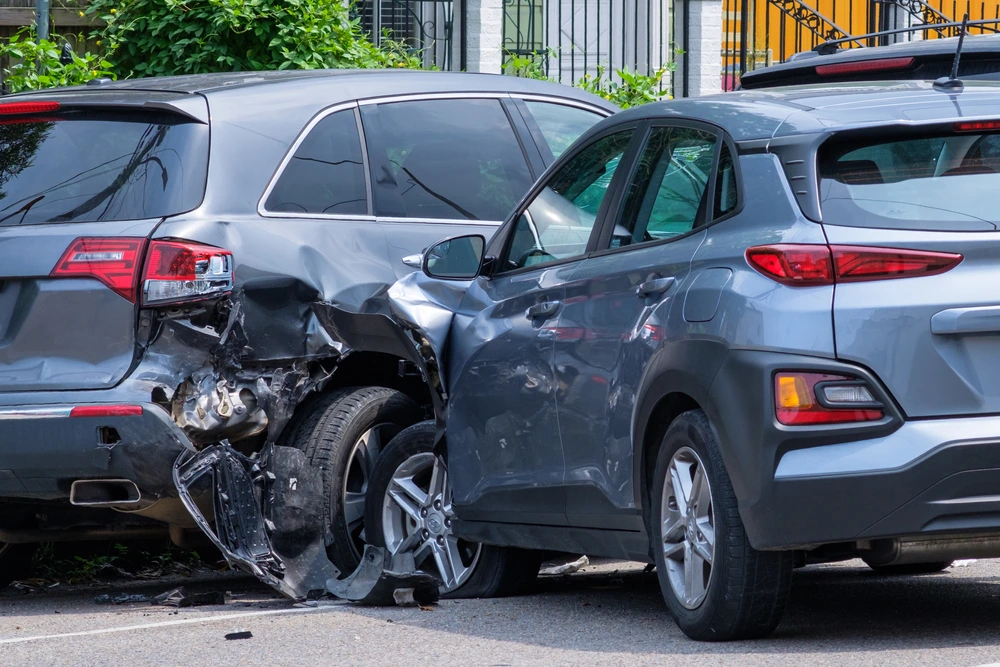
Working with Insurance Companies
Dealing with insurance companies after a distracted driving accident can be frustrating. Insurance adjusters often contact accident victims quickly, sometimes while they’re still in the hospital. These adjusters may seem friendly and helpful, but remember that they work for the insurance company, not for you. Their goal is to minimize the amount their company pays out.
Common insurance company tactics include offering quick, low settlements before you fully understand the extent of your injuries. They may ask you to give recorded statements, hoping you’ll say something they can use against you later. They might dispute the severity of your injuries or argue that your injuries existed before the accident.
Never accept a settlement offer without fully understanding your injuries and their long-term implications. Once you accept a settlement and sign a release, you typically cannot pursue additional compensation later, even if your injuries turn out to be more serious than initially thought.
Moving Forward After a Distracted Driving Accident
If you’ve been injured in a distracted driving accident in Virginia, taking the right steps early can significantly impact your ability to recover fair compensation. Seek medical attention immediately, even if you think your injuries are minor. Some injuries don’t manifest symptoms right away, and gaps in medical treatment can hurt your case.
Document everything related to the accident and your injuries. Take photos of the accident scene, your vehicle damage, and your injuries. Keep all medical records, bills, and receipts. Maintain a journal documenting your pain levels, limitations, and how the injuries affect your daily life.
Avoid posting about the accident or your injuries on social media. Insurance companies and defense attorneys regularly search social media for evidence to use against accident victims. A photo of you smiling at a family gathering might be used to argue that your injuries aren’t as severe as you claim, even if you were in significant pain when the photo was taken.
Consider consulting with an experienced personal injury attorney who understands Virginia’s unique laws and the challenges of distracted driving cases. Most personal injury attorneys work on a contingency fee basis, meaning you pay nothing unless they recover compensation for you.
The aftermath of a distracted driving accident can be overwhelming. Between managing your injuries, dealing with insurance companies, and worrying about mounting bills, the stress can feel unbearable. Understanding your legal rights and options provides a path forward. While no amount of money can undo the accident or fully compensate you for what you’ve been through, holding negligent drivers accountable serves both your interests and the broader goal of making Virginia’s roads safer for everyone.
Wrongful Death Lawsuit Attorney in Virginia: Your Guide to Justice and Compensation
Losing a loved one in a sudden accident is devastating. When that death is caused by someone else’s negligence, whether through a car crash, medical mistake, or unsafe workplace, the loss feels even harder to bear. Families in Virginia not only face emotional grief but also the financial realities of funeral costs, lost income, and a future forever changed. Virginia law allows certain family members to pursue a wrongful death lawsuit, seeking justice and financial recovery from the responsible party. But these cases are complex. Virginia has strict rules about who can file, what damages can be recovered, and how liability must be proven. Add in the state’s pure contributory negligence rule, which bars recovery if the deceased is even 1% at fault, and it becomes clear why skilled legal representation is essential.
This guide explains how wrongful death claims work in Virginia, what damages are available, how attorneys build cases, and why acting quickly is critical for families seeking closure and compensation.
Table of Contents
- Understanding Wrongful Death in Virginia
- Who Can File a Wrongful Death Lawsuit in Virginia?
- The Role of Contributory Negligence
- Damages Recoverable in a Wrongful Death Claim
- Statute of Limitations and Time-Sensitive Issues
- How Wrongful Death Settlements Are Valued
- How Attorneys Build a Strong Wrongful Death Case
- Special Considerations: Wrongful Death vs. Survival Actions
- Steps Families Should Take After a Wrongful Death
- Conclusion & Call to Action
Understanding Wrongful Death in Virginia
Under Va. Code § 8.01-50, wrongful death is defined as a death caused by the negligent, reckless, or intentional act of another, allowing surviving family members to seek compensation for their losses. Unlike personal injury claims, which focus on the victim’s pain and suffering, wrongful death claims prioritize the family’s financial and emotional damages, such as lost income or companionship. Common causes include motor vehicle accidents (43% of cases, per 2024 Virginia DMV data), medical malpractice (e.g., misdiagnosis or surgical errors), workplace accidents (e.g., falls or equipment failures), and defective products (e.g., faulty vehicle components). For instance, a 2025 Richmond case involving a fatal DUI crash settled for $1.2 million, driven by clear negligence. These claims are emotionally charged and legally intricate, as insurers leverage Virginia’s strict contributory negligence rule to deny payouts, often alleging minor fault by the deceased. This dynamic underscores the necessity of a seasoned attorney to navigate the legal landscape, counter insurer tactics, and secure fair compensation for grieving families.
Who Can File a Wrongful Death Lawsuit in Virginia?
Statutory Beneficiaries
Virginia law (Va. Code § 8.01-50) designates a hierarchy of beneficiaries eligible to file a wrongful death lawsuit. The surviving spouse and children, including adopted or stepchildren, have first priority. If none exist, parents of the deceased qualify, followed by siblings if they were financially dependent on the deceased. A 2024 Fairfax case awarded $2.3 million to a spouse and two minor children for a fatal truck collision. In cases with no statutory beneficiaries, damages may flow to the estate for distribution to heirs, though this is rare.
Role of the Personal Representative
The lawsuit is filed by a personal representative, typically the estate’s executor or an administrator appointed by the court. This individual acts on behalf of beneficiaries, ensuring compliance with Virginia’s legal requirements. In a 2025 Roanoke case, a diligent executor secured $1.7 million for a parent’s death by coordinating evidence collection. Disputes among beneficiaries, such as over damage allocation, can delay or reduce payouts, making the representative’s role critical.
Strategic Importance
Only eligible parties can claim damages, and procedural errors, like improper filing, can jeopardize cases. An experienced attorney clarifies beneficiary eligibility, streamlines the process, and resolves disputes, allowing families to focus on healing while pursuing justice in Virginia’s complex legal system.
The Role of Contributory Negligence
Virginia’s Unforgiving Rule
Virginia adheres to a pure contributory negligence rule, one of only five states with this standard, barring all recovery if the deceased was even 1% at fault. For example, a 2024 Norfolk case denied a $1.2 million claim when the deceased was found 5% responsible for a crash due to a minor signaling error. This harsh rule places a premium on proving the defendant’s sole liability.
Insurer and Defense Strategies
Insurers and defense attorneys aggressively exploit this rule, alleging the deceased’s negligence, speeding, jaywalking, or distracted behavior, to dismiss claims. In a 2025 Richmond case, a $2.5 million claim was challenged over alleged distracted walking, relying on grainy surveillance footage. These tactics aim to shift even minimal blame, nullifying substantial claims.
Attorney Countermeasures
Skilled wrongful death attorneys counter with robust evidence: accident reconstructionists analyze crash dynamics, dashcam footage refutes false claims, and expert testimony clarifies causation. A 2024 Fairfax case secured $2 million by using traffic camera evidence to disprove contributory negligence. Attorneys also leverage police reports and witness statements to build airtight liability cases. This meticulous approach is essential in Virginia, where a single percentage point of fault can erase a family’s financial lifeline, making expert legal representation indispensable for overcoming insurer defenses and securing deserved compensation.

Damages Recoverable in a Wrongful Death Claim
Economic Damages
Lost Income: Based on the deceased’s earnings, calculated over their expected working years. Virginia’s median income ($62,000/year) can yield $1 million-$2 million for a young breadwinner, as in a 2025 Roanoke case awarding $1.3 million for a 35-year-old’s lost wages.
Loss of Services: Household contributions, like childcare or home maintenance, valued at $50,000-$250,000, depending on family roles.
Funeral/Burial Expenses: Costs ($10,000-$25,000) are fully recoverable, ensuring no out-of-pocket burden.
Non-Economic Damages
Sorrow and Mental Anguish: Emotional distress, often $100,000-$600,000, is supported by family testimony about grief’s impact.
Loss of Companionship: Spousal or parental bonds, as in a 2024 Fairfax case awarding $1.8 million for a spouse’s loss, reflecting emotional devastation.
Medical Expenses
Costs tied to the fatal injury, such as ER visits or surgeries ($5,000-$100,000), are included. A 2025 Norfolk case added $50,000 for pre-death treatment.
Punitive Damages
Capped at $350,000 (Va. Code § 8.01-38.1), these apply for willful or reckless acts, like DUI or gross negligence. A 2025 Chesapeake DUI crash added $300,000 in punitives to a $2.2 million settlement.
Comprehensive documentation, pay stubs, medical bills, family impact statements, is critical to maximize damages, which often range from $500,000 to $5 million. Attorneys ensure all losses are accounted for, countering insurer attempts to undervalue claims in Virginia’s high-stakes legal environment.
Statute of Limitations and Time-Sensitive Issues
Virginia’s statute of limitations for wrongful death claims is two years from the date of death (Va. Code § 8.01-243), a firm deadline that, if missed, voids all claims, as seen in a 2024 Richmond case dismissed for late filing. Exceptions are limited, but claims against government entities require a six-month notice (§ 8.01-195.6), adding urgency. Evidence, such as black-box data from vehicles or medical records, is time-sensitive, data may be overwritten within 30 days, and witnesses’ memories fade. A 2025 Fairfax attorney’s prompt subpoenas secured $1.5 million by preserving crash data. Delays empower insurers to exploit contributory negligence defenses or claim evidence gaps, reducing payouts. Early attorney involvement ensures timely filings, preserves critical evidence, and strengthens cases, enabling families to focus on healing while meeting Virginia’s stringent deadlines.
How Wrongful Death Settlements Are Valued
Influencing Factors
Age of Deceased: Younger victims with longer earning potential yield higher awards. A 2024 Chesapeake case for a 28-year-old professional settled for $2.8 million, reflecting decades of lost income.
Income Level: High earners drive economic damages. A $120,000 earner’s death could add $2.5 million for lost wages over 20 years.
Dependents: Cases with young children or spouses increase non-economic damages, like companionship losses ($200,000-$600,000), due to profound emotional impact.
Jury Dynamics
Virginia juries are sympathetic to families, often awarding $1 million-$5 million for clear negligence, as in a 2025 Roanoke $3.2 million verdict for a fatal truck collision. Punitive damages, up to $350,000, apply for egregious acts like DUI.
Settlement vs. Trial
Settlements, resolving 90% of cases in 12-24 months, offer predictability but may be lower than trial awards. Trials, taking 18-36 months, risk contributory negligence but can yield higher verdicts, like a 2024 Fairfax $2.5 million award. A 2025 Norfolk settlement of $2.3 million avoided trial uncertainty.
How Attorneys Build a Strong Wrongful Death Case
Leveraging Expertise
Attorneys employ accident reconstructionists to analyze crash scenes, skid marks, or vehicle data, proving liability. A 2025 Fairfax case used reconstruction to secure $2.1 million for a highway collision. Medical experts validate fatal injuries, linking them to negligence, while vocational economists project lost earnings, $500,000-$2.5 million for young victims. A 2024 Roanoke case added $1.4 million using economic testimony.
Robust Record Collection
Police reports, medical files, and employer pay stubs substantiate economic damages. Family impact statements, detailing emotional loss, boost non-economic claims, adding $100,000-$600,000, as in a 2025 Norfolk $2.2 million settlement. Attorneys secure these promptly to prevent loss.
Witness Testimony
Eyewitnesses, coworkers, or first responders corroborate negligence, countering contributory defenses. A 2024 Chesapeake case used bystander testimony to disprove fault, yielding $1.9 million.
Negotiation and Trial Prep
Attorneys negotiate with insurers, rejecting lowball offers ($200,000 vs. $1.5 million claims). Trial preparation for Virginia’s bench trials, where judges prioritize evidence, pressures insurers, as in a 2024 Richmond $1.8 million pre-trial settlement. Specialized lawyers, working on contingency (33%), use these tools to build compelling cases, ensuring families receive maximum compensation without upfront costs in Virginia’s challenging legal landscape.

Special Considerations: Wrongful Death vs. Survival Actions
Distinct Legal Claims
Wrongful death claims (Va. Code § 8.01-50) compensate for family losses, lost income, companionship, and emotional anguish. Survival actions (§ 8.01-25) cover damages the deceased could have pursued if alive, such as pain and suffering before death or medical expenses. A 2024 Fairfax case combined both, yielding $2.3 million ($1.7 million wrongful death, $600,000 survival for pre-death pain).
Overlap and Strategy
When death follows prolonged suffering, survival actions add significant damages. Attorneys must file both claims to capture all losses, as missing survival actions can reduce payouts by 20-30%. A 2025 Roanoke case secured $300,000 for pre-death trauma alongside $1.5 million for family losses.
Legal Precision
Distinguishing these claims requires expertise to avoid procedural errors, especially under Virginia’s contributory negligence rule, which can nullify both if fault is assigned. Skilled attorneys ensure comprehensive filings, maximizing recovery for families navigating profound loss.
Steps Families Should Take After a Wrongful Death
Immediately secure the death certificate and police or medical reports to establish cause and liability, critical for proving negligence. Contact a wrongful death attorney within days to preserve time-sensitive evidence, like black-box data or surveillance footage, which may vanish within 30 days. Avoid direct insurer discussions, as statements can trigger contributory negligence denials, as seen in a 2024 Norfolk case where a family’s comment cost a $1.2 million claim. Acknowledge the emotional toll; grief counseling supports the legal process while families navigate sorrow. Early action, as in a 2025 Roanoke $1.7 million settlement, ensures evidence integrity, counters insurer tactics, and expedites financial relief, helping families rebuild after tragedy.
Conclusion & Call to Action
Wrongful death lawsuits in Virginia are a lifeline for families facing profound loss, with settlements from $500,000 to $5 million addressing lost income, companionship, and emotional pain. Virginia’s pure contributory negligence rule and tight two-year statute of limitations create a high-stakes legal battlefield, where insurers exploit every misstep to deny claims. From securing black-box data to leveraging expert testimony, a skilled attorney transforms grief into justice, countering defenses and maximizing recovery. Families should not face corporate insurers or defense teams alone. If you’ve lost a loved one due to negligence in Virginia, speak with an experienced lawsuit attorney today. Justice and financial security for your family depend on it.
Motorcycle Accident Insurance Claims in Virginia: A Complete Guide for Riders
Riding a motorcycle in Virginia offers freedom on scenic roads like the Blue Ridge Parkway or coastal highways. But it also comes with risks; motorcyclists are far more vulnerable in crashes than car drivers. When an accident happens, insurance becomes the lifeline for covering medical costs, lost wages, and bike repairs.
Virginia’s insurance system, however, has unique twists. The state follows a pure contributory negligence rule, meaning if you’re even 1% at fault, your claim can be denied entirely. Add in disputes over uninsured/underinsured motorist (UM/UIM) coverage, medical payments, and fault-based liability, and many riders find themselves overwhelmed.
This blog breaks down how motorcycle accident insurance claims work in Virginia, what types of coverage apply, common pitfalls that reduce payouts, and why working with a lawyer often makes the difference between a denied claim and a fair settlement.

Table of Contents
- The Rider’s Reality in Virginia
- Virginia’s Insurance System Explained for Motorcyclists
- Coverage Options That Protect Riders
- How a Motorcycle Claim Actually Plays Out
- Hidden Challenges Riders Face With Insurers
- Claim Value: What Really Determines Payouts
- Case Study Approach: Three Common Virginia Motorcycle Claim Scenarios
- How Lawyers Strengthen Motorcycle Claims
- Proactive Steps Every Rider Should Take Before and After a Crash
- Frequently Asked Questions
- Conclusion & Call to Action
The Rider’s Reality in Virginia
Motorcycles account for 2% of Virginia’s registered vehicles but 10% of traffic fatalities, with 82 deaths in 2024 per DMV data. Riders are exposed: no airbags, seatbelts, or steel frames shield them from impacts. Crashes often result in severe injuries, fractures, TBIs, or road rash, driving medical costs past $100,000. Financially, lost wages cripple riders, while emotionally, PTSD affects 25% of survivors, per federal studies. Filing insurance claims adds stress, as insurers often view riders as reckless, leveraging Virginia’s contributory negligence rule to deny payouts. Juries, too, may harbor bias, assuming riders invite danger. A 2024 Norfolk claim was slashed from $200,000 to $50,000 over perceived speeding. These realities, physical vulnerability, financial strain, and unfair perceptions, make expert legal guidance critical to secure just compensation.
Virginia’s Insurance System Explained for Motorcyclists
The Uninsured Motor Vehicle Fee
Virginia’s unique system allows riders to pay a $500 Uninsured Motor Vehicle (UMV) fee instead of carrying insurance, but this offers no liability or injury protection, leaving riders vulnerable in crashes. Most opt for insurance to mitigate risks.
Mandatory Minimums
Virginia requires motorcyclists to carry $25,000 per person/$50,000 per accident for bodily injury and $20,000 for property damage (Code § 46.2-472). These minimums often fall short for severe crashes.
Insured, Uninsured, Underinsured
“Insured” riders have active policies; “uninsured” riders (or those with the UMV fee) rely on personal funds or the at-fault party’s insurance. “Underinsured” drivers have coverage insufficient for damages. Uninsured/underinsured motorist (UM/UIM) coverage is critical, covering losses when the at-fault party lacks adequate insurance. A 2025 Richmond case used UM/UIM to secure $300,000 when the at-fault driver was uninsured.
Why It Matters
These distinctions shape claims: inadequate coverage limits recovery, while UM/UIM bridges gaps. Contributory negligence can nullify claims, making robust coverage and legal strategy essential to maximize payouts.
Coverage Options That Protect Riders
Core Coverage Essentials
Liability: Covers damages you cause others ($25,000/$50,000 minimum). Essential for at-fault crashes.
Medical Payments (MedPay): Pays medical bills ($1,000-$10,000), regardless of fault. Vital for immediate costs.
UM/UIM: Covers injuries/property damage from uninsured or underinsured drivers. A 2024 Fairfax claim used UM/UIM for $250,000 in a hit-and-run.
Rider-Specific Needs
Custom Equipment: Aftermarket parts (exhausts, seats) need explicit coverage, or insurers deny claims. Listing $5,000 in upgrades can add $10,000 to settlements.
Helmets/Gear: Protective gear ($500-$2,000) is often excluded unless specified.
Medical Transport: Airlifts ($20,000+) require MedPay or supplemental coverage.
Smart Add-Ons
Roadside Assistance: Covers towing ($100-$500 per incident).
Gap Insurance: Pays the difference between loan balances and bike value for totaled motorcycles.
Passenger Coverage: Extends MedPay/UM to passengers, critical for two-up riders.
Coverage Gaps
Failing to list custom parts or skipping UM/UIM leads to disputes. A 2025 Roanoke rider lost $15,000 in gear claims due to unspecified upgrades. Comprehensive policies prevent underpayment, but riders must review annually to avoid gaps.
How a Motorcycle Claim Actually Plays Out
Immediate Action at the Scene
Post-crash, ensure safety, call 911, and document the scene: photos of damage, road conditions, and injuries. Exchange insurance details but avoid admitting fault. Seek medical evaluation to catch latent injuries like concussions.
Police Reporting
Virginia requires police reports for crashes with over $1,500 in damage or injuries (§ 46.2-894). Accurate fault notation is critical, insurers rely on it. A 2024 Chesapeake report clarified liability, speeding a $150,000 settlement.
Filing the Claim
Submit claims to the at-fault driver’s insurer or your UM/UIM carrier, including police reports, medical bills, repair estimates, and gear losses. Insurers request detailed documentation, often delaying to test resolve.
Adjuster Review and Offer
Adjusters investigate fault and damages, using tools like CCC One for bike valuations. Initial offers, often low ($20,000 for a $100,000 claim), come within 2-4 weeks. Negotiations extend 1-3 months, with funds disbursed 7-14 days post-agreement.
Why Longer Than Car Claims?
Motorcycle claims take 6-18 months versus 2-6 weeks for car crashes due to severe injuries requiring medical stabilization, bias disputes, and complex liability (e.g., black-box data for trucks). Legal intervention streamlines timelines.

Hidden Challenges Riders Face With Insurers
Contributory Negligence Weaponized
Virginia’s pure contributory negligence rule, barring recovery for 1% fault, is a weapon. Insurers allege speeding or lane-splitting, as in a 2024 Fairfax case where a $200,000 claim was denied over alleged recklessness.
Reckless Stereotype
Insurers exploit biases, painting riders as thrill-seekers. Juries may echo this, reducing awards. A 2025 Norfolk rider’s $300,000 claim dropped to $75,000 due to perceived risk-taking.
Lowballing Long-Term Injuries
Insurers undervalue chronic injuries like whiplash ($10,000-$50,000), fractures ($50,000-$100,000), or TBIs ($500,000+), offering premature settlements before full costs emerge.
Custom Parts & Gear Denials
Unlisted custom parts or gear (helmets, jackets) are often excluded. A 2024 Roanoke claim lost $10,000 for unspecified upgrades.
Hit-and-Run and UM/UIM Confusion
Hit-and-run claims rely on UM/UIM, but insurers dispute coverage scope or passenger eligibility, delaying payouts. Legal expertise counters these tactics, ensuring fair compensation.
Claim Value: What Really Determines Payouts
Payouts hinge on injury severity, costs, and evidence. Minor injuries (whiplash) yield $50,000-$100,000, covering ER visits ($5,000-$10,000) and short-term wages. Severe injuries (TBIs, paralysis) exceed $500,000, with lifelong care costing $1 million+. Lost wages, based on Virginia’s $62,000 median income, add $100,000-$500,000 for disabilities. Pain and suffering, using 1.5-5x medical cost multipliers, can add $50,000-$250,000 for a $50,000 medical claim. Motorcycle repair/replacement ($5,000-$20,000) and gear ($500-$2,000) factor in, but require appraisals.
Minor Crash: Rear-end collision, sprain, $8,000 bike repair. Settlement: $75,000.
Severe Crash: T-bone, TBI, $15,000 bike loss. Settlement: $800,000.
Hit-and-Run: UM/UIM claim, fractures. Settlement: $200,000.
Strong liability evidence (witnesses, dashcams) and medical documentation drive higher payouts, especially under Virginia’s contributory negligence rule.
Case Study Approach: Three Common Virginia Motorcycle Claim Scenarios
Scenario 1: Uninsured Driver Collision
A 2024 Richmond rider, hit by an uninsured driver, suffered fractures ($50,000 medical). UM/UIM coverage applied, yielding $150,000 after proving the driver’s sole fault via witnesses. Without UM, recovery would have been $0.
Scenario 2: Partial Fault Allegation
In a 2025 Roanoke T-bone crash, the rider (TBI, $200,000 medical) was accused of speeding. Insurers offered $50,000, citing contributory negligence. A lawyer’s reconstruction disproved fault, securing $900,000, including lost wages and pain.
Scenario 3: Hit-and-Run with UM/UIM
A 2024 Fairfax hit-and-run left a rider with a concussion ($30,000 medical). UM/UIM covered $120,000, but the insurer disputed gear ($2,000). Legal intervention added gear costs, totaling $150,000.
These cases show how coverage, fault disputes, and legal advocacy shape outcomes, with UM/UIM critical for uninsured or hit-and-run scenarios.
How Lawyers Strengthen Motorcycle Claims
Lawyers counter insurer tactics with expertise. Independent accident reconstruction, using skid marks or dashcam footage, disproves contributory negligence, as in a 2025 Norfolk $400,000 settlement. Medical and vocational experts validate injuries and lost earnings, adding $100,000-$500,000 for disabilities. Negotiating UM/UIM disputes ensures coverage applies, like a 2024 Chesapeake case raising a $100,000 offer to $250,000. Lawyers project long-term costs, rehab ($50,000/year), surgeries ($100,000), preventing lowball settlements. Trial preparation, tailored for Virginia’s bench trials, pressures insurers, as in a 2025 Richmond $600,000 pre-trial settlement. Experienced attorneys overcome rider bias, ensuring all damages, including gear, are compensated, often boosting payouts 30-50% on contingency fees (33%).
Proactive Steps Every Rider Should Take Before and After a Crash
Pre-Accident Prep
Review policies annually, adding UM/UIM ($100-$200/year) and listing custom parts ($5,000-$10,000). Ensure MedPay covers medical transport and passenger injuries.
Post-Accident Action
Seek immediate medical evaluation to document injuries. File a police report (§ 46.2-894) and photograph the scene, bike, and gear. Avoid recorded insurer statements, which can trigger contributory negligence denials. Contact a lawyer early to preserve evidence like witness testimony. A 2024 Fairfax rider’s prompt documentation secured $200,000. Timing is critical, delays risk lost evidence and reduced payouts.

Frequently Asked Questions
Do I need motorcycle insurance in Virginia if I paid the UMV fee?
The $500 UMV fee avoids insurance but offers no protection. Claims rely on the at-fault party’s coverage or personal funds, risking $0 recovery.
How does contributory negligence affect my claim?
If you’re 1% at fault (e.g., speeding), Virginia bars all recovery. Robust evidence, dashcams, witnesses, counters this.
Does UM/UIM cover passengers on my bike?
Yes, if explicitly included. Confirm passenger coverage to avoid disputes, as in a 2024 Norfolk case adding $50,000 for a passenger.
Can I claim for damaged helmets, jackets, or custom parts?
Yes, but only if listed in your policy. Unlisted gear led to a $10,000 loss in a 2025 Roanoke claim.
How long does a motorcycle insurance claim take?
Minor claims settle in 6-12 months; severe injury claims take 12-18 months, awaiting medical stabilization. Litigation extends to 24 months.
What if the other driver fled the scene?
UM/UIM covers hit-and-runs, but prompt police reports and evidence are key, as in a 2024 Fairfax $150,000 claim.
Will my premiums go up if I use UM/UIM?
Typically no, as UM/UIM claims don’t count as at-fault, but confirm with your insurer.
Conclusion & Call to Action
Motorcycle accidents in Virginia are high-stakes, with severe injuries and insurer biases complicating claims. Virginia’s contributory negligence rule and complex insurance system, UM/UIM, MedPay, custom gear coverage, demand strategic navigation. From documenting crashes to countering lowball offers, every step shapes your recovery. Don’t let insurers exploit stereotypes or minimize your losses. If you’ve been injured in a motorcycle accident in Virginia, don’t let insurers write the story. Speak with an experienced motorcycle accident lawyer to protect your rights and secure the full value of your claim.