
Commercial Truck Accident Attorney in Virginia: Your Complete Guide to Legal Rights and Settlements

Table of Contents
- Why Commercial Truck Accidents Demand Special Attention
- The Stakes: What Victims Really Face
- Who Can Be Held Liable in a Commercial Truck Accident?
- Virginia’s Tough Legal Landscape
- How Insurance Really Works in Commercial Truck Cases
- What Makes Settlements So Variable?
- How Attorneys Build Strong Cases Against Trucking Companies
- Wrongful Death and Commercial Trucks
- Practical Advice for Victims and Families
- Frequently Asked Questions
- Conclusion & Call to Action
Why Commercial Truck Accidents Demand Special Attention
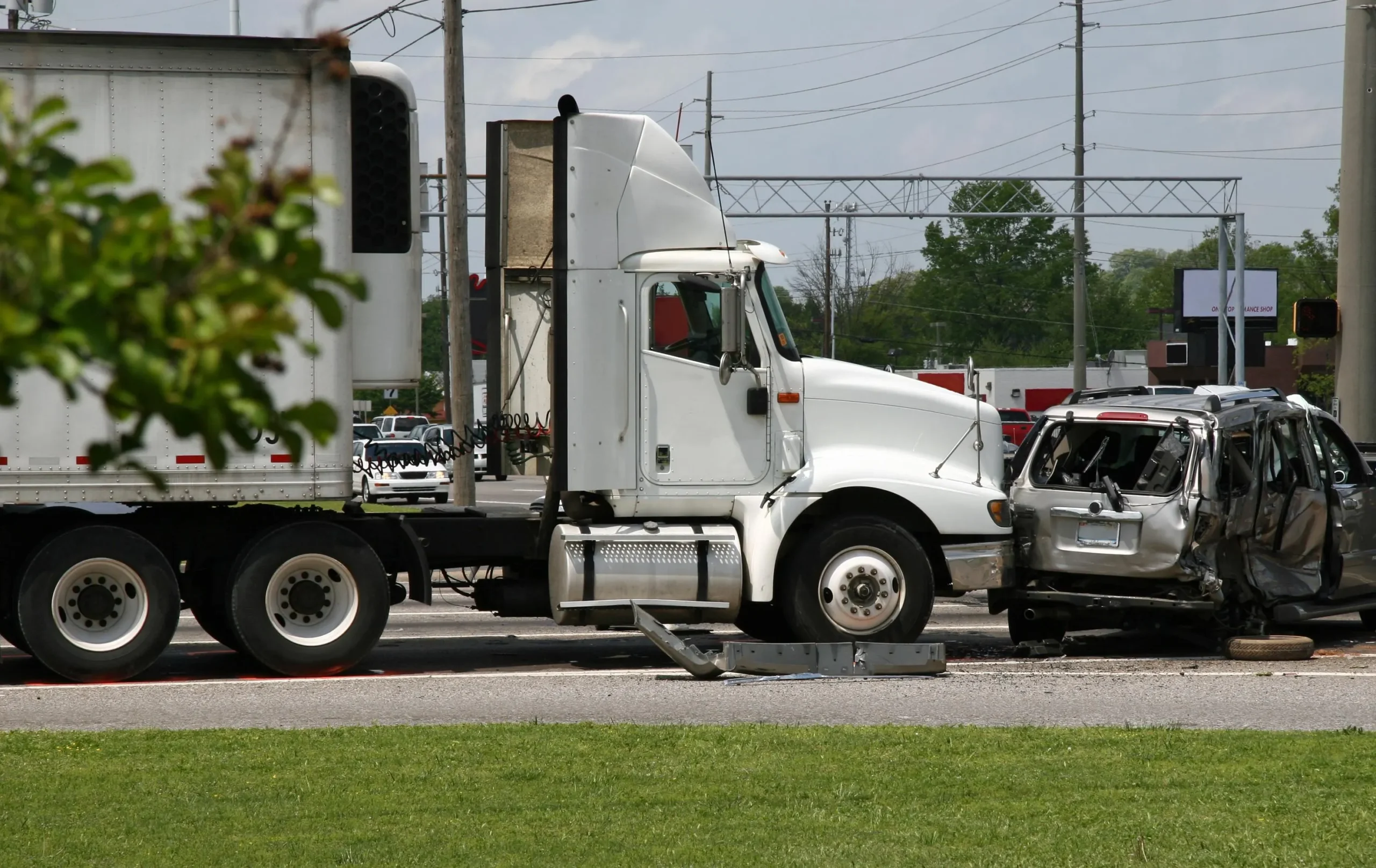
Commercial trucks, encompassing delivery vans, dump trucks, and fleet vehicles like FedEx or Amazon rigs, differ from 18-wheelers in scope but not in danger. Weighing 10,000 to 80,000 pounds, they dwarf cars, requiring longer stopping distances (up to 600 feet at 60 mph). Virginia’s roads amplify risks: urban congestion in Richmond and Norfolk clogs traffic, while interstates like I-81 and I-95 see high-speed collisions. Per DMV data, 55% of crashes stem from driver error (fatigue, distraction), 30% from mechanical failures (brakes, tires).
These accidents are legally complex due to multiple liable parties, drivers, companies, manufacturers, and federal regulations like FMCSA’s hours-of-service rules. Financially, settlements soar higher than car crashes ($10,000-$50,000) because of severe injuries, like TBIs, and commercial policies with $750,000-$5 million limits. A 2024 Norfolk delivery van crash settled for $300,000, triple a similar car accident, due to corporate liability. These cases demand specialized attorneys to unravel regulatory and corporate defenses, ensuring victims secure deserved compensation.
The Stakes: What Victims Really Face
Beyond the Hospital Room
Commercial truck accidents inflict profound losses. Medical bills for fractures or spinal injuries can hit $500,000, while rehabilitation stretches years. Lost earning potential devastates families, especially for young victims facing permanent disability, Virginia’s median income ($62,000/year) compounds losses over decades. Family stress escalates as caregivers juggle work and recovery support.
Emotional Scars Run Deep
Emotional trauma, like PTSD (affecting 30% of survivors), lingers long after physical healing. Victims report anxiety from driving or flashbacks to the crash’s chaos. A 2025 Roanoke case saw a victim awarded $200,000 for emotional distress atop medical costs.
Car Crashes Pale in Comparison
Unlike car accidents, commercial truck cases involve higher damages and corporate defendants. A 2024 Richmond car crash settled for $25,000 for whiplash, while a similar truck crash yielded $400,000 due to a TBI and company negligence. The stakes, medical, financial, emotional, demand aggressive legal advocacy to secure life-changing compensation.
Who Can Be Held Liable in a Commercial Truck Accident?
Liability in commercial truck accidents extends beyond the driver, amplifying settlement potential. Trucking companies face scrutiny for negligent hiring, inadequate training, or pushing drivers beyond FMCSA’s 11-hour driving limit. A 2024 Chesapeake case pinned $500,000 on a company for skipping background checks. Contractors and fleet operators, like those managing delivery vans, share liability for lax oversight. Cargo loaders can be culpable for unsecured loads, as in a 2025 Fairfax crash where shifting cargo caused a $700,000 settlement. Vehicle or parts manufacturers face claims for defective brakes or tires, 30% of crashes involve equipment failure, per DMV data. Identifying all parties is critical: a 2024 Richmond multi-defendant case split $1.8 million among a driver, company, and manufacturer. Comprehensive liability probes, using ELDs and maintenance logs, maximize recovery, as missing a defendant can slash settlements by 50% or more in Virginia’s high-stakes legal arena.
Virginia’s Tough Legal Landscape
The Contributory Negligence Trap
Virginia’s pure contributory negligence rule is a brutal hurdle: even 1% victim fault, like a late signal, bars all recovery. A 2024 Fairfax case nullified a $250,000 claim over a minor lane-change error. This rule, shared by only four states, demands airtight liability proof.
Time Is Ticking
The two-year statute of limitations for personal injury and wrongful death (§ 8.01-243) sets a firm deadline. Missing it forfeits claims, no matter the damages.
Virginia vs. Neighbors
Unlike Maryland’s no-fault system, which covers initial damages regardless of blame, or North Carolina’s modified comparative negligence, allowing partial recovery, Virginia’s all-or-nothing approach heightens stakes. This contrasts with regional leniency, making legal missteps costlier.
Federal Overlay
FMCSA regulations, mandating ELDs, annual inspections, and 10-hour rest periods, overlay Virginia’s laws (weight limits, accident reports for $1,500+ damages; Code § 46.2-894). Violations, like falsified logs, trigger negligence per se, as in a 2025 Norfolk $600,000 settlement. Navigating this dual framework requires expertise to avoid pitfalls and leverage regulations for maximum compensation.
How Insurance Really Works in Commercial Truck Cases
Robust Coverage, Aggressive Defenses
FMCSA mandates $750,000-$5 million liability coverage for commercial trucks, far exceeding Virginia’s $25,000 car minimum. Fleet operators often carry excess policies, enabling multimillion-dollar payouts. However, insurers deploy tactics like lowball offers ($50,000 for a $400,000 claim) or delaying investigations to pressure victims. A 2025 Alexandria case saw a six-month stall until ELD evidence forced a $650,000 offer.
Blame-Shifting and Evidence Contr
Insurers exploit Virginia’s contributory negligence rule, alleging victim fault to deny claims. They may control evidence, like black-box data, if not promptly secured. Quick settlements aim to undercut damages before full medical costs emerge.
Lawyer as Equalizer
Attorneys uncover hidden coverage, umbrella policies or corporate assets, and counter insurer tactics. In a 2024 Richmond case, a lawyer’s policy probe raised a settlement from $200,000 to $1.2 million by tapping excess coverage. Legal expertise ensures victims aren’t shortchanged by corporate defenses.
What Makes Settlements So Variable?
Injury Severity and Long-Term Impact
Settlement values hinge on injury extent: short-term fractures ($50,000-$100,000) versus catastrophic TBIs requiring lifelong care ($1 million+). Permanent disabilities amplify claims, especially for high earners.
Victim’s Employment Background
A young professional’s lost earning capacity, calculated from Virginia’s $62,000 median income, can add $500,000-$2 million. A 2025 Roanoke teacher’s claim included $800,000 for career loss.
Multiple Defendants
Cases with multiple liable parties (driver, company, manufacturer) yield higher payouts. A 2024 Richmond multi-defendant crash split $1.5 million, versus $200,000 for a single-driver case.
Scenario Examples
Minor Injury: A delivery van rear-ends a car, causing whiplash. Settlement: $150,000 (medical, short-term wages).
Severe Injury: A dump truck T-bones a sedan, causing a TBI. Settlement: $900,000 (surgeries, lost career).
Wrongful Death: A fleet vehicle causes a fatal pileup. Settlement: $3.2 million (funeral, lost income, companionship).
Liability proof (ELDs, black-box data) and damages evidence drive variability, demanding meticulous case-building.
How Attorneys Build Strong Cases Against Trucking Companies
Forensic Precision at the Scene
Attorneys deploy accident reconstructionists to analyze skid marks, crash angles, and scene photos, pinpointing fault. A 2025 Fairfax case used reconstruction to prove a $700,000 brake-failure claim.
Unlocking Black-Box Secrets
Black-box (ECM) data reveals speed, braking, and driver actions. Subpoenaing this data, as in a 2024 Norfolk $600,000 settlement, exposed speeding, shifting liability.
Digging into Logs and Records
Subpoenaed driver logs and maintenance records uncover FMCSA violations, like a 2025 Roanoke case where falsified logs yielded $850,000. Maintenance lapses (30% of crashes) are goldmines for negligence claims.
Expert Witnesses as Pillars
Medical experts validate injuries, vocational experts quantify lost earnings, and economists project future costs. A 2024 Richmond TBI case used experts to secure $1.3 million, including $500,000 for future care.
Trial-Ready Leverage
Preparing for Virginia’s bench trials, where judges favor evidence, pressures insurers to settle. A 2025 Alexandria case settled pre-trial for $1 million after trial prep exposed company negligence. Specialized attorneys ensure robust cases, maximizing settlements without upfront costs.
Wrongful Death and Commercial Trucks
Wrongful death claims in commercial truck accidents cover funeral costs ($10,000-$20,000), lost financial support (based on decedent’s earnings), and companionship losses ($100,000-$500,000). Virginia courts view corporate negligence harshly, as in a 2025 Fairfax fatal crash yielding $3.5 million for a breadwinner’s death due to an overloaded truck. Settlements often reach $1 million-$5 million+, driven by egregious violations like impaired driving (BAC limit: 0.04%). Expert testimony quantifies emotional and financial impacts, making legal representation vital to secure comprehensive recovery for grieving families.
Practical Advice for Victims and Families
Act Swiftly, Document Thoroughly
Seek medical care immediately to document injuries, even minor ones like concussions. Report the accident to police (§ 46.2-894) and collect photos, witness contacts, and medical bills. A 2024 Chesapeake victim’s photos boosted a $300,000 settlement.
Avoid Costly Mistakes
Don’t speak to insurers without a lawyer, statements can trigger contributory negligence denials. Avoid social media posts about the crash, as insurers monitor them. Delaying legal help risks evidence loss, like black-box data overwritten within 30 days.
Timing Is Critical
Preserve ELDs and maintenance records promptly, as companies may destroy them. Early attorney involvement ensures evidence security and strengthens claims, expediting fair compensation.
Frequently Asked Questions
Do different rules apply to delivery trucks vs. semis?
FMCSA regulations apply to all commercial trucks over 10,000 pounds, but delivery vans may involve local fleet policies, complicating liability.
What if the truck was owned by a government agency?
Government-owned trucks face sovereign immunity, limiting claims unless negligence is clear. Legal expertise is crucial to navigate exceptions.
Can I sue both the driver and the company?
Yes, drivers and companies (for negligent hiring or maintenance) are often co-defendants, increasing settlement potential, as in a 2024 Richmond $1.5 million case.
What happens if the driver was an independent contractor?
Contractors complicate liability, but companies may still be liable for oversight failures. Attorneys uncover these relationships to maximize recovery.
How long does a commercial truck case usually take?
Non-injury cases settle in 6-12 months; injury cases take 12-24 months, awaiting medical stabilization. Litigation extends to 18-36 months.
Will my case settle or go to trial?
Most (90%) settle pre-trial; high-value cases ($1 million+) may go to trial for larger verdicts, as in a 2025 Roanoke $2.8 million award.
Conclusion & Call to Action
Commercial truck accidents in Virginia are high-stakes battles, with settlements reflecting severe injuries and complex liability. Virginia’s contributory negligence rule and FMCSA regulations demand precision to secure recovery for medical, financial, and emotional losses. From black-box data to expert testimony, every detail shapes your outcome. Don’t face corporate insurers and trucking companies alone, an experienced attorney can amplify your claim.
If you or a loved one was injured in a commercial truck accident in Virginia, contact an experienced attorney today for a free consultation.
18-Wheeler Truck Accident Injury Lawyer in Virginia: Your Guide to Justice and Maximum Compensation
An accident with an 18-wheeler is never minor. These massive trucks can weigh up to 80,000 pounds, and when they collide with passenger vehicles, the results are often devastating: severe injuries, lifelong disabilities, or even wrongful death. Victims and families are left facing crushing medical bills, weeks or months of lost income, and an uphill battle with trucking companies and their insurers.
In Virginia, recovering compensation after an 18-wheeler crash is uniquely complex. The state’s contributory negligence rule can bar recovery if you’re found even 1% at fault. Trucking companies are backed by powerful insurers and teams of attorneys whose goal is to minimize payouts. That’s why having an experienced 18-wheeler truck accident injury lawyer in Virginia is not just helpful , it’s essential.
This guide breaks down what makes 18-wheeler cases different, the average settlement ranges, how liability is proven, and why hiring a skilled lawyer can dramatically increase your chances of securing full and fair compensation.
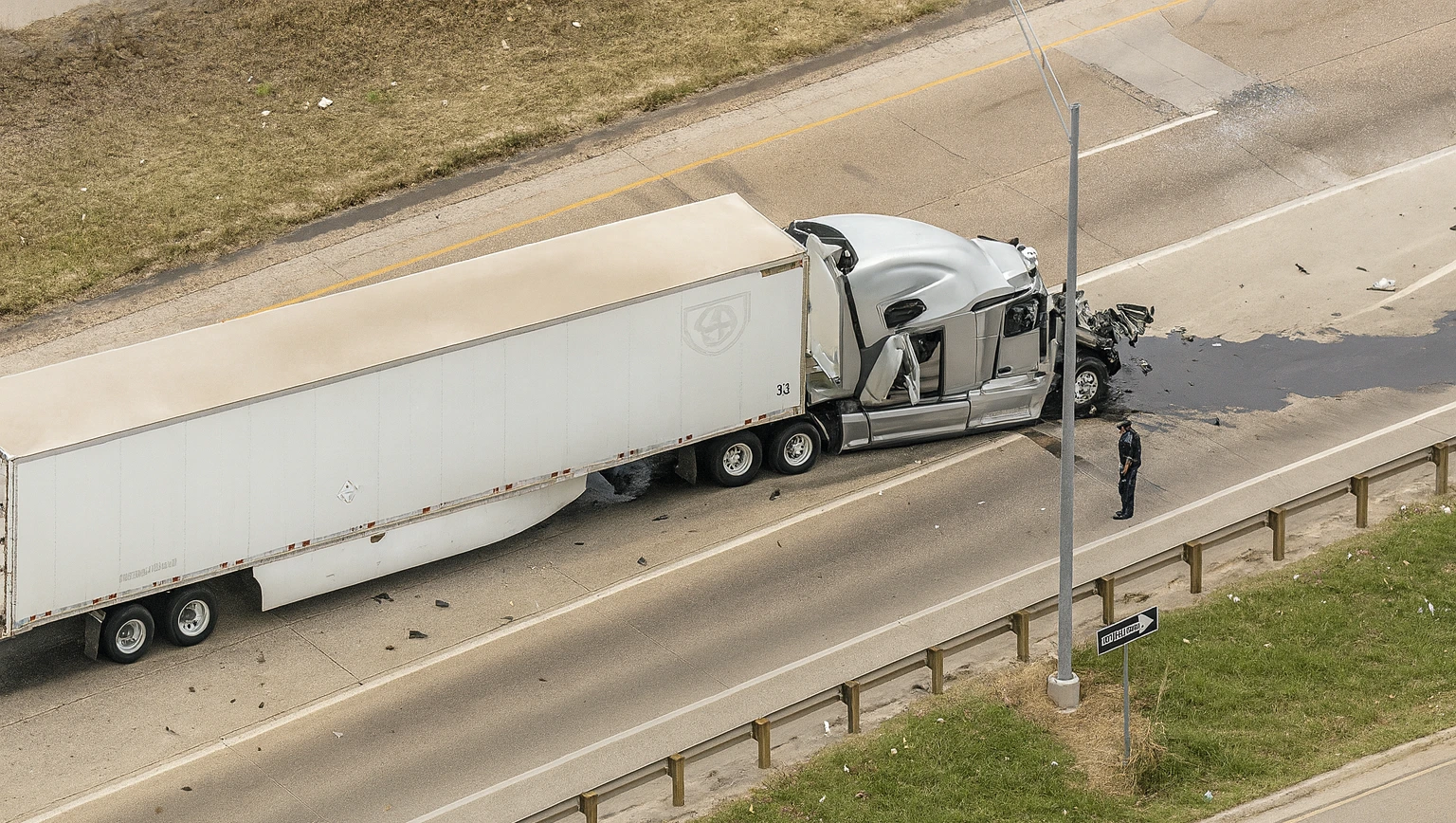
Table of Contents
- Why 18-Wheeler Accidents Are Different From Car Accidents
- Virginia Law and Liability in Truck Accidents
- Common Injuries in 18-Wheeler Accidents
- Average Settlement Ranges for 18-Wheeler Accidents in Virginia
- Factors That Influence Settlement Value
- How the Settlement Process Works
- Why an 18-Wheeler Truck Accident Injury Lawyer Matters
- Wrongful Death in 18-Wheeler Cases
- Practical Steps for Victims and Families After an Accident
- Frequently Asked Questions
- Conclusion & Call to Action
Why 18-Wheeler Accidents Are Different From Car Accidents
18-wheeler accidents dwarf passenger car collisions in scale and consequence due to their massive size, up to 80,000 pounds versus a car’s 4,000. This weight disparity, combined with longer stopping distances (up to 600 feet at highway speeds), amplifies destruction. Common causes include driver fatigue from violating hours-of-service rules, speeding, unsecured cargo shifting balance, and mechanical failures like brake malfunctions, which account for 30% of crashes per Virginia DMV data. Driver errors, such as distracted driving, contribute to 55% of incidents.
Injuries are far graver than in car accidents: traumatic brain injuries (TBIs), spinal cord damage, or fatalities are common, compared to sprains in typical crashes. Medical costs can soar past $500,000, with emotional trauma like PTSD affecting 30% of survivors. Settlements and jury awards are higher, often $100,000-$5 million, due to severe damages, commercial insurance policies with $750,000-$5 million limits, and potential corporate liability from trucking firms or manufacturers. These factors make 18-wheeler cases uniquely high-stakes, requiring specialized legal navigation to secure justice.
Virginia Law and Liability in Truck Accidents
Virginia’s legal framework for 18-wheeler accidents is stringent, blending state and federal regulations. The state’s pure contributory negligence rule bars recovery if the victim is even 1% at fault, a standard shared by only four states. For example, a 2024 Fairfax case denied a $200,000 claim due to a minor signaling error. Federal Motor Carrier Safety Administration (FMCSA) regulations mandate 11-hour driving limits, electronic logging devices (ELDs), and annual inspections. Virginia reinforces these with weight restrictions (20,000 pounds per axle) and mandatory accident reporting for damages over $1,500 or injuries (Code § 46.2-894). The statute of limitations for personal injury and wrongful death is two years (§ 8.01-243), creating a tight filing window. FMCSA violations, like falsified logs, can establish negligence per se, strengthening claims. However, proving sole liability in Virginia’s unforgiving system requires robust evidence, black-box data, maintenance logs, or witness testimony, making legal expertise essential to avoid claim derailment.
Common Injuries in 18-Wheeler Accidents
18-wheeler accidents inflict devastating injuries due to the vehicles’ size and force. Traumatic brain injuries (TBIs), ranging from concussions to severe cognitive impairment, affect 20% of victims, costing $100,000-$1 million in treatment. Spinal cord injuries, often leading to partial or full paralysis, require lifelong care, with first-year costs averaging $1.2 million. Broken bones, such as compound fractures, and internal organ damage, like ruptured spleens, demand surgeries ($50,000-$200,000) and extended recovery. Wrongful death cases, tragically common in underride collisions, leave families grappling with loss. Long-term rehabilitation, physical therapy, neurological care, or psychological support for PTSD, can span years, adding $200,000-$500,000 to claims. A 2025 Roanoke case involving a TBI settled for $800,000, reflecting these costs. These injuries necessitate comprehensive medical documentation to secure settlements that cover both immediate and future needs, underscoring the importance of legal advocacy.
Average Settlement Ranges for 18-Wheeler Accidents in Virginia
No fixed “average” settlement exists for 18-wheeler accidents due to case-specific variables, but ranges offer insight. Moderate injuries, like fractures or whiplash, typically settle for $100,000-$250,000, covering medical bills and short-term wage loss. Severe injuries, such as TBIs or spinal damage, range from $500,000-$1 million+, factoring in surgeries and lost earning capacity. Wrongful death or catastrophic cases often exceed $1 million, with some reaching $5 million+, driven by lifelong care or loss of companionship.
A 2024 Norfolk case settled for $600,000 after ELD data proved driver fatigue, while a 2025 Fairfax wrongful death suit yielded $3.5 million for a multi-vehicle crash. Nationally, a 2023 California case hit $7 million for a fatal pileup, mirroring Virginia’s trends. Key drivers include liability proof (black-box data, maintenance records), insurance coverage ($750,000-$5 million), and damages evidence. Virginia’s contributory negligence rule demands airtight liability to avoid nullified claims, making robust documentation critical for maximizing settlement value.
Factors That Influence Settlement Value
Settlement values for 18-wheeler accidents hinge on multiple factors, each shaping the final payout.
Medical Expenses and Future Care Costs
Injuries drive costs: ER visits ($5,000-$10,000), surgeries like spinal fusion ($100,000-$250,000), and lifelong care for paralysis ($1 million+). Future care, projected by medical experts, can double settlements, especially for TBIs requiring ongoing therapy.
Lost Income and Reduced Earning Capacity
Victims often face months or permanent disability, with lost wages based on Virginia’s $62,000 median income. Permanent disability claims, verified by vocational experts, add $500,000-$2 million for younger victims, reflecting career loss.
Pain, Suffering, and Emotional Trauma
Non-economic damages, like PTSD or loss of enjoyment, use multipliers (1.5-5x medical costs) or per diem ($200/day). A $50,000 medical bill could yield $75,000-$250,000 in pain and suffering, depending on trauma severity.
Property Damage and Vehicle Replacement
Totaled vehicles cost $25,000-$40,000 to replace, with diminished value adding $1,000-$5,000 for repairable cars. Detailed appraisals ensure full recovery.
Strength of Liability Evidence
Black-box data, ELDs, or maintenance records proving negligence, like a 2025 Roanoke case ($700,000 for brake failure), strengthen claims. Weak evidence risks contributory negligence denials.
Number of Defendants
Liability may span drivers, trucking companies, manufacturers, or cargo loaders. A 2024 Richmond case split $1.5 million among a driver and manufacturer, maximizing recovery.
Insurance Policy Limits
Commercial policies ($750,000-$5 million) enable larger payouts than car policies ($25,000). Excess policies or corporate assets boost high-value claims, but underinsured drivers cap recovery.
Insurance Company and Trucking Company Tactics
FMCSA mandates $750,000-$5 million liability coverage for 18-wheelers, but insurers use tactics to minimize payouts: quick lowball offers ($50,000 on a $300,000 claim), delaying investigations, or denying injury severity. Trucking companies, facing corporate liability, deploy defense teams to exploit Virginia’s contributory negligence rule, often alleging victim fault. Recorded statements can be weaponized to reduce claims. A 2025 Alexandria case saw a six-month delay until ELD evidence forced a $550,000 offer. Early legal representation counters these strategies, ensuring victims aren’t pressured into unfair settlements and preserving evidence critical to proving liability.

How the Settlement Process Works
The process begins with an investigation (1-3 months): collecting police reports, medical records, and evidence like ELDs or black-box data. Filing a claim with the at-fault insurer follows, requiring repair estimates and treatment records. Negotiations (2-4 months) involve initial offers, counteroffers backed by demand letters, and mediation for disputes. Most cases settle pre-trial, with funds disbursed 7-14 days post-agreement. Litigation, if needed, extends timelines to 12-24 months under Virginia’s two-year statute. A 2024 Chesapeake claim settled in 11 months for $250,000, while a contested Fairfax case took 20 months. Prompt evidence submission and legal coordination accelerate fair resolutions.
Why an 18-Wheeler Truck Accident Injury Lawyer Matters
An 18-wheeler accident lawyer is indispensable, wielding FMCSA expertise and Virginia law fluency. They recover critical evidence, black-box data, ELDs, maintenance logs, via subpoenas, as in a 2025 Fairfax case where log violations boosted a $400,000 offer to $950,000. They identify multiple liable parties (drivers, companies, manufacturers), maximizing recovery sources. Negotiating against corporate insurers, attorneys counter lowballs with comprehensive demand letters, securing 30-50% higher settlements. They leverage experts, medical, vocational, economic, to build damages portfolios, projecting future costs like $1 million for lifelong care. Trial preparation for Virginia’s bench trials pressures insurers, as seen in a 2024 Richmond $1.3 million pre-trial settlement. Specialized experience matters: lawyers with trucking case histories navigate complexities, ensuring optimal outcomes without upfront costs (contingency fees, typically 33%).
Wrongful Death in 18-Wheeler Cases
Wrongful death claims address unique damages: funeral costs ($10,000-$20,000), lost financial support (based on decedent’s earnings), and loss of companionship ($100,000-$500,000). Virginia juries, sympathetic to families, award $1 million-$5 million+, as in a 2025 Fairfax case yielding $3.5 million for a fatal underride crash. Higher awards stem from egregious negligence, like impaired driving (BAC limit: 0.04%). Proving dependency and emotional loss requires expert testimony, making legal representation critical to secure comprehensive recovery for grieving families.
Practical Steps for Victims and Families After an Accident
Seek medical care immediately, even for minor symptoms, to document injuries like concussions. Report the accident to police for an official report (§ 46.2-894) and document everything: photos, medical bills, wage losses. Avoid insurer statements, as they can trigger contributory negligence denials. Preserve evidence, black-box data, ELDs, by requesting records promptly, as companies may destroy them. Contact a truck accident lawyer early, choosing one with FMCSA expertise and trial history. These steps strengthen claims and expedite fair compensation.
Frequently Asked Questions
What should I do immediately after an 18-wheeler accident in Virginia?
Seek medical care, report the accident, document the scene (photos, witnesses), and contact a lawyer before speaking to insurers.
How long do I have to file a lawsuit?
Virginia’s statute of limitations is two years for personal injury and wrongful death (§ 8.01-243).
Can I recover damages if the truck driver was uninsured?
Uninsured motorist coverage or claims against the trucking company’s assets may apply, but legal advice is essential.
How much is my case worth?
Moderate injuries: $100,000-$250,000; severe: $500,000-$1 million+; wrongful death: $1 million-$5 million+, depending on damages and liability.
Will my case go to trial or settle out of court?
Most (90%) settle pre-trial within 12-24 months; high-value cases may go to trial for larger verdicts.
What if the accident caused the death of a loved one?
Wrongful death claims cover funeral costs, lost income, and companionship, often reaching $1 million-$5 million.
Do I have to pay my lawyer upfront?
No, most truck accident lawyers work on contingency (33% of settlement), with no upfront costs.

Conclusion & Call to Action
18-wheeler accidents in Virginia are high-stakes battles, with settlements from $100,000 to over $5 million reflecting severe injuries and complex liability. Virginia’s contributory negligence rule and FMCSA regulations demand precision to secure full recovery for medical, financial, and emotional losses. From black-box evidence to expert testimony, every detail shapes your outcome. Victims need robust representation to counter corporate insurers and trucking companies. If you or your loved one has been injured in an 18-wheeler accident in Virginia, don’t face trucking companies and insurers alone. Contact a dedicated Virginia truck accident injury lawyer today for a free consultation.
Average Settlement Amounts for Semi-Truck Accidents in Virginia: What to Expect
Semi-truck accidents in Virginia are not just bigger car accidents; they’re life-changing collisions involving vehicles that can weigh up to 80,000 pounds. The impact often leaves victims with catastrophic injuries, long-term medical needs, and financial strain that goes far beyond car repairs. When the dust settles, one of the first questions victims ask is: “What is the average settlement for a semi-truck accident in Virginia?”
The truth is, there’s no one-size-fits-all number. Settlements depend on the severity of injuries, the level of negligence, insurance coverage, and even Virginia’s unique laws on liability. However, understanding how these settlements are calculated, what ranges are common, and how a truck accident lawyer can influence the outcome gives you a clear edge in pursuing fair compensation.
This blog unpacks the factors behind semi-truck accident settlements in Virginia, explores how insurance and federal trucking rules play a role, and explains what you can realistically expect, whether your case ends in negotiation or trial.
Table of Contents
- Understanding Semi-Truck Accidents in Virginia
- The Legal Framework in Virginia
- Average Settlement for Semi-Truck Accidents in Virginia
- Factors That Determine Settlement Value
- Role of Insurance and Trucking Companies
- Settlement Process Explained
- Why Semi-Truck Accident Settlements Are Higher Than Car Accidents
- When to Expect a Settlement vs Trial
- How a Virginia Semi-Truck Accident Lawyer Increases Your Settlement
- Wrongful Death Settlements in Semi-Truck Cases
- Practical Tips for Victims and Families
- Frequently Asked Questions
- Conclusion & Call to Action
Understanding Semi-Truck Accidents in Virginia
Semi-truck accidents differ starkly from passenger car collisions due to the sheer size and weight of commercial vehicles, often up to 80,000 pounds compared to a car’s 4,000. This disparity amplifies damage, frequently totaling vehicles and causing severe injuries like spinal trauma or traumatic brain injuries (TBIs). Common causes include driver fatigue from exceeding federal hours-of-service limits, distracted driving (e.g., texting, banned by FMCSA), overloaded cargo shifting stability, and brake failures from neglected maintenance. These factors, per Virginia DMV data, contribute to 55% driver-error-related crashes and 30% equipment failures.
The scale of impact is profound: medical costs can exceed $500,000 for serious injuries, while emotional trauma like PTSD affects up to 30% of survivors. Financially, victims face lost wages and diminished earning capacity, especially when disabilities prevent work. Settlements are higher than car accident claims due to greater injury severity, commercial insurance policies with $750,000-$1 million minimums, and potential corporate liability from trucking firms or manufacturers. These elements make semi-truck cases uniquely complex, demanding meticulous evidence to secure fair compensation in Virginia’s high-stakes legal arena.
The Legal Framework in Virginia
Virginia’s legal landscape for semi-truck accidents blends state and federal regulations, creating a rigid framework for liability. The state’s pure contributory negligence rule bars recovery if the victim is even 1% at fault, a harsh standard shared by only four other states. Federal Motor Carrier Safety Administration (FMCSA) regulations mandate strict hours-of-service (11-hour driving cap, 10-hour rest), electronic logging devices (ELDs), and annual inspections. Virginia’s laws reinforce these, setting weight limits (20,000 pounds per axle) and requiring accident reports for damages over $1,500 or any injury (Code § 46.2-894). The statute of limitations for personal injury and property damage is two years (§ 8.01-243), a ticking clock for claims. Non-compliance with FMCSA or state rules, like falsified logs, can trigger negligence per se, boosting settlement leverage. However, Virginia’s contributory negligence rule demands airtight evidence to avoid blame, making legal expertise critical to navigate this unforgiving terrain.
Average Settlement for Semi-Truck Accidents in Virginia
Pinpointing an “average” semi-truck accident settlement in Virginia is elusive due to case variability, but ranges provide clarity. Minor injury claims, like whiplash or fractures, typically settle for $50,000-$150,000, covering medical bills and short-term wage loss. Severe injuries, such as spinal damage or TBIs, range from $250,000-$750,000, factoring in surgeries, rehabilitation, and lost earning capacity. Catastrophic or wrongful death cases often exceed $1 million, with some reaching $5 million or more, driven by lifelong care costs or loss of companionship.
A 2024 Norfolk case settled for $450,000 after ELD data exposed driver fatigue, while a 2025 Fairfax wrongful death suit yielded $3.2 million, implicating an overloaded rig. Nationally, a 2023 Texas case hit $6 million for a multi-vehicle pileup, reflecting similar dynamics. These figures hinge on proving liability, via black-box data or maintenance logs, and documenting damages comprehensively. Virginia’s contributory negligence rule underscores the need for robust evidence, as even minor fault nullifies claims. Settlements reflect not just losses but the strength of your case.
Factors That Determine Settlement Value
Settlement values in Virginia semi-truck accidents hinge on multiple, interwoven factors, each amplifying or constraining compensation.
Injury Severity & Medical Costs
The extent of injuries drives costs exponentially. Emergency room visits average $5,000-$10,000, while surgeries like spinal fusion cost $100,000-$250,000. Long-term rehabilitation or lifelong care for paraplegia can exceed $1 million in the first year. Future medical expenses, projected by specialists, add significant value, often doubling settlements for severe cases.
Lost Wages & Earning Capacity
Semi-truck accidents frequently cause disabilities, sidelining victims for months or permanently. Lost wages, based on Virginia’s median income ($62,000/year), accrue rapidly. Permanent disability claims, supported by vocational experts, can add $500,000-$2 million for younger victims, reflecting diminished career prospects.
Pain & Suffering
Non-economic damages like pain, PTSD, or loss of enjoyment are calculated via multipliers (1.5-5x medical costs) or per diem ($200/day). A six-month recovery with $50,000 in medicals could yield $75,000-$250,000 in pain and suffering, depending on documented trauma.
Property Damage
Cars are often totaled, with replacement costs averaging $25,000-$40,000. Diminished value for repairable vehicles adds $1,000-$5,000. Detailed appraisals ensure full recovery of these losses.
Liability & Negligence Evidence
Proving negligence, via ELDs, black-box data, or toxicology reports, strengthens claims. A 2025 Roanoke case leveraged maintenance records to secure $600,000, exposing brake failure. Weak evidence risks contributory negligence denials, nullifying payouts.
Insurance Coverage
Commercial trucks carry $750,000-$1 million minimum liability policies, per FMCSA, far exceeding car policies ($25,000). Excess policies or corporate assets boost high-value claims, but underinsured drivers cap recovery unless personal assets are viable.
Comparative Role of Multiple Defendants
Liability often spans drivers, trucking companies, manufacturers, or cargo loaders. A 2024 Richmond case split $1.2 million among a driver (fatigue) and manufacturer (faulty brakes), maximizing recovery. Identifying all parties ensures comprehensive claims.
Role of Insurance and Trucking Companies
Federal law mandates $750,000 minimum liability coverage for interstate semi-trucks, with many carriers holding $1 million-$5 million policies to cover catastrophic claims. Insurers employ tactics like delaying investigations, disputing injury severity, or offering lowball settlements ($50,000 on a $300,000 claim) to minimize payouts. Trucking companies, facing corporate liability, fight aggressively, often hiring defense firms to exploit Virginia’s contributory negligence rule. Their resources, legal teams, surveillance, aim to shift blame or reduce damages. A 2025 Alexandria case saw a carrier delay six months before ELD evidence forced a $500,000 offer. Victims must counter with robust documentation and legal representation to level the playing field against these high-stakes opponents.
Settlement Process Explained
The settlement process begins with an investigation: police reports, medical evaluations, and evidence collection (ELDs, black-box data) within 1-3 months. Filing a claim with the at-fault driver’s insurer follows, requiring repair estimates and medical records. Negotiations, spanning 2-4 months, involve initial offers, counteroffers backed by demand letters, and mediation for disputes. Most claims settle pre-trial, with funds disbursed 7-14 days post-agreement. If mediation fails, litigation extends timelines to 12-24 months under Virginia’s two-year statute. A 2024 Chesapeake claim settled in 10 months for $200,000, while a contested Fairfax case took 18 months. Prompt evidence submission and legal coordination accelerate resolutions.
Why Semi-Truck Accident Settlements Are Higher Than Car Accidents
Semi-truck settlements dwarf car accident payouts due to greater injury severity, fractures or TBIs versus whiplash, driving medical costs into the millions. Commercial policies ($750,000-$1 million) far exceed Virginia’s $25,000 car minimums, enabling larger recoveries. Corporate defendants, like trucking firms, face higher scrutiny than individual drivers, especially when FMCSA violations (e.g., falsified logs) trigger punitive damages. A 2025 Norfolk case added $200,000 in punitives for impaired driving, pushing the total to $650,000. Federal regulations amplify liability, as violations like improper maintenance constitute negligence per se, inflating settlements beyond typical car crash ranges ($10,000-$50,000).
When to Expect a Settlement vs Trial
Most semi-truck cases (90%) settle before trial to avoid litigation costs and risks. Non-injury claims resolve in 6-12 months, while injury cases take 12-24 months, awaiting medical stabilization. High-value claims, like catastrophic injuries exceeding $1 million, may go to trial for larger verdicts, especially if insurers lowball or dispute liability. A 2024 Roanoke trial awarded $2.8 million after a carrier rejected mediation, doubling the pre-trial offer. Trials extend timelines by 12-24 months due to discovery and court schedules, but settlement pressure often peaks pre-trial, incentivizing fair offers.
How a Virginia Semi-Truck Accident Lawyer Increases Your Settlement
Specialized attorneys transform semi-truck claims by wielding expertise in FMCSA regulations and Virginia law. They gather critical evidence, black-box data, ELDs, maintenance logs, via subpoenas, often uncovering violations like a 2025 Fairfax case where falsified logs boosted a $300,000 offer to $900,000. They identify multiple liable parties (drivers, companies, manufacturers), maximizing recovery sources. Negotiating against corporate insurers, attorneys counter lowballs with comprehensive demand letters, securing 30-50% higher settlements. They collaborate with medical experts, economists, and life-care planners to build robust damages portfolios, projecting future costs. Trial readiness, preparing for Virginia’s bench trials, pressures insurers to settle, as seen in a 2024 Richmond case yielding $1.2 million pre-trial. Choosing a lawyer with trucking case experience ensures these advantages, balancing speed and compensation.
Wrongful Death Settlements in Semi-Truck Cases
Wrongful death claims in semi-truck accidents address unique damages: funeral costs ($10,000-$20,000), loss of financial support (based on decedent’s earnings), and non-economic losses like loss of companionship ($100,000-$500,000). Virginia juries, empathetic to grieving families, often award $1 million-$5 million, as in a 2025 Fairfax case yielding $3.2 million for a breadwinner’s death. Settlements reflect economic projections and emotional impact, with higher awards when negligence (e.g., impaired driving) is egregious. Proving dependency and quantifying intangible losses require expert testimony, making legal representation critical to maximize recovery in these heart-wrenching cases.
Practical Tips for Victims and Families
Document everything: photograph the scene, retain medical bills, and track wage losses to build a robust claim. Avoid insurer discussions without legal counsel, as statements can trigger contributory negligence denials. Seek medical evaluation immediately, even for minor symptoms, to rule out latent injuries like concussions. Preserve evidence, black-box data, ELDs, by requesting records promptly, as companies may destroy them. Choose a lawyer with trucking case expertise and a trial history to counter corporate defenses. These steps, executed early, safeguard your claim’s strength and expedite fair compensation.

Frequently Asked Questions
What’s the average truck accident settlement in Virginia?
Settlements range from $50,000-$150,000 for minor injuries, $250,000-$750,000 for severe injuries, and $1 million-$5 million+ for catastrophic or wrongful death cases, depending on damages and liability proof.
How long does it take to get paid after a settlement?
Funds are typically disbursed 7-14 days post-agreement, though complex cases with liens may take 30 days.
Can I recover if the truck driver had no insurance?
Uninsured motorist coverage or claims against the trucking company’s assets may apply, but legal advice is crucial.
What if I was partly at fault?
Virginia’s contributory negligence rule bars recovery if you’re even 1% at fault, necessitating strong evidence to prove sole liability.
Do settlements cover future medical bills?
Yes, with expert projections from life-care planners, settlements can include future costs, especially for severe injuries.
How do wrongful death truck accident settlements differ?
They include funeral costs, lost income, and companionship losses, often reaching $1 million-$5 million due to profound impacts.
Is hiring a lawyer worth it in a semi-truck accident?
Absolutely, attorneys boost settlements by 30-50%, navigate complex regulations, and counter corporate defenses, often at no upfront cost.
Conclusion & Call to Action
Semi-truck accidents in Virginia unleash devastating consequences, but settlements, ranging from $50,000 to over $5 million, offer a path to recovery. Navigating Virginia’s contributory negligence rule, FMCSA regulations, and corporate defenses demands precision and expertise. From documenting damages to leveraging black-box evidence, every step shapes your outcome. Don’t leave justice to chance; a specialized attorney can amplify your claim, ensuring fair compensation for medical, financial, and emotional losses. If you or a loved one has been injured in a semi-truck accident in Virginia, don’t leave your future to chance. Speak with a dedicated Virginia truck accident lawyer today for a free consultation and understand the true value of your case.
How Long Do Car Accident Settlements Take in Virginia? A Comprehensive Guide
Picture this: You’re navigating the bustling streets of Richmond or the winding roads of Roanoke when a sudden jolt disrupts your day, a car accident. Thankfully, no one’s seriously hurt, but your vehicle’s damaged, and the stress of dealing with insurance companies looms large. Whether it’s a minor fender-bender or a more complex collision, one question burns in every Virginian’s mind: How long will it take to get my settlement? In Virginia, where the legal system is as unique as its historic charm, the timeline for car accident settlements can feel like a maze. From the moment of impact to the final check, the process hinges on a blend of legal nuances, insurance tactics, and your own preparedness.
On average, non-injury car accident settlements in Virginia take 2 to 6 weeks, while injury-related cases may stretch from 3 months to over a year, depending on complexity. These timelines are shaped by Virginia’s at-fault system, its strict contributory negligence rule, and factors like medical recovery or disputed liability. This guide dives deep into the settlement process, offering an engaging yet professional roadmap to understanding timelines, avoiding delays, and securing fair compensation. With insights into legal frameworks, practical strategies, and real-world scenarios, you’ll be equipped to navigate Virginia’s car accident settlement landscape with confidence and clarity.
Table of Contents
- Understanding Car Accident Settlements in Virginia
- Virginia’s Legal Framework: The Foundation of Settlement Timelines
- The Settlement Process: A Step-by-Step Timeline
- Factors Influencing Settlement Timelines
- Average Timelines for Virginia Car Accident Settlements
- Strategies to Expedite Your Settlement
- Common Pitfalls That Delay Settlements
- Practical Tips for Managing the Settlement Process
- Special Considerations for Injury Settlements
- Conclusion: Navigating Virginia’s Settlement Timelines with Confidence
Understanding Car Accident Settlements in Virginia
Car accident settlements in Virginia involve negotiations between the claimant (you) and the at-fault party’s insurance company to compensate for losses, such as vehicle repairs, medical expenses, or lost wages. These settlements aim to resolve claims without litigation, saving time and costs. However, Virginia’s legal environment introduces unique complexities that directly impact how long the process takes.
Settlements fall into two broad categories: non-injury (property damage only) and injury-related claims. Non-injury cases focus on tangible costs like repairs, towing, and rental cars, typically resolving faster due to their straightforward nature. Injury claims, however, involve medical bills, pain and suffering, and long-term recovery considerations, which extend timelines significantly. Understanding these distinctions sets the stage for realistic expectations.
Virginia’s Legal Framework: The Foundation of Settlement Timelines
Virginia’s legal system shapes the pace and outcome of car accident settlements. As an at-fault state, the Commonwealth holds the negligent driver responsible for damages, unlike no-fault states where initial claims go through personal insurance. This framework, combined with stringent rules, influences how quickly claims are processed.
At-Fault System: Assigning Responsibility
In Virginia’s pure at-fault system, the driver responsible for the accident bears the financial burden through their liability insurance. Clear fault, such as a rear-end collision caused by a distracted driver, can expedite settlements, as the insurer has little room to dispute liability. However, when fault is contested, investigations involving police reports, witness statements, or traffic camera footage can delay resolution by weeks or months. The clarity of fault is a pivotal factor in determining settlement speed.
Contributory Negligence: A High-Stakes Hurdle
Virginia’s contributory negligence rule is one of the strictest in the nation, shared by only four other states. If you’re found even 1% at fault, for example, making a late lane change, you may be barred from recovering any damages. This rule complicates settlements, as insurance companies often exploit it to shift blame and reduce payouts. A 2024 Fairfax County case saw a $6,000 claim denied after the claimant was deemed partially responsible for failing to yield. To counter this, robust evidence collection is critical, but gathering such evidence can add 1-2 months to the timeline, especially in disputed cases.
Statutory Requirements: Reporting and Documentation
Virginia law mandates reporting accidents to law enforcement if property damage exceeds $1,500, involves injuries, or affects public infrastructure. Filing a police report strengthens claims by providing an official fault assessment, but delays in police response or report processing can add days to the timeline. Additionally, submitting a DMV Form SR-1 within five days for reportable accidents ensures compliance but requires prompt action. Failure to meet these requirements can stall claims, as insurers may question legitimacy without official documentation.
This legal framework underscores the need for precision and diligence, as procedural missteps can significantly extend settlement timelines.
The Settlement Process: A Step-by-Step Timeline
The car accident settlement process in Virginia follows a structured path, with timelines varying based on case complexity. Below is a detailed breakdown of each phase, including expected durations.
Immediate Post-Accident Actions (1-3 Days)
The first 72 hours after an accident are critical. Ensure safety by moving vehicles to a secure location and activating hazard lights. Document the scene thoroughly: photograph damage, road conditions, and traffic signals; collect witness contact information; and exchange insurance details with the other party. Avoid admitting fault, as statements can be used against you. Notify law enforcement if required, and contact your insurer within 24 hours to report the incident. For injury claims, seek immediate medical attention to document any health issues. These actions, while time-sensitive, lay the groundwork for a swift claim process. Delays in reporting or documentation can add 1-2 weeks to the timeline.
Filing the Claim (1-2 Weeks)
Submit your claim to the at-fault driver’s insurance company, providing essential documentation: police reports, photos, repair estimates for property damage, and medical records for injury claims. Virginia’s minimum liability coverage is $25,000 for bodily injury per person and $20,000 for property damage (post-2025 standards), typically sufficient for non-injury claims but potentially limiting for severe injuries. Insurers assess damages using tools like CCC One for property claims or medical cost projections for injuries. This phase typically takes 1-2 weeks, as adjusters review evidence and calculate initial offers. Incomplete documentation can extend this to 3-4 weeks, as insurers request additional information.
Medical Recovery and Damage Assessment (2 Weeks to 6+ Months)
For non-injury claims, this phase focuses on vehicle repair estimates, typically completed within 1-2 weeks. Certified shops provide quotes, and insurers may conduct virtual or in-person inspections. For injury claims, this stage is the most time-consuming, as settlements often wait until the claimant reaches Maximum Medical Improvement (MMI), the point where no further recovery is expected. This can take 3-6 months for minor injuries like whiplash or years for severe cases like spinal injuries. Medical documentation, including treatment plans and prognosis, must be comprehensive, as insurers use it to calculate pain-and-suffering damages. Delays in treatment or inconsistent medical records can prolong this phase significantly.
Negotiation and Settlement (2-8 Weeks)
Once damages are assessed, the insurer issues an initial settlement offer, often conservative to test resolve. For non-injury claims, negotiations typically conclude within 2-4 weeks, as disputes center on repair costs or diminished value. Injury claims, however, may take 4-8 weeks or longer, as negotiations involve medical expenses, lost wages, and non-economic damages like pain and suffering. Counteroffers supported by evidence, multiple repair quotes, detailed medical bills, or wage loss statements, can expedite agreement but require persistence. If disputes persist, invoking the policy’s appraisal clause for property damage or mediation for injury claims can add 2-4 weeks. Funds are typically disbursed 7-10 days after agreement, assuming no legal complications.
Litigation (6 Months to 2+ Years)
If negotiations fail, filing a lawsuit becomes necessary, significantly extending timelines. Virginia’s statute of limitations allows two years from the accident date to file for personal injury or property damage (Code § 8.01-243). Litigation involves discovery, depositions, and court scheduling, often taking 6-18 months for simple cases or 2+ years for complex ones. Most claims settle before trial, but the threat of litigation can pressure insurers to offer fair settlements, avoiding court delays.
This process highlights the variability in timelines, with non-injury claims resolving faster than injury cases due to fewer variables.

Factors Influencing Settlement Timelines
Several factors determine how long a car accident settlement takes in Virginia, each adding or subtracting time based on case specifics.
Case Complexity: Injury vs. Non-Injury
Non-injury claims, focusing on property damage, resolve quickly, often within 2-6 weeks, due to their straightforward nature. Injury claims, however, involve medical recovery, pain-and-suffering calculations, and potential long-term impacts, extending timelines to 3-12 months or more. For example, a 2025 Norfolk rear-end collision with no injuries settled in 4 weeks for $3,500, while a similar crash with whiplash took 5 months due to medical documentation.
Fault Disputes
Clear liability accelerates settlements, often concluding within a month. Contested fault, common in multi-vehicle accidents or unclear circumstances, requires investigations, adding 1-3 months. Virginia’s contributory negligence rule amplifies this, as insurers may delay offers while probing for shared blame. Robust evidence, dashcam footage, traffic camera records, or independent witnesses, can mitigate delays.
Insurance Company Efficiency
Insurer responsiveness varies. Large carriers with streamlined processes may issue offers within days, while smaller firms or understaffed adjusters can take weeks. Delays also occur if insurers request additional documentation or dispute damage valuations. Engaging with adjusters promptly and providing complete records can shave weeks off the timeline.
Medical Recovery Timeline
Injury claims hinge on medical recovery. Minor injuries like sprains may resolve in 2-3 months, allowing settlement negotiations to begin. Severe injuries, such as fractures or traumatic brain injuries, may require 6-12 months or longer to reach MMI. Insurers often delay offers until medical costs are fully documented, as premature settlements risk undercompensating future expenses.
Attorney Involvement
Hiring an attorney can expedite or extend timelines. For complex cases, attorneys streamline negotiations, leveraging expertise to counter lowball offers and secure 20-40% higher settlements, often within 2-4 months. However, if litigation is pursued, timelines stretch significantly. A free consultation can clarify whether legal representation is warranted, balancing speed and compensation.
These factors interplay dynamically, making each case’s timeline unique. Understanding them helps claimants anticipate and mitigate delays.
Average Timelines for Virginia Car Accident Settlements
Based on aggregated claims data, non-injury car accident settlements in Virginia typically take 2-6 weeks, assuming clear fault and prompt documentation. Injury settlements vary widely:
- Minor injuries (e.g., whiplash, sprains): 3-6 months, driven by medical recovery and documentation.
- Moderate injuries (e.g., fractures, concussions): 6-12 months, requiring extended treatment and wage loss verification.
- Severe injuries (e.g., spinal damage, traumatic brain injuries): 12-24 months, due to prolonged recovery and complex damages.
- Litigated cases: 6 months to 2+ years, depending on court schedules and case complexity.
For example, a 2024 Virginia Beach non-injury claim settled in 3 weeks for $2,800, while a 2025 Alexandria injury claim involving surgery took 14 months, yielding $45,000. These ranges provide benchmarks but underscore the need for tailored expectations.
Strategies to Expedite Your Settlement
Maximizing speed without sacrificing compensation requires proactive measures. Consider the following strategies:
Prompt and Comprehensive Documentation
Act swiftly post-accident to gather evidence: photographs, police reports, witness statements, and medical records. Use digital tools to organize and timestamp data, ensuring a complete submission to the insurer. Incomplete documentation can delay claims by 2-4 weeks, as adjusters request clarifications.
Obtain Multiple Repair or Medical Estimates
For property damage, secure quotes from at least three certified shops to establish fair repair costs, expediting insurer approval. For injury claims, consistent medical documentation from specialists strengthens your case, reducing disputes over treatment costs. This can shave 1-2 weeks off negotiation time.
Communicate Effectively with Insurers
Respond promptly to adjuster requests and maintain a professional tone. Provide all requested documents in one submission to avoid back-and-forth. Regular follow-ups, every 3-5 days, keep your claim on the adjuster’s radar, preventing it from languishing in a queue.
Consider Attorney Assistance
For injury claims or disputed fault, an attorney can streamline negotiations, countering lowball offers and navigating Virginia’s contributory negligence rule. Attorneys often expedite settlements by 20-30%, particularly for claims exceeding $10,000. Even a free consultation can clarify timelines and strategies.
Pursue Diminished Value Claims
For non-injury cases, claiming diminished value, where a vehicle’s resale value drops post-repair, can add $500-$2,000 to settlements. Document pre-accident condition with maintenance records or appraisals to support this claim, often resolving within the standard 2-6 week timeline.
These strategies empower claimants to minimize delays while securing fair compensation.

Common Pitfalls That Delay Settlements
Several missteps can prolong the settlement process. Admitting fault at the scene, even casually, can be recorded and used to deny claims, especially under Virginia’s contributory negligence rule. Failing to report the accident or file a DMV Form SR-1 risks claim rejection. Accepting initial offers without negotiation often leaves significant value unclaimed, as insurers routinely lowball. Delaying medical evaluations for injury claims can introduce uncertainty, extending recovery timelines. Overlooking ancillary costs like towing or lost wages reduces settlement scope. Finally, signing premature releases waives future claims, locking in lower payouts. Vigilance and thoroughness mitigate these risks.
Practical Tips for Managing the Settlement Process
Beyond expediting claims, managing the aftermath of a car accident involves practical steps to minimize disruption:
- Choose Reputable Repair Shops: Select ASE-certified shops for accurate estimates and quality repairs, reducing disputes with insurers.
- Coordinate Rental Cars: Work with your insurer to approve rental durations, opting for economy models to align with “reasonable” cost standards.
- Track Communications: Maintain a detailed log of all interactions with insurers, repair shops, and medical providers to resolve disputes efficiently.
- Negotiate Storage Fees: If repairs are delayed, negotiate with impound lots to waive or reduce storage fees, which can accrue at $20-$50 per day.
- Monitor Medical Treatment: For injury claims, adhere to treatment plans and document all visits to avoid gaps that insurers may exploit.
These measures streamline the process, reducing stress and out-of-pocket costs.
Special Considerations for Injury Settlements
Injury settlements introduce additional complexities that extend timelines. Pain-and-suffering damages, calculated using multipliers (e.g., 1.5-5 times medical costs), require detailed documentation of emotional and physical impacts. Lost wages necessitate employer verification, adding 2-4 weeks for complex employment records. Future medical expenses, such as ongoing therapy, must be projected by specialists, further delaying offers until costs are clear. Coordinating with healthcare providers to release records promptly can mitigate these delays, ensuring a smoother path to settlement.
Conclusion: Navigating Virginia’s Settlement Timelines with Confidence
Car accident settlements in Virginia vary widely, from 2-6 weeks for non-injury claims to 3-24 months for injury cases, driven by legal, medical, and insurance factors. By understanding the at-fault system, avoiding contributory negligence pitfalls, and documenting losses meticulously, claimants can expedite the process while securing fair compensation. Prompt action, strategic negotiation, and professional guidance for complex cases transform a daunting experience into a manageable resolution.
For high-value or disputed claims, consulting an attorney can streamline negotiations and maximize outcomes. With preparation and persistence, you can navigate Virginia’s car accident settlement landscape efficiently, restoring financial stability and peace of mind.
Understanding the Average Settlement for Non-Injury Car Accidents in Virginia: A Comprehensive Guide
Non-injury car accidents in Virginia, while less severe than those involving physical harm, present significant financial and logistical challenges. These incidents, often minor collisions resulting in property damage like dented bumpers or scratched fenders, are common across the Commonwealth, with over 120,000 vehicle crashes reported annually.
For many Virginians, navigating the aftermath of a fender-bender involves grappling with insurance claims, legal nuances, and repair logistics. The average settlement for a non-injury car accident in Virginia typically ranges from $2,000 to $5,000 for minor collisions, though extensive damage can push settlements to $10,000 or more. This comprehensive guide explores the factors influencing these settlements, Virginia’s legal framework, and strategic steps to maximize compensation, equipping claimants with the knowledge to secure fair outcomes.
Table of Contents
- Defining Non-Injury Car Accidents: Scope and Characteristics
- Virginia’s Legal Framework for Property Damage Claims
- The Settlement Process: A Step-by-Step Guide
- Factors Influencing Settlement Amounts
- Average Settlement Expectations in Virginia
- Strategies to Maximize Your Settlement
- Common Pitfalls to Avoid
- Practical Tips for Post-Accident Management
- Conclusion: Navigating Non-Injury Claims with Confidence
Defining Non-Injury Car Accidents: Scope and Characteristics
A non-injury car accident, often referred to as a “property damage only” claim, involves a collision where no party sustains physical injuries. Common scenarios include low-speed rear-end collisions in parking lots, sideswipes on busy highways like I-64, or misjudged merges on Route 288. According to Virginia traffic statistics, these incidents account for approximately 40% of annual crashes, reflecting their prevalence in urban centers like Richmond and rural areas alike.
The financial scope of these claims focuses on economic losses: vehicle repairs, towing fees, rental car expenses during downtime, and diminished vehicle value due to a crash history. Unlike injury claims, which involve medical bills and pain-and-suffering calculations, non-injury cases are streamlined, centering on tangible costs. However, claimants must remain vigilant. Even minor discomfort post-accident warrants a medical evaluation to rule out latent injuries, which could shift the claim into a more complex category. Understanding this distinction ensures a focused approach to securing compensation for property damage.
Virginia’s Legal Framework for Property Damage Claims
Virginia’s legal system governs non-injury car accident claims with a framework that emphasizes accountability and precision in fault determination. As an at-fault state, Virginia places financial responsibility on the negligent driver, distinguishing it from no-fault jurisdictions like neighboring Maryland. Below, we delve into the key legal principles shaping these claims.
At-Fault System: Establishing Liability
Virginia’s pure at-fault system mandates that the driver responsible for the accident bears the cost of damages through their liability insurance. When fault is clear, the at-fault driver’s insurer covers repairs, towing, and related expenses, streamlining the process for the claimant. This system contrasts with no-fault models, where personal insurance often covers initial damages regardless of fault. Accurate fault determination, supported by evidence like police reports or witness statements, is critical to unlocking full compensation.
Contributory Negligence: A Stringent Barrier
Virginia’s adherence to the contributory negligence doctrine, shared by only four other states, sets a high bar for recovery. If a claimant is found even 1% at fault, for instance, hesitating at a traffic light or failing to signal promptly, they are barred from recovering any damages. This rule, rooted in 19th-century tort law, can nullify claims for significant losses, such as a $4,000 repair bill, if partial blame is assigned. A 2024 Fairfax County case illustrated this, where a driver lost a $5,200 claim due to a minor traffic violation deemed contributory. To counter this, claimants must compile robust evidence, photographs, dashcam footage, and detailed incident logs, to establish the other party’s sole liability.
Accident Reporting Requirements
Virginia Code § 46.2-371 requires reporting accidents to law enforcement if property damage exceeds $1,500, involves towing, or impacts public infrastructure, such as guardrails or signs. For damages below $1,500, parties must exchange contact and insurance information, with hit-and-run incidents carrying misdemeanor or felony charges depending on damage value. Filing a police report, while not mandatory for all cases, strengthens claims by providing an official fault assessment. Additionally, submitting a DMV Form SR-1 within five days for reportable accidents creates a formal record, reducing disputes during insurance negotiations. These requirements underscore the importance of procedural compliance to support a claim’s validity.
This legal framework demands precision and foresight, ensuring claimants approach the process with a clear understanding of their rights and obligations.
The Settlement Process: A Step-by-Step Guide
Securing a fair settlement for a non-injury car accident in Virginia requires a methodical approach, typically spanning 2-6 weeks, though fault disputes can extend timelines. Below is a detailed roadmap of the process.
Immediate Post-Accident Actions
The first hour after a collision is pivotal. Ensure safety by moving vehicles to a secure location and activating hazard lights. Document the scene comprehensively: photograph vehicle damage, road conditions, traffic signals, and license plates. Exchange contact and insurance details with the other party, avoiding discussions of fault to prevent statements that could be used against you. For accidents meeting reporting thresholds, notify law enforcement to generate an official report. Contact your insurer within 24 hours to initiate the claim process, providing initial details to facilitate subrogation if you’re not at fault. These steps establish a strong foundation for your claim.
Filing the Claim
Submit your claim to the at-fault driver’s insurance company, providing critical documentation: the police report, photographic evidence, and a repair estimate from a certified shop. Virginia’s minimum liability coverage for property damage, increased to $20,000 in 2025, typically covers most non-injury claims. Insurers assess damages using tools like CCC One, calculating costs for parts, labor, taxes, and ancillary expenses. Expect an initial settlement offer within days, often conservative to allow room for negotiation. Ensure all expenses, such as towing or rentals, are included to reflect the full scope of your losses.
Negotiating the Settlement
Negotiation is a critical phase where preparation pays dividends. Initial offers may undervalue damages, for example, $2,000 for a $2,800 repair estimate, reflecting insurers’ strategy to minimize payouts. Counter with evidence, such as multiple repair quotes or itemized cost breakdowns, to justify a higher amount. If disputes persist, invoke the policy’s appraisal clause, where each party appoints an appraiser to agree on damages or an umpire resolves disagreements, with costs split. Once a settlement is reached, funds are typically disbursed within 7-10 days. Avoid signing releases prematurely, as they are legally binding and may limit further claims. This phase rewards persistence and clarity, ensuring compensation aligns with actual losses.
This structured process transforms a potentially chaotic experience into a manageable resolution, provided claimants act decisively and document thoroughly.
Factors Influencing Settlement Amounts
Settlement values for non-injury car accidents vary based on several key factors, each requiring careful consideration to set realistic expectations.
Extent of Vehicle Damage
The primary determinant of settlement value is the cost of repairs. Minor damage, such as scratches or bumper dents, typically ranges from $500-$1,500. Moderate damage, including dented panels or broken headlights, falls between $2,000-$4,000. Severe damage, such as frame misalignment or structural issues, can exceed $10,000. Vehicle type significantly impacts costs, luxury models like BMWs require pricier OEM parts, while older vehicles are capped at their actual cash value (ACV). Claiming diminished value, where a vehicle’s resale value drops post-repair, can add 10-20% to settlements, provided pre-accident condition is documented via tools like Carfax.
Fault Determination
Clear liability ensures full recovery, but contested fault reduces leverage. Virginia’s contributory negligence rule heightens this risk, as any shared blame nullifies claims. Objective evidence, traffic camera footage, witness statements, or event data recorders, strengthens fault arguments. For example, a clear video showing the other driver running a red light can secure a $4,000 settlement, while ambiguity may lead to prolonged disputes and reduced offers.
Insurance Policy Limits
The at-fault driver’s policy sets a ceiling on recovery. Virginia’s $20,000 minimum liability typically suffices, but inadequate coverage limits payouts. If damages exceed the policy, for instance, $25,000 on a $20,000 limit, claimants may pursue the driver’s personal assets, though this is often impractical. Claimants with collision coverage can bridge gaps, subject to deductibles. Verifying the at-fault driver’s coverage early, through your insurer, mitigates shortfalls.
Ancillary Costs
Additional expenses significantly impact settlements. Towing fees range from $100-$300, while rental cars cost $30-$60 per day, often for up to 30 days during repairs. Storage fees for impounded vehicles can accrue rapidly. These costs can increase settlements by 20-50%, pushing a $3,000 repair claim to $4,500. Virginia law mandates reimbursement for “reasonable” expenses, but claimants must provide receipts to substantiate these costs.
Regional Variations
Settlement amounts vary by region due to differences in labor and parts costs. Urban areas like Northern Virginia (Fairfax, Arlington) see higher averages ($3,000-$6,000) due to elevated shop rates, while rural regions like Southwest Virginia average $1,500-$3,000. These variations reflect local economic factors and repair market dynamics.
These factors collectively shape settlement outcomes, requiring claimants to address each methodically to maximize compensation.
Average Settlement Expectations in Virginia
Based on aggregated claims data, the average settlement for non-injury car accidents in Virginia ranges from $2,500 to $4,500. In urban centers, settlements trend higher ($3,000-$6,000), while rural areas see lower averages ($1,500-$3,000). Approximately 60% of claims settle below $3,000, covering minor repairs, while 30% fall between $3,000-$7,000 for moderate damage. The top 10% exceed $10,000, typically involving high-value vehicles or complex repairs. Legislative changes in 2025, increasing liability minimums, have driven a 10-15% uplift in averages, reflecting broader coverage compliance.
These benchmarks provide a starting point, but actual settlements depend on case-specific factors. For instance, a 2024 Roanoke fender-bender yielded $2,200, while a 2025 Alexandria multi-vehicle incident secured $8,500, including towing and rental costs. Understanding these ranges helps claimants set realistic expectations while advocating for fair compensation.
Strategies to Maximize Your Settlement
Maximizing compensation requires proactive measures to strengthen your claim. The following strategies enhance outcomes:
Comprehensive Documentation
Compile a robust evidence portfolio, including photographs, repair estimates, rental receipts, and maintenance records. Use digital tools to timestamp and organize data, creating a compelling case for full reimbursement. A well-documented claim reduces disputes and strengthens negotiations, ensuring all losses are accounted for.
Multiple Repair Estimates
Obtain quotes from several certified repair shops to establish a fair damage value. Presenting higher estimates, for example, $3,200 and $3,100 versus a $2,800 offer, encourages adjusters to align with market rates. This approach can boost settlements by 20-30%, as insurers respond to competitive pricing.
Professional Assistance
For claims exceeding $5,000 or involving fault disputes, consult an attorney. Operating on contingency fees (typically 33% of the settlement), attorneys leverage legal expertise to increase payouts by 25-40%, particularly in navigating Virginia’s contributory negligence challenges. Even a free consultation can clarify potential pitfalls, enhancing claim strategy.
Pursuing Diminished Value
Claiming diminished value, where a vehicle’s resale value drops post-repair, can add significant value. For example, a $20,000 car may lose $1,000-$2,000 in market value after a crash. Documenting pre-accident condition with maintenance records or appraisal reports strengthens this claim, compelling insurers to include it in settlements.
These strategies empower claimants to secure compensation that fully reflects their losses, transforming a challenging process into a rewarding one.

Common Pitfalls to Avoid
Several missteps can undermine a claim’s success. Admitting fault at the scene, even casually, can be recorded and used to deny compensation. Failing to report the accident or file a DMV Form SR-1 risks claim denial due to lack of official documentation. Accepting initial offers without negotiation often leaves significant value unclaimed, as insurers routinely lowball to test resolve. Delaying medical evaluations may introduce injury claims, complicating the process. Overlooking diminished value or signing premature releases can forfeit rightful compensation. Finally, neglecting ancillary costs like towing or rentals reduces the settlement’s scope. Vigilance and thoroughness mitigate these risks, ensuring a robust claim.
Practical Tips for Post-Accident Management
Beyond the claim process, managing the aftermath of a non-injury accident involves practical steps to minimize disruption. Select a reputable repair shop certified by organizations like ASE to ensure quality work and accurate estimates. Coordinate with your insurer to approve rental car durations, opting for economy models to align with “reasonable” cost standards. Keep a detailed log of all communications with insurers, repair shops, and law enforcement, as this timeline can resolve disputes later. If repairs are delayed, negotiate with the shop to waive storage fees, as these can accrue rapidly. These measures streamline recovery and reduce out-of-pocket expenses.
Conclusion: Navigating Non-Injury Claims with Confidence
Non-injury car accidents in Virginia, while less complex than injury cases, demand careful attention to legal, procedural, and financial details. With average settlements ranging from $2,500 to $4,500, and potentially higher for significant damages, claimants can achieve fair outcomes by mastering the at-fault system, avoiding contributory negligence pitfalls, and documenting losses meticulously. By following a structured process, leveraging evidence, and employing strategic advocacy, you can transform a disruptive incident into a manageable resolution.
For complex or high-value claims, consulting a legal professional is advisable to navigate Virginia’s stringent legal landscape. With informed action and persistence, you can secure the compensation you deserve, restoring financial stability and peace of mind.
Uninsured Motorist Accidents in Virginia: Your Comprehensive Guide to Protection and Justice
You’re cruising along Virginia’s scenic Route 81, the Blue Ridge Mountains framing your view, when suddenly – crash! A reckless driver swerves into your lane, leaving your car mangled and your nerves frayed. As you exchange information, the gut-punch hits: they have no insurance. The weight of potential costs, hospital bills, car repairs, and missed work looms large, threatening your financial stability. If this scenario feels all too real, or if you’re proactively arming yourself against such chaos, you’re exactly where you need to be. In Virginia, where historic charm meets modern hustle, uninsured motorist accidents remain a persistent challenge, even with recent legal strides.
As of September 2025, Virginia’s roads are bolstered by tougher insurance laws, but a stubborn slice of drivers still flout the rules, putting everyone at risk. This in-depth, engaging guide, crafted for commuters in Richmond, families in Roanoke, or beachgoers in Virginia Beach, dives into the nuts and bolts of uninsured motorist (UM) coverage, outlines critical post-crash steps, and reveals why a specialized lawyer can be your lifeline. We’ll also uncover common traps to avoid and share real-world insights to empower you. This is your roadmap to navigate the chaos, secure your recovery, and drive with confidence in the Old Dominion.

Table of Contents
- Understanding Uninsured Motorist Coverage: Virginia’s Safety Net Explained
- What Is Uninsured Motorist Coverage, Anyway?
- Virginia’s Evolving Laws: From Leniency to Liability
- The Harsh Reality: Uninsured Drivers Still Haunting Virginia Roads
- Shocking Stats That Hit Home
- The Human Toll: Beyond the Numbers
- What to Do Immediately After an Uninsured Motorist Crash: Your Action Plan
- Step 1: Prioritize Safety and Seek Help
- Step 2: Notify Authorities and Your Insurer
- Step 3: Medical and Evidence Trail
- Why Hire an Uninsured Motorist Accident Lawyer? The Game-Changer You Need
- Maximizing Your Payout: Expertise Pays Off
- Battling Bad Faith: When Insurers Play Dirty
- The UM Claims Process: A Step-by-Step Breakdown
- Step 1: File the Claim
- Step 2: Investigation and Negotiation
- Step 3: Appraisal or Litigation if Needed
- Common Pitfalls in UM Claims: Dodging the Traps
- Pitfall 1: Underestimating Damages
- Pitfall 2: Insurer Delay Tactics
- Pitfall 3: Fault Disputes and Exclusions
- Choosing the Right Uninsured Motorist Lawyer in Virginia: Your Checklist
- Proven Experience and a Stellar Track Record
- Deep Local Knowledge and Robust Resources
- Transparent Fee Structure and Proactive Communication
- Personalized Approach and Client-Centric Focus
- Reputation and Community Presence
- Strategic Use of Technology and Innovation
- Accessibility and Client Empowerment
- Strategic Use of Free Consultations
- Conclusion: Drive Informed, Recover Empowered
Understanding Uninsured Motorist Coverage: Virginia’s Safety Net Explained
Virginia’s auto insurance landscape has undergone a seismic shift, moving from one of the nation’s most permissive to a model of accountability. The days of dodging coverage with a $500 fee are history; now, every registered vehicle must carry insurance. This evolution aims to shield drivers from the financial fallout of others’ negligence. But what exactly is UM coverage, and why is it your ace in the hole?
What Is Uninsured Motorist Coverage, Anyway?
Think of UM coverage as your personal financial bodyguard. It activates when the at-fault driver lacks insurance, covering medical expenses, lost income, vehicle repairs, and even emotional distress. In Virginia, UM is mandatory, aligning with your liability limits unless you opt out in writing.
Imagine a Lynchburg nurse rear-ended by a pickup with no active policy. Without UM, she’s stuck with a $20,000 hospital tab and weeks of physical therapy. With it, her insurer steps in, treating the claim as if the other driver were fully covered. A game-changer in Virginia is “stacking,” combining UM limits across multiple insured vehicles for higher payouts. For instance, two cars with $50,000 limits could yield $100,000 in a pinch. It’s like carrying an extra spare tire: you hope you won’t need it, but it’s a lifesaver when you do.
Underinsured motorist (UIM) coverage complements this, stepping in when the at-fault driver’s policy falls short. Say their insurance caps at $50,000, but your damages hit $90,000, UIM covers the gap. A savvy tip: Review your policy yearly. Many Virginians carry outdated or insufficient coverage, risking thousands in a state where average crash costs now exceed $25,000.
Virginia’s Evolving Laws: From Leniency to Liability
Virginia’s insurance overhaul reflects a commitment to safer roads. Previously, a loophole allowed drivers to pay a fee and drive uninsured, leaving victims vulnerable. Recent reforms mandate higher minimums: $50,000 per person/$100,000 per accident for bodily injury and $20,000 for property damage. Penalties for non-compliance are steep, fines up to $600, license suspensions, and mandatory SR-22 filings for three years.
Yet, enforcement gaps persist, especially in rural areas like Shenandoah County. These changes could reduce uninsured drivers by 25% by 2027, but for now, UM remains your critical shield. The insight? Staying proactive with robust coverage keeps you ahead of the curve.
The Harsh Reality: Uninsured Drivers Still Haunting Virginia Roads
Despite the crackdown, uninsured drivers remain a thorn in Virginia’s side, weaving through traffic like rogue agents. Urban hubs like Fairfax and rural stretches alike see their impact, creating financial and emotional havoc.
Shocking Stats That Hit Home
Roughly one in eight crashes in Virginia involves an uninsured driver, totaling over 55,000 incidents yearly. These accidents saddle victims with $1.7 billion in out-of-pocket costs, from ER visits to totaled vehicles. Younger drivers (18-24) and lower-income households often skip coverage, citing premiums averaging $1,300 annually as unaffordable.
Hit-and-runs, a growing menace, complicate matters; 45% involve uninsured culprits. In Chesapeake, a 2024 multi-vehicle crash left two injured, the at-fault driver vanishing without a trace. This isn’t just data; it’s a wake-up call. UM coverage isn’t optional; it’s your defense against a persistent threat.
The Human Toll: Beyond the Numbers
Beyond dollars, uninsured crashes take an emotional toll. Victims often face stress, anxiety, or even PTSD; 30% report lingering psychological effects. For small business owners like a Roanoke caterer, a totaled van means lost contracts, compounding the strain. Understanding this reality underscores the importance of preparation.
What to Do Immediately After an Uninsured Motorist Crash: Your Action Plan
The moment metal crunches, your response shapes your recovery. Virginia’s at-fault system hinges on proving the other driver’s negligence, even if they’re uninsured.
Step 1: Prioritize Safety and Seek Help
Move to safety, flip on hazards, and check for injuries. Call 911 for any harm, whiplash, or concussions that often hide in plain sight. Document everything: photos of damage, road signs, and witness contacts. If the driver flees, note their license plate or description; it’s critical for police tracking.
Step 2: Notify Authorities and Your Insurer
A police report is your cornerstone, establishing fault and uninsured status. File it promptly, as Virginia law requires reporting crashes with significant damage or injury. Contact your insurer within 24-48 hours; delays can weaken your claim. Share photos, reports, and a clear account.
Step 3: Medical and Evidence Trail
Seek medical attention immediately; delaying can cast doubt on injury claims. Keep all receipts and records; they’re your proof for UM payouts. Gather witness statements for unbiased support. A pro move: Avoid discussing fault or signing insurer documents without advice. A quick call to a lawyer (often free) sets you straight.

Why Hire an Uninsured Motorist Accident Lawyer? The Game-Changer You Need
Going it alone against insurers is like playing chess with a grandmaster; they know every move. A UM lawyer evens the odds, turning complexity into opportunity.
Maximizing Your Payout: Expertise Pays Off
Specialists unravel policy nuances, like stacking or UIM eligibility, to boost your claim. They bring in experts, accident reconstructionists, and medical pros, to quantify damages, including intangibles like trauma. A Richmond client, for example, turned a $30,000 offer into $120,000 by stacking policies and proving wage loss.
Battling Bad Faith: When Insurers Play Dirty
Insurers may lowball or deny claims, citing “disputed fault” or “policy exclusions.” Virginia law demands fair handling, but violations are common. Lawyers counter with negotiations, arbitration, or lawsuits, often doubling payouts. With contingency fees, you pay nothing up front, typically 33% of the win.
The deeper insight: Lawyers don’t just fight for dollars; they restore balance in a system where insurers hold the cards.
The UM Claims Process: A Step-by-Step Breakdown
Filing a UM claim feels daunting, but it’s manageable with clarity. Expect a 3-12 month timeline, shortened with expert help.
Step 1: File the Claim
Submit your insurer’s required forms, attaching police reports, medical records, and proof of the other driver’s uninsured status (often via DMV records). Timeliness is critical; Virginia insurers can penalize late filings.
Step 2: Investigation and Negotiation
An adjuster evaluates fault and damages, using evidence like telematics or witness accounts. Strong documentation here is key. Lawyers excel at pushing for fair valuations, countering low offers.
Step 3: Appraisal or Litigation if Needed
If negotiations stall, arbitration or court may follow. Stacking can amplify awards, and bad-faith claims can unlock higher payouts. Most cases settle pre-trial, but litigated ones often yield 3x more, $80,000 vs. $25,000 for DIY claims.
Common Pitfalls in UM Claims: Dodging the Traps
Mistakes can sink even strong claims. Here’s how to stay sharp.
Pitfall 1: Underestimating Damages
Settling too soon ignores long-term costs like ongoing therapy or lost earnings. Solution: Use economists or medical experts to project full losses.
Pitfall 2: Insurer Delay Tactics
Endless “more evidence” requests drag out claims. Counter with firm deadlines and legal pressure to keep things moving.
Pitfall 3: Fault Disputes and Exclusions
Virginia’s contributory negligence rule is brutal; any fault on your part can bar recovery. Policy exclusions (e.g., commercial use) also trip up claims. Regular policy reviews and airtight evidence prevent surprises.
Sneaky trap: Social media. Posting about your recovery, like a hiking trip post-injury, can undermine claims. Stay offline or private.
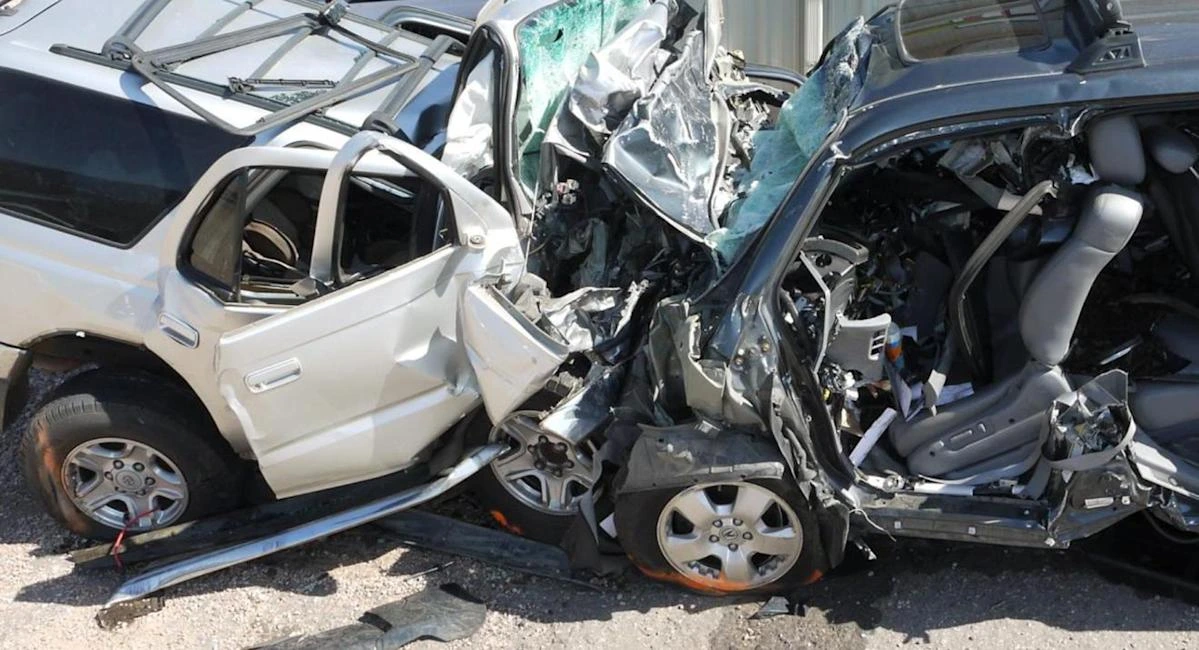
Choosing the Right Uninsured Motorist Lawyer in Virginia: Your Checklist
Selecting the right lawyer for an uninsured motorist (UM) claim in Virginia is a make-or-break decision that can significantly impact your financial and emotional recovery. With insurance companies often playing hardball and Virginia’s unique legal landscape, complete with strict contributory negligence rules and stacking opportunities, the right attorney transforms complexity into opportunity. A skilled UM lawyer not only maximizes your compensation but also ensures you’re not left navigating the maze of claims, denials, and delays alone. Here’s an expanded, detailed checklist to guide you in choosing a legal ally who will champion your case and turn a stressful ordeal into a path toward justice.
Proven Experience and a Stellar Track Record
Experience is the bedrock of a successful UM case. Seek attorneys with 10-15 years of focused practice in Virginia uninsured motorist claims, as general personal injury expertise may not cut it in this specialized niche. Look for a proven history of securing settlements or verdicts above $100,000, indicating their ability to handle high-stakes cases with significant damages. Verify their credibility through the Virginia State Bar’s website to ensure no disciplinary issues, and dive into client reviews on platforms like Avvo, Martindale-Hubbell, or Google for real-world feedback. A lawyer who consistently turns lowball insurer offers, say, $20,000, into six-figure settlements through strategic negotiation or policy stacking is a strong candidate. During consultations, ask pointed questions: “What’s your largest UM settlement in the past two years, and how did you achieve it?” Their response will reveal their expertise and confidence. Bonus points for attorneys who’ve handled cases similar to yours, like hit-and-runs or multi-vehicle crashes, as this shows they’re battle-tested in relevant scenarios.
Deep Local Knowledge and Robust Resources
Virginia’s UM laws are distinct, with nuances like policy stacking, mandatory coverage minimums, and a harsh contributory negligence rule that can bar recovery if you’re even 1% at fault. A lawyer with deep knowledge of these state-specific quirks is non-negotiable. Local expertise also means familiarity with regional courts, judges, and insurer tactics in areas like Richmond, Fairfax, or Virginia Beach. For example, a lawyer who knows how Henrico County judges weigh evidence in UM disputes can tailor arguments for maximum impact. Beyond knowledge, prioritize firms with access to robust resources: in-house investigators to reconstruct accident scenes, medical consultants to validate injury severity, or economists to project long-term losses like future surgeries or missed career opportunities. A firm employing a former Virginia State Trooper for crash analysis, for instance, can uncover evidence that clinches fault in a disputed case. Ask during consults: “What specific resources do you use to build UM cases, and how have they helped past clients?” A detailed answer signals a well-equipped advocate ready to go the distance.
Transparent Fee Structure and Proactive Communication
Most UM lawyers in Virginia operate on a contingency fee basis, meaning they’re paid only if you win, typically taking 33-40% of the settlement or verdict. This eliminates upfront costs, making legal help accessible, but transparency is key. Request a written fee agreement that clearly outlines the percentage, any additional case expenses (like filing fees or expert costs), and how those are handled. Beware firms that tack on vague “administrative fees” that erode your payout. Equally critical is communication: Your lawyer should keep you informed with regular updates, weekly calls, emails, or access to an online case portal, rather than leaving you in the dark. A responsive attorney explains complex terms like “subrogation” or “bad faith claims” in plain language and collaborates on strategy, whether it’s pushing for arbitration or preparing for trial. Test their style in consultations: Are they patient, clear, and engaged? If they’re hard to reach early on, they’re unlikely to improve mid-case. Ask: “How often will I get updates, and what’s your preferred method?” A lawyer who prioritizes clear, consistent communication builds trust and reduces stress.
Personalized Approach and Client-Centric Focus
A great UM lawyer sees you as more than a case file; they understand your unique circumstances and tailor their approach accordingly. Whether you’re a single parent in Norfolk struggling with lost wages, a retiree in Charlottesville facing chronic pain, or a small business owner in Roanoke whose totaled delivery van threatens your livelihood, your attorney should craft a strategy that fits your needs. Some clients need quick settlements to cover immediate bills, while others benefit from holding out for maximum compensation to address long-term impacts like PTSD or reduced earning capacity. Look for lawyers who ask detailed questions about your life and goals, offering flexible meeting options (in-person, virtual, or even home visits for those with severe injuries). Avoid those pushing generic solutions or pressuring you to settle early without exploring all options. In consultations, ask: “How would you approach my specific situation, and what factors would you prioritize?” A thoughtful, customized response shows they’re invested in your outcome, not just their caseload.
Reputation and Community Presence
A lawyer’s standing in Virginia’s legal and local communities can give your case an edge. Attorneys respected by judges, insurers, and peers often secure better settlements because their reputation precedes them; insurers know they’ll fight hard and win. Look for involvement in professional groups like the Virginia Trial Lawyers Association or leadership roles in local bar associations, which signal expertise and influence. Community engagement, such as sponsoring charity events, offering free legal clinics in places like Hampton Roads, or writing educational articles on UM issues, reflects a commitment to service beyond profit. Check their website, LinkedIn, or local media for accolades, published pieces, or mentions in outlets like the Richmond Times-Dispatch or Virginian-Pilot. For example, a lawyer featured in a piece on Virginia’s 2024 insurance reforms likely has their finger on the pulse. Ask: “How do you stay connected to Virginia’s legal and local communities?” A strong presence suggests they’re a trusted player.
Strategic Use of Technology and Innovation
In 2025, top UM lawyers leverage technology to strengthen cases and streamline communication. Firms using tools like crash simulation software, telematics analysis, or AI-driven damage calculators can build compelling evidence that sways insurers or juries. For instance, analyzing a vehicle’s black-box data to prove speed or braking patterns can solidify fault in a hit-and-run. Client portals for real-time case updates or secure document sharing enhance efficiency and transparency. Ask: “What tech tools do you use to manage cases or gather evidence?” A forward-thinking firm with cutting-edge resources can outmaneuver less-prepared opponents, giving you an advantage in negotiations or court.
Accessibility and Client Empowerment
The best lawyers empower you with knowledge, ensuring you understand each step of the process. They should be accessible, offering flexible scheduling for consultations and accommodating your needs, whether you’re in rural Abingdon or bustling Arlington. Look for firms with multilingual staff if English isn’t your primary language, or those with experience handling diverse cases, like accidents involving commercial vehicles or pedestrians. They should also educate you on Virginia’s UM intricacies, like how stacking works or the risks of contributory negligence, so you feel confident in your decisions. During consults, gauge their willingness to explain: Do they break down legal jargon without rushing? A lawyer who empowers you fosters trust and partnership.

Strategic Use of Free Consultations
Most Virginia UM lawyers offer free initial consultations, your chance to shop smart. Come prepared with questions: “How many UM cases have you handled in Virginia? Can you share a recent success story? What challenges do you foresee in my case?” Bring key documents like police reports or medical bills to get tailored advice. Use this time to assess their enthusiasm, clarity, and fit with your personality. A lawyer who listens intently and offers a clear game plan is a good sign; one who rushes or seems distracted may not prioritize you. Compare at least two or three attorneys to find the best match. Pro tip: Ask, “What’s the biggest mistake you see clients make in UM cases?” Their insight reveals their depth and client focus.
Conclusion: Drive Informed, Recover Empowered
Uninsured motorist accidents test Virginia’s drivers, but with robust UM coverage and strategic moves, you’re not at the mercy of chance. Embrace the state’s push for safer roads, and don’t hesitate to tap a UM lawyer when trouble strikes. From Arlington’s bustle to Abingdon’s quiet, you’re equipped to protect your future.
Virginia Car Accident Reporting Rules: Who Must File and How Soon?
Car accidents can cause more than just physical injuries and property damage. They trigger legal and administrative responsibilities that every driver must understand to protect themselves. In Virginia, one of the most important responsibilities after a crash is complying with Virginia Car Accident Reporting Rules Who Must File & How Soon? These rules determine who must notify law enforcement or the Department of Motor Vehicles (DMV), what information must be provided, and how quickly these reports must be made.
Failing to follow these reporting rules can lead to criminal charges, license suspension, and difficulties in pursuing insurance claims. For this reason, knowing your obligations before an accident occurs is essential. This guide breaks down Virginia’s car accident reporting laws, explains who must file a report, details the time limits for doing so, and provides practical advice for drivers to stay compliant and avoid legal trouble.
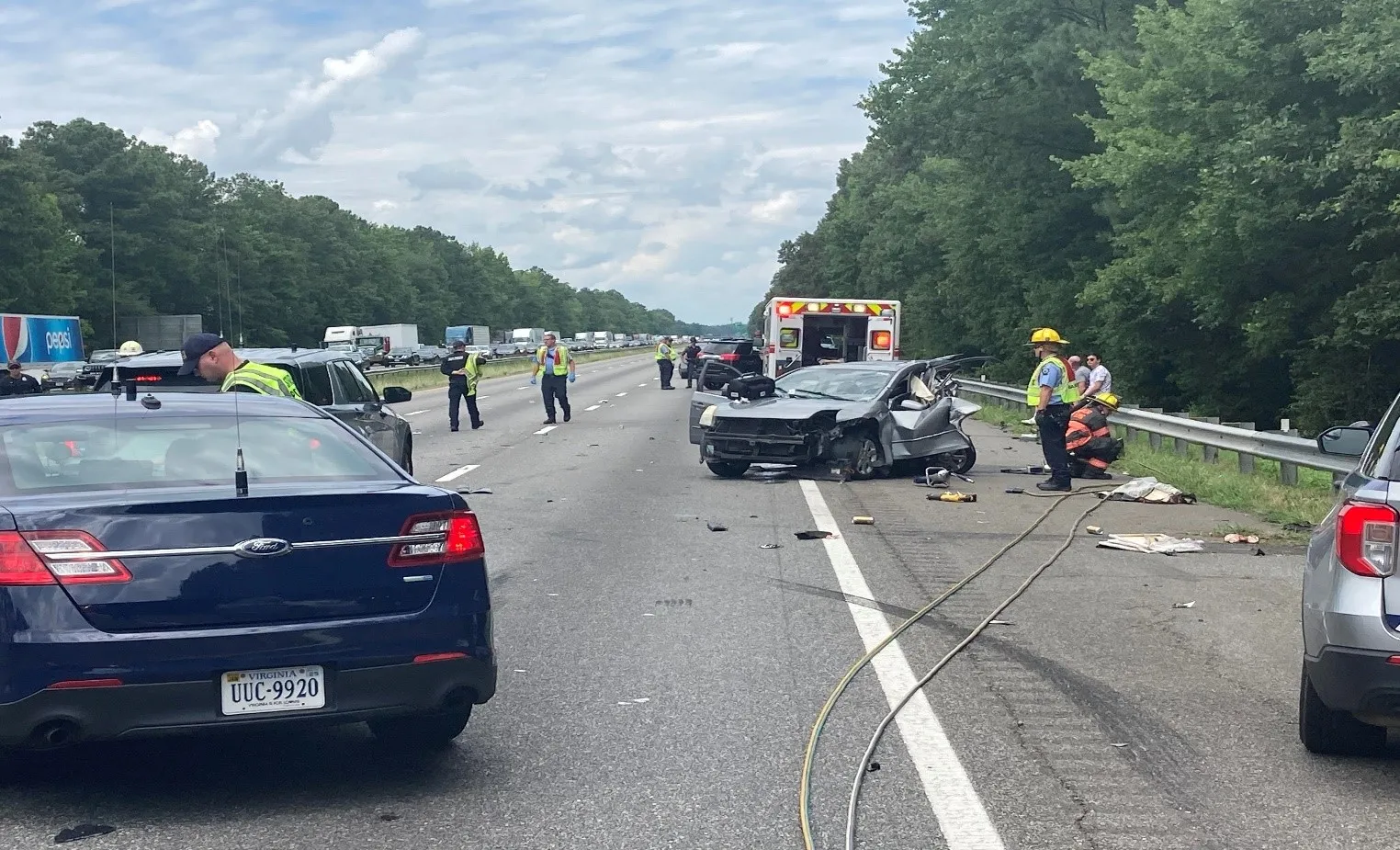
Table of Contents
- Understanding Virginia’s Car Accident Reporting Laws
- Who is Required to File a Car Accident Report in Virginia
- What Types of Accidents Must Be Reported
- Virginia’s Time Limits for Filing an Accident Report
- Penalties for Failing to Report a Car Accident in Virginia
- How to File an Accident Report in Virginia
- What Information You’ll Need to Provide
- How Reporting Affects Your Insurance Claim
- Special Rules for Hit-and-Run Cases
- Final Thoughts: Protecting Your Rights Through Proper Accident Reporting
- FAQs: Virginia Car Accident Reporting Rules
Understanding Virginia’s Car Accident Reporting Laws
Virginia law has specific statutes that define when and how a car accident must be reported. The main legal authority is Virginia Code § 46.2-371 and related sections, which outline driver responsibilities after a collision. These laws are in place to ensure accidents are properly documented for public safety, insurance, and legal purposes.
There are two primary types of reporting in Virginia:
Reporting to Law Enforcement: If the accident meets certain criteria, such as involving injury, death, or significant property damage, the driver must notify the nearest law enforcement agency immediately. This could be local police, county sheriff, or Virginia State Police.
Reporting to the DMV: In certain circumstances, especially if law enforcement is not present or if the accident involves an uninsured driver, the incident must also be reported to the DMV.
Virginia also distinguishes between accidents that happen on public roads and those on private property, with different reporting requirements for each. The state’s laws prioritize immediate reporting for severe accidents but also set clear deadlines for other types of incidents.
Who is Required to File a Car Accident Report in Virginia
Virginia’s car accident reporting laws place primary responsibility on drivers involved in the accident. However, there are specific scenarios where others may also be responsible.
1. Drivers Involved in the Accident
Under Virginia Code § 46.2-371, if you are operating a vehicle involved in an accident that causes injury, death, or property damage, you must:
- Stop immediately at the scene.
- Provide your name, address, driver’s license number, and vehicle registration information to law enforcement and the other party.
- Notify the nearest law enforcement agency without delay if an officer is not present.
2. Vehicle Owners Not Present at the Time
If the driver is not the owner (for example, driving a friend’s or employer’s vehicle), the owner may also need to provide insurance and registration details to law enforcement or the DMV.
3. Unattended Vehicle or Property Owners
If the accident involves an unattended vehicle or property, Virginia law requires you to make a reasonable effort to locate the owner. If you cannot, you must leave your contact information and notify law enforcement.
4. Special Rule for Commercial Drivers
Truck and bus drivers must comply with both Virginia laws and any federal accident reporting requirements applicable to their company and the Federal Motor Carrier Safety Administration (FMCSA).
Failing to report as required can lead to misdemeanor charges, driver’s license suspension, and, in some cases, increased civil liability in a later lawsuit.

What Types of Accidents Must Be Reported
Not all fender-benders require a formal report, but Virginia sets clear thresholds for when reporting is mandatory.
A. Accidents Involving Injury or Death
If anyone is injured or killed, regardless of the extent of damage, the accident must be reported immediately to law enforcement. This includes drivers, passengers, pedestrians, or cyclists.
B. Property Damage Over $1,500
If the crash results in property damage exceeding $1,500 (to vehicles or other property), it must be reported. This is the current statutory limit set by Virginia law and is subject to change if the legislature updates the amount.
C. Collisions with Unattended Vehicles or Property
Even if the damage is minor, you must report accidents involving parked cars, fences, mailboxes, or other property when the owner is not present.
D. Accidents Involving Uninsured Drivers
If one or more drivers involved are uninsured, the crash must also be reported to the Virginia DMV so the state can take necessary enforcement actions.
E. Private Property Incidents
While most reporting rules focus on public roads, Virginia law still requires reporting accidents on private property if they involve injury, death, or significant damage, especially in locations like parking lots.
Virginia’s Time Limits for Filing an Accident Report
Virginia law sets strict deadlines for reporting accidents, and missing them can have both legal and financial consequences. The specific timeline depends on who you are reporting to and the nature of the crash.
A. Immediate Reporting to Law Enforcement
Under Virginia Code § 46.2-371, if your accident involves injury, death, or certain levels of property damage, you must report it immediately to the nearest law enforcement agency. This means:
- At the scene: If an officer is present, you can give your statement directly.
- If no officer is present: You must contact local police, the county sheriff’s office, or the Virginia State Police as soon as possible after the crash.
There is no grace period for law enforcement notification; the law expects prompt action to protect public safety and preserve evidence.
B. DMV Reporting Deadlines
If the accident meets Virginia’s reporting criteria but no law enforcement officer responds, you may also need to file a report with the Virginia DMV. While Virginia does not have a standalone “accident report form” for drivers in every case, you may be required to provide:
- A written statement of the crash circumstances.
- Insurance details, especially if there are injuries, fatalities, or uninsured drivers involved.
In cases where an uninsured driver is involved, the DMV typically expects notification within 30 days so that it can take appropriate enforcement measures, such as license suspension.
C. Special Cases Involving Fatalities
For accidents involving fatalities, immediate law enforcement reporting is required, and additional reports may need to be filed with the Virginia Medical Examiner or other state agencies as part of the investigation.
Why Acting Early Helps
Even if the law gives you a short window for certain filings, reporting within 24 hours can:
- Strengthen your credibility in insurance and legal claims.
- Preserve crash scene details and witness statements.
- Reduce the risk of allegations that you attempted to hide the accident.
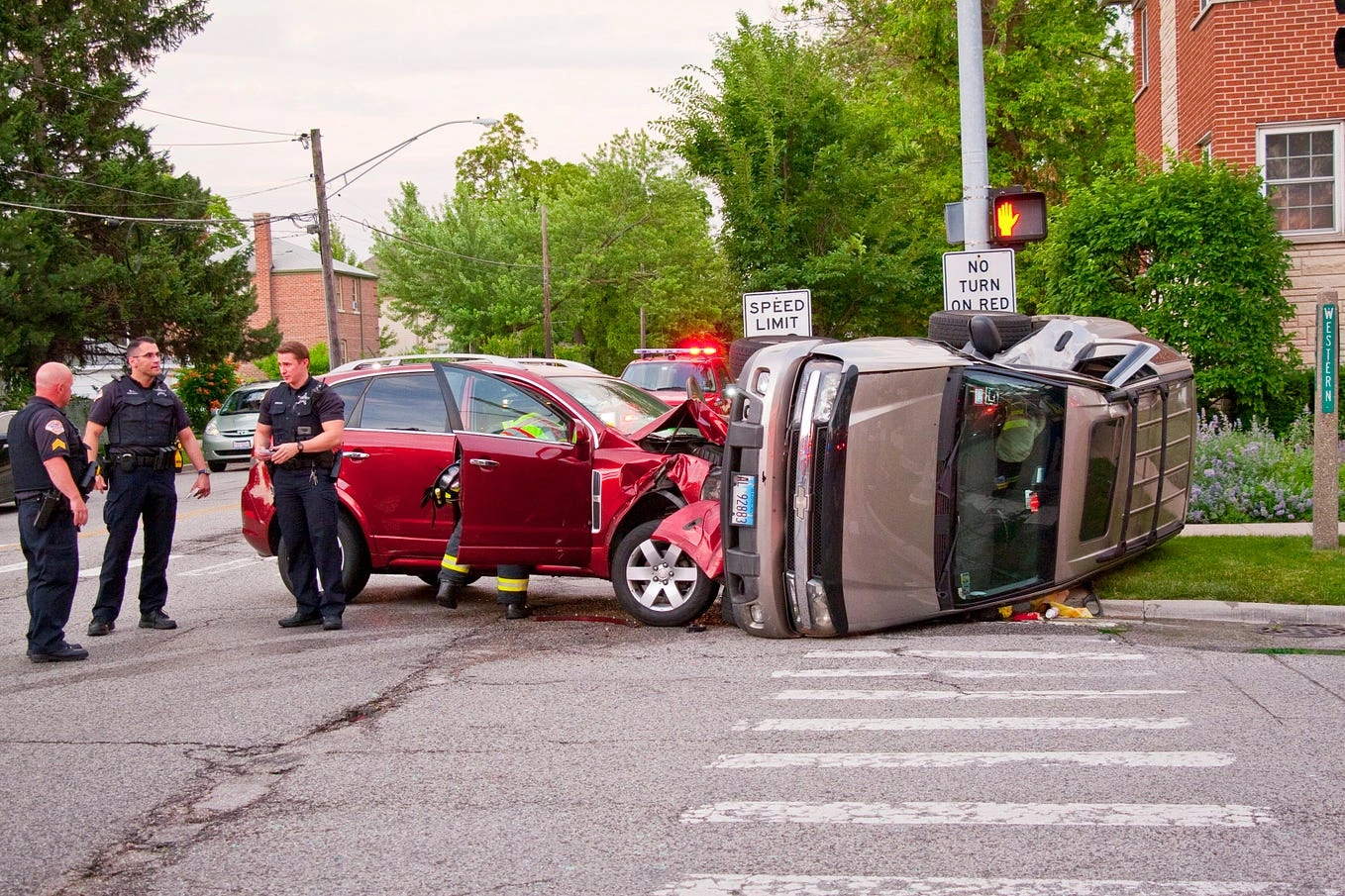
Penalties for Failing to Report a Car Accident in Virginia
Failing to report an accident when required by law is not a minor oversight; it can lead to criminal charges, license penalties, and serious insurance consequences.
A. Criminal Penalties
- Misdemeanor Charges: In many cases, failure to report is treated as a Class 1 misdemeanor, punishable by up to 12 months in jail and a fine of up to $2,500.
- Felony Charges: If the accident involves injury or death and you fail to report, the offense can escalate to a Class 5 felony, which carries 1 to 10 years in prison and substantial fines.
B. Driver’s License Consequences
- License suspension or revocation by the DMV.
- Mandatory reinstatement fees and potential SR-22 (high-risk) insurance filing requirements.
C. Civil Consequences
Failing to report can also weaken your position in a civil lawsuit. The other party’s attorney may argue that your failure to follow the law suggests fault or an attempt to avoid liability, which can damage your credibility in front of a judge or jury.
D. Insurance Impacts
- Your insurer may deny coverage for the accident if you did not report it promptly, citing a breach of your policy terms.
- Delays in reporting can make it harder to prove the cause and extent of damages, leading to lower settlements.
Why Compliance is Critical
Reporting a crash on time is about more than avoiding penalties; it’s about protecting your right to compensation and avoiding unnecessary legal complications.
How to File an Accident Report in Virginia
Filing an accident report in Virginia involves more than simply telling the police, “I had a crash.” The process varies depending on whether law enforcement is on the scene and whether the crash meets mandatory reporting requirements.
A. At the Scene of the Accident
If an officer responds, they will gather the required details and submit the FR300 crash report to the Virginia Department of Motor Vehicles (DMV). You should:
- Provide your driver’s license, vehicle registration, and proof of insurance.
- Offer an accurate statement of what happened, avoid speculation or guessing.
- Give names and contact information for any witnesses.
B. If No Officer Responds
In cases where police do not arrive (such as minor accidents that later reveal hidden damages or injuries), you may still be required to report the incident. Steps include:
- Contact the nearest law enforcement agency as soon as possible.
- Request guidance on submitting a written report if necessary.
- Provide photographs, witness statements, and any relevant medical documentation.
C. Involving the DMV
If the other driver is uninsured, or if there is injury or death, the DMV may need your report to enforce insurance laws or assess penalties. In these cases, timely submission is essential to avoid license suspension.
Tip: Always keep a copy of anything you submit for your own records.

What Information You’ll Need to Provide
The success and accuracy of your accident report depend on the quality of information you include. Virginia crash reports typically require:
A. Personal and Vehicle Details
- Full legal name, address, and driver’s license number.
- Vehicle make, model, year, and registration information.
- Insurance company name, policy number, and coverage type.
B. Accident Facts
- Exact date and time of the crash.
- Location (road names, nearest intersections, mile markers).
- Weather and road conditions at the time.
- Estimated speed of each vehicle before impact.
C. People Involved
- Names and contact information of all drivers.
- Passenger names and any noted injuries.
- Pedestrians or cyclists involved, if applicable.
D. Witness and Evidence Details
- Names and phone numbers of independent witnesses.
- Photographs of the accident scene, vehicle positions, and damages.
- Diagrams showing how the crash occurred.
E. Special Notes
If you suspect DUI, reckless driving, or a commercial vehicle violation, state this clearly; it may affect fault determinations and legal proceedings.
Why Thoroughness Matters: A detailed and accurate report strengthens your insurance claim, supports your legal position, and ensures compliance with Virginia law.
How Reporting Affects Your Insurance Claim
Reporting a car accident in Virginia is not just a legal obligation; it can directly impact whether your insurance claim is approved and how much compensation you receive.
A. Proof of Compliance
When you file an accident report promptly, you create an official record that proves you followed state requirements. Insurance companies often review this record to verify accident details before processing your claim. Delays or missing reports can give insurers a reason to reduce or deny payouts.
B. Establishing Fault
Virginia follows a pure contributory negligence rule, meaning you cannot recover damages if you are even 1% at fault. A properly documented report helps clarify the sequence of events and can protect you from inaccurate or biased fault assignments.
C. Supporting Medical Claims
Injury-related claims require proof that the accident caused your medical condition. The accident report, combined with medical records, helps establish this link. Without it, the insurer may argue your injuries were unrelated.
D. Preventing Disputes
Insurers sometimes challenge the validity of a claim if there is no official accident record. A timely and accurate report can shorten claim processing times and reduce the risk of costly disputes or appeals.
Special Rules for Hit-and-Run Cases
Hit-and-run accidents in Virginia involve additional legal and reporting considerations. Failing to handle these properly can result in penalties and lost compensation opportunities.
A. Immediate Reporting Is Mandatory
Under Virginia law, if you are involved in a hit-and-run, whether as a driver, pedestrian, or cyclist, you must report the incident to law enforcement immediately. Waiting too long can result in criminal charges.
B. Uninsured Motorist (UM) Coverage Requirements
In most hit-and-run cases, compensation comes from your own uninsured motorist coverage. However, to use this coverage, Virginia law requires that you report the accident to the police within a reasonable time and make every effort to identify the other driver.
C. Collecting Evidence Quickly
Without the at-fault driver’s information, your case will rely heavily on evidence. You should:
- Take photos of vehicle damage and the scene.
- Gather witness contact details.
- Look for nearby security or traffic cameras.
D. Legal Penalties for Leaving the Scene
If the hit-and-run driver is found, they can face criminal charges ranging from misdemeanors to felonies, depending on the severity of injuries or property damage. These penalties can also strengthen your civil case for damages.
Key Takeaway: In hit-and-run situations, fast action is critical, both for your safety and for preserving your right to compensation.
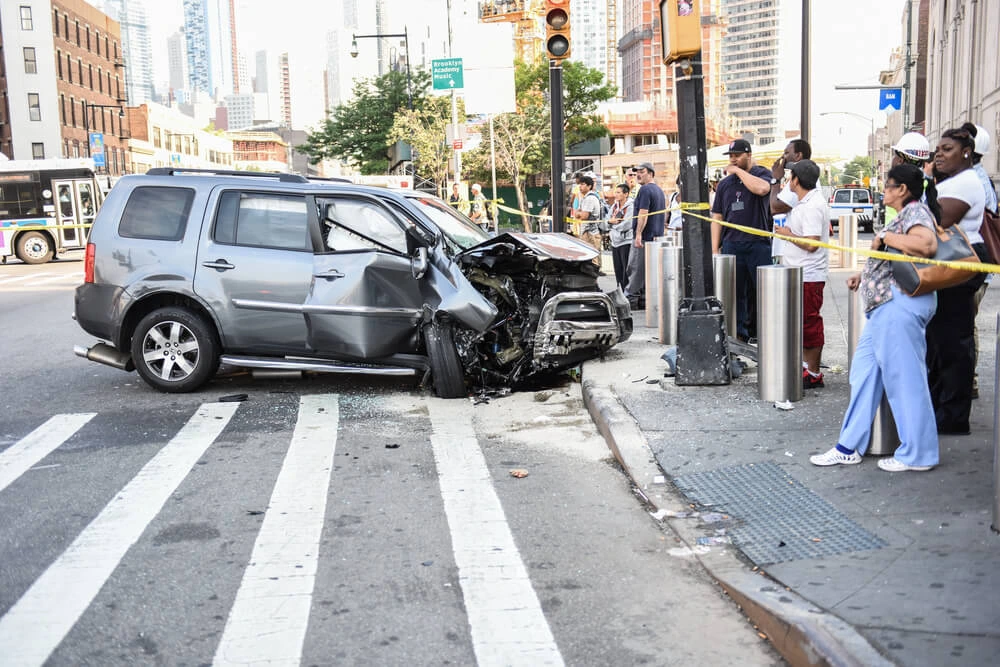
Final Thoughts: Protecting Your Rights Through Proper Accident Reporting
Understanding and following Virginia’s accident reporting rules is more than a legal checkbox; it’s a safeguard for your rights, your finances, and your health. Filing promptly ensures compliance with state law, creates a strong factual record for insurance claims, and protects you against disputes over fault or coverage.
Even in minor accidents, skipping the reporting step can have serious consequences, including denied insurance claims or exposure to legal penalties. If the crash involves injuries, fatalities, or significant property damage, timely and accurate reporting is essential.
When in doubt, err on the side of caution: call law enforcement, document the scene, and notify your insurance company. And if there are any complexities, such as disputed fault, uninsured drivers, or injuries, consulting a Virginia car accident lawyer can help ensure you meet all deadlines, preserve critical evidence, and maximize your chances of fair compensation.
FAQs: Virginia Car Accident Reporting Rules
1. Do I have to report every car accident in Virginia?
No. You only have to report if the crash causes injury, death, or property damage above $1,500. However, even minor crashes should be documented to protect your rights.
2. How soon must I report a car accident in Virginia?
You must report accidents involving injury, death, or significant property damage to law enforcement immediately. Insurance companies typically require notice within 24–48 hours.
3. What happens if I do not report an accident?
Failing to report can result in legal penalties, a suspended license, and insurance claim denials, especially if injuries or significant damage were involved.
4. Who files the accident report, me or the police?
If law enforcement responds to the scene, they will file the official report. If police are not called, you may be required to submit a written report to the Virginia DMV within a set timeframe.
5. Can I still file a claim if I reported the accident late?
Possibly, but late reporting can weaken your case. Insurance companies may argue that the delay suggests the claim is invalid or exaggerated. Prompt reporting is always best.
6. Should I hire a lawyer for a car accident report issue?
Yes, if your accident involves injuries, disputed fault, uninsured drivers, or potential legal penalties for late reporting, a lawyer can help protect your rights and strengthen your case.
Who Covers Hospital Bills After a Virginia Truck Crash?
A Virginia truck crash can leave you facing devastating injuries and overwhelming medical bills. Between emergency room visits, surgeries, and follow-up care, costs can reach tens or even hundreds of thousands of dollars within days. In the middle of physical recovery, one pressing question often arises: Who covers hospital bills after a Virginia truck crash?
The answer is not always straightforward. Virginia follows a fault-based insurance system, meaning the at-fault party is generally responsible for damages, including medical expenses. However, hospital bills are rarely paid immediately by the other driver’s insurance. In reality, several sources, your own health insurance, medical payments (MedPay) coverage, workers’ compensation, or a settlement from the at-fault truck driver’s insurer, may come into play at different stages.
This guide breaks down how medical costs are handled after a truck accident in Virginia, the laws that determine payment responsibility, and the steps you can take to ensure you are not left with unpaid bills or mounting debt.
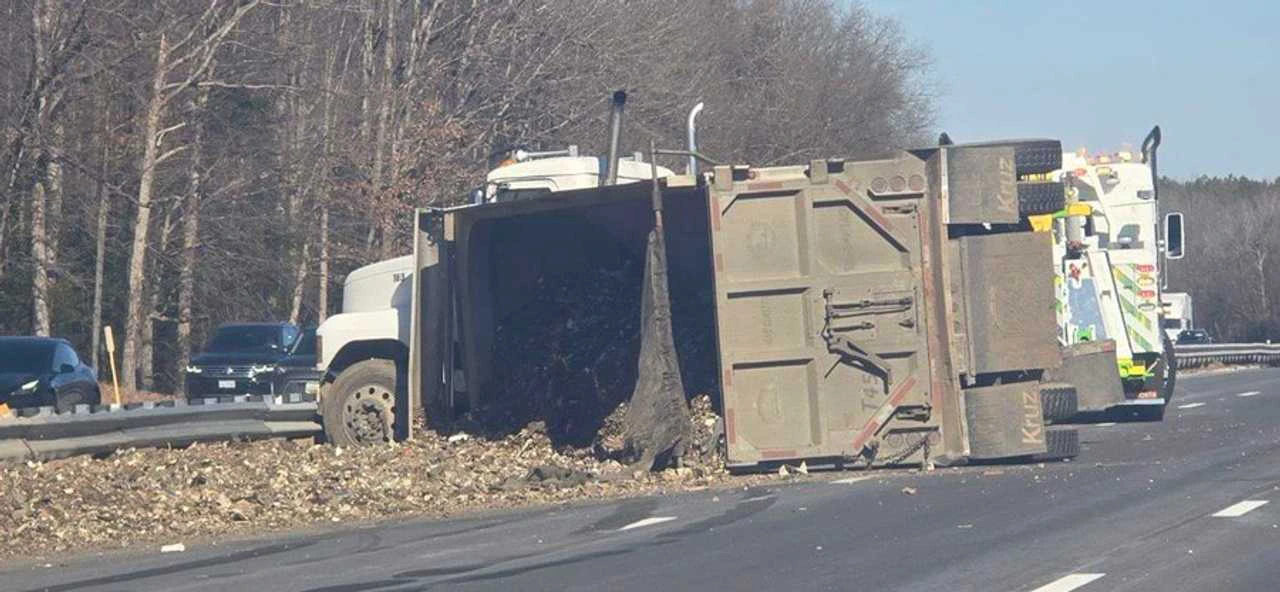
Table of Contents
- Immediate Medical Costs: Who Pays First in Virginia?
- At-Fault Driver’s Insurance Coverage
- Your Health Insurance and MedPay Coverage
- Medical Liens and Letters of Protection
- Workers’ Compensation in Truck Crash Cases
- Federal Trucking Regulations and How They Affect Medical Bill Recovery
- Why Legal Help Matters for Hospital Bill Coverage
- Final Thoughts: Protecting Yourself from Medical Debt After a Truck Crash
- FAQs: Hospital Bill Coverage After a Virginia Truck Crash
Immediate Medical Costs: Who Pays First in Virginia?
After a serious truck accident, medical treatment often begins before fault is even determined. Emergency responders transport injured victims to the hospital, where doctors may order surgery, imaging tests, and other urgent care. These services are billed immediately, so who gets the bill first?
In Virginia, your own health insurance or MedPay coverage is typically the first to step in. Even if another driver is clearly at fault, their insurance does not pay your bills as they are incurred. Instead, you receive treatment under your own coverage, and your insurer may later seek reimbursement through a process called subrogation once your case settles.
If you do not have health insurance, hospitals may bill you directly or work with your lawyer to place a medical lien on your eventual settlement. This lien guarantees payment once your case resolves, allowing you to continue receiving treatment without upfront payment.
It’s important to note that under Virginia law, you remain responsible for your hospital bills until they are paid, regardless of fault. That means if the at-fault truck driver’s insurance delays or disputes the claim, your accounts could go to collections unless alternative payment arrangements are made. Acting quickly to notify your health insurer, MedPay provider, and legal counsel can help protect your credit and prevent treatment interruptions.
At-Fault Driver’s Insurance Coverage
In Virginia, the at-fault truck driver or trucking company is legally responsible for covering medical costs through their liability insurance. However, this payment comes only after a settlement or court judgment, which can take months or even years.
Commercial trucks in Virginia are required to carry higher liability limits than passenger vehicles. Under federal regulations, trucking companies must maintain at least $750,000 in liability coverage, and often more if they transport hazardous materials. This can provide a larger pool of funds for injury claims, but insurers will still investigate and may dispute your medical expenses to minimize payout.
The process typically works as follows:
- You submit medical bills to your lawyer or directly to the insurance adjuster.
- The insurer evaluates whether the treatment is related to the crash and whether it was necessary.
- Approved costs are factored into the settlement amount, which is paid out after you sign a release of claims.
Because payment is delayed until the claim is resolved, most injured victims rely on health insurance, MedPay, or medical liens to manage immediate bills. The at-fault driver’s insurer will eventually reimburse these payers, but only once liability is fully established.
Your Health Insurance and MedPay Coverage
Your own health insurance is often the first and most reliable way to cover hospital bills after a truck accident in Virginia. Whether you have private insurance, Medicare, or Medicaid, your policy will typically pay for covered medical expenses as they arise. However, these benefits are not “free money.”
Most health insurers include a subrogation clause in their contracts. This means that if you later recover a settlement from the at-fault party, the insurer has the right to be reimbursed for the medical bills they paid on your behalf. Your lawyer can sometimes negotiate a lower repayment amount to maximize your take-home settlement.
In addition to health insurance, many Virginia drivers carry Medical Payments Coverage (MedPay) on their auto policies. MedPay is optional coverage that pays medical expenses up to your policy limit, regardless of who was at fault. Typical limits range from $2,000 to $10,000, but higher amounts are available. Unlike health insurance, MedPay generally does not require repayment after a settlement, making it a valuable first source of funds.
If you have both health insurance and MedPay, you can often use them together to reduce or eliminate out-of-pocket expenses while waiting for your claim to settle.
Medical Liens and Letters of Protection
If you do not have health insurance or the ability to pay medical bills upfront, some hospitals and doctors may agree to treat you under a medical lien or letter of protection.
A medical lien is a legal agreement that allows a healthcare provider to secure payment from your future settlement or verdict. This means they will provide treatment now and wait for your case to resolve before collecting payment. Once your claim is settled, your lawyer will pay the provider directly from the settlement funds.
A letter of protection is similar but is typically an agreement between your lawyer and the medical provider, assuring that the provider will be paid once the case concludes. This arrangement can give you access to necessary treatment without immediate out-of-pocket costs, but it also reduces your net settlement amount because the lien must be satisfied before you receive your portion.
While medical liens and letters of protection can help you get the care you need, they should be used carefully. Some providers charge higher rates under lien agreements, and these costs can significantly affect your final settlement value. An experienced truck accident attorney in Virginia can negotiate lien reductions to help you retain more of your compensation.

Workers’ Compensation in Truck Crash Cases
If you were injured in a truck accident while on the job, workers’ compensation might cover your hospital bills and related medical expenses. This applies whether you were driving a commercial vehicle, working as a delivery driver, or simply performing job duties at the time of the crash.
In Virginia, workers’ compensation generally covers:
- Emergency room visits and hospital stays
- Surgeries, rehabilitation, and follow-up care
- Prescription medications related to the injury
- Mileage reimbursement for medical travel
Workers’ compensation is a no-fault system, meaning you do not need to prove who caused the crash to receive benefits. However, accepting workers’ compensation does not necessarily prevent you from pursuing a separate personal injury claim against an at-fault third party, such as the truck driver or trucking company.
When both claims are possible, coordination is essential. Workers’ compensation may have a lien on your third-party recovery for medical expenses they have paid. Your attorney can work to minimize repayment obligations and ensure you do not forfeit potential compensation from either source.
Federal Trucking Regulations and How They Affect Medical Bill Recovery
The trucking industry is governed by strict federal regulations enforced by the Federal Motor Carrier Safety Administration (FMCSA). These rules cover driver qualifications, hours-of-service limits, vehicle maintenance, and mandatory insurance coverage.
When a truck crash occurs in Virginia, violations of these federal rules can directly impact liability and your ability to recover hospital bills. Examples include:
- A driver operating beyond legally permitted hours, leading to fatigue-related crashes
- A truck company failing to maintain brakes or tires to safety standards
- Inadequate cargo securement causing load shifts and loss of control
- Failure to carry the minimum required insurance for commercial carriers
Proving such violations strengthens your personal injury claim. It not only supports a finding of negligence but can also open the door to higher insurance coverage limits than in typical car accident cases. This is especially important if your medical bills are substantial, as commercial carriers often have policies with much higher limits than individual drivers.
Your attorney can request driver logs, inspection reports, and electronic logging device (ELD) data to identify violations. This evidence can help ensure you are fully compensated for both immediate hospital bills and long-term medical care needs.
Why Legal Help Matters for Hospital Bill Coverage
Hospital bills after a Virginia truck crash are rarely straightforward. Multiple insurance companies, overlapping state and federal laws, and the high medical costs typical of truck accident injuries create a situation where victims can easily be left with unpaid balances unless they know exactly how to navigate the system. This is where experienced legal representation becomes critical.
1. Coordinating Multiple Payers
In many truck crash cases, your hospital bills may be subject to claims from several sources , your health insurance, MedPay or Personal Injury Protection (PIP), the trucking company’s liability insurer, and possibly workers’ compensation (if you were on the job when injured). An attorney ensures these payers are coordinated in a way that minimizes delays and prevents you from paying out of pocket unnecessarily.
2. Protecting Against Medical Liens and Overbilling
Hospitals and treatment providers often file medical liens against a portion of your eventual settlement. Without negotiation, these liens can take a large percentage of your compensation. A lawyer can challenge excessive charges, negotiate reductions, and ensure lienholders are only paid for legitimate, necessary treatment.
3. Identifying All Liable Parties
Truck accident liability is often shared among multiple defendants , the driver, the trucking company, a freight broker, or a maintenance contractor. A lawyer’s investigation can uncover all responsible parties, increasing the available insurance coverage to pay medical expenses and other damages.
4. Avoiding Lowball Settlement Offers
Insurance companies may offer a quick settlement that covers only immediate hospital bills, ignoring long-term needs like rehabilitation, future surgeries, or lifetime care. Legal counsel ensures that any settlement demand includes both current and future medical costs, supported by expert testimony if needed.
5. Understanding Virginia’s Contributory Negligence Rule
Virginia’s strict contributory negligence law means if you are found even 1% at fault, you could lose your right to compensation entirely. An attorney can present evidence, gather witness testimony, and counter the insurer’s attempts to assign blame to you , protecting your right to have hospital bills covered.
6. Handling Complex Federal Regulations
Trucking companies and their insurers are bound by federal safety regulations. Violations, such as Hours of Service breaches or maintenance failures, can strengthen your claim and lead to higher payouts for medical expenses. Lawyers familiar with Federal Motor Carrier Safety Administration (FMCSA) rules can use these violations to your advantage.
7. Peace of Mind During Recovery
Dealing with debt collectors and hospital billing departments while recovering from serious injuries can be overwhelming. Having a lawyer means those calls go to your legal team, allowing you to focus on healing while they work to ensure your bills are covered in full.

Final Thoughts: Protecting Yourself from Medical Debt After a Truck Crash
Hospital bills after a truck crash in Virginia can easily reach tens or even hundreds of thousands of dollars, especially when surgeries, ICU stays, or long-term rehabilitation are required. While insurance is supposed to cover these costs, the reality is more complicated. Between multiple insurers, lienholders, and the possibility of disputed liability, victims can quickly become overwhelmed.
The key takeaway is this: do not assume your bills will automatically be paid in full. Understanding how Virginia fault laws, insurance policies, and federal trucking regulations work together is critical to securing fair compensation. Acting quickly, documenting every expense, and getting experienced legal representation can mean the difference between walking away debt-free or facing years of financial strain.
FAQs: Hospital Bill Coverage After a Virginia Truck Crash
1. Will the trucking company’s insurance automatically pay my hospital bills?
Not necessarily. Their insurer will typically only pay after fault is established and a settlement is reached. In the meantime, your health insurance, MedPay, or workers’ compensation may handle the initial payments.
2. What if I do not have health insurance?
You may still receive treatment through a hospital lien or a letter of protection from your attorney. These arrangements allow you to get necessary care while your injury claim is pending.
3. Can I recover future medical expenses in my settlement?
Yes. If your injuries require ongoing treatment, your lawyer can include projected costs for surgeries, rehabilitation, medication, and assistive devices in your settlement demand.
4. What if multiple parties are at fault?
Your lawyer can pursue claims against all liable parties, which may include the truck driver, the trucking company, a parts manufacturer, or even another driver. This can increase the total available insurance coverage for your medical bills.
5. How long will it take to get my bills paid?
It depends on the complexity of your case. Straightforward liability cases may settle in a few months, while disputes or high-value claims can take a year or more.
How Much Does a Car Accident Lawyer Cost in Virginia?
One of the first questions many accident victims ask is, “How much does a car accident lawyer cost in Virginia?” The answer matters, not just for your budget, but for your ability to get fair compensation after a crash.
In Virginia, the fear of high legal fees sometimes stops people from getting the help they need. Many assume hiring a car accident lawyer means paying thousands of dollars upfront. In reality, most car accident attorneys in the state work on a contingency fee basis, meaning they only get paid if you win or settle your case.
Understanding how these fees work, what expenses may come up, and how Virginia’s legal rules affect the process can help you make an informed choice. This guide breaks down the typical costs, the factors that influence them, and why the value of a skilled lawyer often outweighs the expense, especially in a state with strict contributory negligence laws.
Table of Contents
- Common Fee Structures for Car Accident Lawyers
- Contingency Fee Basics in Virginia
- Factors That Affect the Percentage
- Case Expenses Beyond Attorney Fees
- When You Might Pay Out of Pocket
- Virginia-Specific Rules and Ethical Guidelines
- Value of a Lawyer vs. the Cost
- How to Discuss Fees with a Lawyer Before Hiring
- Tips for Choosing the Right Car Accident Lawyer in Virginia
- Final Thoughts
- FAQs: How Much Does a Car Accident Lawyer Cost in Virginia?
Common Fee Structures for Car Accident Lawyers
Car accident lawyers in Virginia typically use one of three fee structures, though contingency fees are by far the most common in personal injury law. Understanding each model helps you evaluate offers and avoid surprises later.
1. Contingency Fees (Most Common)
- The lawyer’s payment is a percentage of the settlement or court award.
- No upfront payment is required.
- If you don’t win or settle, you usually owe nothing for attorney fees (though you may still owe certain case expenses, covered later).
- Common for injury cases because clients often face medical bills and lost income right after the accident.
2. Hourly Rates (Rare for Car Accident Cases)
- You pay for every hour the lawyer spends on your case.
- More common in business, contract, or certain high-stakes litigation.
- In car accident cases, this is rare because injury victims often can’t afford ongoing hourly billing while recovering.
3. Flat Fees (Uncommon for Accident Representation)
- One fixed price for a defined service.
- Sometimes used for limited-scope legal work, like reviewing a settlement offer or drafting a demand letter without ongoing representation.
- Rare for full accident cases because damages and timelines can vary widely.
Bottom line: In Virginia, over 90% of car accident injury claims are handled under contingency agreements, which means cost should not be the main barrier to hiring a lawyer.
Contingency Fee Basics in Virginia
A contingency fee means your lawyer’s payment depends on the outcome of your case. If you win or settle, they get a set percentage of the total recovery. If you lose, they don’t get paid for their time, though you may still owe certain expenses if your agreement says so.
Typical Percentages
- 33.33% (one-third) is standard for cases resolved before filing a lawsuit.
- 40% or slightly higher may apply if a lawsuit has to be filed or the case goes to trial or appeal.
- Some firms use sliding scales, e.g., one-third (33.33%) if settled early, 40% if a lawsuit is filed.
Example Calculations
- If you settle for $60,000 and your contingency fee is one-third (33.333%), your lawyer receives $20,000 plus reimbursement for case expenses.
- If you win $100,000 at trial with a 40% fee, your lawyer gets $40,000 before expenses are deducted.
Why Percentages May Vary
- Case complexity: Multi-vehicle collisions, disputed liability, or severe injuries require more time and resources.
- Risk level: If the case is uncertain, the lawyer may charge a higher percentage to offset the risk of no payment.
- Stage of resolution: Going to trial or appeal requires significantly more preparation and resources.
Virginia Bar Requirements
- Contingency fee agreements must be in writing and signed by the client.
- The agreement must clearly state the percentage, how expenses are handled, and when fees are payable.
Key takeaway: In Virginia, contingency fees allow accident victims to get experienced legal help without paying upfront, but you must read the fine print to understand total costs.
Factors That Affect the Percentage
While contingency fees in Virginia often fall between 33% and 40%, several factors can push your lawyer’s percentage higher or lower.
1. Case Complexity
- Multi-vehicle accidents or crashes involving commercial trucks often require accident reconstruction experts, multiple depositions, and more investigation.
- Cases with disputed liability under Virginia’s contributory negligence rule require extra work, because the defense only needs to prove you were 1% at fault to bar recovery.
2. Severity of Injuries
- Catastrophic injuries or wrongful death claims involve higher stakes, larger medical evidence files, and often more aggressive defense tactics, increasing the time and resources your lawyer must commit.
3. Litigation Stage
- Pre-lawsuit settlement: Usually one-third (33.33%) if resolved quickly.
- Post-filing/trial: Often 40% or more due to increased work (jury selection, expert testimony, trial preparation).
4. Risk and Likelihood of Recovery
- If the case has unclear liability or limited insurance coverage, the lawyer takes on more risk, which may justify a higher percentage.
5. Specialization and Experience
- Highly experienced attorneys or firms with a strong track record in Virginia personal injury cases may charge slightly higher percentages, reflecting their higher success rate and expertise.
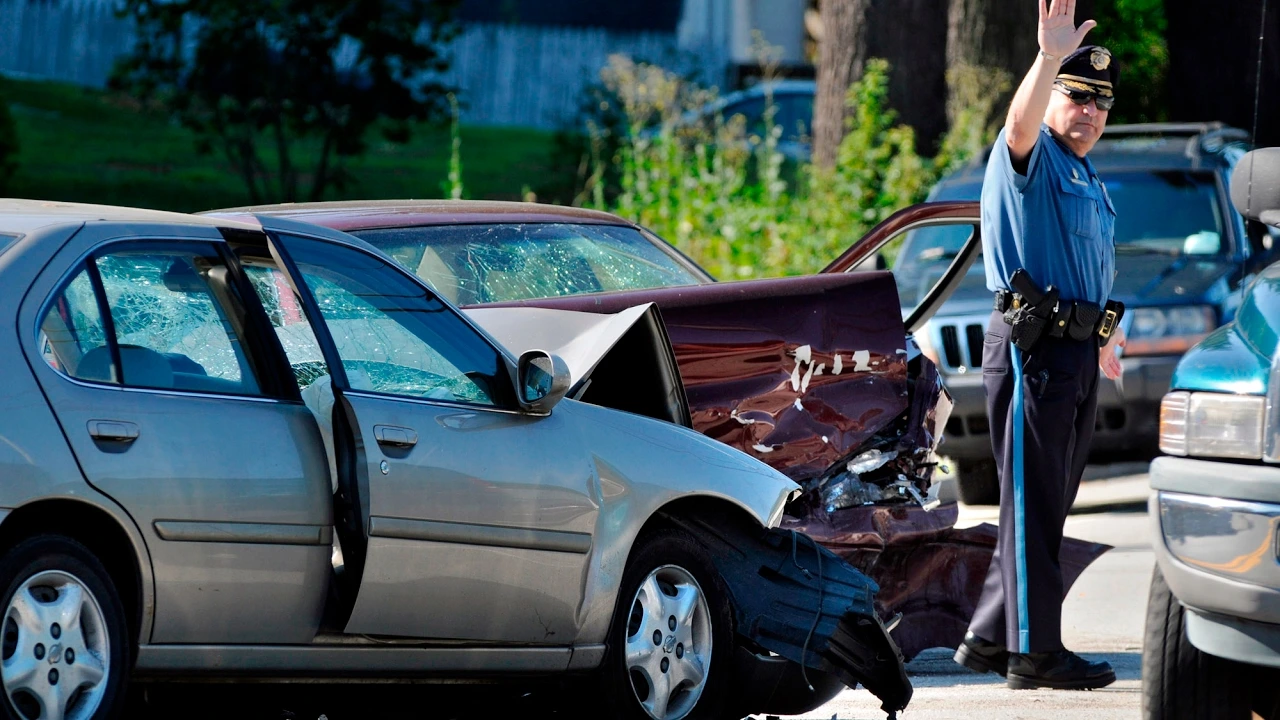
Case Expenses Beyond Attorney Fees
Even under a contingency arrangement, you may still be responsible for case expenses, costs the lawyer or firm incurs to build and pursue your claim. These are separate from the attorney’s percentage fee.
Common Case Expenses
- Court filing fees: To initiate a lawsuit in Virginia courts.
- Expert witness fees: For accident reconstructionists, medical specialists, or economists.
- Medical record costs: Hospitals and providers often charge per page or a flat retrieval fee.
- Deposition costs: Court reporter and transcript fees.
- Investigation expenses: Private investigators, site visits, or crash scene reconstructions.
- Exhibit preparation: Enlarged photos, charts, or digital reconstructions for trial.
Who Pays and When
- Many Virginia personal injury lawyers front these costs and recover them from the settlement or verdict.
- Some require partial payment during the case; rare, but possible with high-cost expert testimony.
- The fee agreement must explain whether you owe these costs if you lose.
Example
If your case settles for $50,000, your lawyer’s contingency fee is one-third (33.33)% ($16,666), and case expenses are $2,000, you would receive:
$50,000 – $16,500 – $2,000 = $31,334 net.
When You Might Pay Out of Pocket
Most Virginia car accident cases use contingency fees, so attorney fees are paid only from a recovery. Even so, there are situations where money can come from you directly or your net recovery can be reduced more than you expect.
1) If you change lawyers mid-case
- Your first lawyer may claim a charging lien on the future settlement for the reasonable value of work already performed (quantum meruit).
- Practically, your new lawyer and prior lawyer often split the same contingency, but if there is a dispute, it can affect timing and your net.
2) Case expenses if there’s no recovery
- Many Virginia firms advance costs (filing fees, medical records, experts) and recoup them only if you win.
- Some agreements say you owe costs win or lose. Read this clause closely so you are not surprised by bills for experts or transcripts after an unsuccessful case.
3) Upfront payments for limited-scope help
- If you hire a lawyer only to review a release, draft a demand, or give a second opinion, they may charge a flat or hourly fee that is due when services are rendered.
4) Termination before resolution
- If you fire your lawyer just before an offer arrives or litigation milestones occur, you may owe case costs to date under your contract, and your next lawyer may require you to cover certain immediate expenses (e.g., expert retainers).
5) Medical record and lien issues
- Providers can charge to copy records and bills.
- If health insurers or government programs (Medicare/Medicaid) paid your treatment, they may assert reimbursement liens that come out of your settlement. These are not attorney fees but they impact your take-home amount.
6) Sanctions or court-ordered costs (rare)
- If a party disobeys discovery orders or fails to appear, a court can impose costs/fees. This is uncommon in injury cases, but your engagement agreement should clarify who is responsible if it happens.
Bottom line: Ask two questions before you sign:
“If we lose, do I owe any money for costs?”
“Are costs deducted before or after the contingency percentage is applied?”
Clear answers here prevent most fee surprises.
Virginia-Specific Rules and Ethical Guidelines
Virginia attorneys must follow the Virginia Rules of Professional Conduct, which set guardrails around fees, costs, and how agreements are written.
Written contingency agreements
- Rule 1.5(c) requires contingency fees to be in writing and signed by the client.
- The agreement must state the percentage, whether it changes by stage (pre-suit, trial, appeal), and how expenses will be handled, including whether the client owes costs regardless of outcome.
Reasonableness of fees
- Rule 1.5(a) requires all fees to be reasonable based on factors like time, labor, novelty, results obtained, customary charges, and risk of nonpayment.
No contingency in certain matters
- Contingency fees are prohibited in criminal cases and in most domestic relations matters (e.g., securing a divorce or amount of support). They are allowed in personal injury cases.
Fee sharing between lawyers
- Rule 1.5(e) permits division of fees between lawyers not in the same firm if:
- The client is informed of the arrangement (including shares or the basis of division),
- The total fee is reasonable.
- In practice, this governs splits when you switch lawyers or when a case is referred.
Advance fees and trust accounts
- Rule 1.15 requires lawyers to keep unearned advances and cost retainers in a trust (IOLTA) account and to withdraw funds only as fees are earned or costs incurred. “Nonrefundable” fee labels do not override trust-account duties.
Closing statement and disbursement
- At resolution, you are entitled to a settlement statement that itemizes:
- Gross recovery
- Attorney’s fee
- Itemized costs (records, experts, filings)
- Lien payments (health insurers, providers, Medicare/Medicaid)
- Net to client
- Ask for this in writing and keep it with your records.
Attorney’s lien statute
- Under Virginia law (commonly referenced as the attorney’s lien statute), a lawyer can secure payment for services from the proceeds of the cause of action. This is why fee disputes are usually settled from the settlement funds, not out of your pocket beyond the recovery.
Practical tip: Request a draft fee agreement before your consultation ends. Read:
- The contingency percentages by stage,
- Exactly how and when costs are deducted,
- Whether you owe costs if there’s no recovery,
- What happens if you change lawyers.

Value of a Lawyer vs. the Cost
Many accident victims focus solely on the percentage their lawyer will take, but the real question is whether a lawyer increases your net recovery after fees and expenses. In Virginia, where contributory negligence rules can bar recovery entirely, an experienced lawyer can mean the difference between receiving full compensation or nothing at all.
1. Higher Settlements
- Studies consistently show that represented claimants receive significantly higher settlements than those who handle claims alone, even after attorney fees are deducted. This is especially true in cases where liability is contested or damages are substantial.
2. Protection from Contributory Negligence Pitfalls
- In Virginia, being just 1% at fault can eliminate your claim. Lawyers know how to gather evidence, frame your case, and challenge the defense’s attempts to shift blame.
3. Negotiating with Insurance Companies
- Insurers often make low initial offers, especially when they sense a claimant is unrepresented. Lawyers know claim valuation, negotiation tactics, and when to push toward trial.
4. Handling Complex Damages
- Calculating lost earning capacity, future medical costs, and non-economic damages requires expertise. A lawyer works with medical and financial experts to ensure nothing is left out.
5. Reducing Stress and Errors
- The claims process involves strict deadlines, detailed documentation, and legal rules. An attorney handles these so you can focus on recovery.
Bottom line: The cost of a lawyer is an investment that often increases, rather than decreases, what you take home.
How to Discuss Fees with a Lawyer Before Hiring
Transparent communication about fees is critical. Here’s how to approach it during your initial consultation:
1. Ask About the Contingency Percentage and When It Changes
- What’s the percentage if settled before suit?
- What’s the percentage if it goes to trial or appeal?
2. Clarify Case Expenses
- What types of expenses will be incurred?
- Are they deducted before or after calculating the attorney’s percentage?
- Will I owe these costs if I lose?
3. Understand Fee Adjustments for Changing Lawyers
- If I change representation, how will fees be handled?
- Will my old and new lawyers split the original percentage, or could I be charged more?
4. Ask About Typical Recovery Ranges
- While no lawyer can promise a specific result, they can give examples of past similar cases.
- This helps you weigh potential recovery against the projected costs.
5. Get the Fee Agreement in Writing Before Signing
- Virginia law requires this, but reviewing it carefully ensures you understand every term.
- Don’t hesitate to request changes or clarifications before committing.
Tip: A reputable Virginia personal injury lawyer will welcome these questions. Avoid any lawyer who is vague, rushes you, or refuses to explain their fee structure.
Tips for Choosing the Right Car Accident Lawyer in Virginia
Selecting the right lawyer is about more than finding the lowest fee percentage. The right attorney will maximize your outcome, manage your case efficiently, and give you confidence in every decision.
1. Look for Experience with Virginia Accident Law
- Virginia’s contributory negligence rule and insurance claim process require deep knowledge.
- Ask how many Virginia car accident cases they’ve handled in the last year and the results.
2. Check Track Record for Settlements and Trials
- Some lawyers focus on quick settlements; others are ready to go to trial.
- Ask about trial experience, especially if your case involves disputed liability or high damages.
3. Evaluate Communication Style
- Do they respond quickly to calls or emails?
- Will you speak primarily with the lawyer or be passed to a paralegal?
4. Transparency on Fees
- A trustworthy lawyer will clearly explain contingency percentages, case expenses, and payment timing.
- Avoid lawyers who are vague or resist putting everything in writing.
5. Read Reviews and Ask for References
- Check the Virginia State Bar’s website for any disciplinary actions.
- Look at independent reviews for client satisfaction patterns.
Pro tip: Schedule consultations with at least two lawyers before deciding. Compare their fee terms, experience, and strategy for your case.
Final Thoughts
Understanding how much a car accident lawyer costs in Virginia is about more than knowing a percentage. It’s about weighing the cost of representation against the risk of going it alone in a state with some of the nation’s strictest negligence laws.
In most cases, contingency fees mean you can get skilled legal help without paying upfront, and the right lawyer will often secure a settlement or verdict that more than covers their fee. The key is to choose an attorney who is transparent about costs, experienced in Virginia law, and committed to fighting for your best outcome.
Before signing any agreement, ask the right questions, read the fee contract carefully, and understand how expenses are handled. With the right representation, the “cost” of a lawyer becomes an investment in protecting your rights and maximizing your recovery.

FAQs: How Much Does a Car Accident Lawyer Cost in Virginia?
Q1: Is it worth hiring a lawyer for a minor accident?
Yes, if there are injuries, disputed fault, or high repair bills, a lawyer can protect you from contributory negligence issues and low settlement offers.
Q2: Do I pay if I lose my case?
Usually no attorney fees under a contingency arrangement, but you may owe case expenses if your agreement requires it.
Q3: Can I negotiate the contingency fee?
Sometimes. Some lawyers may adjust percentages for straightforward cases, early settlements, or if you have strong evidence.
Q4: How do lawyers get paid if the other driver is uninsured?
They pursue compensation from your uninsured motorist coverage, the at-fault driver’s personal assets (rarely successful), or other liable parties.
Q5: Will hiring a lawyer delay my settlement?
Not necessarily. In fact, lawyers often move cases forward faster because they know deadlines, processes, and negotiation strategies.
Should I Get a Lawyer for a Minor Car Accident in Virginia?
If you have been in a low-speed collision or fender bender, you might be wondering: Should I get a lawyer for a minor car accident in Virginia? Many drivers assume that legal help is only necessary after a serious crash with major injuries. However, Virginia’s strict contributory negligence laws and the potential for hidden injuries mean that even a “minor” accident can have lasting consequences.
What seems like a straightforward insurance claim can quickly become complicated if fault is disputed, medical symptoms appear days later, or the other driver’s insurance company refuses to pay. In Virginia, a single misstep , even being found just one percent at fault , can completely bar you from recovering compensation.
This guide explains when legal representation may be worth considering after a minor car accident in Virginia, how insurance companies handle these claims, and what steps you can take to protect your rights from the very beginning.

Table of Contents
- Should I Get a Lawyer for a Minor Car Accident in Virginia? Factors to Consider
- Understanding What Counts as a “Minor” Car Accident
- Virginia’s Contributory Negligence Rule
- When a Lawyer May Not Be Necessary
- When You Should Consult a Lawyer- Even for a Minor Accident
- How Insurance Companies Handle Minor Accident Claims
- Potential Hidden Costs of a Minor Accident
- Role of a Lawyer in Minor Accident Cases
- Cost of Hiring a Lawyer for a Minor Accident
- Steps to Take After a Minor Car Accident in Virginia
- Final Thoughts
- FAQs: Should I Get a Lawyer for a Minor Car Accident in Virginia?
Understanding What Counts as a “Minor” Car Accident
The term “minor” car accident is often misleading. While it typically refers to crashes with little visible damage or no immediate serious injuries, the legal and financial consequences can still be significant.
Common Examples of Minor Car Accidents
- Low-speed collisions in parking lots or residential streets.
- Fender benders at stoplights or in traffic congestion.
- Sideswipes where damage appears superficial.
- Single-vehicle accidents involving small property damage, like hitting a mailbox.
Property Damage vs. Injury
Many people assume that if a crash results in only cosmetic damage to a vehicle, there is no reason to involve a lawyer. However:
- Even at low speeds, the human body can suffer injuries such as whiplash, soft tissue damage, or mild concussions.
- Some injuries develop gradually and may not be noticeable until days or weeks later.
Why “Minor” Does Not Always Mean Simple
What starts as a small claim can become more complex if:
- The other driver disputes fault.
- The damage estimate increases after the repair shop finds hidden structural issues.
- Medical symptoms appear after you have already accepted a settlement.
Virginia’s Contributory Negligence Rule
Virginia follows one of the strictest fault systems in the country , pure contributory negligence. Under this rule, if you are found even 1% at fault for an accident, you cannot recover any compensation from the other driver’s insurance company.
How It Works
- If another driver rear-ends you but claims you stopped suddenly without reason, the insurance company might argue that you share some blame.
- Even a very small degree of fault can result in your claim being denied entirely.
Why It Matters for Minor Accidents
Many drivers assume that small accidents are straightforward, but contributory negligence can complicate things when:
- The police report is unclear or incomplete.
- The other driver’s version of events differs from yours.
- There are no independent witnesses.
In these situations, having a lawyer can make the difference between receiving fair compensation or getting nothing at all.
When a Lawyer May Not Be Necessary
Not every minor car accident in Virginia requires hiring an attorney. In some situations, you may be able to handle the claim yourself without risking your rights.
You may not need a lawyer if:
- No one is injured and there are no signs of delayed pain or symptoms.
- Property damage is minimal and the cost of repairs is well within your insurance policy limits.
- Fault is undisputed and clearly documented in the police report.
- The claim is small enough to be handled in Virginia’s Small Claims Court (currently up to $5,000).
Caution: Even in these cases, a quick consultation with a lawyer can still be helpful to confirm you’re making the right decision before accepting a settlement.
When You Should Consult a Lawyer- Even for a Minor Accident
Even a “minor” accident can cause major legal and financial headaches. It’s worth speaking to a lawyer if:
- You develop delayed injuries such as whiplash, concussion symptoms, or back pain.
- Fault is disputed or the police report contains errors.
- The insurance company makes a lowball offer or denies your claim outright.
- Multiple vehicles are involved, making liability more complicated.
- The other driver was on the job (commercial or government vehicle), which can introduce additional legal hurdles.
- You are accused of contributory negligence, risking complete loss of compensation.
In these scenarios, legal representation can help gather evidence, challenge fault claims, and negotiate for a fair settlement that reflects the true cost of your losses.

How Insurance Companies Handle Minor Accident Claims
Minor claims are where insurers often try to save the most money. They use processes that seem routine but are designed to limit what they pay.
They push for quick statements
Adjusters call soon after the crash and ask for a recorded statement. With the other driver’s insurer, you have no legal duty to give one. Anything you say can be used to argue partial fault or downplay symptoms. With your own insurer, your policy likely has a cooperation clause, but you can give a statement through your lawyer.
They anchor you with a fast first offer
Early offers arrive before you know the full extent of injuries or hidden vehicle damage. Once you sign a release, you usually cannot reopen the claim if symptoms worsen or repair costs rise.
They exploit contributory negligence
In Virginia, even one percent fault can bar recovery. Insurers look for small details to shift blame. Examples include a sudden stop, rolling forward at a yield, or not calling police. A single poorly phrased sentence can become their basis to deny the claim.
They request overly broad medical authorizations
Blanket authorizations let insurers pull years of records to hunt for preexisting conditions. You can limit authorizations to crash-related treatment and a reasonable time window.
They question “gaps in treatment”
If you wait to see a doctor, adjusters argue you were not hurt or that something else caused your pain. Document symptoms early, even if they seem mild.
They minimize property damage
Typical tactics include:
- Using the lowest shop estimate or aftermarket parts
- Ignoring alignment or frame checks
- Refusing to pay for diagnostic tear-downs until proven “necessary”
- Pushing you to their preferred body shop
Virginia recognizes claims for diminished value against an at-fault driver. Insurers rarely volunteer this. You must ask and support it with evidence.
They nickel-and-dime loss of use
You can claim reasonable rental costs or loss-of-use damages while your car is down. Even if you do not rent a car, Virginia law allows a reasonable daily rate for the time you were without your vehicle. Insurers often lowball or limit the rental period to shop estimates only.
They control communication cadence
Delays, “lost” documents, and rotating adjusters wear people down. The longer it drags, the more likely a quick, low settlement looks appealing.
Potential Hidden Costs of a Minor Accident
Small collisions can carry expenses that do not show up on day one. Understanding these helps you avoid settling too early.
Delayed-onset injuries
- Whiplash and soft tissue strains. Pain and stiffness often peak days after the crash and may require physical therapy, imaging, or injections.
- Concussions. Headaches, brain fog, light sensitivity, or sleep problems can appear late and linger.
- Back and shoulder injuries. Herniations or rotator cuff strains sometimes surface after initial swelling subsides.
- TMJ or jaw pain. Often overlooked, but common after airbag or seat belt forces.
If you settle before these are diagnosed, you cannot claim the costs later.
Medical costs beyond copays
Expect bills from multiple sources. These can include emergency physicians, radiology, physical therapy, durable medical equipment, and prescription refills. Health insurers, Medicare, Medicaid, or workers’ compensation may assert reimbursement rights from your settlement. Plan for lien resolution.
Lost time and income
Even minor injuries can mean partial days off, reduced duties, or missed overtime. Keep pay stubs, schedules, and employer letters to document lost wages and loss of earning capacity if duties change.
Vehicle repair “supplements”
Shops frequently discover hidden damage once panels come off. Supplements add cost and extend repair time. Insurers may resist until the shop documents the need.
Alignment, sensors, and calibration
Modern vehicles require post-repair alignment and ADAS recalibration for cameras, radar, and lane assist. These services add cost and are easy for adjusters to challenge if the shop does not spell them out.
Diminished value
Even after proper repairs, a Carfax entry and prior-damage stigma can reduce resale value. In Virginia you can claim diminished value from the at-fault party with supporting documentation, such as appraisals or market comps.
Rental and transportation
If you do not have rental coverage, you can still claim loss of use. Also track rideshares, mileage to medical visits, parking, and tolls related to treatment or claim handling.
Towing and storage
Delays in inspections or parts can increase storage charges. Insurers may dispute “unreasonable” days. Keep timelines and communications to show the delay was not your fault.
Childcare and household help
Short-term help can be compensable if you document the need. Examples include childcare during medical appointments or help with chores you cannot perform.
Safety items that must be replaced
Car seats often need replacement after a crash depending on manufacturer guidance and crash severity. Save the seat, manual, photos, and purchase receipts.
Emotional impact and driving anxiety
Minor collisions can still trigger anxiety or avoidance of driving. Counseling costs and documented symptoms can support a non-economic damages claim if injuries are otherwise documented.
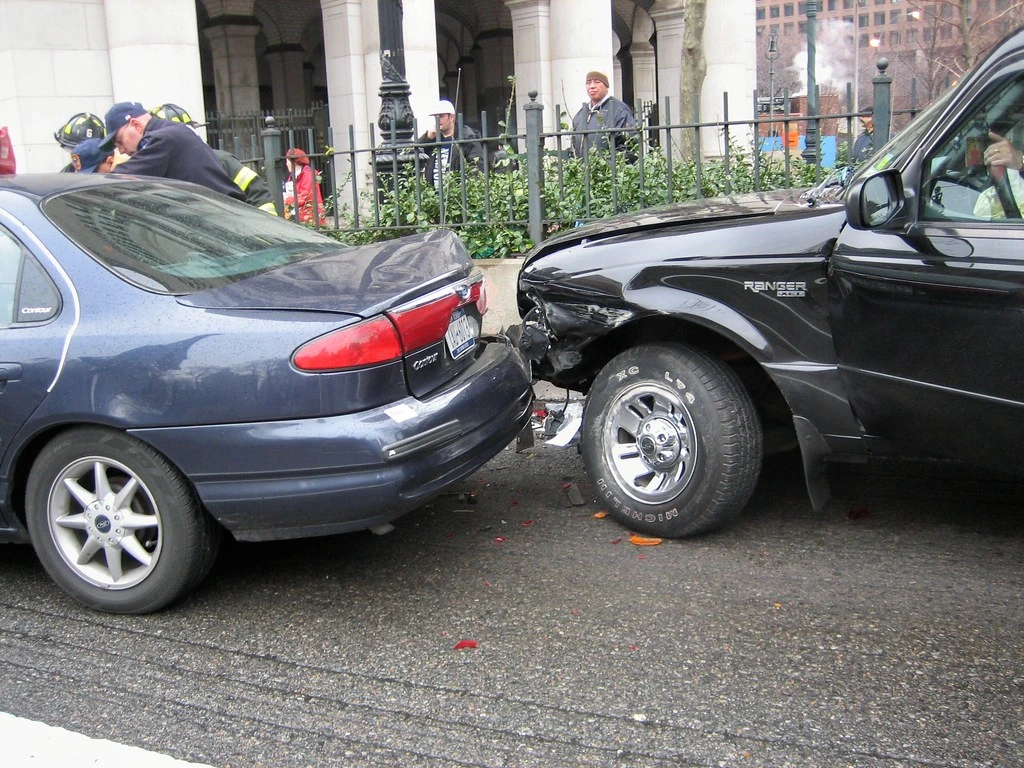
Role of a Lawyer in Minor Accident Cases
Even when damages seem small, an experienced Virginia car accident lawyer can prevent mistakes that reduce or eliminate your recovery. Their involvement goes beyond simply “sending a demand letter.”
1. Investigating and Preserving Evidence
- Reviewing police reports for inaccuracies.
- Contacting witnesses before memories fade.
- Securing surveillance or dashcam footage.
- Documenting vehicle damage before repairs erase evidence.
2. Navigating Contributory Negligence Risks
A lawyer can spot and counter arguments that might put even 1% of the blame on you , the threshold that bars recovery in Virginia.
3. Handling the Insurance Company
- Communicating directly with adjusters so you don’t accidentally harm your case.
- Rejecting lowball offers and pushing for accurate damage assessments.
- Ensuring medical bills and lien resolutions are handled properly.
4. Advising on Settlement vs. Litigation
Sometimes it makes sense to accept a fair offer quickly; other times, court is the better option. A lawyer can give a clear-eyed risk–reward assessment based on evidence and law.
5. Valuing Non-Economic Damages
Even a minor accident can cause pain, inconvenience, and anxiety. Lawyers know how to document these losses and factor them into negotiations.
Cost of Hiring a Lawyer for a Minor Accident
One of the biggest hesitations people have is whether legal fees outweigh the benefit of hiring a lawyer for a smaller claim.
Contingency Fee Structure in Virginia
- Most personal injury lawyers in Virginia work on a contingency basis , typically 33% to 40% of the settlement or verdict.
- You pay nothing upfront, and fees come from the final recovery.
When It May Not Make Financial Sense
If the total value of your claim (property damage + injury damages) is low, legal fees might eat up too much of your payout. This is why many lawyers decline purely property damage–only cases unless there are special circumstances.
When It’s Worth It Despite the Fee
- Injuries with ongoing treatment needs.
- Disputed liability where losing means getting nothing.
- Cases involving contributory negligence claims.
- Situations where a lawyer’s involvement significantly increases the offer.
Other Potential Costs
Even on contingency, you may owe for case expenses like filing fees, expert witnesses, or accident reconstruction , usually reimbursed from the settlement. A good lawyer will explain how these costs work before you sign an agreement.
Steps to Take After a Minor Car Accident in Virginia
Even if the crash seems small, following a clear process protects your health, your finances, and your ability to recover damages.
1. Ensure Safety First
- Move vehicles to a safe location if possible.
- Turn on hazard lights and check for injuries.
- Call 911 if anyone is hurt or if traffic hazards exist.
2. Call the Police
Virginia law requires you to report accidents involving injury, death, or property damage of $1,500 or more. While not legally required for very minor damage below this threshold, getting a police report can still help protect against future disputes about fault and circumstances.
3. Exchange Information
- Name, address, and contact details.
- Driver’s license number.
- Insurance company and policy number.
- Vehicle make, model, year, and plate number.
4. Document the Scene
- Take photos of vehicle damage, license plates, and the surrounding area.
- Photograph any skid marks, debris, or traffic signs.
- Capture weather and lighting conditions.
5. Seek Medical Attention
- Even if you feel fine, get checked by a doctor within 24–48 hours.
- Ask for written documentation of your visit.
- Keep all bills, prescriptions, and therapy records.
6. Notify Your Insurance Company
- Report the accident promptly as required by your policy.
- Provide basic facts only; avoid admitting fault or speculating.
7. Consult a Lawyer if Needed
If there is any dispute over fault, if injuries develop later, or if the insurer is uncooperative, a lawyer can step in to protect your claim.

Final Thoughts
Whether your accident seems minor or major, Virginia’s contributory negligence rule means even a small misstep can cost you your entire claim. What starts as a simple fender bender can become complicated if injuries appear later, fault is disputed, or the insurance company refuses to pay a fair amount.
If there is any doubt about your rights, the value of your claim, or how to handle the insurance process, it’s worth speaking to a Virginia car accident lawyer , even for a minor crash. A short consultation can give you peace of mind and ensure you don’t unintentionally give up the compensation you deserve.
FAQs: Should I Get a Lawyer for a Minor Car Accident in Virginia?
Q1: Do I have to report a minor car accident in Virginia?
Yes. State law requires reporting to police if there is any injury, death, or property damage, no matter how small.
Q2: Will my insurance rates go up after a minor accident?
Possibly. Even if you are not at fault, your insurer may still raise premiums depending on your claim history and policy terms.
Q3: How long do I have to file a claim?
Virginia’s statute of limitations is generally two years from the accident date for personal injury claims and five years for property damage claims.
Q4: Can I hire a lawyer later if I first try to handle it myself?
Yes, but it’s best to involve a lawyer early before you give statements, accept offers, or miss deadlines.
Q5: What if the other driver’s insurer refuses to pay?
You can pursue the claim through your own insurance, mediation, or by filing a lawsuit. A lawyer can advise on the best route.