
Can I Fire My Accident Lawyer in Virginia? A Complete Guide
If you’re wondering, “Can I fire my accident lawyer in Virginia?”, the short answer is yes, you have the legal right to change attorneys at any point in your case. But just because you can doesn’t always mean you should do it without careful consideration.
In Virginia, the attorney, client relationship is built on trust, communication, and a shared commitment to winning your case. When that relationship breaks down, whether due to poor communication, lack of progress, or disagreements about strategy, you may start questioning whether your current lawyer is the best person to represent you.
Firing your accident lawyer can have important legal, financial, and practical consequences. Depending on the stage of your case, switching lawyers might:
- Cause temporary delays in your claim
- Require your new lawyer to split fees with your old one
- Impact how insurance companies and opposing counsel handle your case
This guide will walk you through:
- Your legal rights when firing a lawyer in Virginia
- The most common reasons clients make a change
- How to minimize disruption to your case
- What to do before, during, and after firing your attorney
By the end, you’ll know how to make the decision that best protects your case, and your compensation.

Table of Contents
- Your Legal Right to Fire a Lawyer in Virginia
- Common Reasons People Fire Their Accident Lawyer
- How Firing Your Lawyer Can Affect Your Case
- Financial Implications of Firing Your Lawyer
- Steps to Take Before You Fire Your Accident Lawyer
- How to Officially Terminate Your Lawyer in Virginia
- Finding a Better-Fit Accident Lawyer
- Preventing the Need to Switch Lawyers in the First Place
- FAQs About Firing Your Accident Lawyer in Virginia
- Final Thoughts
Your Legal Right to Fire a Lawyer in Virginia
In Virginia, you have the absolute right to fire your lawyer at any time, whether you’re at the beginning of your claim, in the middle of negotiations, or even preparing for trial. The law recognizes that the attorney, client relationship must be based on trust and effective communication, if that breaks down, you’re free to seek new representation.
Virginia’s At-Will Rule for Attorney, Client Relationships
Under Virginia law, legal representation is generally “at will” for the client. This means:
- You can end the relationship without having to prove misconduct or negligence.
- You’re not required to give a specific reason for terminating your lawyer.
- You have the right to choose new representation at any stage of your case.
Possible Consequences to Keep in Mind
While you can legally fire your accident lawyer in Virginia, doing so can create ripple effects in your case:
- Financial Impact – If your lawyer worked on a contingency fee agreement, they may have a right to payment for the work they’ve already done, even if you switch to someone else.
- Attorney’s Lien – Your outgoing lawyer may file a lien against your settlement or verdict to recover their share of fees.
- Case Disruption – If your case is in an active litigation phase, switching lawyers could cause short delays while your new attorney reviews the file.
- Court Notifications – If a lawsuit has already been filed, the court must be formally notified and approve the change in representation.
Bottom line: In Virginia, you can fire your accident lawyer at any time, but it’s important to do so strategically to avoid delays, unnecessary costs, or weakening your position with the insurance company.
Common Reasons People Fire Their Accident Lawyer
Even though you can fire your accident lawyer in Virginia at any time, most clients don’t make that decision lightly. Usually, there’s a clear pattern of issues that leads them to look for new representation.
Here are the most common reasons people decide to switch lawyers after an accident:
1. Poor Communication
If your lawyer rarely returns calls or emails, you’re left feeling ignored.
- Long gaps between updates
- Vague or incomplete answers to your questions
- Speaking mostly with assistants instead of the lawyer you hired
In personal injury cases, where every detail matters, poor communication can leave you feeling powerless.
2. Lack of Progress
It’s normal for injury claims to take time, but if months pass without any visible progress, you have reason to be concerned.
- No clear timeline for next steps
- Missed opportunities to gather evidence early
- Deadlines approaching without action
3. Disagreement on Strategy
Sometimes you and your lawyer simply don’t agree on how to handle your case.
- You want to push for trial, they want to settle quickly
- They recommend accepting an offer you believe is too low
- They refuse to pursue certain damages you believe you’re entitled to
4. Pressure to Settle Too Early
If your lawyer is pushing you to accept a settlement before your medical treatment is complete, that’s a red flag.
- Early settlement can leave you paying future medical bills out of pocket
- Insurance companies benefit from quick settlements, not you
5. Concerns About Competence or Ethics
If you’ve lost confidence in your lawyer’s ability to win your case, it’s time to consider a change.
- Missed deadlines or procedural mistakes
- Poor preparation for negotiations or court
- Questionable billing or handling of settlement funds
Tip: Before making a final decision, it’s wise to discuss your concerns directly with your lawyer. In some cases, issues can be resolved with a candid conversation, but if trust is gone, switching may be your best option.

How Firing Your Lawyer Can Affect Your Case
Firing your accident lawyer in Virginia is your right, but it can have practical consequences that you should be prepared for. While switching attorneys can improve your case in the long run, there may be short-term challenges to manage.
1. Possible Delays
When you change lawyers, your new attorney will need time to review your file, understand the details, and develop a strategy. This can temporarily slow progress, especially if your case is already in the court system.
2. Impact on Negotiations
Insurance companies pay attention to who is representing you. A switch in lawyers might signal that there are internal problems with your case, which could make the insurer test your resolve with lower offers. An experienced replacement lawyer can counter this by immediately showing strength and preparedness.
3. Fee Adjustments
If you have a contingency fee agreement, your outgoing lawyer may be entitled to part of the final settlement for the work already done. This is usually resolved between the old and new lawyer but can slightly reduce your net payout.
4. Court Procedures
If your case has already been filed in court, you must notify the court of the change in representation. Your new lawyer will handle this process, but it is important to ensure there are no missed deadlines during the transition.
5. Fresh Legal Perspective
On the positive side, bringing in a new lawyer can give your case fresh energy, a different strategy, and renewed attention. If your previous attorney was not moving things forward, the change can strengthen your position.
Financial Implications of Firing Your Lawyer
Switching accident lawyers in Virginia is usually possible without paying anything upfront, but there are financial details you need to understand before making the change.
1. Contingency Fee Agreements
Most accident lawyers in Virginia work on a contingency fee basis. This means they are paid a percentage of your final settlement or court award, not an hourly rate.
- If you fire your lawyer, they may still be entitled to part of that fee based on the work they have already done.
- The exact percentage they can claim is usually outlined in your fee agreement.
2. Attorney’s Liens
If you change lawyers, your old attorney can place a lien on your settlement. This ensures they are compensated for the time and resources they invested in your case.
- Liens are typically paid out of your final settlement before you receive your portion.
- Your new lawyer will usually negotiate the lien amount with your old lawyer to keep it fair.
3. Case Costs
In addition to attorney fees, there are costs for things like medical records, expert witnesses, filing fees, and depositions.
- If your first lawyer advanced these costs, they may ask for reimbursement when you leave.
- Sometimes these costs can be rolled over to your new lawyer and deducted at the end of the case.
4. Fee Splitting Between Lawyers
When you hire a new lawyer, they may agree to split the contingency fee with your previous lawyer rather than billing you separately. This avoids you paying two full fees for the same case.
Key takeaway: Firing your lawyer will not usually require an out-of-pocket payment, but it can affect how your final settlement is divided. A clear discussion with your new lawyer about fees and liens will help you avoid surprises.
Steps to Take Before You Fire Your Accident Lawyer
While you have the right to change lawyers at any point, the way you handle the transition can make a big difference in protecting your case. Here are the steps you should take before making a final decision.
1. Review Your Fee Agreement
Carefully read the contract you signed when you hired your lawyer. Look for:
- Termination clauses explaining how fees and costs will be handled
- Any notice requirements
- Language about attorney’s liens
Understanding your agreement will help you avoid unexpected costs.
2. Document Your Concerns
Write down specific examples of why you are unhappy with your lawyer’s performance.
- Missed calls or slow responses
- Lack of updates on your case
- Disagreements over settlement strategy
Keeping a written record helps you explain your decision to your new lawyer and, if needed, negotiate fee disputes.
3. Seek a Second Opinion
Before making the change, consult with another accident lawyer in Virginia.
- Share your concerns and ask how they would handle your case differently
- Confirm they are willing to take over your case immediately
4. Secure a Replacement Lawyer First
Never fire your current lawyer until you have a new one ready to take over. This prevents delays, missed deadlines, and gaps in legal representation.
5. Gather Case Information
Ask your current lawyer for:
- Copies of your case file
- Medical records and bills
- Correspondence with insurance companies
If they refuse, your new lawyer can formally request the file after you switch.
Tip: Making the transition with preparation and a replacement lawyer in place will protect your case and reduce the risk of delays or disputes.

How to Officially Terminate Your Lawyer in Virginia
Once you have chosen a new lawyer and prepared your transition, you can formally end your relationship with your current attorney. The process is straightforward but should be handled professionally to protect your case and avoid unnecessary conflict.
Step 1: Put It in Writing
Prepare a written termination letter that clearly states:
- You are ending their representation
- The date the termination is effective
- A request for your complete case file
Keep your letter short and factual. Avoid personal attacks or emotional language.
Step 2: Deliver the Letter Properly
Send the termination letter by certified mail or another method that provides proof of delivery. Keep a copy for your own records.
Step 3: Notify Your New Lawyer
Provide your new attorney with:
- A copy of your termination letter
- The contact details of your previous lawyer
- Any documents you already have from your case
Your new lawyer will contact the previous one to request your case file and handle fee or lien discussions.
Step 4: Inform the Court (If Applicable)
If your case is already in litigation, your lawyer must formally withdraw from the case with the court’s approval. Your new lawyer will file a “Substitution of Counsel” form so the court recognizes the change.
Step 5: Track the Transition
Follow up to confirm that:
- Your new lawyer has received your full case file
- The court (if involved) has updated its records
- Your previous lawyer has acknowledged the termination in writing
Key point: A clean, documented termination process ensures there is no confusion about representation and reduces the chances of disputes over fees or case control.
Finding a Better-Fit Accident Lawyer
Once you decide to fire your current accident lawyer in Virginia, the next step is finding an attorney who is a better match for your needs. The right lawyer can improve communication, strategy, and results.
1. Look for Relevant Experience
Choose a lawyer who regularly handles cases similar to yours.
- Car accident claims with serious injuries
- Truck or motorcycle accident cases
- Experience dealing with Virginia’s contributory negligence rule
The more familiar they are with your type of case, the faster they can step in and move it forward.
2. Prioritize Communication Style
Good communication is one of the top qualities clients want in a lawyer.
- Ask how often you can expect updates
- Find out if you will work directly with the lawyer or mostly with staff
- Ensure they respond promptly to calls and emails
3. Review Their Track Record
Research their history of settlements and verdicts in Virginia accident cases.
- Look for consistent results
- Check for cases similar to yours
- Review client testimonials and independent ratings
4. Ask the Right Questions During Consultation
When meeting with potential lawyers, ask:
- How will you take over my case from my current lawyer?
- What is your plan for moving my case forward quickly?
- How do you handle fee disputes with prior attorneys?
5. Check for Professional Standing
Verify that the lawyer is in good standing with the Virginia State Bar and has no recent disciplinary actions.
Tip: Choosing carefully now can prevent you from going through another lawyer switch later, saving you time, money, and stress.

Preventing the Need to Switch Lawyers in the First Place
Firing your accident lawyer in Virginia can be disruptive, even when it improves your case in the long run. The best approach is to make the right choice from the beginning so you don’t have to switch later.
1. Do Thorough Research Before Hiring
- Look for lawyers with proven experience in Virginia personal injury law.
- Read client reviews and check independent ratings.
- Research their track record with cases similar to yours.
2. Ask Detailed Questions Upfront
Before signing a fee agreement, ask:
- How often will you update me on my case?
- Will I speak directly with you or mostly with your staff?
- How do you handle cases where the insurance company refuses to settle?
3. Set Expectations Early
Make sure you and your lawyer agree on:
-
- Communication methods and frequency
- Your role in gathering documents or evidence
- Realistic timelines for your case
4. Watch for Red Flags
If you notice these signs early, reconsider before committing:
- Avoiding your questions or giving vague answers
- Pressuring you to settle quickly without full evaluation
- No clear plan for building your case
Key takeaway: Careful vetting and clear communication from the start can help ensure a strong, productive attorney, client relationship and reduce the risk of needing to make a change later.
FAQs About Firing Your Accident Lawyer in Virginia
1. Can I fire my accident lawyer right before trial?
Yes, you can. However, if your case is close to trial, switching lawyers may cause delays while the new attorney gets up to speed. Judges may be less willing to postpone proceedings without a strong reason.
2. Will I owe my lawyer money if I fire them?
If you have a contingency fee agreement, your old lawyer may be entitled to payment for the work they have already done. This amount is typically taken from your final settlement and worked out between both lawyers.
3. How do I know if switching lawyers is the right move?
If you have lost trust in your lawyer, feel they are not prioritizing your case, or have significant disagreements over strategy, it may be time to change. Speaking with another attorney for a second opinion can help you decide.
4. Can my old lawyer stop my new lawyer from taking over my case?
No. You have the right to choose your legal representation. While your old lawyer can assert a lien for fees or costs, they cannot block you from hiring someone else.
5. What happens if both lawyers want a portion of my settlement?
Fee disputes are usually handled between the lawyers, not the client. Your new lawyer will work to resolve the division of fees so it does not delay your payout.
Final Thoughts
If you are asking yourself, “Can I fire my accident lawyer in Virginia?”, the answer is yes, but the timing and manner in which you do it matter. You have the right to choose an attorney who communicates well, protects your interests, and moves your case forward effectively.
Before making a change, review your agreement, line up a replacement, and understand how fees and case costs will be handled. A well-planned transition can protect your claim and position you for a stronger settlement or verdict.
In Virginia’s contributory negligence system, every detail counts. If your current lawyer is not giving your case the attention it needs, it may be time to take control and find one who will.
When to Hire a Car Accident Lawyer in Virginia?
After a car accident, most people focus on medical treatment and vehicle repairs. But in Virginia, there’s something just as urgent: deciding when to hire a car accident lawyer. The timing of this decision can determine whether you receive full compensation or walk away with nothing at all.
Virginia is one of the few states that follows the pure contributory negligence rule. This means that if you are found even 1% at fault for the accident, you may be barred from recovering any compensation, regardless of how serious your injuries are.
Insurance companies know this. And they often use it to pressure victims into quick settlements or deny valid claims outright.
This guide will help you understand:
- The scenarios where legal help is essential
- How Virginia’s laws uniquely affect your rights
- What a lawyer can do to protect and strengthen your case
- Why waiting too long to hire a lawyer could cost you your entire claim
Whether you’re dealing with serious injuries, disputed fault, or simply don’t trust the insurance process, this blog will help you decide when it’s time to get legal support.

Table of Contents
- 1. How Car Accident Claims Work in Virginia
- 2. Situations Where You Should Hire a Lawyer Immediately
- 3. What a Car Accident Lawyer Actually Does for You
- 4. Cost of Hiring a Car Accident Lawyer in Virginia
- 5. Signs You May Not Need a Lawyer (But Be Careful)
- 6. How Insurance Companies Try to Undermine Your Claim
- 7. Legal Deadlines to Know (Statute of Limitations)
- 8. Final Thoughts: Protect Your Claim and Your Future
- 9. FAQs About Hiring a Car Accident Lawyer in Virginia
1. How Car Accident Claims Work in Virginia
Before deciding whether or when to hire a car accident lawyer in Virginia, it’s important to understand how the claims process works in this state. Unlike no-fault states, Virginia uses a fault-based system, but with one very strict rule that sets it apart.
Fault-Based Insurance System
Virginia follows a traditional tort system, meaning the party who caused the accident (and their insurer) is financially responsible for damages. If you’re the victim, you can:
- File a claim with your own insurance company (who may then seek reimbursement from the at-fault party)
- File a third-party claim directly with the at-fault driver’s insurer
- File a lawsuit against the at-fault driver in court
The Pure Contributory Negligence Rule
This is where Virginia differs dramatically from most states. Virginia is one of only a handful of states that uses pure contributory negligence, which means:
If you’re found to be even 1% at fault, you are legally barred from recovering damages.
This applies even if the other party was 99% at fault. It’s one of the toughest negligence rules in the country and makes it very difficult to win a claim without legal representation, especially if there’s any dispute over how the crash occurred.
Who Determines Fault?
Initially, fault is determined by:
- The police report
- Statements from both drivers
- Witness accounts
- Physical evidence (photos, skid marks, traffic cameras)
- Insurance adjuster investigations
If the case goes to court, a judge or jury will decide based on presented evidence.
Because of the contributory negligence standard, insurance companies often try to shift any percentage of fault to the victim to avoid paying. A skilled attorney can challenge this strategy with evidence, legal arguments, and expert testimony.
Common Types of Compensation Available
If you’re not found at fault, you may be eligible to recover:
- Medical expenses (current and future)
- Lost wages and loss of earning potential
- Pain and suffering
- Property damage
- Wrongful death damages (if applicable)
2. Situations Where You Should Hire a Lawyer Immediately
There are certain circumstances where hiring a car accident lawyer is not just helpful, it’s essential. In these scenarios, failing to get legal representation early can directly impact your ability to recover damages or even file a claim at all.
Here’s when you should contact a lawyer without delay:
You Suffered Serious or Long-Term Injuries
- If your injuries involve surgery, rehab, or long-term care
- If you’re facing permanent disability or disfigurement
- If you’re unsure how much your future medical bills will cost
In serious cases, an attorney can work with doctors and financial experts to accurately calculate your damages and ensure you’re not underpaid.
Fault Is Being Disputed
- If the other driver denies responsibility
- If the police report contains inaccuracies
- If there’s limited evidence or conflicting witness statements
In Virginia, where even 1% fault kills your case, having a lawyer to build your defense is critical.
You Received a Lowball Settlement Offer
Insurance companies often offer a quick payout before you fully understand your injuries or your rights. A lawyer can:
- Review the offer
- Negotiate for full and fair compensation
- Prevent you from signing away your future claims
A Loved One Was Killed in the Crash
Wrongful death cases are legally complex and emotionally difficult. A lawyer helps:
- File the claim on behalf of the estate or family
- Calculate both financial and emotional losses
- Handle legal deadlines and procedures while you focus on healing
There Were Multiple Vehicles Involved
Multi-vehicle crashes raise questions about:
- Chain reactions
- Shared fault
- Comparative evidence from several drivers and insurers
An attorney can determine who is truly liable and hold all responsible parties accountable.
The Other Driver Was Uninsured or Underinsured
In Virginia, some drivers carry minimal coverage, or none at all. A lawyer can:
- Help you file an uninsured motorist (UM) or underinsured motorist (UIM) claim
- Deal with your own insurer’s denials or delays
- Identify other recovery options, such as third-party liability

3. What a Car Accident Lawyer Actually Does for You
Many people assume lawyers only get involved when lawsuits are filed. But in car accident cases, a good attorney provides value from day one, even before formal legal action begins.
Here’s what a lawyer does to protect your interests:
Investigates the Crash and Preserves Evidence
- Reviews police reports, medical records, and photographs
- Interviews witnesses
- Retrieves surveillance footage, dashcam evidence, and phone records
- Reconstructs the accident, if needed, using experts
Builds a Strong Liability Case Under Virginia Law
- Analyzes contributory negligence arguments
- Counters the insurer’s attempts to assign fault to you
- Applies relevant state traffic and insurance statutes
This is especially important in Virginia, where proving 100% fault on the other party is the only way to win.
Calculates and Proves All Damages
- Medical expenses (past, present, future)
- Lost income and reduced earning potential
- Pain and suffering
- Emotional distress and loss of enjoyment
- Property damage
Lawyers also handle complex medical liens and insurance subrogation so you’re not surprised with bills after your case is settled.
Handles All Communications with Insurance Companies
- Prevents you from making statements that could hurt your claim
- Pushes back against stalling or bad-faith tactics
- Negotiates aggressively for the settlement you deserve
Prepares Your Case for Trial if Necessary
Most cases settle, but if yours doesn’t, a lawyer will:
- File the lawsuit on time
- Prepare evidence and witness lists
- Represent you in court, mediation, or arbitration
4. Cost of Hiring a Car Accident Lawyer in Virginia
One of the most common concerns after a crash is, “Can I even afford a lawyer?” The good news is that most car accident lawyers in Virginia work on a contingency fee basis, meaning there’s no upfront cost and no payment unless they recover money for you.
What Is a Contingency Fee?
- You pay nothing out of pocket to start
- The lawyer takes a percentage (typically 33%-40%) from your final settlement or court award
- If your lawyer doesn’t win your case, you owe nothing in fees
This structure allows injury victims to access experienced legal help regardless of income or financial stress after a crash.
Why It’s Still Worth It Financially
Even after legal fees are deducted, most people end up with more money when they hire a lawyer. According to studies, personal injury claimants represented by attorneys receive settlements that are 3 to 4 times higher on average than those who go it alone.
In short: A lawyer not only costs you nothing up front, but often helps you recover far more than you would on your own.
5. Signs You May Not Need a Lawyer (But Be Careful)
Not every car accident requires legal representation. In some minor, clear-cut cases, you may be able to handle the claim yourself, especially if:
a. There Were No Injuries
If the crash caused only minor property damage and no one was hurt, you might not need a lawyer. Most insurers can resolve these claims quickly with documentation and receipts.
b. The Other Driver Fully Admits Fault
If the at-fault driver accepts 100% responsibility, and their insurance company is cooperating, you might manage the claim without legal help, as long as you stay cautious.
c. The Medical Costs Are Minimal and Clear
If you had one urgent care visit, no ongoing treatment, and your bills are small and well-documented, it may not be necessary to involve an attorney.
Important Warning: Many Cases Start Small and Get Worse
Even “minor” injuries like whiplash or back pain can worsen days or weeks later. If you settle early, you lose the right to ask for more money later.
Also, remember that Virginia’s contributory negligence rule is unforgiving. If the insurer can argue you’re even slightly at fault, they may deny your claim entirely, even in what looks like a simple case.
When in doubt, a free consultation with a lawyer can help you confirm whether you need representation, without obligation.

6. How Insurance Companies Try to Undermine Your Claim
Even when fault seems clear, insurance companies don’t pay easily, especially under Virginia’s pure contributory negligence rule. Their goal is to minimize what they owe, and they use subtle tactics to do it.
Here’s how they work against your claim:
Asking for a Recorded Statement
They may call shortly after the crash and sound helpful, but they’re trained to get you on record saying something that suggests partial fault or downplays your injury. Even innocent phrases like “I didn’t see them” or “I feel fine” can hurt your claim.
Tip: You’re not required to give a recorded statement to the other driver’s insurer. Talk to a lawyer first.
Delaying the Process
Insurers may:
- Stall investigations
- “Lose” paperwork
- Take weeks to respond to basic questions
They know the longer you wait, especially without legal help, the more likely you are to accept a low offer out of frustration or financial pressure.
Offering a Quick but Inadequate Settlement
Some insurers offer money fast before you understand the full extent of your injuries. They want you to sign a release that prevents you from claiming more, even if medical issues appear later.
A lawyer can calculate your real damages, including future costs, so you don’t accept too little too soon.
Using Contributory Negligence Against You
Virginia’s strict rule means even 1% fault bars recovery. Insurers know this, and they’ll look for any excuse to pin partial blame on you, even something as minor as:
- Not braking quickly enough
- Being slightly over the speed limit
- Saying something unclear at the scene
An experienced attorney knows how to push back and protect your claim from unfair blame.
7. Legal Deadlines to Know (Statute of Limitations)
In Virginia, the clock starts ticking the day your accident happens. If you miss the legal deadline to file, you lose your right to sue, forever.
Here are the key deadlines:
a. Personal Injury Claims
You have 2 years from the date of the accident to file a lawsuit for injuries.
b. Property Damage Claims
You have 5 years to recover compensation for vehicle or property damage.
c. Wrongful Death Cases
If a loved one died from accident injuries, you have 2 years from the date of death to file a wrongful death claim.
Why You Shouldn’t Wait
Even if you’re within the deadline:
- Evidence fades (surveillance footage is erased, witnesses forget)
- Insurers delay, hoping you’ll run out of time
- Negotiating from behind weakens your position
Getting legal help early improves your leverage and gives your lawyer time to build the strongest possible case.
8. Final Thoughts: Protect Your Claim and Your Future
In Virginia, hiring a car accident lawyer isn’t just about getting legal advice, it’s about protecting your right to recover anything at all. With one of the strictest fault rules in the country, even a minor misstep can leave you with unpaid bills, long-term injuries, and no legal recourse.
If your accident involved injuries, disputed fault, aggressive insurance tactics, or any uncertainty at all, don’t leave your future to chance.
Talk to a Virginia car accident lawyer early. Let them deal with the legal pressure while you focus on healing.
9. FAQs About Hiring a Car Accident Lawyer in Virginia
Do I really need a lawyer for a car accident in Virginia?
If there are injuries, fault is unclear, or the insurance company isn’t treating you fairly, yes. Virginia’s contributory negligence rule makes even “simple” cases risky if you go it alone.
What if I can’t afford an attorney right now?
Most car accident lawyers work on a contingency fee basis, meaning you pay nothing upfront. You only pay if they win or settle your case.
When should I hire a lawyer after an accident?
As soon as possible, ideally before speaking to any insurance adjuster. Early legal help protects evidence, prevents mistakes, and strengthens your case from day one.
Can I handle my case without a lawyer if it’s minor?
Possibly. If there are no injuries, no dispute about fault, and minimal property damage, you may not need representation. But always be cautious, small injuries can turn serious later.
What if I was partially at fault?
In Virginia, even 1% fault bars you from recovery. This is why insurance companies try hard to assign blame. A lawyer can help fight this and present your side effectively.
How long do I have to file a claim?
- 2 years for injury claims
- 5 years for property damage
- 2 years from date of death for wrongful death cases
Don’t wait. The sooner you act, the stronger your position.
When to Consult a Lawyer for a Truck Accident in Virginia
If you’re asking when to consult a lawyer for a truck accident in Virginia, the answer is simple: as soon as possible, especially if you’ve been injured, lost a loved one, or are facing pressure from insurers.
Truck accidents aren’t like typical car crashes. They involve federal regulations, corporate insurers, high-value claims, and often multiple liable parties. The legal and financial stakes are much higher, and trucking companies move fast to protect their interests, not yours.
In Virginia, waiting too long can cost you everything. Evidence like black box data, driver logs, and dashcam footage can disappear quickly. And because Virginia follows a strict contributory negligence rule, even a small delay or misstep can give insurers an excuse to deny your claim entirely.
In this guide, we’ll break down:
- When legal help becomes absolutely necessary
- What makes truck accidents legally different in Virginia
- How a lawyer can protect your rights, preserve key evidence, and maximize your compensation
- Why consulting early is often the difference between a full recovery and no recovery at all
Let’s start with what makes truck accident claims so complex, and why that complexity works against victims who wait too long.

Table of Contents
- 1. Unique Legal Challenges in Virginia Truck Accidents
- 2. When to Consult a Lawyer Immediately (Non-Negotiable Situations)
- 3. Early Legal Help Protects Evidence and Builds a Stronger Case
- 4. How a Truck Accident Lawyer Adds Value to Your Case
- 5. Common Mistakes People Make Without Legal Help
- 6. Final Thoughts: Why Early Legal Help Matters in Virginia Truck Cases
- 7. FAQs About Hiring a Truck Accident Lawyer in Virginia
1. Unique Legal Challenges in Virginia Truck Accidents
Truck accident cases in Virginia are governed by multiple layers of law, including both state-level tort law and federal trucking regulations. This makes them more complex than typical car accident claims, and far more difficult to resolve without legal expertise.
Here’s why:
Federal Oversight Through FMCSA
Commercial trucks operating across state lines are regulated by the Federal Motor Carrier Safety Administration (FMCSA). This means your case may involve violations of federal safety standards, such as:
-
- Hours-of-Service (HOS) limits to prevent driver fatigue
- Drug and alcohol testing requirements
- Vehicle maintenance and inspection schedules
- Driver qualification standards
- Cargo loading rules, especially for hazardous materials
Violations of these rules can establish negligence per se, a legal shortcut to proving fault.
Virginia’s Contributory Negligence Rule
Virginia is one of just five states that still follow the strict pure contributory negligence doctrine.
This means:
If you’re found to be even 1% at fault, you may be barred from recovering any compensation.
Trucking companies and insurers aggressively use this rule to deny or minimize payouts. They may argue:
- You were speeding
- You failed to yield
- You weren’t wearing a seatbelt
- You contributed to the crash in any small way
Without legal defense, even minor mistakes can derail a legitimate claim.
Multiple Liable Parties
Truck accidents often involve more than one liable party, such as:
- The driver (for negligence or fatigue)
- The trucking company (for poor hiring, training, or maintenance)
- A cargo loader (for improper loading or unbalanced weight)
- A truck manufacturer (for mechanical failure)
- A third-party logistics company or broker
Each party may be represented by different insurers or legal teams, complicating liability, negotiations, and evidence collection.
Evidence Is Controlled by the Other Side
Much of the critical evidence in a truck accident case, like Electronic Control Module (ECM) or “black box” data, driver logs, maintenance records, and dashcam footage, is in the hands of the trucking company. Without early legal intervention:
- These records can be legally destroyed after a short time
- The company may delay or refuse voluntary release
- Important details may be “lost” unless a spoliation letter is sent early
Only an attorney can preserve this evidence through proper legal procedures.
Higher Stakes, Bigger Defense
Trucking companies and their insurers face major financial exposure in crash cases. It’s not uncommon for damages to exceed $500,000 to $1 million, especially if the crash caused:
- Severe injuries or disability
- Death
- Long-term loss of income or quality of life
Because of these high stakes, commercial insurers often assign specialized defense teams to minimize liability and pressure victims into early, lowball settlements.
In short: Truck accident cases in Virginia are governed by complex federal and state laws, stacked against injured victims, and designed to protect carriers, not civilians. You need experienced legal representation to level the field.
2. When to Consult a Lawyer Immediately (Non-Negotiable Situations)
After a truck accident in Virginia, there are specific situations where consulting a lawyer is not just helpful, it is critical. These cases carry legal risks, potential evidence loss, and aggressive insurance tactics that can all work against you if you delay.
If any of the following apply, you should speak to a truck accident attorney right away.
You Suffered Serious or Permanent Injuries
Severe injuries lead to high medical bills, missed work, and long-term recovery needs. The more serious your condition, the more likely it is that:
- The insurance company will push back on the value of your claim
- You will need expert help calculating future losses
- You risk accepting a lowball settlement before the full impact is known
A Loved One Died in the Crash
Wrongful death claims are highly complex. You must:
- Determine who has legal standing to file
- Document all financial and emotional losses
- File within the statute of limitations
- Respond to any insurer disputes over fault
In these cases, legal support is essential for protecting the interests of surviving family members.
The Trucking Company or Insurer Contacts You
If the other party’s insurer or legal team reaches out to you, their goal is to limit your claim, not help you. Common tactics include:
- Asking for a recorded statement
- Offering a quick, low settlement
- Asking misleading or incomplete questions
- Pressuring you to waive future legal rights
You should never speak to them directly without legal counsel.
You Are Being Blamed for the Crash
In Virginia, even a small share of fault can void your entire claim under the contributory negligence rule. If:
- The insurer claims you were speeding
- There is a dispute over who had the right of way
- The truck driver’s report contradicts your version of events
…you need a lawyer to gather evidence and defend your position.
There Are Multiple Vehicles or Parties Involved
Multi-vehicle crashes or incidents involving subcontractors (like cargo loaders or logistics companies) require:
- Investigating who controlled which aspect of the truck
- Filing against multiple insurance policies
- Managing communications across several legal teams
Without experienced representation, it is easy to miss out on available compensation.
Black Box or Camera Evidence May Be Lost
The truck’s onboard systems record critical data, including speed, braking, and driver behavior. Most systems auto-delete within weeks unless preserved. Without a lawyer:
- You may miss the window to request preservation
- The trucking company may legally destroy the data
- Key crash footage may be erased
Your Medical Bills Are Stacking Up or You’re Missing Work
If your injury has affected your job or created medical debt, an attorney can:
- Help calculate current and future lost wages
- Identify all available coverage, including underinsured motorist policies
- Prevent insurers from exploiting your financial pressure to settle early
If any of the above apply, legal consultation should not be delayed. Your future financial stability and access to justice may depend on early action.

3. Early Legal Help Protects Evidence and Builds a Stronger Case
One of the biggest mistakes victims make after a truck accident is waiting too long to involve a lawyer. Time isn’t neutral. Every day that passes after the crash, valuable evidence can be lost, altered, or destroyed , especially in cases involving commercial vehicles.
Hiring a lawyer early ensures your rights are protected, and critical case-building steps are taken before the trucking company gains the upper hand.
Preserving Black Box and Electronic Data
Most commercial trucks have an Electronic Control Module (ECM) or “black box” that records:
- Vehicle speed
- Brake application
- Sudden stops
- Hours driven
- Engine faults and malfunctions
This data can prove whether the driver was speeding, braking too late, or driving while fatigued. However, this information can be overwritten or deleted automatically unless your lawyer acts quickly with a legal notice to preserve it.
Driver Logs and Hours of Service Records
Federal law requires commercial truck drivers to follow strict Hours of Service (HOS) regulations. These are designed to prevent fatigue-related accidents. A lawyer can:
- Request electronic or paper logbooks
- Check for falsifications or gaps
- Compare logs with GPS, tolls, and fuel records to expose violations
Without prompt action, these records may be discarded or manipulated.
Vehicle Maintenance and Inspection Records
Commercial carriers are required to:
- Perform routine truck inspections
- Address maintenance problems promptly
- Document compliance under FMCSA rules
If poor maintenance , like worn brakes or bald tires , contributed to the crash, these records are vital. A lawyer will request them before the trucking company can argue that they do not exist.
Spoliation Letters to Prevent Evidence Destruction
Lawyers often send a spoliation letter , a formal legal notice requiring the trucking company to preserve all relevant evidence. This includes:
- Dashcam footage
- Phone records
- Hiring and training documentation
- Cargo manifests
- Repair invoices
If the company fails to comply, the court can impose sanctions or allow juries to infer that destroyed evidence would have harmed the defendant’s case.
Witness Identification and Statements
The sooner a lawyer is involved, the more likely they can:
- Locate and interview eyewitnesses
- Preserve reliable statements
- Dispute the trucking company’s version of events
Memories fade quickly, and unrepresented victims often fail to collect crucial testimony in time.
Accident Reconstruction and Expert Analysis
In serious injury or death cases, your lawyer may bring in:
- Accident reconstruction experts to analyze skid marks, crash angles, and impact zones
- Trucking safety experts to interpret logbooks, weight limits, and operational violations
- Medical or economic experts to quantify long-term damages
This expert input becomes harder to coordinate the longer you wait after the crash.
4. How a Truck Accident Lawyer Adds Value to Your Case
Truck accident victims often ask, “Do I really need a lawyer, or can I just deal with insurance?” The answer depends on one key fact , trucking companies are prepared to defend every claim. You should be just as prepared to protect yours.
A Virginia truck accident attorney does far more than file paperwork. They serve as your investigator, advocate, and strategic negotiator, helping you avoid mistakes, build leverage, and pursue the full compensation you’re entitled to.
1. Identifying All Liable Parties
Truck accident liability is rarely simple. A lawyer will:
- Determine whether the driver, carrier, broker, or third-party contractor shares fault
- Examine ownership, lease, and employment structures
- Trace responsibility through contracts, logs, and communication records
Missing a liable party could mean leaving hundreds of thousands of dollars off the table.
2. Calculating the Full Value of Your Claim
Many victims underestimate what their case is worth. A lawyer ensures all categories of loss are accounted for:
- Emergency treatment, surgery, and rehabilitation
- Ongoing medical care or assistive devices
- Lost income and reduced earning capacity
- Pain, suffering, trauma, and life disruption
- Vehicle damage and out-of-pocket costs
Your attorney may also use medical and economic experts to project future damages , critical for serious injury or permanent disability claims.
3. Negotiating with Commercial Insurers
Trucking companies often carry high-limit policies, but that doesn’t mean they’ll pay fairly. Insurance carriers use teams of adjusters and legal advisors trained to:
- Deny or delay claims
- Shift blame to you
- Minimize injury severity
- Push early, lowball settlements
An attorney knows how to counter these tactics with legal pressure, documented evidence, and strategic timing.
4. Preparing for Trial (and Using That Leverage Wisely)
If negotiations stall, your lawyer will:
- File a lawsuit in the correct jurisdiction
- Prepare pleadings, discovery requests, and motions
- Present evidence in court, if necessary
Even if your case never goes to trial, the willingness to litigate increases your bargaining power. Insurance companies often offer better settlements once legal action begins.
5. Protecting You From Costly Mistakes
With an attorney by your side, you avoid:
- Saying the wrong thing in a recorded statement
- Missing deadlines like the statute of limitations
- Accepting settlements that don’t cover future needs
- Navigating confusing medical billing and lien negotiations on your own
In short, legal guidance reduces stress and improves your outcome.
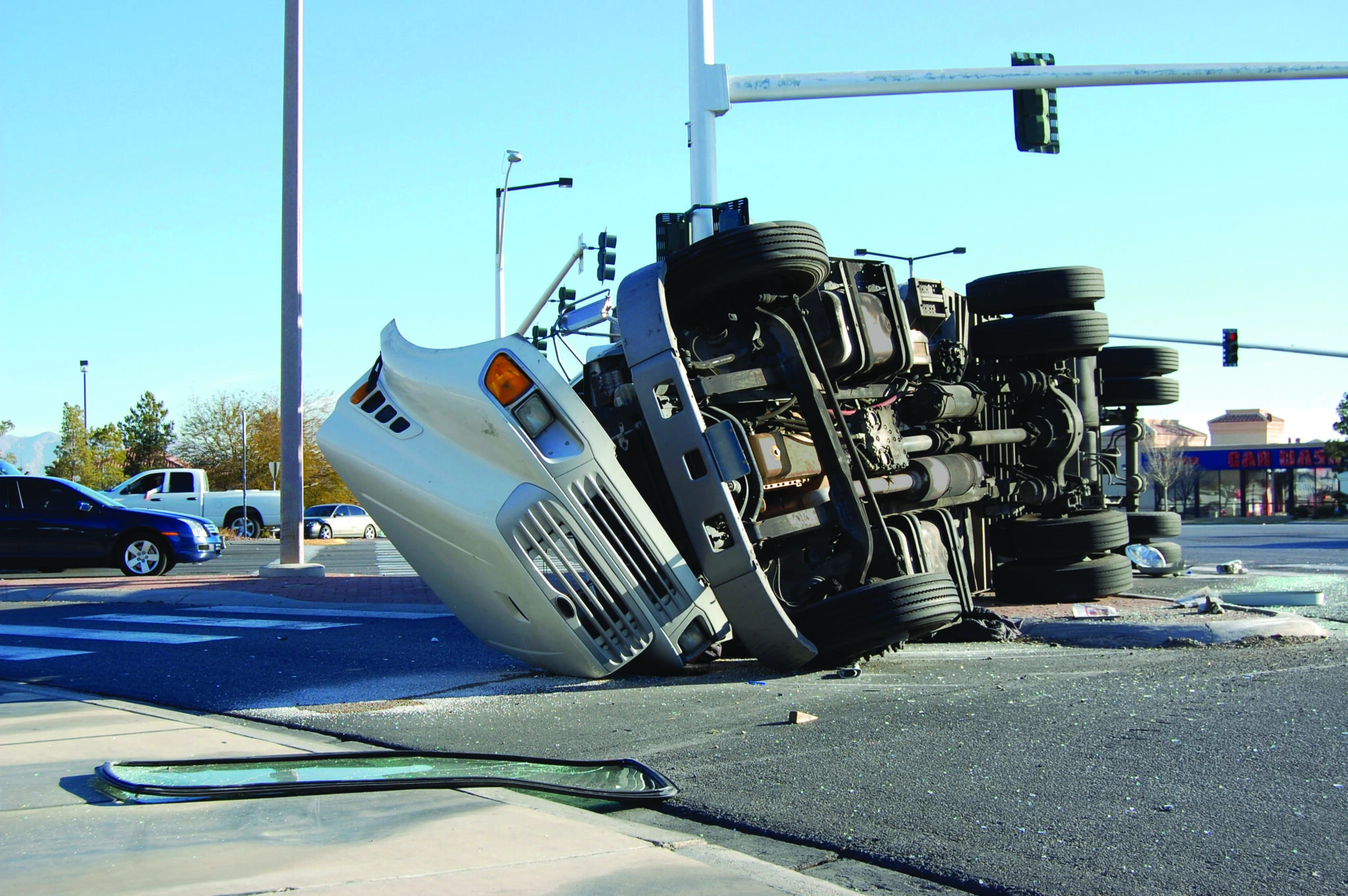
5. Common Mistakes People Make Without Legal Help
In the aftermath of a truck accident, victims often try to handle things on their own , either to avoid legal fees, because they think the process is simple, or because the trucking company’s insurer seems cooperative at first.
Unfortunately, this leads to mistakes that cost people tens of thousands of dollars, or even their entire case.
If you don’t know Virginia law, commercial insurance strategy, or the rules around evidence, it’s easy to fall into traps. Below are the most common mistakes that occur when someone delays or avoids hiring a truck accident lawyer.
1. Giving a Recorded Statement to the Trucking Company’s Insurer
Insurers may seem helpful when they call, but their goal is to limit liability.
They ask leading questions or use your words against you to:
- Shift blame
- Downplay injuries
- Create inconsistencies in your story
Once a damaging statement is on record, it becomes difficult to reverse , even if you were in the right.
2. Accepting a Quick Settlement Offer
Trucking insurers are known to offer early settlements, especially before:
- You understand the full cost of medical care
- You receive a long-term diagnosis
- You calculate lost wages or future disability
These offers are designed to look fair but severely undervalue what you’re legally entitled to.
Once accepted, you typically waive your right to pursue additional compensation , even if new medical problems arise.
3. Failing to Document Medical Treatment Properly
If you don’t follow up on treatment, skip doctor visits, or fail to document your symptoms:
- Insurers will argue your injuries aren’t serious
- Jurors may question your credibility
- You may lose access to key damages like pain and suffering or long-term care
Lawyers help ensure your medical timeline and records support your case.
4. Waiting Too Long to File or Take Legal Action
Virginia’s statute of limitations for personal injury claims is two years from the date of the crash. But you should not wait that long.
- Evidence degrades
- Witnesses forget
- Black box data may be deleted
- Insurance companies grow more skeptical over time
Delays weaken your case and reduce your bargaining power.
5. Assuming the Truck Driver is the Only One at Fault
Many victims sue only the driver, overlooking potential liability from:
- The trucking company
- The vehicle maintenance provider
- The cargo loader or shipper
- Third-party brokers or contractors
This can significantly limit your compensation, especially in catastrophic injury cases. Lawyers investigate deeper.
6. Misjudging How Virginia’s Fault Laws Work
Remember, Virginia uses pure contributory negligence. If you are even 1 percent at fault, you may recover nothing.
Insurers will exploit this rule aggressively. Without legal help, you may unknowingly say or do something that harms your claim under this strict standard.
6. Final Thoughts: Why Early Legal Help Matters in Virginia Truck Cases
Truck accidents are not routine fender benders. They involve powerful commercial vehicles, federal regulations, and insurance teams trained to protect company profits , not your future.
If you’ve been involved in a truck accident in Virginia, timing matters more than you think. The longer you wait to consult a lawyer, the more likely it is that:
- Key evidence is lost or overwritten
- The trucking company controls the narrative
- Insurance adjusters use contributory negligence to deny your claim
- You settle for less than you need to recover
Whether you’re dealing with catastrophic injury, wrongful death, or even complex fault issues, legal help early on can protect your rights and give you a real chance at justice.
Don’t wait until you’re overwhelmed. Consult a lawyer who understands Virginia law and the trucking industry , and who can start protecting your case from day one.
7. FAQs About Hiring a Truck Accident Lawyer in Virginia
Do I need a lawyer for every truck accident case?
If there are serious injuries, disputed fault, or multiple parties involved, yes. The complexity and financial stakes are much higher than in car accidents.
What if I can’t afford a lawyer right now?
Most truck accident lawyers in Virginia work on a contingency fee basis. That means you pay nothing up front, and only pay if they win or settle your case.
How soon after a truck accident should I contact a lawyer?
Immediately. Evidence like black box data and driver logs may be lost within days or weeks. The sooner your lawyer starts preserving it, the stronger your case.
Can I still recover compensation if the driver was an independent contractor?
Possibly. Liability may still fall on the carrier, broker, or another party. An attorney can investigate contracts and chain of responsibility.
How long do I have to file a truck accident claim in Virginia?
You have two years to file a personal injury or wrongful death claim. But don’t wait that long , evidence disappears quickly, and delays weaken your leverage.
What damages can I claim in a Virginia truck accident case?
- Medical bills and future care
- Lost income and earning capacity
- Pain and suffering
- Property damage
- In fatal cases, wrongful death compensation for surviving family