
Comparative vs. Contributory Negligence in Virginia: How Fault Affects Your Personal Injury Claim
Fault matters, especially in a Virginia personal injury case. Even if another driver, property owner, or company was mostly responsible for your injuries, just 1% of fault on your part could prevent you from recovering anything.
That’s because Virginia follows a pure contributory negligence rule, one of the strictest liability systems in the nation. In most other states, comparative negligence laws permit injured victims to recover partial compensation even if they share some degree of fault. But in Virginia, contributory negligence means that any degree of fault, no matter how small, can completely bar recovery.
For accident victims, understanding this difference is critical. The outcome of your case can hinge on how fault is determined, what evidence supports your version of events, and how your attorney counters the insurance company’s arguments.
This guide breaks down the difference between comparative and contributory negligence, explains how Virginia’s rule works in real-world accident claims, and shows why hiring an experienced Virginia personal injury lawyer can protect your right to fair compensation when fault is disputed.
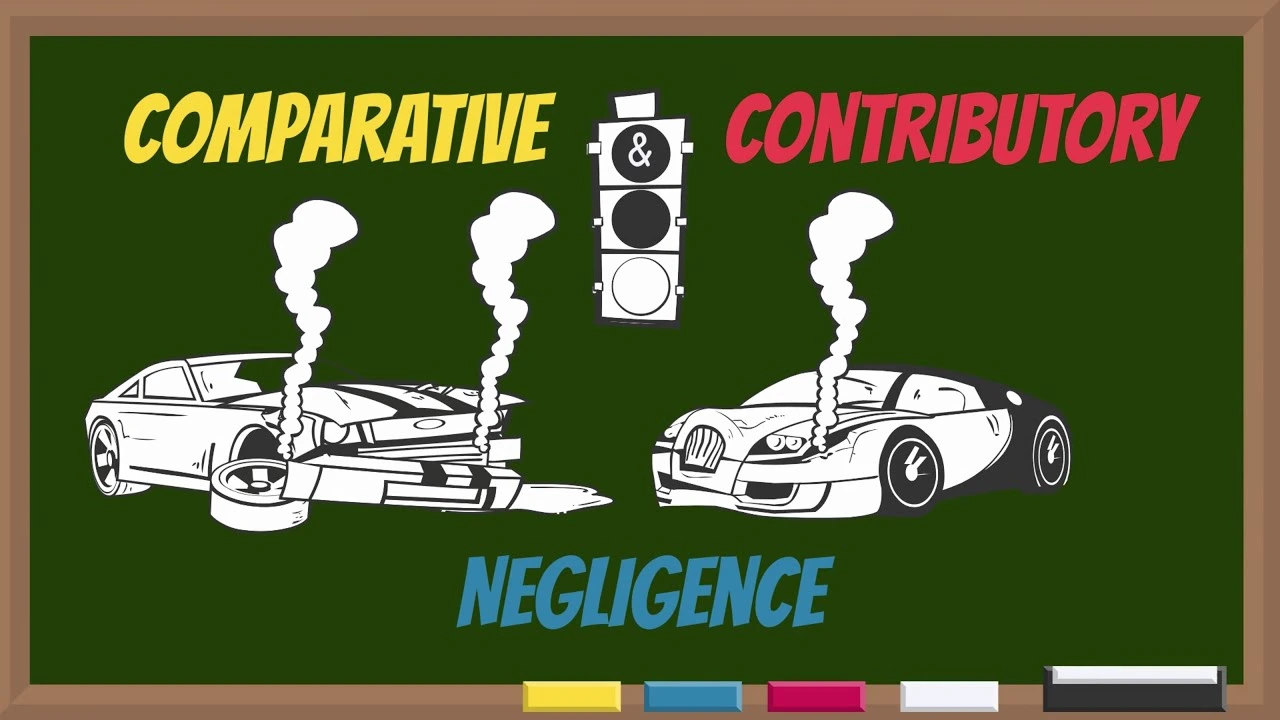
Table of Contents
- The Basic Concepts Explained
- What Is Contributory Negligence?
- What Is Comparative Negligence?
- How Virginia’s Rule Works in Practice
- The Burden of Proof
- Last Clear Chance Doctrine
- Comparing State Approaches
- Policy Arguments For and Against Each System
- Strategic Implications for Virginia Accident Cases
- Common Contributory Negligence Scenarios
- Legislative Reform Efforts
- Living with Virginia’s Rule
- The Bottom Line
The Basic Concepts Explained
Negligence law exists to determine who should pay when someone gets hurt. When accidents happen, courts must decide whether the person who caused harm should compensate the victim, and if so, how much. Different states have developed different approaches to answering these questions, particularly when both parties share some degree of fault.
What Is Contributory Negligence?
Contributory negligence is a complete bar to recovery. Under this rule, if the injured person contributed to causing their own injuries in any way, even minimally, they cannot recover any damages from the other party. It doesn’t matter if the defendant was 99% at fault and the plaintiff only 1% at fault. Any degree of plaintiff negligence, no matter how slight, eliminates all right to compensation.
This doctrine emerged in England in the 1800s when the industrial revolution created new accident scenarios. Courts worried that allowing workers injured by dangerous machinery to recover damages might bankrupt growing industries. The harsh contributory negligence rule protected defendants by making it relatively easy to defeat injury claims. Find any fault with the plaintiff’s conduct, no matter how minor, and the defendant escapes all liability.
Only four states plus Washington D.C. still follow pure contributory negligence: Virginia, Maryland, North Carolina, and Alabama. The rest of the country has recognized that this approach produces unjust results and has moved to comparative negligence systems.
What Is Comparative Negligence?
Comparative negligence allows recovery even when the plaintiff shares some fault, though the amount recovered gets reduced based on the plaintiff’s degree of fault. Rather than operating as an all-or-nothing rule, comparative negligence systems apportion damages based on each party’s relative responsibility for the accident.
Two main versions exist. Pure comparative negligence allows recovery regardless of how much fault the plaintiff bears. If you’re 90% at fault and suffered $100,000 in damages, you can still recover $10,000 (the 10% attributable to the other party’s fault). California, Florida, and New York follow this approach.
Modified comparative negligence bars recovery only if the plaintiff’s fault exceeds a certain threshold, usually 50% or 51%. If you’re 40% at fault, you recover 60% of your damages. If you’re 51% at fault, you recover nothing. Most states follow modified comparative negligence, finding it strikes a fair balance between pure contributory negligence’s harshness and pure comparative negligence’s permissiveness.
How Virginia’s Rule Works in Practice
Understanding contributory negligence as an abstract concept differs dramatically from seeing how it operates in actual cases. Virginia courts apply this rule strictly, and the results often shock people unfamiliar with the Commonwealth’s approach.
Minor Plaintiff Fault Bars Recovery
The defining characteristic of Virginia’s rule is that any degree of plaintiff fault, no matter how small compared to defendant fault, completely bars recovery. Real cases demonstrate this harsh reality.
A pedestrian crossing in a marked crosswalk with the signal gets hit by a speeding, texting driver. If the jury finds the pedestrian was also looking at their phone and not paying full attention when stepping into the crosswalk, contributory negligence applies. The speeding, distracted driver who violated multiple traffic laws pays nothing.
A driver stopped at a red light gets rear-ended by a truck going 50 miles per hour. The impact totals the stopped car and seriously injures the driver. If evidence shows the stopped driver’s brake light was burned out, the jury might find the stopped driver contributed to the accident by failing to maintain their vehicle. The truck driver who crashed into a stopped vehicle at high speed escapes liability entirely.
These outcomes feel deeply unjust to most people. The defendant’s conduct was clearly worse, often egregiously so. Yet the plaintiff’s minor contribution to the accident eliminates all recovery. This is contributory negligence in action.
The Burden of Proof
Defendants bear the burden of proving contributory negligence. They must show by a preponderance of the evidence that the plaintiff was negligent and that this negligence contributed to causing their injuries. This means defendants must present actual evidence of plaintiff fault, not just speculate about possibilities.
However, the burden isn’t particularly heavy. Defense attorneys become skilled at finding any shred of evidence suggesting plaintiff fault. They scrutinize every detail of the plaintiff’s conduct before and during the accident. They depose witnesses looking for testimony about plaintiff actions. They examine police reports for any mention of plaintiff behavior. They analyze accident reconstructions searching for any basis to argue the plaintiff could have avoided the collision.
When defendants meet their burden, even barely, contributory negligence bars recovery completely. There’s no proportionality, no balancing of degrees of fault. Once established, contributory negligence operates as an absolute defense.
Last Clear Chance Doctrine
Virginia recognizes one important exception to contributory negligence called the last clear chance doctrine. This rule allows plaintiffs to recover despite their own negligence if they can prove the defendant had the last clear chance to avoid the accident but failed to do so.
For last clear chance to apply, the plaintiff must show they were in a position of peril from which they couldn’t escape, the defendant knew or should have known about the plaintiff’s peril, the defendant had sufficient time and means to avoid harming the plaintiff, and the defendant failed to exercise reasonable care to avoid the collision.
This doctrine operates as a narrow exception rather than a broad escape from contributory negligence. Courts interpret its requirements strictly, and successfully invoking last clear chance remains difficult in most cases. However, it provides a potential path to recovery in situations where the defendant clearly could have prevented the accident despite plaintiff negligence.

Comparing State Approaches
Looking at how different states handle similar accident scenarios illustrates the dramatic impact of these different negligence systems.
The Same Accident, Different Outcomes
Consider an intersection collision where Driver A runs a red light at 45 mph in a 35 mph zone while texting. Driver B enters the intersection legally on a green light but was going 40 mph in the 35 mph zone. The collision causes $200,000 in damages to Driver B.
In Virginia, if the jury finds Driver B’s five-mile-per-hour speeding contributed to the accident (perhaps by affecting stopping distance or reaction time), Driver B recovers nothing despite Driver A’s red light violation, excessive speed, and distracted driving.
In a modified comparative negligence state, the jury might assign 95% fault to Driver A and 5% fault to Driver B. Driver B would recover $190,000 (95% of their $200,000 in damages).
In a pure comparative negligence state with the same fault allocation, the result would be identical: $190,000 recovery.
The difference becomes even more stark in closer cases. Imagine a two-car collision where both drivers share more equal blame. In a modified comparative negligence state, if fault is 50-50, Driver B might recover half their damages. In Virginia, Driver B recovers nothing.
Policy Arguments For and Against Each System
Supporters of contributory negligence argue it promotes personal responsibility and careful behavior. Knowing that any fault bars recovery theoretically incentivizes people to take maximum care to avoid accidents. The rule also provides bright-line certainty: either you were negligent or you weren’t. There’s no need for complex percentage calculations about degrees of fault.
Critics counter that the rule produces wildly disproportionate results that most people find unjust. Minor plaintiff fault shouldn’t completely excuse serious defendant negligence. The rule also may encourage aggressive defense tactics, with defendants combing through plaintiff conduct searching for any minor fault to use as a complete shield against liability. Additionally, the theoretical incentive to avoid negligence doesn’t work in practice because most people don’t know about the contributory negligence rule until they’re already injured and learning about it through bitter experience.
Comparative negligence supporters argue their system better reflects actual degrees of fault and produces more equitable outcomes. If both parties share blame, damages should be divided accordingly. The system still provides accountability while avoiding the all-or-nothing harshness of contributory negligence.
Comparative negligence critics worry it allows careless people to profit from accidents they helped cause and may require difficult percentage calculations that inject uncertainty into outcomes. However, most states have concluded these concerns don’t outweigh the fairness benefits of apportioning damages based on actual fault.
Strategic Implications for Virginia Accident Cases
Virginia’s contributory negligence rule fundamentally shapes how accident cases get handled from initial investigation through settlement negotiations and trial.
The Defense Playbook
Defense attorneys in Virginia know that establishing any degree of plaintiff fault wins the case completely. This knowledge drives aggressive defense strategies focused on finding and highlighting plaintiff negligence.
They investigate plaintiff conduct minutely. Was the plaintiff speeding, even slightly? Did they use their turn signal? Were they distracted in any way? Did they maintain their vehicle properly? Could they have taken evasive action? Every aspect of plaintiff behavior gets scrutinized for potential negligence.
Defense lawyers depose every witness searching for testimony about plaintiff fault. They hire accident reconstruction experts whose job includes identifying any way the plaintiff contributed to the collision. They obtain plaintiff phone records looking for evidence of distracted driving. They review social media for posts suggesting the plaintiff wasn’t paying attention or was engaged in risky behavior.
During trial, defense attorneys emphasize any evidence of plaintiff fault while downplaying defendant negligence. Even when defendant fault is obvious and severe, the defense focuses on the plaintiff because proving even minor plaintiff negligence achieves complete victory.
The Plaintiff Strategy
Plaintiffs and their attorneys must prepare for aggressive contributory negligence defenses from the start. This means thorough documentation of the accident showing the plaintiff acted reasonably, gathering witness statements that support the plaintiff’s version of events, obtaining expert opinions that the plaintiff’s conduct was proper, and preparing responses to anticipated fault allegations.
Plaintiff attorneys also evaluate contributory negligence vulnerability honestly during settlement negotiations. A strong liability case with no real contributory negligence concerns justifies aggressive settlement demands. A case where plaintiff fault is possible or likely requires more conservative positioning and serious consideration of settlement offers that might seem low compared to actual damages.
The risk calculation changes dramatically under contributory negligence. In comparative negligence states, going to trial with some plaintiff fault might mean recovering 70% or 80% of damages. In Virginia, it means risking total loss. This risk makes settlement more attractive even when offers don’t fully compensate plaintiffs.
Settlement Leverage
Contributory negligence creates unique settlement dynamics. Defendants have enormous leverage when credible contributory negligence defenses exist. They can offer relatively low settlements knowing the alternative for plaintiffs is risking complete loss at trial.
Conversely, when plaintiff fault isn’t a realistic issue, plaintiffs have stronger settlement leverage. Defendants face near-certain liability with no percentage reduction available, making trials more risky for them.
This dynamic often leads to early settlements when liability is clear and contested trials when contributory negligence issues exist. The all-or-nothing nature of Virginia’s rule discourages trials in cases with obvious fault but encourages them when both parties share blame.
Common Contributory Negligence Scenarios
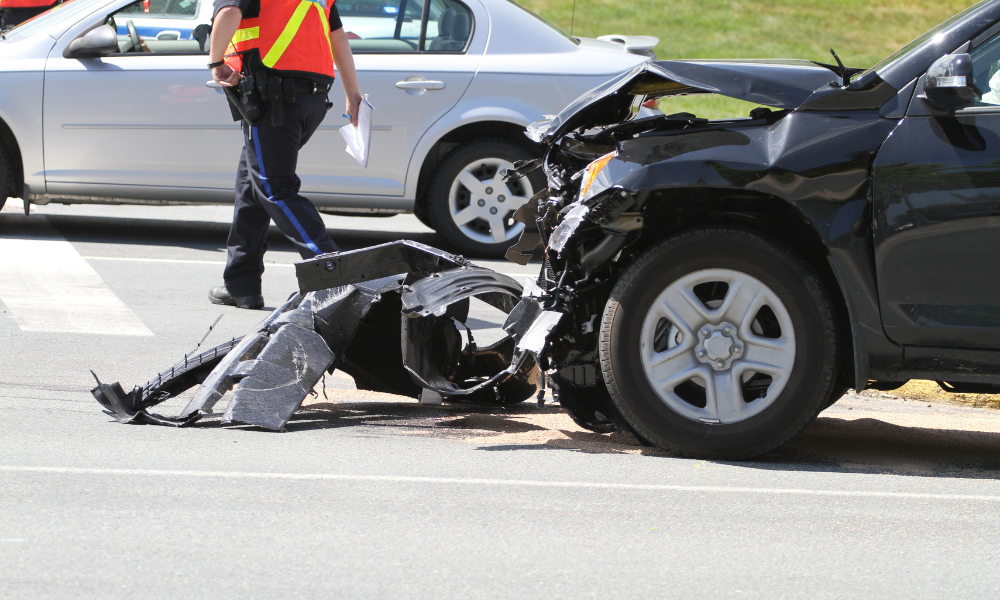
Certain fact patterns frequently generate contributory negligence disputes in Virginia courts.
Speeding Plaintiffs
Any amount of speeding by the plaintiff provides ammunition for contributory negligence defenses. Even five miles per hour over the limit might constitute negligence. Defense attorneys argue that speeding affected the plaintiff’s ability to avoid the accident or contributed to injury severity.
Plaintiffs counter by showing the speed difference was minor, the accident would have occurred regardless of plaintiff speed, and the defendant’s conduct was far more egregious. However, juries sometimes find even minor speeding constitutes contributory negligence, particularly when defendants emphasize the plaintiff’s violation of traffic law.
Failure to Maintain Vehicles
Burned-out headlights or brake lights, worn tires, defective equipment, and other maintenance issues can support contributory negligence findings. If a plaintiff with a burned-out brake light gets rear-ended, defendants argue the plaintiff contributed to the accident by failing to maintain proper lighting.
Courts have found these arguments persuasive in some cases, even when the defendant’s negligence seems more significant. The plaintiff’s violation of vehicle equipment laws constitutes negligence that may have contributed to the accident.
Pedestrian Cases
Pedestrians jaywalking or crossing against signals face contributory negligence defenses even when drivers were speeding, distracted, or otherwise negligent. Virginia courts have barred recovery for pedestrians struck while violating traffic control devices.
The vulnerability of pedestrians makes these cases particularly harsh. A distracted driver might hit a jaywalking pedestrian, causing catastrophic injuries. The pedestrian’s illegal crossing bars recovery despite the driver’s obvious fault.
Distracted Driving by Plaintiffs
Evidence that plaintiffs were using phones, adjusting radios, eating, or engaging in other distracting activities when accidents occurred supports contributory negligence defenses. Even momentary inattention can constitute negligence that contributed to collisions.
Defense attorneys subpoena phone records and examine vehicle systems searching for evidence of plaintiff distraction. Finding such evidence provides a complete defense regardless of defendant fault.
Legislative Reform Efforts
Virginia has considered abandoning contributory negligence multiple times over the past several decades. Reform proposals regularly appear in the General Assembly, arguing that Virginia should join the overwhelming majority of states using comparative negligence systems.
Arguments for Reform
Reformers emphasize that contributory negligence produces unjust outcomes. Minor plaintiff fault shouldn’t completely excuse serious defendant negligence. The rule also may allow truly negligent defendants to escape liability on technicalities while victims bear the full cost of injuries.
Comparative negligence would allow more equitable damage apportionment. Victims with minor fault could recover most of their damages while still being held accountable for their contribution. The system would better reflect actual degrees of fault and reduce harsh outcomes.
Why Reform Hasn’t Happened
Despite reform efforts, contributory negligence remains Virginia law. Several factors explain this persistence. Defense interests including insurance companies and business groups strongly oppose reform. Contributory negligence benefits defendants by making it easier to defeat claims, keeping insurance payouts lower.
Some legislators view contributory negligence as promoting personal responsibility and preferring clear rules over percentage calculations. Rural areas particularly tend to favor keeping existing law.
Reform proposals also sometimes stall over details about which version of comparative negligence to adopt and what threshold to use in modified systems. Disagreement about implementation prevents consensus on change.
Until the political calculus shifts, contributory negligence likely remains Virginia law despite its outlier status nationally.

Living with Virginia’s Rule
For accident victims in Virginia, contributory negligence is simply the reality they must navigate. Understanding this harsh rule shapes every decision from whether to file claims through how to approach settlement negotiations.
Know Your Case Weaknesses
Honest assessment of potential contributory negligence issues is essential. Were you speeding? Using your phone? Did you have any vehicle defects? Could you have acted differently to avoid the collision? Understanding these vulnerabilities allows realistic evaluation of settlement offers versus trial risks.
Ignoring contributory negligence risks because you feel the other driver was mostly at fault is dangerous. Virginia law doesn’t care about “mostly.” Any fault bars recovery.
Document Everything Supporting Your Conduct
Gather evidence showing you acted reasonably. Witness statements that you weren’t speeding or distracted matter tremendously. Photos showing your vehicle was properly maintained help. Any evidence contradicting potential contributory negligence allegations strengthens your position.
Consider Settlement Seriously
The all-or-nothing nature of Virginia’s rule makes settlement more attractive than in comparative negligence states. An offer of 60% of your damages might sound low, but it’s better than the zero you’ll receive if the jury finds any contributory negligence. Evaluate offers against the realistic risk of complete loss rather than the theoretical value if you win.
Work with Experienced Virginia Attorneys
Attorneys who regularly handle Virginia cases understand contributory negligence’s impact on case value and strategy. They know how to minimize contributory negligence risks, counter common defense tactics, and negotiate effectively given the unique dynamics Virginia’s rule creates.
Out-of-state attorneys or those inexperienced with Virginia law might not fully appreciate how dramatically contributory negligence affects cases. Local expertise matters tremendously.
The Bottom Line
Virginia’s contributory negligence rule stands as a relic from another era, maintained despite widespread recognition that comparative negligence produces more just outcomes. For accident victims, this means understanding that being partially at fault, even minimally, can completely bar recovery no matter how serious their injuries or how egregious the defendant’s conduct.
This harsh reality demands careful case evaluation, thorough documentation, and strategic decision-making about settlement versus trial. While the rule may seem unfair, it remains the law, and victims must work within its constraints to maximize their chances of recovery.
Whether Virginia eventually joins the vast majority of states with comparative negligence systems remains uncertain. Until then, understanding the difference between these approaches and how Virginia’s unique rule operates isn’t just interesting legal theory. It’s essential practical knowledge that determines whether accident victims receive compensation or leave courthouses with nothing but medical bills and bitter lessons about the Commonwealth’s unforgiving approach to shared fault.
Punitive Damages in Virginia Wrongful Death Lawsuits: What Families Need to Know
The loss of a loved one leaves a void that can never truly be filled. When that loss results from another person’s reckless or malicious actions, the pain is compounded by anger, confusion, and a desperate need for justice. While no amount of money can bring back someone you love, Virginia’s legal system recognizes that some wrongful deaths involve conduct so egregious that ordinary compensation is insufficient, and that’s where punitive damages enter the picture.
Punitive damages represent the legal system’s way of saying, “What you did was so unacceptable that you must be punished, and others must be deterred from similar conduct.” These damages are specifically intended to punish defendants for particularly egregious behavior and to deter similar conduct in the future, both by the defendant and by others who might engage in comparable misconduct. In wrongful death cases, they serve a purpose beyond compensating the family: they hold wrongdoers accountable and send a powerful message about the value of human life.
Table of Contents
- Understanding Wrongful Death Claims in Virginia
- What Are Punitive Damages?
- Virginia’s Standard for Awarding Punitive Damages
- The Burden of Proof: Clear and Convincing Evidence
- Virginia’s $350,000 Cap on Punitive Damages
- Factors Courts Consider in Determining Punitive Damages
- Who Receives Punitive Damages in Wrongful Death Cases?
- Challenges in Pursuing Punitive Damages
- Practical Considerations for Families
- The Importance of Experienced Legal Representation
- Moving Forward: Accountability and Deterrence
Understanding Wrongful Death Claims in Virginia
Before exploring punitive damages specifically, it’s essential to understand Virginia’s wrongful death framework. Unlike most personal injury claims where the injured party brings the lawsuit, wrongful death claims are brought on behalf of the deceased person’s estate and beneficiaries.
The Virginia Wrongful Death Statute
Virginia Code § 8.01-50 establishes who may bring a wrongful death claim and what damages can be recovered. The personal representative of the deceased’s estate must file the lawsuit within two years of the death, acting on behalf of statutory beneficiaries who typically include the surviving spouse, children, and in some cases, parents or other relatives.
Wrongful death claims in Virginia can arise from numerous circumstances: motor vehicle accidents caused by drunk or reckless drivers, medical malpractice involving gross negligence, workplace accidents resulting from willful safety violations, defective products where manufacturers knowingly concealed dangers, nursing home abuse cases involving intentional harm, or criminal acts like assault or murder.
Each scenario involves someone’s death being caused by another party’s wrongful act, neglect, or default. But not all wrongful conduct is created equal in the eyes of the law. Some deaths result from simple negligence, a momentary lapse in attention or an honest mistake. Others result from conduct so reckless, deliberate, or malicious that it shocks the conscience. This distinction becomes critical when considering punitive damages.
What Are Punitive Damages?
Punitive damages, also called exemplary damages, differ fundamentally from compensatory damages. Compensatory damages aim to make the victim or their family financially whole by covering economic losses like medical expenses, funeral costs, and lost income, as well as non-economic losses like pain and suffering, loss of companionship, and emotional distress.
Punitive damages serve different purposes entirely. They punish the wrongdoer for particularly egregious conduct and deter both the defendant and others from engaging in similar behavior in the future. Think of compensatory damages as addressing the victim’s losses, while punitive damages address society’s interest in condemning and preventing outrageous conduct.
Virginia’s Standard for Awarding Punitive Damages
Virginia law sets a high bar for punitive damages. To receive punitive damages, a plaintiff must prove that the defendant’s conduct was more than mere negligence. The conduct must be deliberate, reckless, or show a conscious disregard for the safety of others. They’re not available in every case, not even in every case where someone’s negligence caused death.
The “Willful and Wanton” Standard
Virginia Code § 8.01-38.1 establishes that punitive damages may be awarded only when the plaintiff proves, by clear and convincing evidence, that the defendant’s conduct was so willful or wanton as to show a conscious disregard for the rights of others. This standard requires more than a preponderance of evidence (the typical civil standard) but less than beyond a reasonable doubt (the criminal standard).
“Willful and wanton” conduct means the defendant acted with actual knowledge of the danger involved but proceeded anyway with conscious indifference to the consequences. It’s not enough that the defendant should have known their actions were dangerous, they must have actually known and proceeded regardless.
Consider the difference: A driver who glances at their phone, causing a fatal accident, might be negligent. But a driver who repeatedly texts while driving drunk at twice the speed limit, ignoring multiple near-misses, demonstrates conscious disregard for obvious and extreme risks to human life, the kind of conduct that meets the willful and wanton standard.
Applying the Standard in Real Cases
Virginia courts have refined this standard through decades of case law. Examples help illustrate when conduct crosses the line from ordinary negligence to punishable misconduct:
Drunk Driving Cases: A driver with a blood alcohol content far above the legal limit who causes a fatal crash may face punitive damages, especially with prior DUI convictions or evidence showing they knew they were impaired but chose to drive anyway. The Virginia Supreme Court has recognized that extreme intoxication combined with dangerous driving can constitute willful and wanton conduct.
Medical Malpractice: Simple medical errors, even if fatal, typically don’t warrant punitive damages. However, a doctor who operates while impaired, performs unnecessary surgery for financial gain knowing the risks, or deliberately falsifies medical records to cover up malpractice might face punitive damages when they knowingly disregarded patient safety.
Workplace Safety Violations: An employer’s failure to provide safety equipment might be negligence. But an employer who removes safety guards from machinery to increase production speed, knowing employees will be endangered and ignoring repeated warnings, demonstrates willful disregard that could support punitive damages.
Nursing Home Abuse: Understaffing that leads to neglect might be negligence. But administrators who systematically ignore abuse reports, retaliate against whistleblowers, and knowingly allow dangerous conditions to continue may face punitive damages for their conscious disregard of resident safety.
Product Liability: A manufacturer that makes an unintentional design flaw faces compensatory damages. But a company that learns its product is killing people and conceals this information while continuing to sell the product demonstrates the kind of willful misconduct that justifies punitive damages.

The Burden of Proof: Clear and Convincing Evidence
The “clear and convincing evidence” standard creates a significant hurdle for plaintiffs seeking punitive damages. This standard requires proving that it’s highly probable the defendant acted with willful and wanton disregard for others’ rights, a much higher burden than the “preponderance of evidence” standard used for most civil claims.
What Constitutes Clear and Convincing Evidence?
Meeting this standard typically requires substantial documentation and testimony demonstrating the defendant’s state of mind:
Direct Evidence of Knowledge: Documents, emails, or testimony showing the defendant knew their conduct was dangerous. In corporate cases, internal memos acknowledging risks or discussing how to hide dangers can be powerful evidence.
Repeated Misconduct: A pattern of similar dangerous conduct demonstrates conscious disregard rather than a single mistake. A driver with multiple DUIs or reckless driving convictions, or a company with repeated safety violations, shows an ongoing refusal to prioritize safety.
Ignoring Warnings: Evidence that the defendant was warned about dangers but proceeded anyway is particularly compelling. This might include employee complaints ignored by management, citations from regulators disregarded, or expert warnings dismissed.
Extreme Circumstances: Sometimes the circumstances themselves demonstrate willful disregard. Driving at 100 mph through a school zone while texting, or performing surgery while intoxicated, involves such obvious danger that conscious disregard is essentially proven by the conduct itself.
Deliberate Concealment: Efforts to hide dangerous conduct or destroy evidence suggest consciousness of wrongdoing. Companies that shred safety reports or individuals who flee accident scenes demonstrate awareness that their actions were indefensible.
Punitive damages in Virginia demand more than suspicion — you need clear and convincing proof the defendant chose danger over safety.
Click to Tweet
Virginia’s $350,000 Cap on Punitive Damages
Virginia law caps punitive damages at a maximum of $350,000 under Virginia Code § 8.01-38.1. This cap applies regardless of the jury’s award or the number of defendants involved in the case. The cap applies to all cases, including medical malpractice cases, that were filed on or after July 1, 1988.
How the Cap Works in Practice
An important procedural aspect of Virginia’s punitive damages system is that the jury is not told about the $350,000 limitation during trial. The jury is asked to determine what they believe is an appropriate punitive damages award based on the facts presented, without knowledge of the statutory cap. The judge then applies the cap after the verdict is rendered. If a jury awards a higher amount, whether it’s $500,000, $1 million, or more, a judge must reduce the judgment to the $350,000 limit.
This approach allows juries to fully consider the defendant’s conduct and make their own assessment of appropriate punishment without being constrained by knowledge of the cap during deliberations. However, it also means that jury verdicts exceeding the cap are automatically reduced to comply with the statutory maximum.
Understanding the Cap’s Implications
The $350,000 limitation represents Virginia’s legislative judgment balancing the need to punish and deter wrongful conduct against concerns about excessive civil liability. This cap has several practical implications:
Universal Application: The cap applies regardless of the jury’s award or the number of defendants. Even in cases involving multiple wrongdoers, the total punitive damages recovery cannot exceed $350,000, unlike in some jurisdictions where each defendant might be liable for separate punitive awards.
Predictability: Defendants and plaintiffs can assess maximum punitive exposure with certainty, which often facilitates settlement negotiations. Defendants know their maximum liability for punitive damages, while plaintiffs understand the ceiling on potential recovery.
Focus on Conduct Over Wealth: Since the cap applies uniformly, the emphasis remains on the reprehensibility of the conduct rather than the defendant’s ability to pay. A jury evaluating a wealthy corporation’s conduct focuses on whether the behavior warrants punishment, not on calibrating an award to the defendant’s net worth.
Applies to Medical Malpractice: The cap specifically applies to medical malpractice cases filed on or after July 1, 1988. This means that even in cases involving egregious medical misconduct—such as a surgeon operating while impaired, punitive damages are limited to $350,000.
Policy Considerations: Critics argue the cap is insufficient to punish wealthy corporations or deter future misconduct, particularly when a corporation’s profits from dangerous conduct far exceed $350,000. A company that makes millions from a dangerous product may view a $350,000 penalty as merely a cost of doing business. Supporters contend the cap prevents excessive verdicts while still allowing meaningful punishment and protects businesses from potentially bankrupting awards.
Factors Courts Consider in Determining Punitive Damages
Even with the $350,000 cap, Virginia courts weigh multiple factors when determining appropriate punitive damage awards:
The Reprehensibility of the Defendant’s Conduct: More outrageous conduct justifies higher awards. Did the defendant act with malice? Was the conduct repeated? Did it cause harm to vulnerable victims? Courts view conduct involving violence, intentional misconduct, or disregard for human life as particularly reprehensible. This is typically the most important factor in the analysis.
The Ratio to Compensatory Damages: Courts consider whether punitive damages bear a reasonable relationship to compensatory damages. When compensatory damages are substantial, awards approaching the cap may be appropriate. When compensatory damages are modest, smaller punitive awards might suffice to achieve the purposes of punishment and deterrence.
The Difference Between Actual Harm and Potential Harm: When the defendant’s conduct could have caused catastrophe but luckily didn’t, this factor becomes important. A drunk driver who kills one person but endangered dozens might face higher punitive damages than raw harm alone would suggest.
Other Civil or Criminal Penalties: Courts may consider whether the defendant faces other sanctions, though this factor has limited weight because civil punitive damages serve purposes distinct from criminal punishment.
The Jury’s Role
Virginia juries determine punitive damage amounts after hearing evidence about the defendant’s conduct. However, as noted above, the jury is not informed of the $350,000 cap during their deliberations. They are instructed to determine what amount would adequately punish the wrongdoer and deter similar future conduct based solely on the evidence presented. The judge reviews the award after the verdict and, if necessary, reduces it to $350,000 to comply with the statutory cap.
This procedural approach reflects Virginia’s policy of allowing juries to make unfettered assessments of appropriate punishment while still maintaining legislative control over maximum awards through judicial application of the cap.
Punitive damages in Virginia hinge on one thing above all else: how outrageous the defendant’s conduct truly was.
Click to Tweet
Who Receives Punitive Damages in Wrongful Death Cases?
Virginia has unique rules regarding who receives punitive damages in wrongful death cases. Unlike compensatory damages, which are distributed to statutory beneficiaries according to the wrongful death statute, punitive damages follow different rules.
Virginia’s Distribution Scheme
In Virginia wrongful death cases, punitive damages are awarded to the estate of the deceased person, not directly to the surviving family members. These damages become part of the estate and are distributed according to the deceased’s will if one exists, or according to Virginia’s intestacy laws if no will was made.
This approach differs from compensatory wrongful death damages, which are specifically divided among statutory beneficiaries regardless of the deceased’s will. The distinction reflects the different purposes of these damages: compensatory damages address the beneficiaries’ losses, while punitive damages punish the wrongdoer and belong to the deceased person (or their estate).
For surviving family members, this distinction has practical implications. A deceased parent’s will might leave everything to their children, in which case punitive damages would flow to them through estate distribution. But if the deceased had outstanding debts or made different testamentary provisions, punitive damages might be partially consumed by creditors or distributed differently than wrongful death damages.
Strategic Considerations
The distribution rules affect litigation strategy. Estate representatives must consider how punitive damages, if awarded, would be distributed and whether pursuing them serves the family’s interests. The $350,000 cap, combined with estate distribution rules, means families should carefully evaluate whether the potential recovery justifies the additional litigation burden of pursuing punitive damages.
Challenges in Pursuing Punitive Damages
Seeking punitive damages in wrongful death cases presents unique challenges beyond ordinary wrongful death litigation. Families and their attorneys must carefully weigh these considerations.
The Discovery Process
Proving willful and wanton conduct requires extensive discovery. Attorneys must uncover evidence of the defendant’s state of mind, which often means deposing numerous witnesses, obtaining internal documents, and possibly retaining experts to reconstruct events or analyze the defendant’s decision-making process.
In corporate cases, this might involve discovering executive communications, board meeting minutes, safety reports, and prior complaints. In individual defendant cases, it might include obtaining criminal records, prior civil judgments, medical records (in DUI cases), or employment history. This discovery is time-consuming, expensive, and often contested vigorously by defendants who understand the stakes.
The Defendant’s Response
Allegations of willful and wanton conduct typically trigger aggressive defense strategies. Defendants may file motions to strike punitive damage claims, arguing insufficient evidence exists to support them. They may seek protective orders limiting discovery into sensitive information. They may also pursue appeals challenging punitive damage awards.
For families, this means longer litigation, higher legal costs, and continued emotional strain. The decision to pursue punitive damages must account for these realities, balancing the desire for complete justice against the toll of extended legal battles.

The Role of Insurance
Insurance coverage significantly affects punitive damage claims. Most liability insurance policies exclude coverage for punitive damages based on public policy, allowing insurance coverage would undermine the punishment and deterrence purposes of these awards. This exclusion means defendants must pay punitive damages from their own assets.
The insurance exclusion creates interesting dynamics. Individual defendants with limited assets might be judgment-proof as a practical matter, making even the $350,000 cap uncollectible. Conversely, corporate defendants or wealthy individuals might face genuine financial consequences, making them more willing to settle for substantial amounts rather than risk jury trial.
Plaintiffs’ attorneys must investigate defendants’ ability to pay when evaluating whether to pursue punitive damages. A $350,000 punitive damage award against a defendant with minimal assets might be a Pyrrhic victory, morally satisfying but financially empty.
Practical Considerations for Families
For families who have lost loved ones due to others’ egregious misconduct, several practical considerations shape the decision whether to pursue punitive damages.
Emotional Toll
Punitive damage claims extend litigation and require detailed examination of the defendant’s conduct. For families, this means continued engagement with painful circumstances. Depositions and trial testimony will force confrontation with the details of their loved one’s death. Some families find this process empowering, an opportunity to hold wrongdoers accountable. Others find it retraumatizing. Each family must assess their emotional capacity for extended litigation.
Financial Considerations
Punitive damage litigation increases legal costs through additional discovery, expert witnesses, and extended trial proceedings. Most wrongful death attorneys work on contingency fees, meaning they don’t charge hourly rates but instead take a percentage of recovery. However, substantial costs for depositions, experts, and other litigation expenses must still be advanced, typically by the law firm. Families should discuss with their attorneys how pursuing punitive damages affects case economics, particularly given the $350,000 cap.
Settlement Dynamics
The threat of punitive damages often creates settlement leverage. Defendants facing potential punitive exposure may offer higher settlements than they would in cases seeking only compensatory damages. However, this leverage only exists when claims are credible, defendants won’t pay premium settlements to avoid punitive damages unless they genuinely fear a jury might award them. The $350,000 cap provides a clear ceiling for settlement discussions regarding punitive exposure, though defendants must also consider the uninsured nature of punitive damages and the reputational harm from jury findings of willful and wanton conduct.
Timing
Virginia’s two-year statute of limitations for wrongful death claims creates urgency. Families must decide relatively quickly whether to pursue litigation at all, and initial complaints should plead punitive damages if they might be pursued. While evidence can be developed during discovery, waiting too long to investigate potential punitive damage claims risks losing the opportunity to pursue them.
The Importance of Experienced Legal Representation
Given the complexity of punitive damage claims in wrongful death cases, experienced legal representation is crucial. Attorneys handling these cases must understand Virginia’s wrongful death statute, the standards for punitive damages, the $350,000 cap and its implications, the procedural aspects of how juries are (and aren’t) informed about the cap, discovery strategies for uncovering evidence of willful misconduct, trial techniques for presenting this evidence compellingly, and appellate issues that might arise.
Evaluating Claims
Skilled attorneys can assess whether conduct likely meets Virginia’s willful and wanton standard. Not every tragic death warrants pursuit of punitive damages, and experienced counsel can help families understand whether their case presents a viable punitive damage claim or whether focusing on compensatory damages better serves their interests. The $350,000 cap factors into this evaluation, attorneys must assess whether the additional litigation burden justifies the potential recovery, particularly considering that the jury will determine an appropriate award without knowledge of the cap, which the judge will then apply.
Investigation and Discovery
Uncovering evidence of willful misconduct requires strategic investigation. This might include accident reconstruction, obtaining police reports and criminal records, securing surveillance footage, interviewing witnesses, subpoenaing corporate records, deposing key decision-makers, and retaining experts to establish industry standards and show how defendants deviated from them.
Trial Presentation
Persuading juries to award punitive damages requires compelling presentation of evidence. Attorneys must tell a story that makes the defendant’s conscious disregard clear and visceral. This involves careful witness preparation, strategic use of exhibits, effective cross-examination of defense witnesses, and closing arguments that connect evidence to legal standards while appealing to jurors’ sense of justice. Experienced trial counsel know how to present the case so that jurors, without knowledge of the statutory cap, make awards that reflect the true reprehensibility of the defendant’s conduct.’

Moving Forward: Accountability and Deterrence
Punitive damages in Virginia wrongful death cases serve purposes beyond compensating individual families. They represent society’s judgment that certain conduct deserves extraordinary sanction. These damages are specifically intended to punish defendants for particularly egregious behavior and to deter similar conduct in the future, both by the defendant and by others who might engage in comparable misconduct.
When corporations knowingly sell dangerous products, when individuals drive drunk at extreme speeds, or when medical providers operate while impaired, punitive damages send a message: human life is precious, and those who willfully disregard it will face serious consequences.
For families navigating the aftermath of losing a loved one to egregious misconduct, punitive damages offer a path to accountability that transcends financial compensation. Even with the $350,000 cap, they validate that the conduct that killed their family member wasn’t just unfortunate, it was unacceptable. They ensure the wrongdoer doesn’t simply write a check and move on but faces genuine consequences. And they honor the deceased by insisting their death meant something, that it will be remembered, and that it might prevent others from suffering similar fates.
The fact that Virginia law caps these damages at $350,000 regardless of the jury’s award or the number of defendants reflects the state’s attempt to balance competing interests: the need for punishment and deterrence against concerns about excessive liability. Whether this balance is appropriate continues to be debated, but the law remains clear for cases filed on or after July 1, 1988.
If you’ve lost a loved one due to someone’s willful and wanton conduct, understanding your rights regarding punitive damages is essential. While no amount of money can restore what you’ve lost, holding wrongdoers accountable serves justice and may prevent future tragedies.
Ski Accident Attorney in Virginia
Skiing is a popular winter activity in Virginia. However, it’s not without its risks.
Accidents can happen, often leading to serious injuries. When they do, it’s crucial to know your legal rights.
This is where a ski accident attorney in Virginia comes in. They specialize in this unique area of law.
They understand the complexities of ski accident cases. They know how to navigate the legal system to ensure victims get the compensation they deserve.
But why is it important to hire a specialized attorney? Can’t any personal injury lawyer handle a ski accident case?
The answer lies in the unique nature of ski accidents. They often involve factors like ski resort negligence, equipment failure, and specific winter sports laws.
A specialized ski accident attorney in Virginia is equipped to handle these complexities. They can help victims navigate the challenging aftermath of a ski accident.
In this article, we’ll delve into the role of a ski accident attorney, the legal aspects of ski accidents, and why it’s crucial to seek specialized legal representation.
Table of Contents
- Understanding Ski Accidents in Virginia
- The Role of a Ski Accident Attorney
- Immediate Steps to Take After a Ski Accident
- Navigating Virginia’s Ski Accident Laws
- The Claims Process and Legal Representation
- Selecting the Right Ski Accident Attorney in Virginia
- Compensation and Recovery in Ski Accident Cases
- Conclusion and Next Steps
1. Understanding Ski Accidents in Virginia
Skiing provides excitement and thrill. Yet, it also presents numerous hazards. It’s essential to understand these risks to ensure safe skiing experiences.
In Virginia, ski resorts are popular. These slopes attract many enthusiasts each year. However, higher numbers can mean more incidents.
Ski accidents can stem from varied sources. These accidents can cause significant injuries, affecting your life in numerous ways.
Common ski injuries include broken bones, sprains, and even head trauma. Proper equipment and adherence to safety rules can reduce such risks.
Knowing the primary causes helps in accident prevention. Here are some common contributing factors to ski accidents:
- Collisions with trees or other skiers
- Equipment malfunction
- Poor weather conditions
- Negligent ski resort operations
By understanding these factors, skiers can better prepare. Awareness is a key step in reducing accident risks.
a. Common Causes and Types of Ski Accidents
Ski accidents occur for a myriad of reasons. Often, they are the result of human error or environmental factors.
One primary cause is collisions. Skiers may collide with each other or stationary objects like trees. These incidents can result in severe injuries.
Another major factor is equipment failure. If skis or bindings malfunction, the results can be disastrous. Faulty equipment can compromise a skier’s ability to control their descent.
Poor weather conditions also contribute to accidents. Snowstorms and fog can limit visibility. Slippery, icy surfaces make falls more likely. Understanding these causes can highlight the importance of caution and awareness on the slopes.
b. The Legal Implications of Ski Accidents
Ski accidents have serious legal implications. Victims often face hefty medical bills and loss of earnings.
Legal action can be crucial in these cases. Determining liability is key. It can involve examining ski resort policies or equipment malfunctions.
In Virginia, the principle of negligence typically applies. Establishing negligence can pave the way for compensation.
Negligence might involve proving a ski resort’s failure to maintain safe conditions. Alternatively, it could relate to faulty equipment provided by rental shops.
Navigating these legal waters can be tricky. An experienced ski accident attorney can be invaluable, guiding victims through the complexities of legal claims. They work to secure rightful compensation for injuries sustained on the slopes.
2. The Role of a Ski Accident Attorney
A ski accident attorney plays a crucial role when accidents occur on the slopes. Their primary job is to represent victims legally and effectively.
These specialized attorneys have deep knowledge of winter sports laws. They understand the nuances of ski-related injuries and compensation claims.
Hiring an attorney ensures you have someone fighting for your rights. They can address liability, negligence, and insurance issues.
An experienced ski accident attorney offers several services, including:
- Assessing the merits of your claim
- Collecting and presenting compelling evidence
- Negotiating with insurance companies for fair compensation
- Representing you in court, if needed
Their expertise is invaluable in maximizing the compensation you deserve. An attorney handles the complex legal processes while you focus on recovery.
a. Why Specialization Matters
Ski accidents involve unique challenges. Attorneys specializing in this field have specific knowledge that general attorneys may lack.
These experts understand ski resort liabilities and equipment failures deeply. Such insights are crucial for effective legal representation.
Moreover, specialized attorneys stay updated with the latest laws and regulations in winter sports. This specialization ensures clients receive comprehensive and informed legal guidance.
b. How an Attorney Can Aid Your Claim
An attorney’s role goes beyond legal advice. They meticulously investigate accident details to build a strong case.
They work to prove negligence, which is essential for compensation. Whether it’s due to faulty equipment or unsafe conditions, establishing fault is key.
Attorneys also handle communication with insurance companies. Insurers may try to minimize payouts, but skilled attorneys counteract this with effective negotiation techniques.
Furthermore, if a fair settlement isn’t reached, attorneys can represent you in court. They prepare for trial meticulously, ensuring every aspect of the case is well-documented.
In conclusion, a ski accident attorney is vital in navigating the complexities of your claim. Their expertise can significantly impact the outcome, providing peace of mind during a challenging time.
3. Immediate Steps to Take After a Ski Accident
Experiencing a ski accident can be overwhelming and stressful. However, acting promptly can significantly impact the outcome of your claim.
The first step is ensuring your safety and assessing your injuries. Move to a safe area away from other skiers if possible.
Next, inform the ski resort staff about the incident. They’re trained to handle accidents and can summon medical assistance.
Gathering evidence is crucial for your claim. Document everything about the accident scene, including conditions and any hazards.
Here are some immediate steps to consider:
- Take pictures of the accident scene, including your surroundings.
- Speak with witnesses and obtain their contact information.
- Write down your recollection of the accident as soon as possible.
After addressing these steps, contact a ski accident attorney. Their guidance is essential in navigating the next phases of your claim.
a. Documenting Evidence and Seeking Medical Attention
Documenting evidence plays a key role in supporting your case. Details tend to fade, so record everything promptly.
Photos and witness statements can support your account of events. These strengthen your claim, especially when proving negligence.
Seeking medical care is vital. A thorough evaluation ensures you receive necessary treatment and documents injuries.
Medical records are compelling evidence in personal injury claims. They demonstrate the severity of your injuries and their impact on your life.
Prompt and proper documentation and medical attention help build a robust claim. They also ensure your health and rights are protected.
4. Navigating Virginia’s Ski Accident Laws
Virginia’s ski accident laws can be complex, making it crucial to understand the legal landscape. This knowledge is vital for anyone involved in a skiing incident.
Legal claims often hinge on proving negligence and liability. Determining who is at fault is essential for a successful claim.
Different factors affect liability in ski accidents. These can include skier conduct, equipment failure, and ski resort operations.
Legal nuances can alter a claim’s outcome. Awareness of these subtleties empowers you to make informed decisions in seeking compensation.
Key considerations when navigating ski accident laws include:
- The responsibility of skiers to follow safety rules.
- The role of ski resorts in maintaining safe conditions.
- The impact of equipment malfunctions on liability.
Consulting a skilled ski accident attorney enhances your understanding of these laws. Their expertise offers you a strategic advantage in complex legal scenarios.
a. Understanding Negligence and Liability
Negligence is often the core issue in ski accident claims. Establishing it involves proving that a party breached their duty of care.
Liability in ski accidents can rest on several parties. These may include other skiers, instructors, or even the resort itself.
To prove negligence, it’s crucial to show that the breach directly caused the injury. Evidence is key in demonstrating these connections.
Several factors contribute to determining negligence. These include the skier’s actions, the resort’s safety measures, and equipment condition.
Without solid proof of negligence, receiving compensation becomes challenging. Thorough documentation and expert opinions can bolster your case.
b. Statute of Limitations and Its Importance
The statute of limitations sets a deadline for filing legal claims. In Virginia, this timeline is typically two years from the accident date.
Missing the deadline can forfeit your right to seek compensation. Therefore, prompt legal action is critical after a ski accident.
Understanding this legal timeframe helps prioritize your steps following an accident. It emphasizes the need for swift action in pursuing claims.
Filing a claim within the statute ensures your case is heard. Delays can jeopardize your ability to recover damages, underscoring timing’s significance.
Consulting an attorney soon after an accident aligns your actions with legal deadlines. Their guidance keeps your claim on track.
Acting promptly safeguards your rights. It maximizes your potential to secure the compensation you’re entitled to for your injuries.
5. The Claims Process and Legal Representation
Navigating the claims process after a ski accident can be daunting. Legal representation provides guidance through this complex journey.
The first step involves filing a claim with the relevant parties. This can include insurers or potentially the ski resort involved.
Collecting comprehensive evidence is crucial for a claim. Medical records, eyewitness accounts, and incident reports strengthen your case.
A ski accident attorney assists in organizing and presenting evidence effectively. Their expertise ensures crucial details aren’t overlooked.
Throughout this process, effective communication is key. Your attorney acts as a liaison, ensuring your voice is heard and understood.
Steps in the claims process often include:
- Gathering and reviewing all pertinent evidence.
- Filing necessary paperwork with insurers or other involved parties.
- Negotiating settlements with insurance adjusters.
- Preparing for potential litigation, if needed.
Having a legal expert manage these steps reduces your stress. They keep the process moving efficiently and advocate on your behalf.
a. Negotiating with Insurance Companies
Insurance companies are known for protecting their bottom line. Negotiating with them requires skill and strategy.
Ski accident attorneys are seasoned negotiators. They understand tactics used by insurers to minimize payouts.
Having representation ensures your interests are defended. An attorney fights for a fair settlement, reflecting your true losses and damages.
b. The Benefits of Having an Attorney by Your Side
An attorney simplifies the complex legal landscape, offering clarity and direction. They manage the intricate details of your case with precision.
Their expertise increases your chances of securing a favorable outcome. Attorneys understand the nuances of ski accident law and apply them to your case.
Legal representation also provides emotional support. Knowing someone is advocating for your rights can offer great relief in a stressful time.
Attorneys are skilled in evaluating claims effectively. They ensure compensation covers all aspects of your recovery, both physical and financial.
Moreover, attorneys can anticipate potential challenges. They strategize proactively to overcome hurdles, strengthening your position.
With an attorney, you gain a powerful ally. Their guidance enhances your ability to navigate the legal system and secure the justice you deserve.
6. Selecting the Right Ski Accident Attorney in Virginia
Choosing the right ski accident attorney in Virginia is crucial for your case’s success. Many attorneys claim expertise, but not all specialize in ski-related accidents. Identifying an attorney with relevant experience is the first step.
A good attorney knows the nuances of Virginia ski accident laws. They understand the intricacies of liability and negligence specific to ski resorts and equipment. This knowledge can significantly impact the outcome of your claim.
Researching potential attorneys involves evaluating their track record and client reviews. Look for cases similar to yours and their outcomes. Testimonials from past clients can provide insight into the attorney’s effectiveness and reputation.
Consider the following factors when selecting your attorney:
- Experience with ski accident cases in Virginia.
- Positive client feedback and testimonials.
- Clear communication and openness to discuss strategies.
- A proven track record of successful settlements or verdicts.
Ultimately, feeling comfortable with your attorney is important. A strong attorney-client relationship is built on trust, communication, and mutual respect, which can lead to a successful legal journey.
a. Questions to Ask During a Consultation
During your initial consultation, ask questions that clarify the attorney’s qualifications and approach. Inquire about their experience with similar cases and outcomes achieved. Understanding how they plan to handle your case is vital.
Ask about their assessment of your case’s strengths and potential challenges. This discussion can reveal the attorney’s insight into your situation and their strategic approach.
b. Understanding Fee Structures and Costs
Understanding an attorney’s fee structure is an important part of your decision-making process. Most personal injury attorneys, including ski accident lawyers, work on a contingency fee basis. This means you pay only if you win your case.
Clarify what percentage the attorney will take from any settlement or judgment. Additionally, discuss any other potential costs, such as court fees and administrative expenses. Transparency in fees helps avoid unexpected surprises later on.
7. Compensation and Recovery in Ski Accident Cases
Seeking compensation after a ski accident in Virginia requires understanding the types of damages that might be awarded. These can encompass both economic and non-economic damages. Economic damages cover tangible expenses, such as medical bills and lost wages.
Non-economic damages include compensation for pain and suffering or emotional distress. These are subjective and harder to quantify. Calculating these damages requires expertise and often involves comparing similar cases.
Another potential form of compensation is punitive damages. These are awarded in cases of gross negligence or willful misconduct by the responsible party. Such damages aim to penalize and deter wrongful conduct.
Key components considered in compensation calculations include:
- Medical expenses: both past and future.
- Lost income: wages and earning capacity.
- Pain and suffering: physical and emotional.
- Rehabilitation costs: treatment and therapy.
- Property damage: ski equipment and clothing.
A skilled attorney will meticulously evaluate all potential damages to ensure comprehensive compensation.
a. Types of Damages and How They Are Calculated
Damages in ski accident cases fall into specific categories. Economic damages, like medical costs and lost wages, have concrete values. These are calculated based on actual expenditures and verified income loss due to inability to work.
Non-economic damages, such as pain and suffering, require a more nuanced calculation. Factors like injury severity, recovery time, and life disruption play a role. Legal strategies may involve using a multiplier method on economic damages to estimate a suitable compensation for non-economic losses.
Understanding these differences helps clients navigate the complex process of recovering what they deserve.
b. The Impact of Contributory Negligence in Virginia
Virginia follows a contributory negligence rule, impacting compensation significantly. If you are found even partially responsible for the accident, you may lose the right to any recovery.
This strict approach makes proving negligence critical. Your attorney must build a strong case establishing the fault of the other party. Evidence and expert testimonies are often pivotal in navigating such claims effectively.
8. Conclusion and Next Steps
Navigating the aftermath of a ski accident can be overwhelming. It’s essential to understand your legal rights and avenues for compensation. A specialized ski accident attorney in Virginia can help you make informed decisions. They provide valuable guidance through every step of the legal process.
Next, focus on gathering all relevant documentation. Prioritize your health and follow all medical advice. Consider consulting with a qualified attorney to discuss your situation. They can offer insights tailored to your unique circumstances, enhancing your chances for a favorable outcome.
Do You Need Uninsured Motorist Coverage in Virginia?
Uninsured motorist (UM) coverage is often an overlooked part of your auto insurance policy—until you need it. With the rising number of uninsured drivers on the road, it’s more important than ever to understand what UM coverage is, how it works in Virginia, and why it could be essential for your financial protection.
Table of Contents
- What Is Uninsured Motorist Coverage?
- Is Uninsured Motorist Coverage Required in Virginia?
- How Uninsured Motorist Coverage Protects You
- Uninsured vs. Underinsured Motorist Coverage
- What Happens If You’re Hit by an Uninsured Driver in Virginia?
- How Much UM Coverage Should You Have?
- Why UM Coverage Is Worth the Cost
- Final Thoughts
1. What Is Uninsured Motorist Coverage?
Uninsured Motorist (UM) coverage helps protect you financially if you’re involved in an accident caused by a driver who doesn’t have liability insurance. It typically covers medical bills, lost wages, and pain and suffering for you and your passengers if the at-fault driver can’t pay.
2. Is Uninsured Motorist Coverage Required in Virginia?
Yes. In Virginia, UM coverage is mandatory if you carry auto insurance. Virginia law requires insurers to offer Uninsured and Underinsured Motorist coverage in the same amount as your bodily injury and property damage liability limits unless you specifically reject it in writing.
However, because Virginia also allows drivers to pay a $500 uninsured motor vehicle fee to drive without insurance (which offers no coverage), there are still many uninsured drivers on the road—making UM coverage even more critical.
3. How Uninsured Motorist Coverage Protects You
UM coverage steps in when the other driver can’t pay. If you’re injured in a hit-and-run or by a driver without insurance, your own UM policy can cover:
- Medical expenses
- Lost income
- Funeral costs
- Pain and suffering
- Property damage (with UMPD coverage)
Without UM coverage, you could be left paying these expenses out of pocket.
4. Uninsured vs. Underinsured Motorist Coverage
While often bundled together, these two types of coverage are slightly different:
- Uninsured Motorist (UM): Protects you if the at-fault driver has no insurance.
- Underinsured Motorist (UIM): Applies when the at-fault driver has insurance, but their limits are too low to cover your damages.
In Virginia, both are typically included unless you opt out in writing.
5. What Happens If You’re Hit by an Uninsured Driver in Virginia?
If you’re involved in an accident with an uninsured driver:
- File a police report and notify your insurer.
- Your UM coverage will activate to cover injuries and damage (up to your policy limits).
- You may still pursue a lawsuit against the uninsured driver—but recovery is often unlikely if they don’t have assets.
This is why UM coverage is so important—it gives you peace of mind that you’re protected, no matter who hits you.
6. How Much UM Coverage Should You Have?
Virginia requires minimum UM limits of $30,000 per person and $60,000 per accident for bodily injury, and $20,000 for property damage. But those minimums may not be enough in a serious crash.
Consider choosing higher limits to fully protect your medical and financial interests. Many experts recommend matching your UM limits with your liability coverage.
7. Why UM Coverage Is Worth the Cost
Adding UM/UIM coverage is relatively inexpensive compared to the financial risk of being injured by an uninsured driver. It ensures you’re not left holding the bill for someone else’s negligence.
Given the unique insurance laws in Virginia—and the number of drivers potentially operating without insurance—UM coverage is not just smart. It’s essential.
8. Final Thoughts
In Virginia, having Uninsured Motorist coverage is not only required but crucial for your safety and financial protection. If you’re unsure whether your current policy includes adequate UM/UIM coverage, talk to your insurance agent—or consult with a car accident attorney to evaluate your options.
Pain and Suffering Calculator in Virginia
Calculating pain and suffering damages in Virginia personal injury cases involves understanding various factors and methods used to determine fair compensation. While various tools are available online that offer general estimates, it’s essential to recognize that Virginia does not adhere to a strict formula for these calculations. This blog post will explore the nuances of pain and suffering calculations specific to Virginia.
Table of Contents
- Understanding Pain and Suffering in Virginia
- Legal Framework for Pain and Suffering in Virginia
- Methods Used to Calculate Pain and Suffering
- Factors Influencing Pain and Suffering Awards
- Limitations and Caps on Damages
- Using Online Calculators: Benefits and Limitations
- Seeking Legal Assistance for Accurate Assessment
1. Understanding Pain and Suffering in Virginia
In Virginia, “pain and suffering” refers to the physical discomfort and emotional distress a person experiences due to an injury caused by another’s negligence. This encompasses actual physical pain, mental anguish, humiliation, embarrassment, disfigurement, and loss of life’s pleasures. Unlike economic damages such as medical bills or lost wages, pain and suffering are considered non-economic damages, making them more challenging to quantify.
2. Legal Framework for Pain and Suffering in Virginia
Virginia law allows injured individuals to seek compensation for pain and suffering as part of a personal injury claim. However, there is no fixed formula mandated by law to calculate these damages. Juries are not provided with specific guidelines and must use their judgment to determine a fair amount based on the evidence presented. This subjective approach underscores the importance of effectively conveying the extent of one’s pain and suffering during legal proceedings.
3. Methods Used to Calculate Pain and Suffering
While Virginia lacks a standardized formula, two primary methods are commonly employed to estimate pain and suffering damages:
- Multiplier Method: This approach involves multiplying the total economic damages (e.g., medical expenses, lost wages) by a factor typically ranging from 1.5 to 5. The chosen multiplier reflects the severity and impact of the injury. For instance, more severe or long-lasting injuries may warrant a higher multiplier.
- Per Diem Method: This method assigns a daily monetary value to the victim’s pain and suffering, multiplied by the number of days the individual is affected. Determining a reasonable daily rate can be subjective and often correlates with the individual’s daily earnings.
4. Factors Influencing Pain and Suffering Awards
Several factors can affect the amount awarded for pain and suffering in Virginia:
- Severity of Injuries: More severe injuries that result in long-term consequences typically lead to higher compensation.
- Impact on Daily Life: The extent to which the injury disrupts daily activities, employment, and overall quality of life is considered.
- Duration of Recovery: Longer recovery periods can increase the pain and suffering award.
- Emotional and Psychological Effects: Conditions such as depression, anxiety, and PTSD resulting from the injury are taken into account.
- Pre-existing Conditions: If the injury exacerbates existing health issues, this may influence the compensation amount.
5. Limitations and Caps on Damages
In Virginia, there is generally no cap on pain and suffering damages in personal injury cases, meaning there is no statutory limit to the amount one can receive. However, exceptions exist, such as in medical malpractice cases, where total damages (including pain and suffering) are capped. Additionally, claims against government entities may have specific limitations. There is also a cap on the amount of punitive damages that can be awarded.
6. Using Online Calculators: Benefits and Limitations
Online pain and suffering calculators, like the one offered by The Pearce Law Firm, can provide a general estimate of potential compensation by inputting factors such as medical expenses and injury severity. While these tools can be informative, they have limitations:
- General Estimates: Calculators use broad formulas that may not account for the unique aspects of an individual case.
- Lack of Legal Nuance: They may not consider specific legal factors or recent case law that could influence an award.
- No Substitute for Professional Advice: Relying solely on online tools without consulting a legal professional may lead to inaccurate expectations.
7. Seeking Legal Assistance for Accurate Assessment
Given the complexities involved in calculating pain and suffering damages in Virginia, consulting with an experienced personal injury attorney is crucial. A legal professional can:
- Evaluate Case Specifics: Assess the unique details of your situation to provide a more accurate estimate of potential compensation.
- Gather Supporting Evidence: Help compile medical records, expert testimonies, and personal accounts to substantiate your claim.
- Negotiate with Insurance Companies: Advocate on your behalf to ensure fair treatment and counter low settlement offers.
- Navigate Legal Procedures: Guide you through the legal process, ensuring compliance with Virginia laws and statutes of limitations.
In conclusion, while online calculators can serve as a starting point, accurately determining pain and suffering damages in Virginia requires a comprehensive understanding of legal principles and a thorough evaluation of individual circumstances. Engaging with a qualified attorney will enhance your ability to secure fair and just compensation for your injuries.
Personal Injury Demand Letter in Virginia: Things to Know
When you’ve suffered an injury due to someone else’s negligence in Virginia, a personal injury demand letter is a crucial step toward obtaining fair compensation. This document formally requests payment from the at-fault party or their insurance company and serves as the foundation for settlement negotiations. Here’s everything you need to know about drafting a strong demand letter in Virginia.
Table of Contents
- What is a Personal Injury Demand Letter?
- Key Elements of a Strong Demand Letter
- Virginia’s Personal Injury Laws and How They Impact Your Case
- How to Calculate Your Damages
- Common Mistakes to Avoid in Your Demand Letter
- What Happens After Sending a Demand Letter?
- When to Consult a Personal Injury Attorney in Virginia
- Conclusion
1. What is a Personal Injury Demand Letter?
A personal injury demand letter is a written notice sent to the at-fault party or their insurance company detailing the injuries you sustained, the medical treatment received, and the compensation you are seeking. It sets the stage for negotiations and can help you avoid a lengthy court battle by resolving the claim through settlement.
2. Key Elements of a Strong Demand Letter
A well-structured demand letter should include:
- A clear statement of facts about the accident
- The injuries sustained and their impact on your life
- Medical expenses and other financial losses
- A specific amount requested for settlement
- Supporting evidence, including medical records and witness statements
3. Virginia’s Personal Injury Laws and How They Impact Your Case
Virginia follows a contributory negligence rule, meaning if you are even 1% at fault, you may be barred from recovering compensation. This makes it essential to build a solid case with strong evidence before submitting your demand letter.
Additionally, Virginia has a two-year statute of limitations for personal injury claims, meaning you must file your lawsuit within two years of the accident if a settlement is not reached.
4. How to Calculate Your Damages
Your demand letter should include a detailed breakdown of the compensation you are seeking, including:
- Medical expenses: Hospital bills, rehabilitation, medications
- Lost wages: Any income lost due to the injury
- Pain and suffering: Emotional and physical distress caused by the accident
- Property damage: If your vehicle or other personal items were damaged
Providing receipts, medical reports, and pay stubs can strengthen your claim.
5. Common Mistakes to Avoid in Your Demand Letter
Many claimants weaken their case by making avoidable mistakes, such as:
- Providing incomplete information
- Requesting an unreasonable settlement amount
- Failing to back up claims with evidence
- Using aggressive or emotional language
A well-written, factual, and professional tone increases your chances of a successful settlement.
6. What Happens After Sending a Demand Letter?
Once you send your demand letter, the insurance company or opposing party will review your claim and either:
- Accept the demand and pay the requested amount
- Counteroffer with a lower settlement
- Deny the claim altogether
If the response is unsatisfactory, further negotiations may be needed, or you may need to file a lawsuit.
7. When to Consult a Personal Injury Attorney in Virginia
While some claims can be settled through a demand letter, seeking legal advice is beneficial if:
- The insurance company disputes liability
- Your injuries are severe and require ongoing treatment
- You receive a lowball settlement offer
- Negotiations stall or the insurer denies your claim
An experienced personal injury attorney can help craft a stronger demand letter, negotiate on your behalf, and take legal action if necessary.
8. Conclusion
A personal injury demand letter is a critical step in seeking compensation after an accident in Virginia. By understanding Virginia’s laws, calculating your damages accurately, and avoiding common mistakes, you can improve your chances of a fair settlement. If negotiations fail, consulting a personal injury attorney may be your best option to secure the compensation you deserve.
Virginia Accident Reporting Requirements: Comprehensive Guide
When an accident occurs in Virginia, understanding the reporting requirements is essential for complying with state laws and protecting your legal rights. This blog provides a comprehensive guide to Virginia’s accident reporting regulations, helping you navigate the aftermath of a vehicle collision or other types of accidents.
Table of Contents
- What Constitutes a Reportable Accident in Virginia?
- Who Is Required to Report an Accident?
- Timeline for Reporting an Accident
- How to Report an Accident in Virginia
- Penalties for Failing to Report an Accident
- Information to Provide When Reporting
- Tips for Protecting Your Rights After an Accident
- Conclusion
1. What Constitutes a Reportable Accident in Virginia?
In Virginia, you must report an accident if it involves:
- Injury or death of any person.
- Property damage exceeding $1,500.
Understanding what qualifies as a reportable accident ensures that you meet the legal requirements and avoid penalties.
2. Who Is Required to Report an Accident?
Under Virginia law, the following parties are obligated to report an accident:
- Drivers involved in the accident.
- Pedestrians or cyclists if they are physically able to report the incident.
- Witnesses may also be required to provide statements if requested by law enforcement.
3. Timeline for Reporting an Accident
Virginia law mandates that accidents meeting the reporting criteria must be reported immediately. Delays can lead to penalties or complications with insurance claims. If you are unable to report the accident due to injuries, ensure it is reported as soon as possible by someone else.
4. How to Report an Accident in Virginia
To report an accident:
- Call local law enforcement or the Virginia State Police.
- Provide details of the accident, including location, time, and parties involved.
- Submit any required written reports if instructed by authorities.
5. Penalties for Failing to Report an Accident
Failing to report a qualifying accident can result in:
- Fines and legal penalties.
- Suspension of your driver’s license.
- Potential criminal charges in severe cases, such as hit-and-run incidents.
6. Information to Provide When Reporting
When reporting an accident, you should be prepared to provide:
- Your name, contact information, and driver’s license number.
- Details of the vehicles involved, including license plate numbers.
- Insurance information for all parties.
- A description of the accident and any injuries or property damage.
7. Tips for Protecting Your Rights After an Accident
- Document Everything: Take photos of the scene, vehicles, and injuries.
- Seek Medical Attention: Even if injuries seem minor, consult a healthcare provider.
- Notify Your Insurance Company: Report the accident promptly to your insurer.
- Consult an Attorney: If there are disputes or potential legal implications, seek legal advice.
8. Conclusion
Understanding and adhering to Virginia’s accident reporting requirements is crucial for avoiding legal issues and ensuring a smooth claims process. By knowing your obligations and rights, you can effectively manage the aftermath of an accident and protect your interests.
Virginia Personal Injury Case Settlement Timeline
Personal injury cases can be stressful and often take time to resolve. If you’ve been injured due to someone else’s negligence, you may be wondering how long it will take for your case to settle. The time frame depends on several factors, including the complexity of your case, the willingness of the other party to negotiate, and whether or not the case goes to trial.
In this blog post, we will break down the process of a personal injury case in Virginia and what factors influence the settlement timeline.
Table of Contents
- Understanding the Personal Injury Claims Process in Virginia
- Factors That Affect the Length of a Personal Injury Case
- How Liability Impacts the Timeline
- The Role of Medical Treatment in Delaying or Speeding Up Settlement
- Negotiating with Insurance Companies
- When Your Case Goes to Trial
- Typical Timeframes for Personal Injury Cases in Virginia
- Conclusion
1. Understanding the Personal Injury Claims Process in Virginia
The personal injury process typically starts with filing a claim and seeking compensation for your injuries. After an accident, you’ll gather evidence, receive medical treatment, and file a demand letter with the insurance company. If the insurer accepts your claim, negotiations begin. If not, you may need to file a lawsuit. Each stage can affect how long the case will take to settle.
2. Factors That Affect the Length of a Personal Injury Case
Several factors determine the timeline of a personal injury case. These include:
- The severity of your injuries
- The duration of your treatment
- The complexity of the case
- The amount of compensation being sought
- The cooperation of the defendant and their insurance company
- Whether expert testimony is required
Each of these factors can either speed up or slow down the settlement process.
3. How Liability Impacts the Timeline
One of the key issues in a personal injury case is determining liability. If liability is clear, the case will likely settle faster. However, if there is a dispute over who is at fault, the process may be prolonged. Gathering evidence such as witness statements, medical reports, and accident reconstruction can take time, adding to the overall timeline.
4. The Role of Medical Treatment in Delaying or Speeding Up Settlement
It’s essential to reach maximum medical improvement (MMI) before settling your case. This means that your doctor must confirm that you’ve recovered as much as possible. Settling too soon could mean accepting less compensation than you’re entitled to. The length of your medical treatment and recovery process can significantly impact the case timeline.
5. Negotiating with Insurance Companies
Insurance companies may delay settlement to minimize their payout. If they offer a low initial settlement, your lawyer may engage in prolonged negotiations to secure a fair amount. Depending on how cooperative the insurance company is, this negotiation process could extend the timeline by several weeks or months.
6. When Your Case Goes to Trial
If negotiations fail, your case may go to court. Litigation can be lengthy due to court scheduling, pre-trial procedures, and the complexity of presenting evidence. Trials often take months or even years to resolve, especially if there are appeals. This step is usually the longest part of the process.
7. Typical Timeframes for Personal Injury Cases in Virginia
On average, personal injury cases in Virginia can take anywhere from several months to a few years to settle. A straightforward case may be resolved in 6-12 months if liability is clear and there are no disputes. However, cases involving significant injuries or disputes over fault can take 1-3 years to conclude.
8. Conclusion
The length of time it takes to settle a personal injury case in Virginia depends on numerous factors, including the complexity of the case and the negotiation process. It’s essential to work with an experienced personal injury attorney to navigate the process and ensure you receive fair compensation for your injuries. While the process may take time, a lawyer can help you avoid settling too early and losing out on the compensation you deserve.
Why You Shouldn’t Accept the First Settlement Offer After an Accident
When you’re involved in an accident, one of the most immediate concerns is covering medical bills, property damage, and other expenses. It’s tempting to accept the first settlement offer from the insurance company to put the ordeal behind you. However, doing so can be a costly mistake. In this blog post, we’ll explain why you shouldn’t accept the first settlement offer and how doing so could impact your long-term recovery.
Table of Contents
- Understanding the Purpose of a Settlement Offer
- Insurance Companies and Their Priorities
- The Value of Your Claim: It’s More Than You Think
- Hidden Costs: Medical Bills, Future Care, and Lost Wages
- Negotiation: Why It’s Essential to Push Back
- Hiring an Attorney: The Benefits of Professional Guidance
- What to Do If You’ve Already Accepted a Low Offer
- Conclusion
1. Understanding the Purpose of a Settlement Offer
The first settlement offer after an accident might seem like a reasonable way to get compensated quickly. However, it’s important to understand that this offer is often an initial figure aimed at saving the insurance company money. The purpose of this offer is to settle your claim quickly and for as little as possible, which may not reflect the actual value of your case. Taking time to evaluate the offer ensures that you aren’t short-changed.
2. Insurance Companies and Their Priorities
Insurance companies are businesses designed to protect their bottom line. While they may appear empathetic, their goal is often to minimize the payout. The adjuster’s job is to resolve your claim swiftly, and the first settlement is typically low to test whether you’ll accept it without negotiation. Knowing that the insurance company’s priority is reducing costs gives you an edge when deciding how to approach their offer.
3. The Value of Your Claim: It’s More Than You Think
Your claim’s value isn’t limited to just the costs you’ve already incurred. A comprehensive settlement should cover all current and future expenses related to the accident. This includes medical costs, rehabilitation, therapy, property damage, lost wages, and even non-economic damages like pain and suffering. Most initial offers don’t account for all these factors, so accepting prematurely could leave you with insufficient funds for recovery.
4. Hidden Costs: Medical Bills, Future Care, and Lost Wages
The first settlement offer may not account for long-term expenses. Medical conditions can worsen over time, and future surgeries, rehabilitation, or ongoing treatment could become necessary. Additionally, you may face more extended time off work than initially expected. Without considering these hidden costs, you might settle for far less than you need, leaving you with a financial burden later on.
5. Negotiation: Why It’s Essential to Push Back
Insurance companies often expect claimants to negotiate, which is why their first offer is typically low. Negotiation gives you the opportunity to present evidence of your expenses, future needs, and the true extent of your damages. By countering the offer, you are more likely to receive a fairer settlement that aligns with your actual losses. It’s critical not to rush into accepting an offer before you’ve thoroughly examined all the costs.
6. Hiring an Attorney: The Benefits of Professional Guidance
Navigating the claims process can be complex, and insurance companies have legal teams working on their side. Hiring an experienced personal injury attorney can level the playing field. Attorneys understand how to properly value a claim, know when an offer is too low, and can negotiate on your behalf to get the compensation you deserve. Additionally, they can handle all communication with the insurance company, reducing the stress on you.
7. What to Do If You’ve Already Accepted a Low Offer
If you’ve already accepted a settlement offer, it might seem like you’ve lost your chance for fair compensation. However, depending on the jurisdiction and the specifics of your case, there could be options available. In some cases, if the settlement was signed under duress or without proper understanding of your rights, you may have a legal pathway to reopen the claim. Speaking with an attorney can help you explore your options and determine the best course of action.
8. Conclusion
While accepting the first settlement offer after an accident may feel like a quick and easy solution, it often leads to greater financial hardship down the road. Taking the time to fully assess the true value of your claim, negotiate, and seek professional advice ensures you receive the compensation necessary to cover your current and future needs. Don’t rush into a decision—make sure you’re getting what you truly deserve.
Can You Claim Emotional Distress After a Personal Injury in Virginia?
Suffering a personal injury can be a life-altering event, both physically and emotionally. While physical injuries are often visible and easier to quantify, emotional distress can have a profound impact on a victim’s life as well. But can you claim emotional distress after a personal injury in Virginia? The answer is yes, but there are specific legal nuances that you need to understand to successfully pursue such a claim. In this blog post, we’ll explore the key factors that determine whether you can claim emotional distress and how to prove it in a Virginia court.
Table of Contents
- Understanding Emotional Distress in Personal Injury Cases
- Types of Emotional Distress Damages You Can Claim
- The Role of Negligence in Emotional Distress Claims
- Proving Emotional Distress in Virginia
- Statute of Limitations for Emotional Distress Claims in Virginia
- How Emotional Distress Affects Your Settlement
- Do You Need a Lawyer to Claim Emotional Distress?
- Conclusion
1. Understanding Emotional Distress in Personal Injury Cases
Emotional distress refers to the psychological impact that results from a traumatic event such as a car accident, slip and fall, or any personal injury incident. In Virginia, emotional distress can include feelings of anxiety, depression, post-traumatic stress disorder (PTSD), sleep disturbances, and even humiliation.
Unlike physical injuries, emotional distress is harder to quantify, but that doesn’t mean it’s any less important. Virginia law allows victims of personal injury to claim damages for emotional distress, provided it is accompanied by physical injury.
2. Types of Emotional Distress Damages You Can Claim
Virginia courts recognize two primary forms of emotional distress that may be claimed after a personal injury:
- Pain and Suffering: This covers the general emotional impact of enduring a physical injury. It includes anxiety, stress, and diminished quality of life.
- Mental Anguish: This is a more severe form of emotional distress, often involving serious conditions like PTSD, severe depression, or extreme anxiety. Mental anguish claims usually require professional psychological evaluations to support them.
Depending on the severity of your case, you may be eligible to claim both types of emotional distress damages.
3. The Role of Negligence in Emotional Distress Claims
In Virginia, emotional distress claims are often tied to proving negligence in the personal injury case. This means you must establish that the defendant’s negligence or reckless behavior directly caused your emotional suffering. Negligence involves showing that:
- The defendant owed you a duty of care.
- They breached that duty through their actions or inactions.
- The breach caused your injury and resulting emotional distress.
- You suffered damages as a result.
For instance, if you were involved in a car accident caused by a distracted driver, their negligence could be the basis of your emotional distress claim.
4. Proving Emotional Distress in Virginia
Proving emotional distress can be challenging since it is an intangible injury. However, with the right evidence, you can build a strong case. Common types of evidence include:
- Medical records: Documentation from doctors, therapists, or psychiatrists showing diagnosis and treatment of your emotional condition.
- Testimony from medical professionals: Expert witnesses who can testify about the severity of your emotional distress and its link to the injury.
- Personal journal entries: Writing down your feelings, symptoms, and experiences can provide personal insight into your suffering.
- Testimony from family and friends: Those close to you may be able to attest to changes in your behavior and emotional state following the injury.
5. Statute of Limitations for Emotional Distress Claims in Virginia
Virginia law sets strict deadlines for filing personal injury claims, including those involving emotional distress. The general statute of limitations for personal injury cases in Virginia is two years from the date of the injury. This means you have two years to file a lawsuit seeking compensation for emotional distress. Failing to file within this timeframe can result in your case being dismissed.
There are some exceptions to this rule, such as in cases involving minors or individuals with mental incapacities, but it is crucial to consult an attorney early to ensure you don’t miss your window to file a claim.
6. How Emotional Distress Affects Your Settlement
Emotional distress can significantly impact the amount of compensation you receive in a personal injury settlement. Courts consider various factors when determining the value of emotional distress damages, such as:
- The severity of your psychological condition.
- The duration of your emotional suffering.
- The impact on your daily life and ability to work.
In many cases, emotional distress can increase the overall value of a personal injury settlement, especially if it involves long-term or permanent mental health issues.
7. Do You Need a Lawyer to Claim Emotional Distress?
While you are not required to have a lawyer to file a personal injury claim in Virginia, having an experienced personal injury attorney can significantly improve your chances of success, especially when claiming emotional distress. A lawyer can help:
- Gather the necessary evidence to prove your emotional distress.
- Work with medical professionals to build a strong case.
- Negotiate with insurance companies to ensure you receive fair compensation.
- Represent you in court if necessary.
Given the complexities of proving emotional distress, it’s often in your best interest to consult with a lawyer who specializes in personal injury cases.
8. Conclusion
Claiming emotional distress after a personal injury in Virginia is possible, but it requires careful legal strategy and the right evidence. If you believe your emotional suffering is significant and was caused by someone else’s negligence, you have the right to seek compensation. Working with an experienced attorney can help you navigate the complexities of the legal process and ensure that your emotional distress is adequately addressed in your personal injury claim.