
Federal Trucking Regulation Violations in Virginia Accident Cases: How FMCSA Rules Impact Liability
Commercial trucks move most of the freight that keeps Virginia’s economy running, but when those massive vehicles aren’t properly maintained or managed, the results can be catastrophic. To prevent that, the Federal Motor Carrier Safety Administration (FMCSA) enforces strict safety rules that every trucking company and driver must follow.
Yet far too often, investigations after a crash reveal serious FMCSA violations, from falsified logbooks and skipped maintenance to overloaded trailers and unqualified drivers. These violations don’t just break the law; they put every driver on the road at risk.
When a truck accident happens in Virginia, identifying which federal regulations were ignored can make or break a personal injury or wrongful death claim. Proving a violation of FMCSA standards often serves as powerful evidence of negligence, helping victims and families hold trucking companies fully accountable.
This article explains how federal trucking regulations apply to Virginia accident cases, the most common violations linked to crashes, and how an experienced Virginia truck accident lawyer can uncover and use these violations to build a stronger claim for compensation.
Table of Contents
- The Federal Regulatory Framework
- Hours of Service: When Fatigue Becomes Deadly
- Driver Qualification Standards
- Vehicle Maintenance and Inspection Requirements
- Drug and Alcohol Testing Programs
- Record-Keeping Requirements
- How Violations Prove Negligence in Virginia Courts
- Accessing Federal Safety Data
- Building Cases Around Regulation Violations
- The Impact on Victims and Families
- Why Professional Legal Help Matters
- Conclusion
The Federal Regulatory Framework
Commercial trucking doesn’t operate under the same rules as passenger vehicles. The Federal Motor Carrier Safety Administration maintains an extensive regulatory system covering nearly every aspect of commercial vehicle operations. These rules appear in the Federal Motor Carrier Safety Regulations, a complex body of law that most people never encounter until a truck accident forces them to learn its intricacies.
The regulations divide into several major categories. Driver qualifications establish who can operate commercial vehicles and what training they must receive. Hours of service rules limit how long drivers can work before mandatory rest periods. Vehicle maintenance standards specify inspection requirements and mechanical specifications. Drug and alcohol testing programs ensure drivers remain sober. Record-keeping requirements create paper trails that document compliance or reveal violations.
Each regulation serves a specific safety purpose backed by accident research and industry experience. The government didn’t create these rules arbitrarily. They emerged from decades of studying what causes commercial vehicle crashes and developing requirements to address those risk factors. When companies violate these regulations, they’re not just breaking technical rules. They’re engaging in conduct that research shows creates serious crash risks.
Hours of Service: When Fatigue Becomes Deadly
Drowsy driving kills. Research consistently shows that driver fatigue impairs judgment, slows reaction times, and can be as dangerous as driving under the influence of alcohol. For commercial truck drivers controlling 80,000 pounds of vehicle and cargo, fatigue becomes exponentially more dangerous.
The 11-Hour Driving Limit
Federal law allows truck drivers to drive a maximum of 11 hours after 10 consecutive hours off duty. This seems straightforward, but violations happen constantly. Companies pressure drivers to meet tight deadlines. Drivers themselves, often paid by the mile rather than the hour, have financial incentives to maximize driving time. The temptation to push beyond legal limits becomes overwhelming when a load needs to arrive by morning and you’re an hour away with your 11 hours expiring.
Electronic logging devices have made cheating harder but not impossible. Drivers find workarounds. They claim mechanical malfunctions. They manipulate personal conveyance exceptions meant for moving trucks to parking or maintenance locations. They exploit loopholes and gray areas in the regulations. When accidents happen, detailed analysis of ELD data often reveals that the “compliant” driver was actually operating in violation of hours-of-service rules.
The 14-Hour Window
Beyond the 11-hour driving limit, regulations prohibit driving beyond the 14th consecutive hour after coming on duty. This on-duty period includes all time after the driver starts working, not just driving time. Loading, unloading, inspections, and administrative tasks all count toward the 14-hour window.
This rule addresses the reality that long workdays create fatigue even when not all time involves active driving. A driver who starts their shift at 6 AM cannot drive past 8 PM that day, regardless of how much actual driving occurred. Yet companies schedule deliveries requiring longer days, creating situations where drivers must choose between violating regulations or missing critical deadlines.
Rest Break Requirements
Drivers must take a 30-minute break after eight hours of driving time. This rest break can occur at any point within the eight-hour period but must happen before the driver exceeds eight hours of driving. The rule recognizes that continuous driving without breaks increases fatigue and crash risk.
Many drivers skip this break or take abbreviated breaks that don’t qualify under the regulations. They’re trying to make up time, respond to company pressure, or maximize earning potential. When investigators examine driving patterns after crashes, they frequently find that drivers were operating without required rest breaks in the hours leading up to accidents.
Weekly Limits
Drivers cannot work more than 60 hours over seven consecutive days or 70 hours over eight consecutive days, depending on whether their carrier operates every day of the week. These weekly limits prevent the cumulative fatigue that develops when drivers work long hours day after day.
Companies sometimes pressure drivers to operate multiple logbooks or misclassify non-driving work time to stay under weekly limits while actually working far more hours. These practices create severely fatigued drivers who pose serious dangers on public roads.

Driver Qualification Standards
Not everyone can legally operate a commercial truck. Federal regulations establish detailed qualification requirements that carriers must verify before putting drivers behind the wheel.
Licensing Requirements
Commercial drivers must hold valid commercial driver’s licenses with appropriate endorsements for their specific vehicles and cargo. Hazardous materials, passenger transport, and tank vehicles all require special endorsements beyond the basic CDL. Drivers must pass written and practical tests demonstrating their knowledge and skills.
Some carriers hire drivers with suspended or revoked licenses from other states, counting on limited information sharing between jurisdictions. Others employ drivers whose CDL endorsements don’t match their assigned vehicles. When accidents occur, investigation often reveals the driver lacked proper licensing all along, and the carrier failed to verify qualifications properly.
Medical Certification
Commercial drivers must meet medical standards and maintain current medical examiner’s certificates. Conditions like uncontrolled diabetes, epilepsy, vision problems, and heart disease can disqualify drivers or require special monitoring. These medical standards exist because certain conditions increase crash risks significantly.
Carriers sometimes ignore expired medical certificates or accept certifications from improper sources. Some drivers obtain certificates from questionable medical examiners who don’t properly evaluate their conditions. Others hide disqualifying medical conditions to keep working. These violations put medically unqualified drivers on the road where sudden medical emergencies can cause catastrophic crashes.
Driving Record Checks
Federal law requires carriers to investigate driver backgrounds, including reviewing driving records from all states where the driver held licenses in the past three years. Carriers must check for disqualifying offenses like DUI convictions, serious traffic violations, and patterns of dangerous driving.
Budget carriers sometimes skip thorough background checks or ignore red flags in driving records. They employ drivers who lost licenses elsewhere for serious violations. They hire drivers with multiple accidents or moving violations that should disqualify them. These hiring practices put dangerous drivers in control of the largest vehicles on the road.
Vehicle Maintenance and Inspection Requirements
Commercial vehicles must meet stringent maintenance and inspection standards that far exceed requirements for passenger vehicles.
Pre-Trip and Post-Trip Inspections
Drivers must conduct thorough pre-trip inspections before operating their vehicles, checking brakes, tires, lights, steering, and other critical systems. They must also complete post-trip reports noting any defects or malfunctions discovered during the trip. These inspections catch problems before they cause accidents.
Many drivers rush through inspections or skip them entirely, especially when running late. Companies pressure drivers to keep moving rather than taking time for proper inspections. When brake failures or tire blowouts cause crashes, investigation often reveals that proper inspections would have identified the problem before disaster struck.
Annual Inspections
Qualified mechanics must conduct comprehensive annual inspections of commercial vehicles. These inspections examine every major system and component, ensuring vehicles meet safety standards. Carriers must maintain records documenting these inspections and any repairs made.
Some carriers defer inspections to avoid taking vehicles out of service. Others use unqualified individuals who lack proper training or equipment. Some falsify inspection records completely, creating paper trails showing compliance while operating dangerously defective vehicles. When investigators examine maintenance records after serious crashes, missing or falsified annual inspections appear with disturbing frequency.
Systematic Maintenance Programs
Beyond periodic inspections, carriers must implement systematic maintenance programs that address wear items before they fail. Brake components, tires, lights, and other safety-critical parts need regular service and replacement on predictable schedules based on mileage and condition.
Cost-cutting carriers stretch maintenance intervals beyond safe limits. They operate vehicles with worn brakes, bald tires, and defective lights. They ignore warning signs of impending failures. These maintenance shortcuts save money in the short term but create substantial crash risks that endanger everyone sharing the road with poorly maintained trucks.

Drug and Alcohol Testing Programs
Substance abuse among commercial drivers creates obvious dangers. Federal regulations require comprehensive drug and alcohol testing programs that include pre-employment testing, random testing throughout employment, post-accident testing, reasonable suspicion testing, and return-to-duty testing after violations.
Testing Requirements and Violations
Carriers must test drivers for marijuana, cocaine, opiates, amphetamines, and PCP. Alcohol testing must occur before drivers perform safety-sensitive functions and randomly throughout employment. Positive tests result in immediate removal from safety-sensitive duties and require completion of return-to-duty processes before drivers can work again.
Some carriers fail to implement proper testing programs or manipulate results to keep drivers working. They skip random tests that might reveal substance abuse. They don’t test after accidents when testing would be required. They allow drivers to return to duty without proper evaluation and testing after previous violations. These failures put impaired drivers behind the wheel where their substance abuse can cause devastating crashes.
Medical Marijuana Complications
As states legalize marijuana for medical or recreational use, complications arise in commercial trucking. Federal law still prohibits marijuana use by commercial drivers regardless of state laws. Drivers testing positive for marijuana cannot operate commercial vehicles even with valid medical marijuana cards in their states.
Some drivers and carriers misunderstand these rules, believing state law authorization protects commercial drivers. It doesn’t. Federal regulations preempt state marijuana laws for commercial driving purposes. Drivers using marijuana, even legally under state law, violate federal regulations and create impaired driving risks.
Record-Keeping Requirements
Federal regulations require carriers to maintain extensive records documenting compliance with safety regulations. These records must be preserved for specified periods and made available for inspection.
Driver Qualification Files
Carriers must maintain files for each driver containing applications, license copies, road test certificates or equivalent, medical examiner’s certificates, annual driving record reviews, and violation certifications. These files create paper trails showing the carrier properly qualified drivers before putting them on the road.
Many accident investigations reveal missing, incomplete, or falsified driver qualification files. Carriers hire drivers without proper documentation or backdated records after accidents to create the appearance of compliance. These missing or fabricated records prove the carrier never properly verified driver qualifications in the first place.
Hours of Service Records
Electronic logging device data and supporting documents must be preserved for six months. These records show exactly when drivers were on duty, driving, and taking required rest breaks. They create objective evidence of hours-of-service compliance or violations.
Carriers sometimes claim ELD data was lost or corrupted after accidents. They provide incomplete records or refuse to produce supporting documents. These gaps in record production often indicate deliberate destruction of evidence showing violations. Courts can impose serious sanctions for this spoliation, including adverse inferences that destroyed records would have proven violations.
Maintenance Records
Vehicle maintenance and inspection records must document all required inspections, repairs, and parts replacements. These records prove that carriers maintained their fleets properly or reveal systematic maintenance failures.
Incomplete maintenance records appear regularly in accident litigation. Carriers claim records were lost, destroyed in the normal course of business, or never required. These missing records often indicate the carrier never performed required maintenance or inspections, operating vehicles in defective conditions that contributed to crashes.
How Violations Prove Negligence in Virginia Courts
When federal regulation violations contribute to truck accidents, they become powerful evidence in personal injury and wrongful death cases. Virginia law recognizes several ways these violations establish liability.
Negligence Per Se
Violating federal trucking regulations can constitute negligence per se under Virginia law. This doctrine holds that violating safety statutes designed to protect a class of persons from specific harms establishes negligence as a matter of law. The plaintiff doesn’t need to prove the defendant’s conduct was unreasonable. The violation itself proves breach of duty.
Federal trucking regulations clearly aim to protect highway users from truck accidents. Violations that contribute to crashes therefore establish negligence per se. The carrier violated its legal duty, the violation caused the accident, and the victim suffered damages as a result. This streamlined path to proving liability makes regulation violations extremely valuable in litigation.
Evidence of Unreasonable Conduct
Even when negligence per se doesn’t apply, regulation violations prove that carriers acted unreasonably under the circumstances. Juries understand that federal regulations represent minimum safety standards. Companies that cannot meet these basic requirements demonstrate gross disregard for safety.
Defense attorneys sometimes argue that technical violations didn’t cause accidents or that violations were minor paperwork issues rather than substantive safety failures. Effective presentation of how violations created or contributed to dangerous conditions overcomes these arguments and demonstrates the causal connection between regulatory non-compliance and crash occurrence.
Pattern Evidence
Multiple violations over time prove systematic safety failures rather than isolated incidents. Discovery often reveals that carriers had been cited for similar violations repeatedly before the accident. This pattern shows the carrier’s conscious disregard for safety regulations and tendency to prioritize profits over compliance.
Pattern evidence supports punitive damages claims and helps overcome contributory negligence defenses. Juries that see systematic rule-breaking view cases differently than those involving isolated violations. The pattern demonstrates that accidents weren’t unforeseeable flukes but predictable consequences of the carrier’s business practices.
Accessing Federal Safety Data
The FMCSA maintains publicly available databases containing carrier safety information. The Safety Measurement System compiles violation and crash data for all federally registered motor carriers. Anyone can search these databases using carrier names or DOT numbers.
This data reveals carrier safety records including crash rates, inspection violations, driver qualification problems, vehicle maintenance issues, and hours-of-service violations. Attorneys use this information during case investigation to identify problematic carriers and establish patterns of regulatory non-compliance.
However, this data has limitations. It only captures violations discovered during inspections and crashes. Carriers operating in areas with limited enforcement may have artificially clean records despite poor actual safety practices. Small carriers with limited exposure might appear safe simply because they haven’t been inspected recently. The data provides useful screening information but doesn’t tell the complete story.
Building Cases Around Regulation Violations
Successful truck accident litigation requires thorough investigation of potential regulation violations. This process begins immediately after accidents while evidence remains available.
Attorneys send preservation letters to carriers demanding they preserve all documents, electronic data, and physical evidence. These letters specifically reference federal record-keeping requirements and warn carriers about spoliation consequences. Prompt preservation prevents carriers from destroying evidence under document retention policies.
Discovery requests target specific categories of federally required records. Attorneys request driver qualification files, hours-of-service records, maintenance logs, inspection reports, drug testing results, and communication records between drivers and dispatchers. These requests cite specific federal regulations requiring document maintenance.
Expert witnesses analyze obtained records, identifying violations and explaining their significance. Former FMCSA investigators understand regulations intimately and can spot violations that inexperienced attorneys miss. They testify about industry standards, regulatory requirements, and how violations contributed to accidents.
The Impact on Victims and Families
Federal trucking regulations exist because truck accidents cause catastrophic harm. When carriers violate these regulations and crashes result, victims and families face devastating consequences that fair compensation can never fully address.
Severe injuries from truck accidents often require years of medical treatment, multiple surgeries, and permanent lifestyle changes. Spinal cord injuries cause paralysis. Traumatic brain injuries alter personalities and cognitive abilities. Amputations change how victims navigate daily life. The physical, emotional, and financial toll extends far beyond the accident itself.
Wrongful death cases leave families without loved ones who can never be replaced. Children lose parents. Spouses lose partners. Parents lose children. No amount of money restores what was taken, but accountability matters. Holding carriers responsible for safety violations provides some measure of justice and potentially prevents similar tragedies by creating financial incentives for compliance.
Understanding that preventable regulation violations contributed to these outcomes adds another layer of tragedy. These accidents didn’t need to happen. If carriers had simply followed existing safety rules, families would still be intact. This knowledge that someone’s choice to cut corners caused preventable catastrophe makes the loss even harder to process.
Why Professional Legal Help Matters
Federal trucking regulations create both opportunities and challenges in accident cases. The regulations provide clear standards that, when violated, establish negligence. However, identifying violations requires understanding complex regulatory requirements and knowing where to find evidence of non-compliance.
Attorneys experienced in truck accident litigation understand federal regulations and how to build cases around violations. They know which records to request, how to interpret ELD data, where to find carrier safety information, and how to present violations effectively to juries. This specialized knowledge makes the difference between successful cases and missed opportunities.
These cases also require significant resources for investigation and expert witnesses. Accident reconstruction, regulatory compliance analysis, economic damage calculations, and medical testimony all cost money. Experienced truck accident attorneys invest these resources because they understand the potential value of strong cases against carriers with substantial insurance coverage.
Most importantly, attorneys handle the legal battle while families focus on recovery and healing. The months or years of litigation require attention and emotional energy that accident victims and grieving families often cannot spare. Professional legal representation allows families to move forward with their lives while knowing someone fights for justice on their behalf.
Conclusion
Federal regulations governing commercial trucking exist for crucial safety reasons. When carriers violate these regulations and Virginia families suffer the consequences, legal accountability serves both individual justice and broader public safety goals. Every case that holds negligent carriers responsible sends a message that compliance matters and that cutting corners carries real consequences.
Trucking Company Negligence and FMCSA Violations in Virginia: Holding Carriers Accountable After Serious Accidents
When a truck accident happens, most people assume the driver is at fault. But in many Virginia truck crashes, the real cause lies deeper, with the trucking company that put an unsafe vehicle or a fatigued driver on the road.
The Federal Motor Carrier Safety Administration (FMCSA) sets strict national rules to keep commercial trucks safe, covering driver hours, vehicle inspections, maintenance, and cargo loading. Yet every year, investigators find thousands of FMCSA violations that lead directly to preventable accidents across Virginia’s highways.
When trucking companies cut corners to save time or money by skipping maintenance, overworking drivers, or ignoring safety records, they put every motorist at risk. And when those violations cause injuries or deaths, victims and families have the right to hold them accountable through a civil lawsuit.
This article breaks down how FMCSA rules apply to Virginia trucking companies, the most common violations linked to crashes, and how proving corporate negligence can strengthen your truck accident claim under Virginia law.
Table of Contents
- Understanding the FMCSA and Its Critical Role
- Common FMCSA Violations That Lead to Accidents
- What Constitutes Trucking Company Negligence?
- The Impact of Negligence: Real Consequences for Virginia Families
- Establishing Liability in Virginia Truck Accident Cases
- Seeking Justice and Compensation
- Moving Forward: Advocacy for Safer Roads
- Conclusion
Understanding the FMCSA and Its Critical Role
The Federal Motor Carrier Safety Administration serves as the watchdog of the commercial trucking industry. Established to reduce crashes, injuries, and fatalities involving large trucks and buses, the FMCSA creates and enforces safety regulations that govern everything from driver qualifications to vehicle maintenance standards.
These regulations exist for compelling reasons. A fully loaded commercial truck can weigh up to 80,000 pounds, roughly 20 times the weight of an average passenger vehicle. The physics of such massive vehicles means that when accidents occur, the results are often severe. According to recent data, truck accidents result in fatalities at a disproportionately high rate compared to passenger vehicle collisions.
In Virginia, where major interstate corridors like I-81, I-95, and I-64 serve as crucial arteries for commercial transportation, FMCSA compliance isn’t just a bureaucratic requirement, it’s a public safety imperative. The Commonwealth sees significant commercial truck traffic daily, making awareness of these regulations essential for both industry professionals and everyday drivers.
Common FMCSA Violations That Lead to Accidents
Hours of Service Violations
Perhaps no regulation is violated more frequently, or with more dangerous consequences, than hours of service (HOS) requirements. FMCSA rules strictly limit how long truck drivers can operate their vehicles without rest. Currently, drivers cannot drive more than 11 hours after 10 consecutive hours off duty, and they cannot drive beyond 14 hours after coming on duty.
Driver fatigue is a silent killer on our highways. A drowsy driver experiences impaired reaction times, decreased awareness, and compromised decision-making abilities comparable to drunk driving. Yet pressure to meet delivery deadlines often tempts drivers and companies to push beyond legal limits. Some trucking companies have been caught using two logbooks, one accurate set and one falsified set for inspections, a practice that puts every motorist at risk.
In Virginia’s mountainous regions along I-81 or during long hauls down I-95, fatigued driving becomes even more dangerous. Navigating challenging terrain or heavy traffic requires full alertness, making HOS compliance literally a matter of life and death.
Inadequate Driver Qualification and Training
The FMCSA establishes minimum requirements for commercial driver’s licenses (CDLs) and mandates that trucking companies verify driver qualifications before hiring. This includes checking driving records, conducting road tests, and ensuring drivers meet medical fitness standards.
Unfortunately, some trucking companies take shortcuts in this area. Failing to properly screen drivers, hiring individuals with poor driving records, or providing inadequate training can put unqualified operators behind the wheel of vehicles that require exceptional skill to operate safely. A driver who hasn’t been properly trained on cargo securement, for instance, might cause an accident when improperly loaded freight shifts during transit.
Virginia’s varied terrain and weather conditions, from coastal plains to mountain passes, demand that truck drivers possess both skill and experience. When companies prioritize filling seats over proper vetting, they create rolling hazards on our highways.
Vehicle Maintenance and Inspection Failures
Commercial trucks undergo tremendous stress during normal operations. The FMCSA requires regular inspections and maintenance to ensure these vehicles remain roadworthy. Brake systems, tires, lights, coupling devices, and cargo securement systems must all function properly.
When trucking companies defer maintenance to save money or keep trucks in service, mechanical failures become inevitable. Brake failure on a steep grade, tire blowouts at highway speeds, or failing coupling devices that release trailers can cause multi-vehicle catastrophes. Virginia drivers traveling through the Blue Ridge Mountains or navigating Richmond’s urban corridors deserve the assurance that commercial vehicles sharing the road have been properly maintained.
Pre-trip and post-trip inspections are required for every journey, yet some companies pressure drivers to skip these crucial safety checks. Electronic logging devices (ELDs) and maintenance records can reveal patterns of neglect, providing crucial evidence in negligence cases.
Improper Cargo Loading and Securement
How cargo is loaded affects a truck’s handling characteristics, braking distance, and stability. Overloaded trucks require greater stopping distances and put excessive stress on braking systems. Improperly secured cargo can shift during transit, causing the driver to lose control or fall from the vehicle, creating hazards for other motorists.
The FMCSA has detailed regulations governing weight limits and cargo securement. These rules specify the number and type of tie-downs required for different cargo types, weight distribution requirements, and maximum weight limits. When companies ignore these regulations to maximize profits by hauling more freight, they transform their trucks into dangerous projectiles.
Drug and Alcohol Testing Violations
The FMCSA mandates comprehensive drug and alcohol testing programs for commercial drivers. This includes pre-employment testing, random testing, post-accident testing, and reasonable suspicion testing. The regulations exist because impaired driving by commercial vehicle operators poses extraordinary risks.
Some trucking companies fail to implement proper testing programs, ignore positive results, or allow drivers to return to duty without completing required treatment and follow-up testing. In Virginia, where commercial vehicles frequently share roads with families, commuters, and tourists, ensuring drivers remain drug and alcohol-free is non-negotiable.

What Constitutes Trucking Company Negligence?
Trucking company negligence extends beyond individual driver errors. Companies have a legal duty to maintain safe operations, and when they breach this duty, they can be held liable for resulting injuries and damages.
Negligent Hiring and Retention
When trucking companies hire drivers without proper screening or retain drivers with known safety violations, they demonstrate negligent hiring or retention. This includes failing to check driving records, ignoring previous accidents or violations, or keeping drivers employed despite repeated safety concerns.
If a company hires a driver with a history of DUI convictions or retains a driver who has been involved in multiple preventable accidents, it may be creating a foreseeable risk. In legal terms, this is negligence, the company should have known that this driver posed a danger to others.
Inadequate Training and Supervision
Beyond initial hiring, companies must provide ongoing training and supervision. This includes training on new equipment, refresher courses on safety procedures, and supervision to ensure drivers follow company policies and federal regulations.
A trucking company that fails to train drivers on Virginia-specific challenges, such as navigating mountainous terrain in poor weather or handling heavy traffic in the Hampton Roads area, may be negligent if such failures contribute to an accident.
Pressure to Violate Safety Regulations
Some trucking companies create a corporate culture that implicitly or explicitly encourages safety violations. When companies set unrealistic delivery schedules that can only be met by exceeding hours of service limits, they bear responsibility for the predictable consequences.
Similarly, if companies establish compensation structures that incentivize drivers to skip inspections, overload vehicles, or speed, they create liability for themselves. Virginia courts have recognized that companies cannot avoid responsibility by claiming individual drivers acted independently when company policies effectively required unsafe practices.
Failure to Maintain Safety Management Systems
The FMCSA requires trucking companies to maintain comprehensive safety management systems. This includes keeping accurate records, conducting regular safety reviews, implementing corrective actions when problems are identified, and maintaining a culture of safety compliance.
Companies that treat safety compliance as a mere formality rather than a priority often show patterns of violations across multiple areas. These patterns can demonstrate systemic negligence rather than isolated incidents.
The Impact of Negligence: Real Consequences for Virginia Families
Behind every statistic about truck accidents lies a human story. When a trucking company’s negligence leads to crashes, the results ripple through families and communities throughout Virginia.
Truck accident victims often face catastrophic injuries, including traumatic brain injuries, spinal cord damage, severe burns, and multiple fractures. These injuries can require years of medical treatment, rehabilitation, and adaptive equipment. Many victims never fully recover, facing permanent disabilities that alter every aspect of their lives.
The financial costs are staggering. Medical bills can quickly reach hundreds of thousands or even millions of dollars. Lost wages, diminished earning capacity, and the need for long-term care create economic hardships that extend far beyond the accident itself. For families who lose loved ones in truck accidents, no amount of compensation can truly make them whole, though financial recovery may provide some measure of security.
Beyond individual tragedies, truck accidents caused by negligence impose costs on all Virginians. Emergency response resources, highway infrastructure damage, traffic congestion, and increased insurance premiums all result from preventable accidents.
Establishing Liability in Virginia Truck Accident Cases
Determining liability in truck accident cases requires a thorough investigation and understanding of both Virginia law and federal trucking regulations. Multiple parties may share responsibility, including the truck driver, the trucking company, cargo loaders, maintenance contractors, or even vehicle manufacturers.
The Role of Evidence
Building a strong case requires preserving and analyzing multiple forms of evidence. Electronic logging devices record hours of service data, showing whether drivers violated HOS regulations. Truck “black boxes” (electronic control modules) record speed, braking, and other operational data leading up to accidents. Maintenance records reveal whether companies properly serviced vehicles. Driver qualification files show whether companies properly vetted their employees.
Time is critical in preserving this evidence. Trucking companies are required to maintain records for specific periods, after which they may be destroyed. Additionally, physical evidence from accident scenes can deteriorate or be lost if not documented promptly.
Investigating FMCSA Compliance
A thorough investigation examines the trucking company’s entire safety record, not just the specific accident. Safety Measurement System (SMS) data maintained by the FMCSA tracks carriers’ safety performance across multiple categories. A pattern of violations may demonstrate systemic negligence rather than an isolated incident.
Investigators also examine whether the company has been subject to FMCSA enforcement actions, including audits, warnings, or fines. Companies with poor safety ratings demonstrate a disregard for regulations that may establish negligence.
Virginia’s Contributory Negligence Rule
Virginia follows a contributory negligence rule, which can complicate truck accident cases. Under this doctrine, if an injured party is found to be even 1% at fault for the accident, they may be barred from recovering any damages. This harsh rule makes thorough investigation and strong evidence crucial.
Trucking companies and their insurers often attempt to shift blame to accident victims, arguing that the victim was speeding, distracted, or otherwise contributed to the accident. Experienced legal representation can counter these tactics by demonstrating that the trucking company’s negligence was the primary cause of the collision.
Seeking Justice and Compensation
Victims of truck accidents caused by negligence deserve full compensation for their injuries and losses. This includes economic damages like medical expenses and lost income, as well as non-economic damages for pain and suffering, emotional distress, and loss of quality of life.
The Importance of Specialized Legal Representation
Truck accident cases differ significantly from typical car accident claims. They involve complex federal regulations, multiple potentially liable parties, and often sophisticated insurance companies and corporate defendants with extensive resources.
Attorneys who specialize in truck accident cases understand FMCSA regulations, know how to obtain and analyze trucking industry evidence, and have experience confronting the tactics insurance companies use to minimize liability. This specialized knowledge can make the difference between inadequate settlement offers and full, fair compensation.
Time Limits for Taking Action
Virginia law imposes strict deadlines for filing injury claims, generally requiring action within two years of the accident date. However, investigating truck accidents and building strong cases takes time. Waiting too long can result in lost evidence, faded memories, and potentially missing the filing deadline entirely.
Early consultation with experienced legal counsel allows victims to protect their rights while focusing on recovery. Attorneys can immediately begin preserving evidence, identifying liable parties, and building the strongest possible case.
Moving Forward: Advocacy for Safer Roads
While individual legal cases hold negligent trucking companies accountable, broader advocacy efforts work toward systemic improvements in trucking safety. This includes supporting enhanced FMCSA enforcement, promoting safety technology adoption, and educating both industry professionals and the public about trucking safety issues.
Virginia motorists can contribute to safer roads by understanding how to drive safely around commercial trucks. Avoiding trucks’ blind spots, allowing extra space for their longer stopping distances, and exercising patience when sharing the road with these larger vehicles can prevent accidents.
However, individual defensive driving cannot substitute for a trucking company’s responsibility. Companies must prioritize safety over profits, comply fully with FMCSA regulations, and maintain a genuine commitment to protecting everyone who shares Virginia’s highways.
Conclusion
The relationship between trucking company negligence and FMCSA violations represents a clear and present danger on Virginia’s roads. When companies prioritize profits over safety, cut corners on training and maintenance, or pressure drivers to violate hours of service regulations, they create risks that can shatter lives in an instant.
Understanding these issues empowers Virginia residents to recognize when trucking companies have failed in their duties and to seek accountability when negligence causes harm. While no legal recovery can undo the trauma of a serious truck accident, holding negligent parties responsible serves both individual justice and the broader goal of encouraging industry-wide safety improvements.
For anyone affected by a truck accident in Virginia, knowledge of FMCSA regulations and trucking company obligations provides the foundation for pursuing justice. These aren’t abstract legal concepts, they’re the rules designed to protect lives. When companies violate these rules and people suffer as a result, the law provides avenues for accountability and compensation.
Virginia’s highways will continue to carry commercial truck traffic as an essential part of our economy. Ensuring that this traffic moves safely, with full compliance with federal regulations and an unwavering commitment to public safety, protects everyone who travels the Commonwealth’s roads. Whether you’re a daily commuter, a weekend traveler, or simply someone who cares about highway safety, understanding trucking company negligence and FMCSA violations is knowledge that could one day prove invaluable.
Virginia Fatal Truck Underride Accidents: Legal Options for Grieving Families
Few crashes are as devastating as truck underride accidents. When a smaller vehicle slides beneath the rear or side of a tractor-trailer, the results are almost always catastrophic, often fatal. These collisions happen in seconds but leave families facing a lifetime of loss, unanswered questions, and financial uncertainty.
In Virginia, fatal truck underride accidents often occur on highways where tractor-trailers stop suddenly or lack adequate safety guards. Despite federal safety standards, many trucks still operate without compliant underride protection, putting drivers and passengers at extreme risk.
For families who lose loved ones in these crashes, the legal process can feel overwhelming. Determining who’s responsible, whether it’s the truck driver, the carrier, or the manufacturer, requires careful investigation and experienced legal support.
This article explains what causes underride accidents, why they’re so deadly, and how Virginia families can pursue wrongful death claims to hold negligent parties accountable and seek justice after a preventable tragedy.
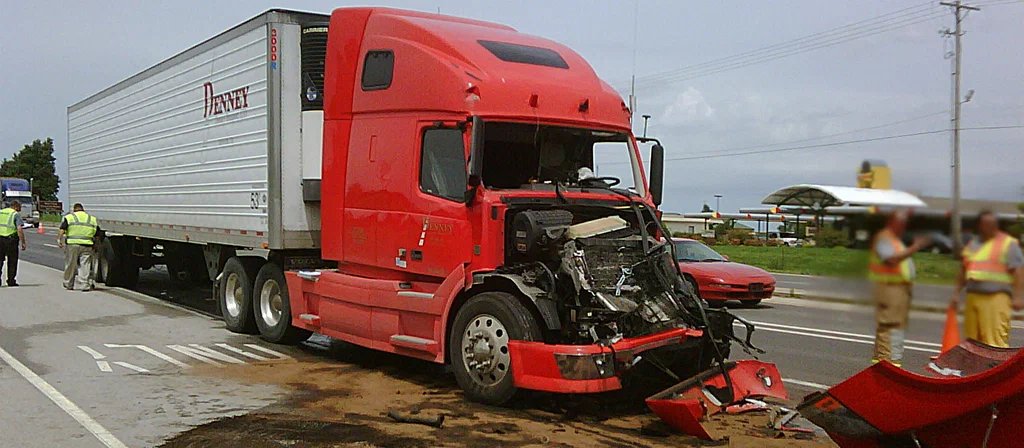
Table of Contents
- Understanding Truck Underride Accidents
- Types of Underride Accidents
- Why Underride Accidents Are So Deadly
- Common Causes of Underride Accidents
- Federal Regulations and Their Limitations
- Virginia Law and Truck Underride Accidents
- Parties Who May Be Liable
- Building a Wrongful Death or Injury Claim
- Damages in Underride Accident Cases
- Insurance Complications
- The Role of Safety Advocacy
- Moving Forward After an Underride Accident
Understanding Truck Underride Accidents
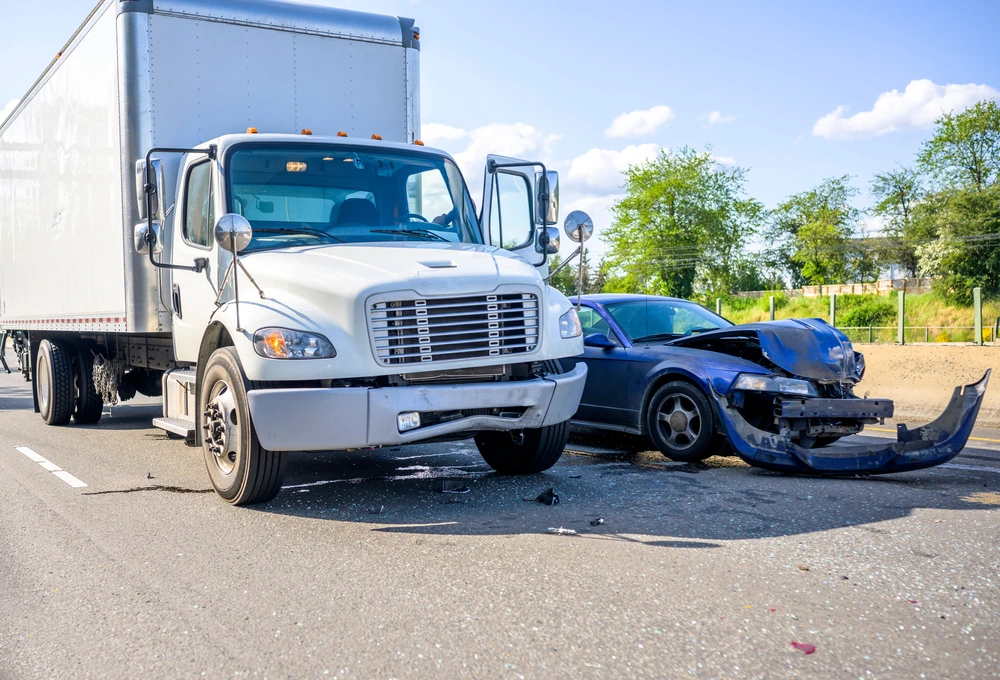
Underride accidents occur when the height differential between vehicles creates a deadly scenario. Commercial trucks and trailers ride much higher off the ground than passenger vehicles. This gap creates space for smaller vehicles to slide underneath during certain types of collisions.
Types of Underride Accidents
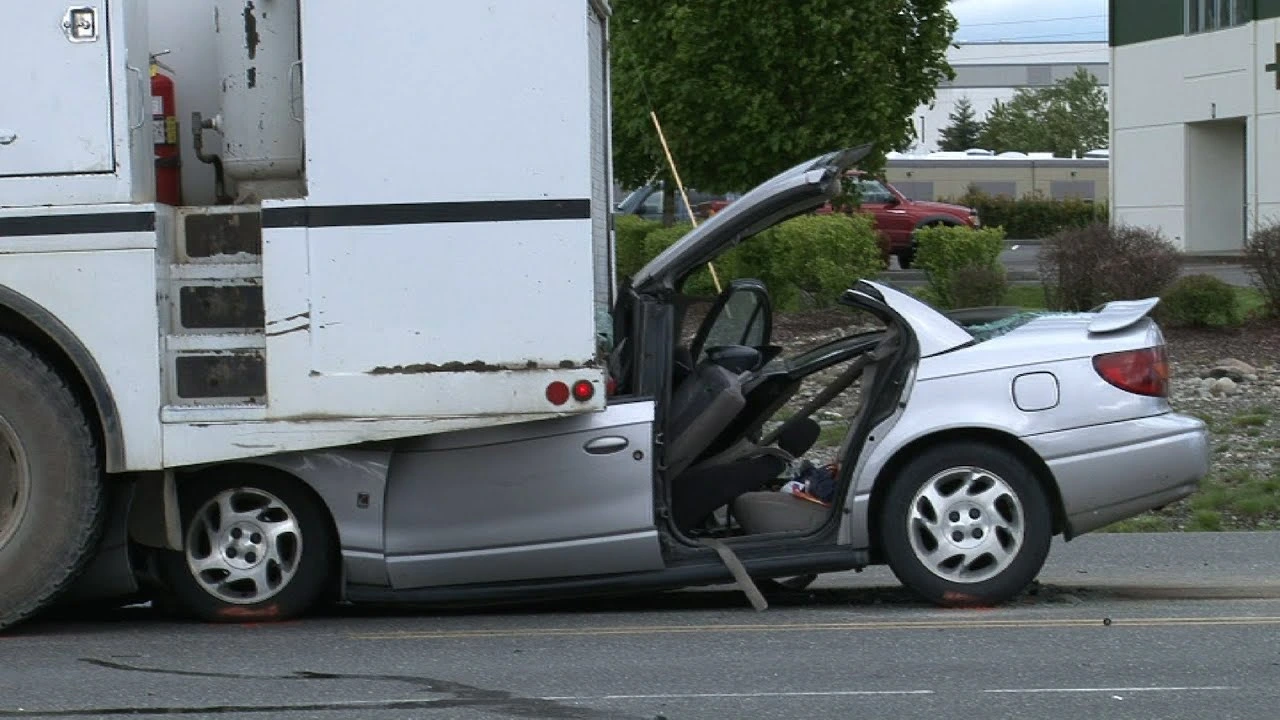
Rear underride crashes happen when a passenger vehicle strikes the back of a truck or trailer and continues underneath it. These often occur when trucks are stopped or moving slowly on highways, especially at night or in poor visibility conditions. A driver might not realize a truck has slowed or stopped until it’s too late to brake effectively.
Side underride accidents involve a vehicle sliding under the side of a trailer, typically during turning maneuvers or when a truck crosses lanes of traffic. These crashes frequently occur at intersections when trucks make wide turns, or on highways when trucks change lanes without adequate clearance.
Front underride collisions happen when a truck backs into or over a smaller vehicle, or when a truck’s momentum carries it over a vehicle during a collision. While less common than rear and side underrides, they’re equally deadly.
Why Underride Accidents Are So Deadly
The physics of underride accidents explains their catastrophic nature. In a typical car accident, the vehicle’s crumple zones absorb impact energy. Airbags deploy to protect occupants. Seatbelts restrain passengers. The entire structure of modern vehicles is engineered to manage collision forces and protect the survival space where occupants sit.
Underride accidents bypass all these safety features. When a vehicle slides under a trailer, the impact occurs at windshield or roof level rather than at the bumper. The protective crumple zones never engage. Airbags may deploy, but they’re positioned to protect against frontal impacts, not against forces coming from above. The roof structure, not designed to be the primary impact point, collapses under the weight and force of the collision.
Occupants face catastrophic head, neck, and chest injuries. The force doesn’t get distributed across the vehicle’s safety structure but instead focuses on the upper portion of the passenger compartment. Survival rates in severe underride accidents remain tragically low.
Common Causes of Underride Accidents
Several factors contribute to these devastating crashes. Poor lighting on trailers makes them nearly invisible at night. Federal regulations require reflective tape and lighting, but these measures often prove inadequate, especially when lights malfunction or get obscured by dirt and road grime.
Sudden stops or slow-moving trucks on highways create dangerous situations. When traffic flows at 65 or 70 miles per hour and a truck suddenly appears traveling at 25 miles per hour, drivers have little time to react. At night or in poor weather, they might not see the truck until collision is unavoidable.
Inadequate underride guards represent perhaps the most critical factor. These are the bars or panels designed to prevent vehicles from sliding underneath trailers. Federal standards for these guards have historically been weak, and many guards fail in real-world crash conditions even when they meet regulatory requirements.
Truck driver negligence plays a role in many underride accidents. Stopping on highway shoulders without adequate warning, failing to maintain lighting systems, making improper turns, or operating vehicles with defective equipment all contribute to these tragedies.
Federal Regulations and Their Limitations
The federal government has regulated truck underride guards since 1953, but the standards have evolved slowly and remain inadequate according to safety advocates and accident victims’ families.
Current Rear Underride Guard Requirements
The National Highway Traffic Safety Administration requires rear underride guards on most trailers. These guards must withstand impacts at 35 miles per hour in limited test scenarios. However, real-world accidents often occur at much higher speeds. The testing uses specific impact points that don’t represent all possible collision angles and positions.
Many guards that meet federal standards still fail catastrophically in actual crashes. The guards bend, break, or separate from the trailer, allowing vehicles to underride despite the presence of the supposedly protective equipment. Safety researchers have demonstrated that stronger guards are technologically feasible and could prevent many underride deaths.
Side Underride Guard Gap
Federal regulations do not currently require side underride guards on most trailers, despite clear evidence that these guards could prevent deaths. Some trucking companies voluntarily install side guards, and some safety advocates push for mandatory requirements, but no federal mandate exists.
This regulatory gap is particularly troubling because side underride accidents, while less common than rear underrides, are equally deadly. The technology exists to prevent these crashes, but without regulatory requirements, most trailers remain unprotected.
Reflective Tape and Lighting Requirements
Federal law requires reflective tape and certain lighting configurations on trailers to improve visibility. These requirements help but don’t solve the problem entirely. Reflective tape wears off over time. Lights fail and don’t always get repaired promptly. In rain, fog, or heavy traffic, even properly marked trailers can be difficult to see until too late.
Virginia Law and Truck Underride Accidents
Virginia law addresses truck safety through various statutes and regulations, though specific underride guard requirements largely follow federal standards rather than imposing stricter state-level rules.
Equipment Requirements
Virginia Code requires commercial vehicles to maintain proper lighting and safety equipment. Trucks operating in Virginia must comply with federal motor carrier safety regulations, including those governing underride guards. Violations of these equipment requirements can establish negligence in accident cases.
When trucks operate with defective or missing underride guards, broken lights, or inadequate reflective markings, they violate both federal and state law. These violations become crucial evidence in wrongful death and personal injury lawsuits following underride accidents.
Negligence Standards
Virginia applies traditional negligence principles to truck accident cases. To recover damages, you must prove the truck driver or trucking company owed a duty of care, breached that duty, and caused your injuries or your loved one’s death through that breach.
The breach might involve failing to maintain required safety equipment, operating a truck unsafely, violating traffic laws, or failing to properly train drivers. Trucking companies have heightened duties under federal regulations, and violations of those regulations can constitute negligence per se, meaning the violation itself establishes a breach of duty.
Contributory Negligence Challenge
Virginia’s harsh contributory negligence rule creates significant challenges in all vehicle accident cases, including underride crashes. If the deceased or injured person was even 1% at fault, recovery is barred entirely.
Defense attorneys in underride cases often argue that the smaller vehicle was speeding, following too closely, or driving inattentively. They might claim the victim should have seen the truck and avoided the collision. These arguments, while often callous given the circumstances, must be anticipated and countered with strong evidence.
Parties Who May Be Liable
Underride accident cases often involve multiple potentially liable parties. Identifying all responsible parties is crucial because it expands the pool of insurance coverage and increases the likelihood of full compensation.
The Truck Driver
The driver bears primary responsibility for safely operating the vehicle. If the driver stopped unsafely, failed to use hazard lights, made an improper turn, or was driving a vehicle with known defects, they may be personally liable. However, truck drivers often have limited personal assets, making other defendants critical.
The Trucking Company
Trucking companies face liability under several legal theories. Respondeat superior makes employers liable for employee negligence committed within the scope of employment. If the driver was working when the accident occurred, the company typically shares liability.
Negligent hiring, training, or supervision provides another basis for company liability. If the company hired a driver with a poor safety record, failed to provide adequate training, or didn’t properly supervise driver compliance with safety regulations, they can be held directly liable.
Negligent maintenance represents a crucial theory in underride cases. If the company failed to maintain underride guards, lighting systems, or other safety equipment, their negligence contributed to the accident. Federal regulations require trucking companies to maintain detailed maintenance records, and gaps in those records can prove negligence.
The Trailer Owner or Lessor
The trucking company operating the trailer doesn’t always own it. Trailer leasing is common in the industry. The trailer owner maintains responsibility for ensuring the trailer meets safety standards, including functional underride guards. If defective equipment caused or contributed to the underride accident, the trailer owner may face liability.
Manufacturers
If the underride guard was defectively designed or manufactured, the company that made the guard faces potential product liability claims. Similarly, if the trailer itself was defectively designed in a way that made underride accidents more likely, the trailer manufacturer might be liable.
Product liability claims follow different rules than negligence claims and can provide important alternative paths to recovery, especially when driver or company negligence is difficult to prove definitively.
Maintenance and Repair Companies
Third-party companies that performed maintenance or repairs on the truck or trailer might bear responsibility if they negligently failed to fix known problems, improperly installed equipment, or created dangerous conditions through their work.
Building a Wrongful Death or Injury Claim
Underride accident cases demand thorough investigation and expert analysis. The complexity of commercial trucking regulations, vehicle dynamics, and multiple potential defendants requires comprehensive case development.
Immediate Investigation
Time is critical after any truck accident. Evidence disappears quickly. Trucking companies have sophisticated legal teams that respond immediately to serious accidents. They send investigators to the scene, interview witnesses, photograph conditions, and gather evidence to defend against future claims.
Families of victims need their own investigation running parallel to the trucking company’s. This means hiring attorneys experienced in truck accident litigation who can deploy investigators immediately. Crucial evidence includes scene photographs showing skid marks, debris patterns, and final vehicle positions; truck black box data recording speed, braking, and other operational information; driver logs showing hours of service and compliance with rest requirements; and maintenance records revealing the truck’s safety equipment condition.
Expert Witnesses
Underride accident cases require multiple expert witnesses to establish liability and damages. Accident reconstruction experts analyze the collision dynamics, determine speeds, calculate forces, and demonstrate how the accident occurred. They can show whether the underride guard failed, how it failed, and whether a proper guard would have prevented the tragedy.
Trucking industry experts testify about regulatory requirements, industry standards, and whether the trucking company followed proper procedures. They can explain what the company should have done differently and how those failures contributed to the accident.
Biomechanical engineers explain the specific injuries and how they resulted from the underride collision. Medical experts detail the deceased’s suffering or the survivor’s injuries, future medical needs, and permanent impairments.
Economic experts calculate financial losses including lost income, benefits, household services, and future economic contributions. In wrongful death cases, they project what the deceased would have earned over their expected working life.
Federal Motor Carrier Safety Regulations
Commercial trucking is heavily regulated by federal law. These regulations cover driver qualifications and training, hours of service limits to prevent fatigue, vehicle maintenance requirements, cargo securement standards, and safety equipment specifications.
Violations of these regulations can establish negligence and provide powerful evidence of fault. Experienced truck accident attorneys know how to obtain and analyze trucking company compliance records, driver qualification files, and maintenance logs to identify regulatory violations.
Electronic Evidence
Modern commercial trucks generate substantial electronic data. Electronic logging devices track driving hours automatically. Engine control modules record speed, braking, throttle position, and other operational data. Some trucks have forward-facing cameras that capture accident footage. GPS systems document routes and stops.
This electronic evidence can prove critical facts about how the accident occurred. However, trucking companies control this evidence, and it may be deleted or lost if not preserved quickly. Attorneys use spoliation letters and court orders to ensure evidence preservation.
Damages in Underride Accident Cases
The catastrophic nature of underride accidents typically results in either death or severe, life-altering injuries. Damage claims reflect the immense losses suffered by victims and their families.
Wrongful Death Damages
Virginia’s wrongful death statute allows certain family members to recover compensation when negligence causes a death. The deceased’s spouse, children, or parents can file claims depending on family circumstances.
Economic damages include all financial losses. Medical expenses from the accident, funeral and burial costs, lost income the deceased would have earned, lost benefits and retirement contributions, and loss of household services all factor into economic calculations. Expert economists project these losses over the deceased’s expected lifetime.
Non-economic damages compensate for intangible losses that don’t have specific price tags. Loss of companionship and consortium, loss of parental guidance and nurturing, mental anguish and grief, and loss of protection and care all constitute non-economic damages. Virginia doesn’t cap non-economic damages in most cases, allowing juries to award amounts reflecting the true magnitude of the loss.
Survival Actions
Separate from wrongful death claims, survival actions compensate the deceased’s estate for losses the deceased personally suffered between the injury and death. This includes pain and suffering experienced before death, medical expenses incurred, and lost wages during survival time.
In cases where death was not instantaneous, survival actions can provide significant additional compensation beyond wrongful death damages.
Personal Injury Damages for Survivors
Some people survive underride accidents but suffer catastrophic injuries. Traumatic brain injuries, spinal cord injuries causing paralysis, severe scarring and disfigurement, loss of limbs, and chronic pain all commonly result from underride collisions that the victim survives.
Damages for survivors include all past and future medical expenses, lost wages and diminished earning capacity, physical pain and suffering, emotional distress and mental anguish, loss of enjoyment of life, and loss of consortium claims by spouses.
The lifetime costs of caring for someone with severe brain injury or paralysis can reach millions of dollars. Comprehensive damage calculations account for decades of future needs, including medical care, adaptive equipment, home modifications, and attendant care.
Insurance Complications
Truck underride accident cases involve complex insurance issues that differ substantially from regular car accident claims.
Commercial Trucking Insurance
Federal law requires commercial trucks to carry substantial liability insurance. The minimum coverage depends on the type of cargo and operation but ranges from $750,000 to $5 million. Many trucking companies carry higher limits.
However, multiple insurance policies may apply. The truck driver might have personal coverage. The trucking company carries primary liability insurance. The trailer owner might have separate coverage. Umbrella policies may provide additional layers of protection.
Determining which policies apply and in what order requires careful analysis of policy language and the relationships among the various parties involved in the accident.
Excess Liability and Umbrella Coverage
When damages exceed primary policy limits, excess and umbrella policies become critical. Large trucking companies typically carry substantial excess coverage precisely because they know catastrophic accidents can result in claims exceeding standard policy limits.
However, accessing excess coverage requires exhausting underlying policies first and navigating complex policy terms governing when excess coverage applies. Insurance companies fight aggressively to avoid paying at excess levels, making experienced legal representation essential.
Bad Faith Insurance Practices
Insurance companies sometimes handle underride accident claims in bad faith. They might lowball initial settlement offers hoping families desperate for money will accept inadequate compensation. They delay investigations while evidence disappears. They deny obviously valid claims forcing families into expensive litigation.
When insurance companies act in bad faith, they may face additional liability beyond policy limits. Virginia law provides remedies for bad faith insurance practices, including punitive damages in appropriate cases.
The Role of Safety Advocacy
Families who lose loved ones in underride accidents often become powerful advocates for change. Their efforts have driven improvements in federal regulations and increased public awareness of these preventable tragedies.
Safety organizations like the Insurance Institute for Highway Safety conduct research demonstrating that stronger underride guards and side guards could prevent many deaths. They pressure regulators and legislators to strengthen requirements.
Some trucking companies have voluntarily adopted stronger guards and safety equipment beyond minimum requirements, recognizing both the moral imperative and the business case for preventing catastrophic accidents.
Family advocacy has brought national attention to issues that might otherwise remain hidden. Every improvement in underride guard standards traces back to families who channeled their grief into demands for change that protect other families from similar tragedies.
Moving Forward After an Underride Accident
The aftermath of a fatal underride accident leaves families shattered. Beyond the immediate grief, they face funeral expenses, potential financial hardship from lost income, and the emotional trauma of violent loss.
Taking legal action serves multiple purposes beyond financial recovery. It holds negligent parties accountable for their failures. It provides families some measure of justice when justice seems impossible. It sends messages to the trucking industry that safety failures have consequences. And it provides financial resources to help families rebuild their lives.
The process is neither quick nor easy. Truck accident litigation often takes years to resolve. Families must relive the tragedy through discovery, depositions, and potentially trial. But for many families, pursuing justice becomes an important part of their healing process.
No amount of money brings back a loved one or undoes catastrophic injuries. But compensation provides stability when families need it most. It covers medical bills and funeral expenses. It replaces lost income that families depended on. It funds care for injured survivors. And it acknowledges that what happened matters, that the loss was real, and that someone must answer for the failures that caused such preventable tragedy.
If your family has experienced the devastation of a truck underride accident in Virginia, know that you don’t face this journey alone. Experienced attorneys understand both the legal complexities and the emotional weight of these cases. They can handle the legal battle while you focus on grieving and healing. And they can work to ensure that what happened to your family drives changes that might save others from the same fate.
Commercial Truck Accident Attorney in Virginia: Your Complete Guide to Legal Rights and Settlements
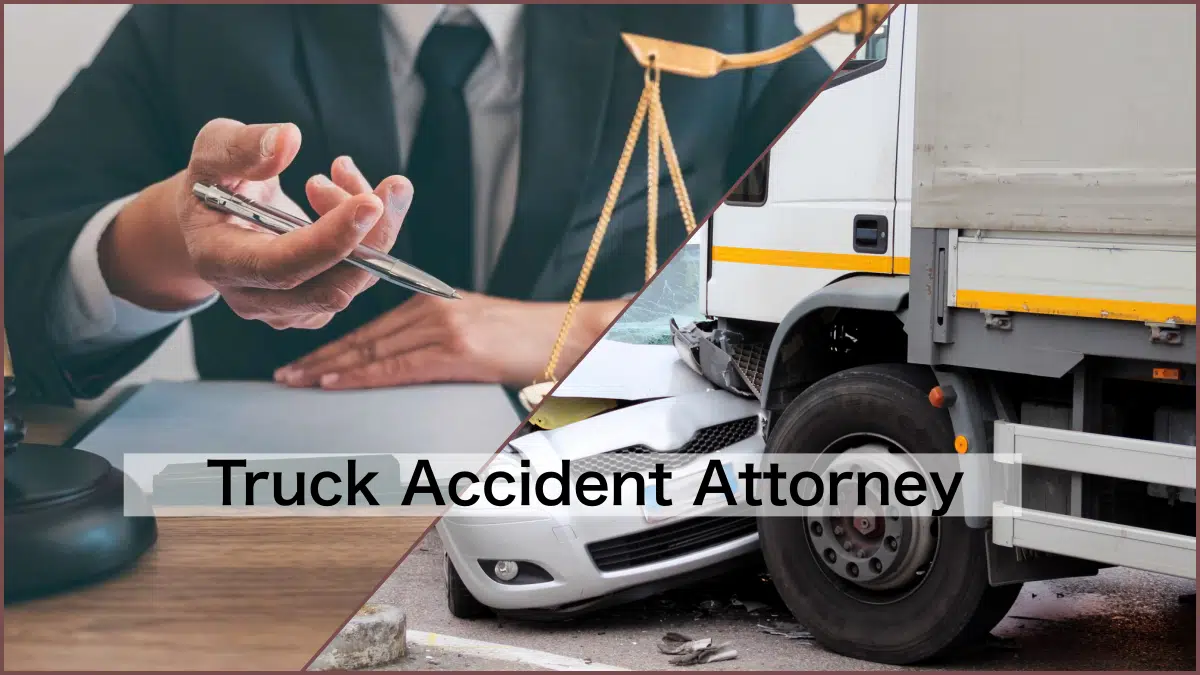
Table of Contents
- Why Commercial Truck Accidents Demand Special Attention
- The Stakes: What Victims Really Face
- Who Can Be Held Liable in a Commercial Truck Accident?
- Virginia’s Tough Legal Landscape
- How Insurance Really Works in Commercial Truck Cases
- What Makes Settlements So Variable?
- How Attorneys Build Strong Cases Against Trucking Companies
- Wrongful Death and Commercial Trucks
- Practical Advice for Victims and Families
- Frequently Asked Questions
- Conclusion & Call to Action
Why Commercial Truck Accidents Demand Special Attention
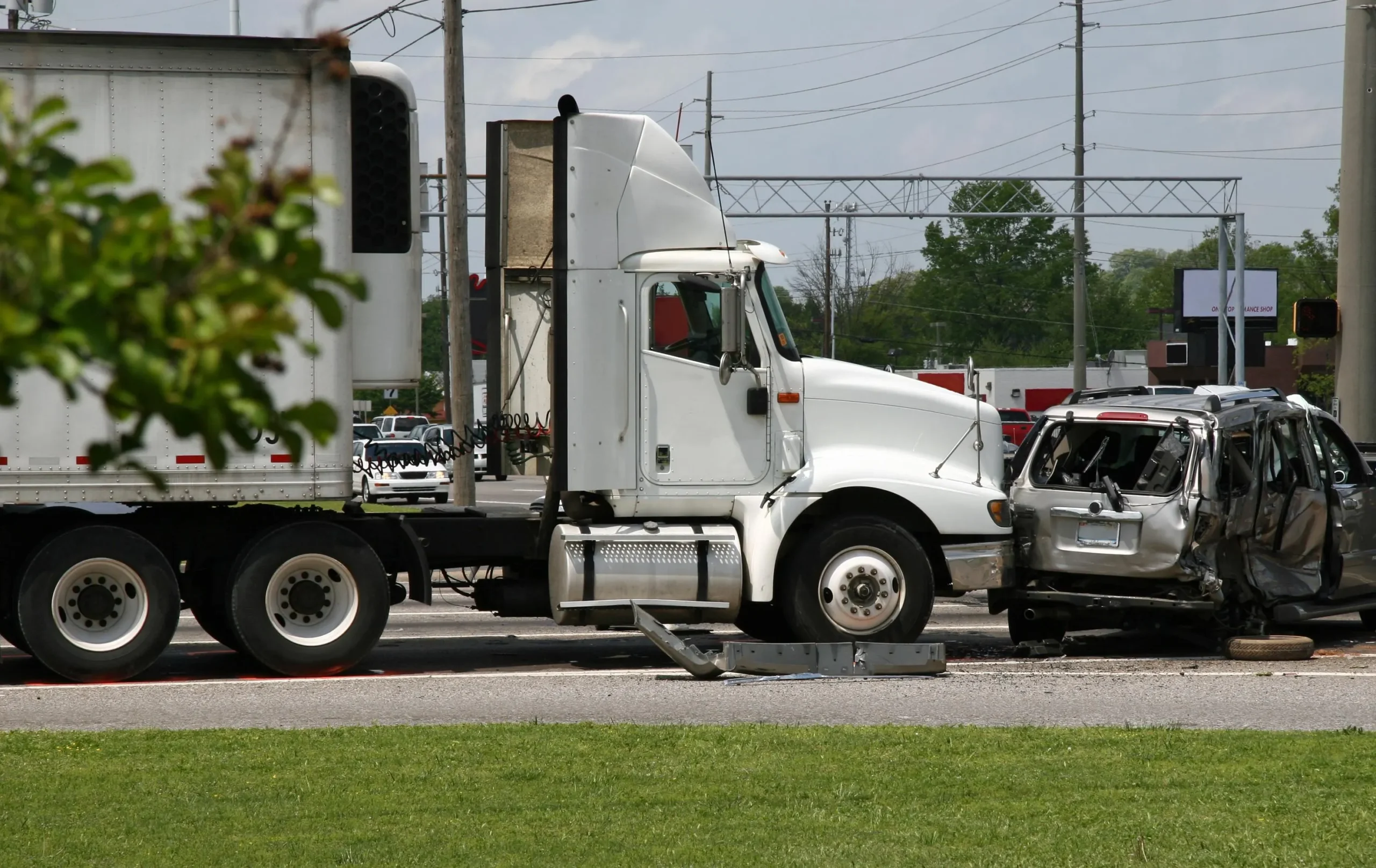
Commercial trucks, encompassing delivery vans, dump trucks, and fleet vehicles like FedEx or Amazon rigs, differ from 18-wheelers in scope but not in danger. Weighing 10,000 to 80,000 pounds, they dwarf cars, requiring longer stopping distances (up to 600 feet at 60 mph). Virginia’s roads amplify risks: urban congestion in Richmond and Norfolk clogs traffic, while interstates like I-81 and I-95 see high-speed collisions. Per DMV data, 55% of crashes stem from driver error (fatigue, distraction), 30% from mechanical failures (brakes, tires).
These accidents are legally complex due to multiple liable parties, drivers, companies, manufacturers, and federal regulations like FMCSA’s hours-of-service rules. Financially, settlements soar higher than car crashes ($10,000-$50,000) because of severe injuries, like TBIs, and commercial policies with $750,000-$5 million limits. A 2024 Norfolk delivery van crash settled for $300,000, triple a similar car accident, due to corporate liability. These cases demand specialized attorneys to unravel regulatory and corporate defenses, ensuring victims secure deserved compensation.
The Stakes: What Victims Really Face
Beyond the Hospital Room
Commercial truck accidents inflict profound losses. Medical bills for fractures or spinal injuries can hit $500,000, while rehabilitation stretches years. Lost earning potential devastates families, especially for young victims facing permanent disability, Virginia’s median income ($62,000/year) compounds losses over decades. Family stress escalates as caregivers juggle work and recovery support.
Emotional Scars Run Deep
Emotional trauma, like PTSD (affecting 30% of survivors), lingers long after physical healing. Victims report anxiety from driving or flashbacks to the crash’s chaos. A 2025 Roanoke case saw a victim awarded $200,000 for emotional distress atop medical costs.
Car Crashes Pale in Comparison
Unlike car accidents, commercial truck cases involve higher damages and corporate defendants. A 2024 Richmond car crash settled for $25,000 for whiplash, while a similar truck crash yielded $400,000 due to a TBI and company negligence. The stakes, medical, financial, emotional, demand aggressive legal advocacy to secure life-changing compensation.
Who Can Be Held Liable in a Commercial Truck Accident?
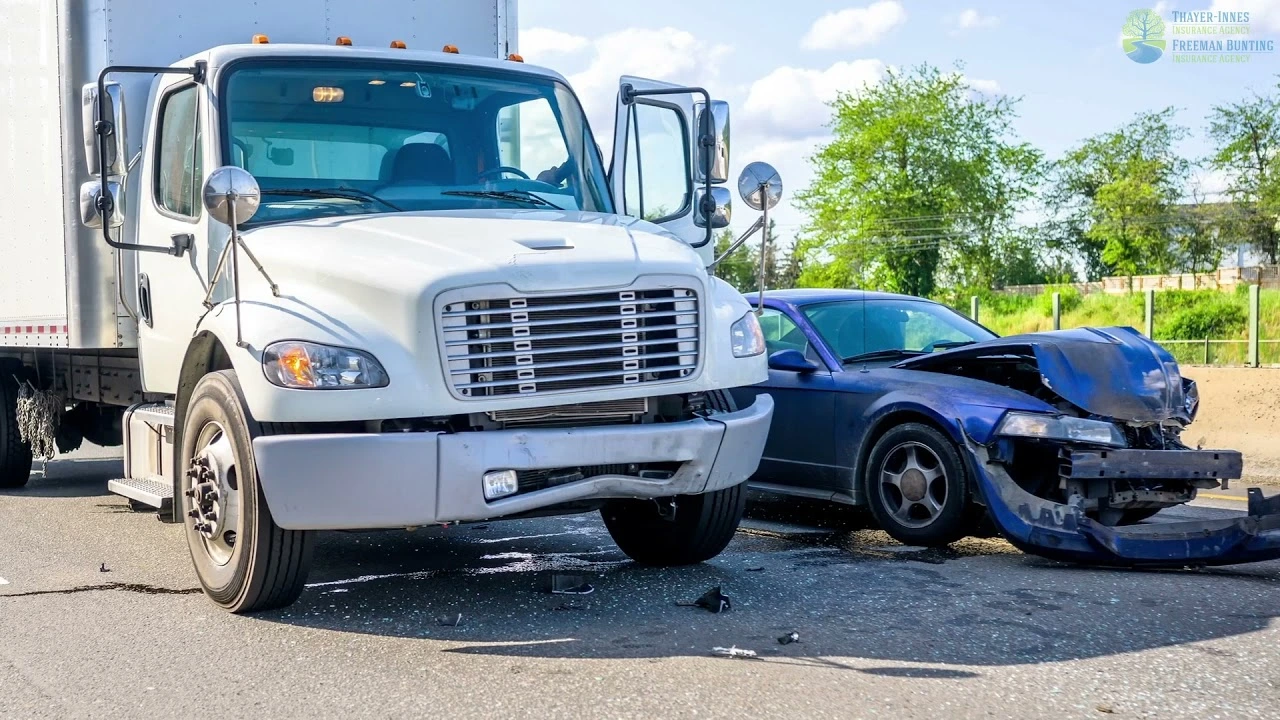
Liability in commercial truck accidents extends beyond the driver, amplifying settlement potential. Trucking companies face scrutiny for negligent hiring, inadequate training, or pushing drivers beyond FMCSA’s 11-hour driving limit. A 2024 Chesapeake case pinned $500,000 on a company for skipping background checks. Contractors and fleet operators, like those managing delivery vans, share liability for lax oversight. Cargo loaders can be culpable for unsecured loads, as in a 2025 Fairfax crash where shifting cargo caused a $700,000 settlement. Vehicle or parts manufacturers face claims for defective brakes or tires, 30% of crashes involve equipment failure, per DMV data. Identifying all parties is critical: a 2024 Richmond multi-defendant case split $1.8 million among a driver, company, and manufacturer. Comprehensive liability probes, using ELDs and maintenance logs, maximize recovery, as missing a defendant can slash settlements by 50% or more in Virginia’s high-stakes legal arena.
Virginia’s Tough Legal Landscape
The Contributory Negligence Trap
Virginia’s pure contributory negligence rule is a brutal hurdle: even 1% victim fault, like a late signal, bars all recovery. A 2024 Fairfax case nullified a $250,000 claim over a minor lane-change error. This rule, shared by only four states, demands airtight liability proof.
Time Is Ticking
The two-year statute of limitations for personal injury and wrongful death (§ 8.01-243) sets a firm deadline. Missing it forfeits claims, no matter the damages.
Virginia vs. Neighbors
Unlike Maryland’s no-fault system, which covers initial damages regardless of blame, or North Carolina’s modified comparative negligence, allowing partial recovery, Virginia’s all-or-nothing approach heightens stakes. This contrasts with regional leniency, making legal missteps costlier.
Federal Overlay
FMCSA regulations, mandating ELDs, annual inspections, and 10-hour rest periods, overlay Virginia’s laws (weight limits, accident reports for $1,500+ damages; Code § 46.2-894). Violations, like falsified logs, trigger negligence per se, as in a 2025 Norfolk $600,000 settlement. Navigating this dual framework requires expertise to avoid pitfalls and leverage regulations for maximum compensation.
How Insurance Really Works in Commercial Truck Cases
Robust Coverage, Aggressive Defenses
FMCSA mandates $750,000-$5 million liability coverage for commercial trucks, far exceeding Virginia’s $25,000 car minimum. Fleet operators often carry excess policies, enabling multimillion-dollar payouts. However, insurers deploy tactics like lowball offers ($50,000 for a $400,000 claim) or delaying investigations to pressure victims. A 2025 Alexandria case saw a six-month stall until ELD evidence forced a $650,000 offer.
Blame-Shifting and Evidence Contr
Insurers exploit Virginia’s contributory negligence rule, alleging victim fault to deny claims. They may control evidence, like black-box data, if not promptly secured. Quick settlements aim to undercut damages before full medical costs emerge.
Lawyer as Equalizer
Attorneys uncover hidden coverage, umbrella policies or corporate assets, and counter insurer tactics. In a 2024 Richmond case, a lawyer’s policy probe raised a settlement from $200,000 to $1.2 million by tapping excess coverage. Legal expertise ensures victims aren’t shortchanged by corporate defenses.
What Makes Settlements So Variable?
Injury Severity and Long-Term Impact
Settlement values hinge on injury extent: short-term fractures ($50,000-$100,000) versus catastrophic TBIs requiring lifelong care ($1 million+). Permanent disabilities amplify claims, especially for high earners.
Victim’s Employment Background
A young professional’s lost earning capacity, calculated from Virginia’s $62,000 median income, can add $500,000-$2 million. A 2025 Roanoke teacher’s claim included $800,000 for career loss.
Multiple Defendants
Cases with multiple liable parties (driver, company, manufacturer) yield higher payouts. A 2024 Richmond multi-defendant crash split $1.5 million, versus $200,000 for a single-driver case.
Scenario Examples
Minor Injury: A delivery van rear-ends a car, causing whiplash. Settlement: $150,000 (medical, short-term wages).
Severe Injury: A dump truck T-bones a sedan, causing a TBI. Settlement: $900,000 (surgeries, lost career).
Wrongful Death: A fleet vehicle causes a fatal pileup. Settlement: $3.2 million (funeral, lost income, companionship).
Liability proof (ELDs, black-box data) and damages evidence drive variability, demanding meticulous case-building.
How Attorneys Build Strong Cases Against Trucking Companies
Forensic Precision at the Scene
Attorneys deploy accident reconstructionists to analyze skid marks, crash angles, and scene photos, pinpointing fault. A 2025 Fairfax case used reconstruction to prove a $700,000 brake-failure claim.
Unlocking Black-Box Secrets
Black-box (ECM) data reveals speed, braking, and driver actions. Subpoenaing this data, as in a 2024 Norfolk $600,000 settlement, exposed speeding, shifting liability.
Digging into Logs and Records
Subpoenaed driver logs and maintenance records uncover FMCSA violations, like a 2025 Roanoke case where falsified logs yielded $850,000. Maintenance lapses (30% of crashes) are goldmines for negligence claims.
Expert Witnesses as Pillars
Medical experts validate injuries, vocational experts quantify lost earnings, and economists project future costs. A 2024 Richmond TBI case used experts to secure $1.3 million, including $500,000 for future care.
Trial-Ready Leverage
Preparing for Virginia’s bench trials, where judges favor evidence, pressures insurers to settle. A 2025 Alexandria case settled pre-trial for $1 million after trial prep exposed company negligence. Specialized attorneys ensure robust cases, maximizing settlements without upfront costs.
Wrongful Death and Commercial Trucks
Wrongful death claims in commercial truck accidents cover funeral costs ($10,000-$20,000), lost financial support (based on decedent’s earnings), and companionship losses ($100,000-$500,000). Virginia courts view corporate negligence harshly, as in a 2025 Fairfax fatal crash yielding $3.5 million for a breadwinner’s death due to an overloaded truck. Settlements often reach $1 million-$5 million+, driven by egregious violations like impaired driving (BAC limit: 0.04%). Expert testimony quantifies emotional and financial impacts, making legal representation vital to secure comprehensive recovery for grieving families.
Practical Advice for Victims and Families
Act Swiftly, Document Thoroughly
Seek medical care immediately to document injuries, even minor ones like concussions. Report the accident to police (§ 46.2-894) and collect photos, witness contacts, and medical bills. A 2024 Chesapeake victim’s photos boosted a $300,000 settlement.
Avoid Costly Mistakes
Don’t speak to insurers without a lawyer, statements can trigger contributory negligence denials. Avoid social media posts about the crash, as insurers monitor them. Delaying legal help risks evidence loss, like black-box data overwritten within 30 days.
Timing Is Critical
Preserve ELDs and maintenance records promptly, as companies may destroy them. Early attorney involvement ensures evidence security and strengthens claims, expediting fair compensation.
Frequently Asked Questions
Do different rules apply to delivery trucks vs. semis?
FMCSA regulations apply to all commercial trucks over 10,000 pounds, but delivery vans may involve local fleet policies, complicating liability.
What if the truck was owned by a government agency?
Government-owned trucks face sovereign immunity, limiting claims unless negligence is clear. Legal expertise is crucial to navigate exceptions.
Can I sue both the driver and the company?
Yes, drivers and companies (for negligent hiring or maintenance) are often co-defendants, increasing settlement potential, as in a 2024 Richmond $1.5 million case.
What happens if the driver was an independent contractor?
Contractors complicate liability, but companies may still be liable for oversight failures. Attorneys uncover these relationships to maximize recovery.
How long does a commercial truck case usually take?
Non-injury cases settle in 6-12 months; injury cases take 12-24 months, awaiting medical stabilization. Litigation extends to 18-36 months.
Will my case settle or go to trial?
Most (90%) settle pre-trial; high-value cases ($1 million+) may go to trial for larger verdicts, as in a 2025 Roanoke $2.8 million award.
Conclusion & Call to Action
Commercial truck accidents in Virginia are high-stakes battles, with settlements reflecting severe injuries and complex liability. Virginia’s contributory negligence rule and FMCSA regulations demand precision to secure recovery for medical, financial, and emotional losses. From black-box data to expert testimony, every detail shapes your outcome. Don’t face corporate insurers and trucking companies alone, an experienced attorney can amplify your claim.
If you or a loved one was injured in a commercial truck accident in Virginia, contact an experienced attorney today for a free consultation.
18-Wheeler Truck Accident Injury Lawyer in Virginia: Your Guide to Justice and Maximum Compensation
An accident with an 18-wheeler is never minor. These massive trucks can weigh up to 80,000 pounds, and when they collide with passenger vehicles, the results are often devastating: severe injuries, lifelong disabilities, or even wrongful death. Victims and families are left facing crushing medical bills, weeks or months of lost income, and an uphill battle with trucking companies and their insurers.
In Virginia, recovering compensation after an 18-wheeler crash is uniquely complex. The state’s contributory negligence rule can bar recovery if you’re found even 1% at fault. Trucking companies are backed by powerful insurers and teams of attorneys whose goal is to minimize payouts. That’s why having an experienced 18-wheeler truck accident injury lawyer in Virginia is not just helpful , it’s essential.
This guide breaks down what makes 18-wheeler cases different, the average settlement ranges, how liability is proven, and why hiring a skilled lawyer can dramatically increase your chances of securing full and fair compensation.
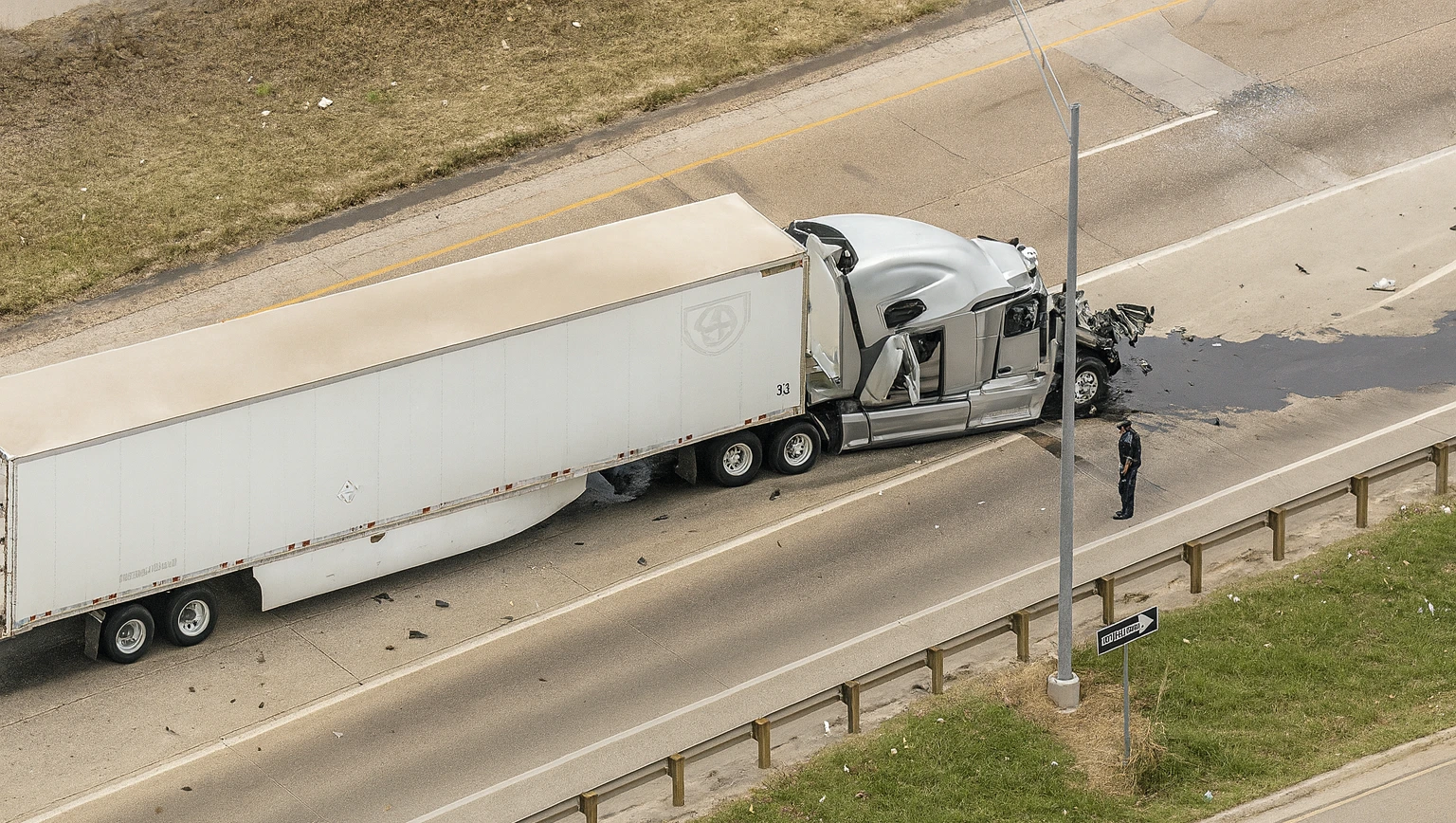
Table of Contents
- Why 18-Wheeler Accidents Are Different From Car Accidents
- Virginia Law and Liability in Truck Accidents
- Common Injuries in 18-Wheeler Accidents
- Average Settlement Ranges for 18-Wheeler Accidents in Virginia
- Factors That Influence Settlement Value
- How the Settlement Process Works
- Why an 18-Wheeler Truck Accident Injury Lawyer Matters
- Wrongful Death in 18-Wheeler Cases
- Practical Steps for Victims and Families After an Accident
- Frequently Asked Questions
- Conclusion & Call to Action
Why 18-Wheeler Accidents Are Different From Car Accidents
18-wheeler accidents dwarf passenger car collisions in scale and consequence due to their massive size, up to 80,000 pounds versus a car’s 4,000. This weight disparity, combined with longer stopping distances (up to 600 feet at highway speeds), amplifies destruction. Common causes include driver fatigue from violating hours-of-service rules, speeding, unsecured cargo shifting balance, and mechanical failures like brake malfunctions, which account for 30% of crashes per Virginia DMV data. Driver errors, such as distracted driving, contribute to 55% of incidents.
Injuries are far graver than in car accidents: traumatic brain injuries (TBIs), spinal cord damage, or fatalities are common, compared to sprains in typical crashes. Medical costs can soar past $500,000, with emotional trauma like PTSD affecting 30% of survivors. Settlements and jury awards are higher, often $100,000-$5 million, due to severe damages, commercial insurance policies with $750,000-$5 million limits, and potential corporate liability from trucking firms or manufacturers. These factors make 18-wheeler cases uniquely high-stakes, requiring specialized legal navigation to secure justice.
Virginia Law and Liability in Truck Accidents
Virginia’s legal framework for 18-wheeler accidents is stringent, blending state and federal regulations. The state’s pure contributory negligence rule bars recovery if the victim is even 1% at fault, a standard shared by only four states. For example, a 2024 Fairfax case denied a $200,000 claim due to a minor signaling error. Federal Motor Carrier Safety Administration (FMCSA) regulations mandate 11-hour driving limits, electronic logging devices (ELDs), and annual inspections. Virginia reinforces these with weight restrictions (20,000 pounds per axle) and mandatory accident reporting for damages over $1,500 or injuries (Code § 46.2-894). The statute of limitations for personal injury and wrongful death is two years (§ 8.01-243), creating a tight filing window. FMCSA violations, like falsified logs, can establish negligence per se, strengthening claims. However, proving sole liability in Virginia’s unforgiving system requires robust evidence, black-box data, maintenance logs, or witness testimony, making legal expertise essential to avoid claim derailment.
Common Injuries in 18-Wheeler Accidents
18-wheeler accidents inflict devastating injuries due to the vehicles’ size and force. Traumatic brain injuries (TBIs), ranging from concussions to severe cognitive impairment, affect 20% of victims, costing $100,000-$1 million in treatment. Spinal cord injuries, often leading to partial or full paralysis, require lifelong care, with first-year costs averaging $1.2 million. Broken bones, such as compound fractures, and internal organ damage, like ruptured spleens, demand surgeries ($50,000-$200,000) and extended recovery. Wrongful death cases, tragically common in underride collisions, leave families grappling with loss. Long-term rehabilitation, physical therapy, neurological care, or psychological support for PTSD, can span years, adding $200,000-$500,000 to claims. A 2025 Roanoke case involving a TBI settled for $800,000, reflecting these costs. These injuries necessitate comprehensive medical documentation to secure settlements that cover both immediate and future needs, underscoring the importance of legal advocacy.
Average Settlement Ranges for 18-Wheeler Accidents in Virginia
No fixed “average” settlement exists for 18-wheeler accidents due to case-specific variables, but ranges offer insight. Moderate injuries, like fractures or whiplash, typically settle for $100,000-$250,000, covering medical bills and short-term wage loss. Severe injuries, such as TBIs or spinal damage, range from $500,000-$1 million+, factoring in surgeries and lost earning capacity. Wrongful death or catastrophic cases often exceed $1 million, with some reaching $5 million+, driven by lifelong care or loss of companionship.
A 2024 Norfolk case settled for $600,000 after ELD data proved driver fatigue, while a 2025 Fairfax wrongful death suit yielded $3.5 million for a multi-vehicle crash. Nationally, a 2023 California case hit $7 million for a fatal pileup, mirroring Virginia’s trends. Key drivers include liability proof (black-box data, maintenance records), insurance coverage ($750,000-$5 million), and damages evidence. Virginia’s contributory negligence rule demands airtight liability to avoid nullified claims, making robust documentation critical for maximizing settlement value.
Factors That Influence Settlement Value
Settlement values for 18-wheeler accidents hinge on multiple factors, each shaping the final payout.
Medical Expenses and Future Care Costs
Injuries drive costs: ER visits ($5,000-$10,000), surgeries like spinal fusion ($100,000-$250,000), and lifelong care for paralysis ($1 million+). Future care, projected by medical experts, can double settlements, especially for TBIs requiring ongoing therapy.
Lost Income and Reduced Earning Capacity
Victims often face months or permanent disability, with lost wages based on Virginia’s $62,000 median income. Permanent disability claims, verified by vocational experts, add $500,000-$2 million for younger victims, reflecting career loss.
Pain, Suffering, and Emotional Trauma
Non-economic damages, like PTSD or loss of enjoyment, use multipliers (1.5-5x medical costs) or per diem ($200/day). A $50,000 medical bill could yield $75,000-$250,000 in pain and suffering, depending on trauma severity.
Property Damage and Vehicle Replacement
Totaled vehicles cost $25,000-$40,000 to replace, with diminished value adding $1,000-$5,000 for repairable cars. Detailed appraisals ensure full recovery.
Strength of Liability Evidence
Black-box data, ELDs, or maintenance records proving negligence, like a 2025 Roanoke case ($700,000 for brake failure), strengthen claims. Weak evidence risks contributory negligence denials.
Number of Defendants
Liability may span drivers, trucking companies, manufacturers, or cargo loaders. A 2024 Richmond case split $1.5 million among a driver and manufacturer, maximizing recovery.
Insurance Policy Limits
Commercial policies ($750,000-$5 million) enable larger payouts than car policies ($25,000). Excess policies or corporate assets boost high-value claims, but underinsured drivers cap recovery.
Insurance Company and Trucking Company Tactics
FMCSA mandates $750,000-$5 million liability coverage for 18-wheelers, but insurers use tactics to minimize payouts: quick lowball offers ($50,000 on a $300,000 claim), delaying investigations, or denying injury severity. Trucking companies, facing corporate liability, deploy defense teams to exploit Virginia’s contributory negligence rule, often alleging victim fault. Recorded statements can be weaponized to reduce claims. A 2025 Alexandria case saw a six-month delay until ELD evidence forced a $550,000 offer. Early legal representation counters these strategies, ensuring victims aren’t pressured into unfair settlements and preserving evidence critical to proving liability.

How the Settlement Process Works
The process begins with an investigation (1-3 months): collecting police reports, medical records, and evidence like ELDs or black-box data. Filing a claim with the at-fault insurer follows, requiring repair estimates and treatment records. Negotiations (2-4 months) involve initial offers, counteroffers backed by demand letters, and mediation for disputes. Most cases settle pre-trial, with funds disbursed 7-14 days post-agreement. Litigation, if needed, extends timelines to 12-24 months under Virginia’s two-year statute. A 2024 Chesapeake claim settled in 11 months for $250,000, while a contested Fairfax case took 20 months. Prompt evidence submission and legal coordination accelerate fair resolutions.
Why an 18-Wheeler Truck Accident Injury Lawyer Matters
An 18-wheeler accident lawyer is indispensable, wielding FMCSA expertise and Virginia law fluency. They recover critical evidence, black-box data, ELDs, maintenance logs, via subpoenas, as in a 2025 Fairfax case where log violations boosted a $400,000 offer to $950,000. They identify multiple liable parties (drivers, companies, manufacturers), maximizing recovery sources. Negotiating against corporate insurers, attorneys counter lowballs with comprehensive demand letters, securing 30-50% higher settlements. They leverage experts, medical, vocational, economic, to build damages portfolios, projecting future costs like $1 million for lifelong care. Trial preparation for Virginia’s bench trials pressures insurers, as seen in a 2024 Richmond $1.3 million pre-trial settlement. Specialized experience matters: lawyers with trucking case histories navigate complexities, ensuring optimal outcomes without upfront costs (contingency fees, typically 33%).
Wrongful Death in 18-Wheeler Cases
Wrongful death claims address unique damages: funeral costs ($10,000-$20,000), lost financial support (based on decedent’s earnings), and loss of companionship ($100,000-$500,000). Virginia juries, sympathetic to families, award $1 million-$5 million+, as in a 2025 Fairfax case yielding $3.5 million for a fatal underride crash. Higher awards stem from egregious negligence, like impaired driving (BAC limit: 0.04%). Proving dependency and emotional loss requires expert testimony, making legal representation critical to secure comprehensive recovery for grieving families.
Practical Steps for Victims and Families After an Accident
Seek medical care immediately, even for minor symptoms, to document injuries like concussions. Report the accident to police for an official report (§ 46.2-894) and document everything: photos, medical bills, wage losses. Avoid insurer statements, as they can trigger contributory negligence denials. Preserve evidence, black-box data, ELDs, by requesting records promptly, as companies may destroy them. Contact a truck accident lawyer early, choosing one with FMCSA expertise and trial history. These steps strengthen claims and expedite fair compensation.
Frequently Asked Questions
What should I do immediately after an 18-wheeler accident in Virginia?
Seek medical care, report the accident, document the scene (photos, witnesses), and contact a lawyer before speaking to insurers.
How long do I have to file a lawsuit?
Virginia’s statute of limitations is two years for personal injury and wrongful death (§ 8.01-243).
Can I recover damages if the truck driver was uninsured?
Uninsured motorist coverage or claims against the trucking company’s assets may apply, but legal advice is essential.
How much is my case worth?
Moderate injuries: $100,000-$250,000; severe: $500,000-$1 million+; wrongful death: $1 million-$5 million+, depending on damages and liability.
Will my case go to trial or settle out of court?
Most (90%) settle pre-trial within 12-24 months; high-value cases may go to trial for larger verdicts.
What if the accident caused the death of a loved one?
Wrongful death claims cover funeral costs, lost income, and companionship, often reaching $1 million-$5 million.
Do I have to pay my lawyer upfront?
No, most truck accident lawyers work on contingency (33% of settlement), with no upfront costs.

Conclusion & Call to Action
18-wheeler accidents in Virginia are high-stakes battles, with settlements from $100,000 to over $5 million reflecting severe injuries and complex liability. Virginia’s contributory negligence rule and FMCSA regulations demand precision to secure full recovery for medical, financial, and emotional losses. From black-box evidence to expert testimony, every detail shapes your outcome. Victims need robust representation to counter corporate insurers and trucking companies. If you or your loved one has been injured in an 18-wheeler accident in Virginia, don’t face trucking companies and insurers alone. Contact a dedicated Virginia truck accident injury lawyer today for a free consultation.
Average Settlement Amounts for Semi-Truck Accidents in Virginia: What to Expect
Semi-truck accidents in Virginia are not just bigger car accidents; they’re life-changing collisions involving vehicles that can weigh up to 80,000 pounds. The impact often leaves victims with catastrophic injuries, long-term medical needs, and financial strain that goes far beyond car repairs. When the dust settles, one of the first questions victims ask is: “What is the average settlement for a semi-truck accident in Virginia?”
The truth is, there’s no one-size-fits-all number. Settlements depend on the severity of injuries, the level of negligence, insurance coverage, and even Virginia’s unique laws on liability. However, understanding how these settlements are calculated, what ranges are common, and how a truck accident lawyer can influence the outcome gives you a clear edge in pursuing fair compensation.
This blog unpacks the factors behind semi-truck accident settlements in Virginia, explores how insurance and federal trucking rules play a role, and explains what you can realistically expect, whether your case ends in negotiation or trial.
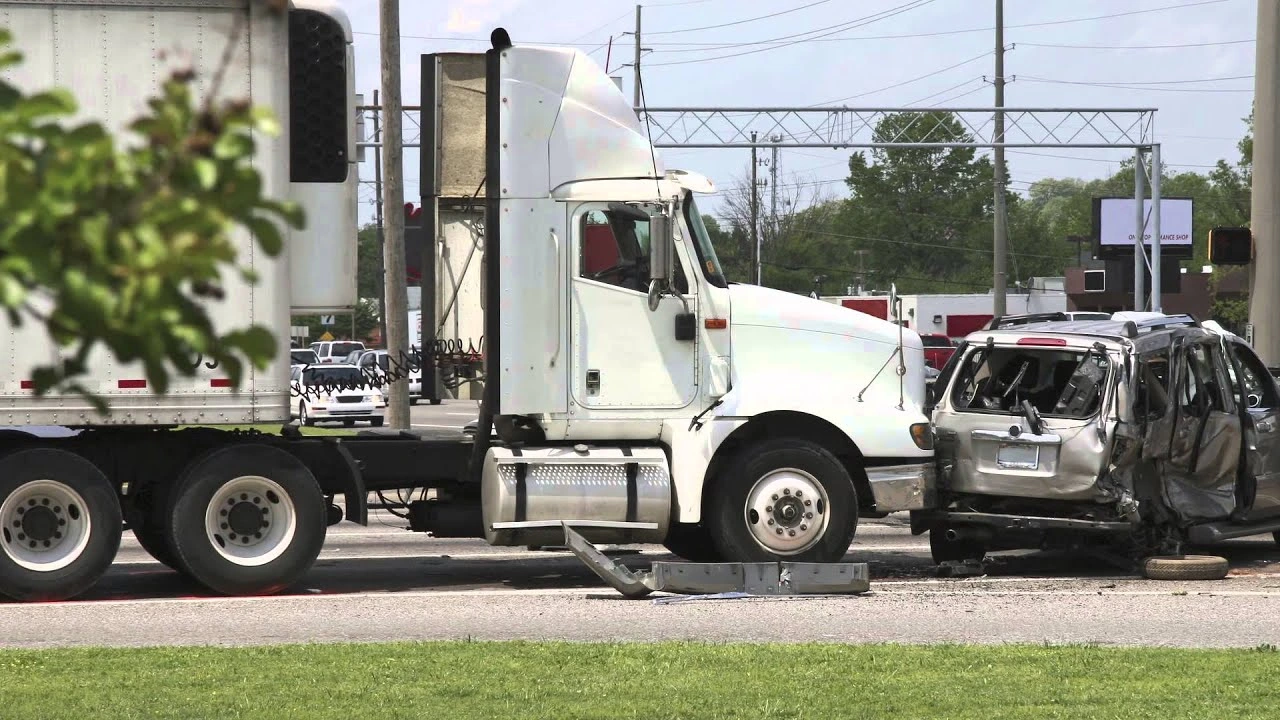
Table of Contents
- Understanding Semi-Truck Accidents in Virginia
- The Legal Framework in Virginia
- Average Settlement for Semi-Truck Accidents in Virginia
- Factors That Determine Settlement Value
- Role of Insurance and Trucking Companies
- Settlement Process Explained
- Why Semi-Truck Accident Settlements Are Higher Than Car Accidents
- When to Expect a Settlement vs Trial
- How a Virginia Semi-Truck Accident Lawyer Increases Your Settlement
- Wrongful Death Settlements in Semi-Truck Cases
- Practical Tips for Victims and Families
- Frequently Asked Questions
- Conclusion & Call to Action
Understanding Semi-Truck Accidents in Virginia
Semi-truck accidents differ starkly from passenger car collisions due to the sheer size and weight of commercial vehicles, often up to 80,000 pounds compared to a car’s 4,000. This disparity amplifies damage, frequently totaling vehicles and causing severe injuries like spinal trauma or traumatic brain injuries (TBIs). Common causes include driver fatigue from exceeding federal hours-of-service limits, distracted driving (e.g., texting, banned by FMCSA), overloaded cargo shifting stability, and brake failures from neglected maintenance. These factors, per Virginia DMV data, contribute to 55% driver-error-related crashes and 30% equipment failures.
The scale of impact is profound: medical costs can exceed $500,000 for serious injuries, while emotional trauma like PTSD affects up to 30% of survivors. Financially, victims face lost wages and diminished earning capacity, especially when disabilities prevent work. Settlements are higher than car accident claims due to greater injury severity, commercial insurance policies with $750,000-$1 million minimums, and potential corporate liability from trucking firms or manufacturers. These elements make semi-truck cases uniquely complex, demanding meticulous evidence to secure fair compensation in Virginia’s high-stakes legal arena.
The Legal Framework in Virginia
Virginia’s legal landscape for semi-truck accidents blends state and federal regulations, creating a rigid framework for liability. The state’s pure contributory negligence rule bars recovery if the victim is even 1% at fault, a harsh standard shared by only four other states. Federal Motor Carrier Safety Administration (FMCSA) regulations mandate strict hours-of-service (11-hour driving cap, 10-hour rest), electronic logging devices (ELDs), and annual inspections. Virginia’s laws reinforce these, setting weight limits (20,000 pounds per axle) and requiring accident reports for damages over $1,500 or any injury (Code § 46.2-894). The statute of limitations for personal injury and property damage is two years (§ 8.01-243), a ticking clock for claims. Non-compliance with FMCSA or state rules, like falsified logs, can trigger negligence per se, boosting settlement leverage. However, Virginia’s contributory negligence rule demands airtight evidence to avoid blame, making legal expertise critical to navigate this unforgiving terrain.
Average Settlement for Semi-Truck Accidents in Virginia
Pinpointing an “average” semi-truck accident settlement in Virginia is elusive due to case variability, but ranges provide clarity. Minor injury claims, like whiplash or fractures, typically settle for $50,000-$150,000, covering medical bills and short-term wage loss. Severe injuries, such as spinal damage or TBIs, range from $250,000-$750,000, factoring in surgeries, rehabilitation, and lost earning capacity. Catastrophic or wrongful death cases often exceed $1 million, with some reaching $5 million or more, driven by lifelong care costs or loss of companionship.
A 2024 Norfolk case settled for $450,000 after ELD data exposed driver fatigue, while a 2025 Fairfax wrongful death suit yielded $3.2 million, implicating an overloaded rig. Nationally, a 2023 Texas case hit $6 million for a multi-vehicle pileup, reflecting similar dynamics. These figures hinge on proving liability, via black-box data or maintenance logs, and documenting damages comprehensively. Virginia’s contributory negligence rule underscores the need for robust evidence, as even minor fault nullifies claims. Settlements reflect not just losses but the strength of your case.
Factors That Determine Settlement Value
Settlement values in Virginia semi-truck accidents hinge on multiple, interwoven factors, each amplifying or constraining compensation.
Injury Severity & Medical Costs
The extent of injuries drives costs exponentially. Emergency room visits average $5,000-$10,000, while surgeries like spinal fusion cost $100,000-$250,000. Long-term rehabilitation or lifelong care for paraplegia can exceed $1 million in the first year. Future medical expenses, projected by specialists, add significant value, often doubling settlements for severe cases.
Lost Wages & Earning Capacity
Semi-truck accidents frequently cause disabilities, sidelining victims for months or permanently. Lost wages, based on Virginia’s median income ($62,000/year), accrue rapidly. Permanent disability claims, supported by vocational experts, can add $500,000-$2 million for younger victims, reflecting diminished career prospects.
Pain & Suffering
Non-economic damages like pain, PTSD, or loss of enjoyment are calculated via multipliers (1.5-5x medical costs) or per diem ($200/day). A six-month recovery with $50,000 in medicals could yield $75,000-$250,000 in pain and suffering, depending on documented trauma.
Property Damage
Cars are often totaled, with replacement costs averaging $25,000-$40,000. Diminished value for repairable vehicles adds $1,000-$5,000. Detailed appraisals ensure full recovery of these losses.
Liability & Negligence Evidence
Proving negligence, via ELDs, black-box data, or toxicology reports, strengthens claims. A 2025 Roanoke case leveraged maintenance records to secure $600,000, exposing brake failure. Weak evidence risks contributory negligence denials, nullifying payouts.
Insurance Coverage
Commercial trucks carry $750,000-$1 million minimum liability policies, per FMCSA, far exceeding car policies ($25,000). Excess policies or corporate assets boost high-value claims, but underinsured drivers cap recovery unless personal assets are viable.
Comparative Role of Multiple Defendants
Liability often spans drivers, trucking companies, manufacturers, or cargo loaders. A 2024 Richmond case split $1.2 million among a driver (fatigue) and manufacturer (faulty brakes), maximizing recovery. Identifying all parties ensures comprehensive claims.
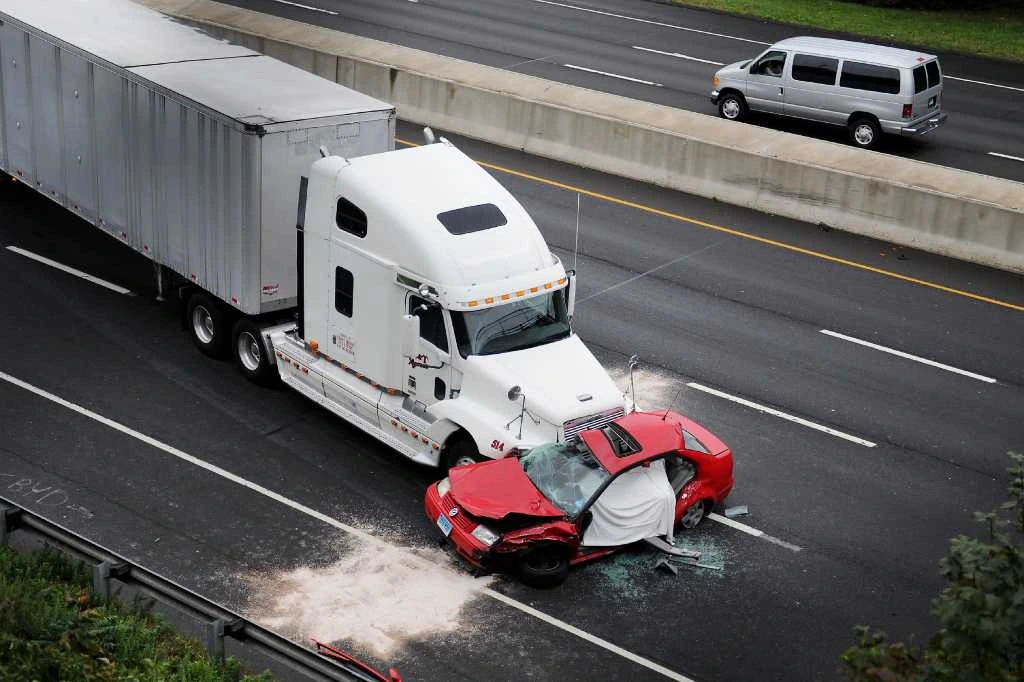
Role of Insurance and Trucking Companies
Federal law mandates $750,000 minimum liability coverage for interstate semi-trucks, with many carriers holding $1 million-$5 million policies to cover catastrophic claims. Insurers employ tactics like delaying investigations, disputing injury severity, or offering lowball settlements ($50,000 on a $300,000 claim) to minimize payouts. Trucking companies, facing corporate liability, fight aggressively, often hiring defense firms to exploit Virginia’s contributory negligence rule. Their resources, legal teams, surveillance, aim to shift blame or reduce damages. A 2025 Alexandria case saw a carrier delay six months before ELD evidence forced a $500,000 offer. Victims must counter with robust documentation and legal representation to level the playing field against these high-stakes opponents.
Settlement Process Explained
The settlement process begins with an investigation: police reports, medical evaluations, and evidence collection (ELDs, black-box data) within 1-3 months. Filing a claim with the at-fault driver’s insurer follows, requiring repair estimates and medical records. Negotiations, spanning 2-4 months, involve initial offers, counteroffers backed by demand letters, and mediation for disputes. Most claims settle pre-trial, with funds disbursed 7-14 days post-agreement. If mediation fails, litigation extends timelines to 12-24 months under Virginia’s two-year statute. A 2024 Chesapeake claim settled in 10 months for $200,000, while a contested Fairfax case took 18 months. Prompt evidence submission and legal coordination accelerate resolutions.
Why Semi-Truck Accident Settlements Are Higher Than Car Accidents
Semi-truck settlements dwarf car accident payouts due to greater injury severity, fractures or TBIs versus whiplash, driving medical costs into the millions. Commercial policies ($750,000-$1 million) far exceed Virginia’s $25,000 car minimums, enabling larger recoveries. Corporate defendants, like trucking firms, face higher scrutiny than individual drivers, especially when FMCSA violations (e.g., falsified logs) trigger punitive damages. A 2025 Norfolk case added $200,000 in punitives for impaired driving, pushing the total to $650,000. Federal regulations amplify liability, as violations like improper maintenance constitute negligence per se, inflating settlements beyond typical car crash ranges ($10,000-$50,000).
When to Expect a Settlement vs Trial
Most semi-truck cases (90%) settle before trial to avoid litigation costs and risks. Non-injury claims resolve in 6-12 months, while injury cases take 12-24 months, awaiting medical stabilization. High-value claims, like catastrophic injuries exceeding $1 million, may go to trial for larger verdicts, especially if insurers lowball or dispute liability. A 2024 Roanoke trial awarded $2.8 million after a carrier rejected mediation, doubling the pre-trial offer. Trials extend timelines by 12-24 months due to discovery and court schedules, but settlement pressure often peaks pre-trial, incentivizing fair offers.
How a Virginia Semi-Truck Accident Lawyer Increases Your Settlement
Specialized attorneys transform semi-truck claims by wielding expertise in FMCSA regulations and Virginia law. They gather critical evidence, black-box data, ELDs, maintenance logs, via subpoenas, often uncovering violations like a 2025 Fairfax case where falsified logs boosted a $300,000 offer to $900,000. They identify multiple liable parties (drivers, companies, manufacturers), maximizing recovery sources. Negotiating against corporate insurers, attorneys counter lowballs with comprehensive demand letters, securing 30-50% higher settlements. They collaborate with medical experts, economists, and life-care planners to build robust damages portfolios, projecting future costs. Trial readiness, preparing for Virginia’s bench trials, pressures insurers to settle, as seen in a 2024 Richmond case yielding $1.2 million pre-trial. Choosing a lawyer with trucking case experience ensures these advantages, balancing speed and compensation.
Wrongful Death Settlements in Semi-Truck Cases
Wrongful death claims in semi-truck accidents address unique damages: funeral costs ($10,000-$20,000), loss of financial support (based on decedent’s earnings), and non-economic losses like loss of companionship ($100,000-$500,000). Virginia juries, empathetic to grieving families, often award $1 million-$5 million, as in a 2025 Fairfax case yielding $3.2 million for a breadwinner’s death. Settlements reflect economic projections and emotional impact, with higher awards when negligence (e.g., impaired driving) is egregious. Proving dependency and quantifying intangible losses require expert testimony, making legal representation critical to maximize recovery in these heart-wrenching cases.
Practical Tips for Victims and Families
Document everything: photograph the scene, retain medical bills, and track wage losses to build a robust claim. Avoid insurer discussions without legal counsel, as statements can trigger contributory negligence denials. Seek medical evaluation immediately, even for minor symptoms, to rule out latent injuries like concussions. Preserve evidence, black-box data, ELDs, by requesting records promptly, as companies may destroy them. Choose a lawyer with trucking case expertise and a trial history to counter corporate defenses. These steps, executed early, safeguard your claim’s strength and expedite fair compensation.

Frequently Asked Questions
What’s the average truck accident settlement in Virginia?
Settlements range from $50,000-$150,000 for minor injuries, $250,000-$750,000 for severe injuries, and $1 million-$5 million+ for catastrophic or wrongful death cases, depending on damages and liability proof.
How long does it take to get paid after a settlement?
Funds are typically disbursed 7-14 days post-agreement, though complex cases with liens may take 30 days.
Can I recover if the truck driver had no insurance?
Uninsured motorist coverage or claims against the trucking company’s assets may apply, but legal advice is crucial.
What if I was partly at fault?
Virginia’s contributory negligence rule bars recovery if you’re even 1% at fault, necessitating strong evidence to prove sole liability.
Do settlements cover future medical bills?
Yes, with expert projections from life-care planners, settlements can include future costs, especially for severe injuries.
How do wrongful death truck accident settlements differ?
They include funeral costs, lost income, and companionship losses, often reaching $1 million-$5 million due to profound impacts.
Is hiring a lawyer worth it in a semi-truck accident?
Absolutely, attorneys boost settlements by 30-50%, navigate complex regulations, and counter corporate defenses, often at no upfront cost.
Conclusion & Call to Action
Semi-truck accidents in Virginia unleash devastating consequences, but settlements, ranging from $50,000 to over $5 million, offer a path to recovery. Navigating Virginia’s contributory negligence rule, FMCSA regulations, and corporate defenses demands precision and expertise. From documenting damages to leveraging black-box evidence, every step shapes your outcome. Don’t leave justice to chance; a specialized attorney can amplify your claim, ensuring fair compensation for medical, financial, and emotional losses. If you or a loved one has been injured in a semi-truck accident in Virginia, don’t leave your future to chance. Speak with a dedicated Virginia truck accident lawyer today for a free consultation and understand the true value of your case.
Who Covers Hospital Bills After a Virginia Truck Crash?
A Virginia truck crash can leave you facing devastating injuries and overwhelming medical bills. Between emergency room visits, surgeries, and follow-up care, costs can reach tens or even hundreds of thousands of dollars within days. In the middle of physical recovery, one pressing question often arises: Who covers hospital bills after a Virginia truck crash?
The answer is not always straightforward. Virginia follows a fault-based insurance system, meaning the at-fault party is generally responsible for damages, including medical expenses. However, hospital bills are rarely paid immediately by the other driver’s insurance. In reality, several sources, your own health insurance, medical payments (MedPay) coverage, workers’ compensation, or a settlement from the at-fault truck driver’s insurer, may come into play at different stages.
This guide breaks down how medical costs are handled after a truck accident in Virginia, the laws that determine payment responsibility, and the steps you can take to ensure you are not left with unpaid bills or mounting debt.
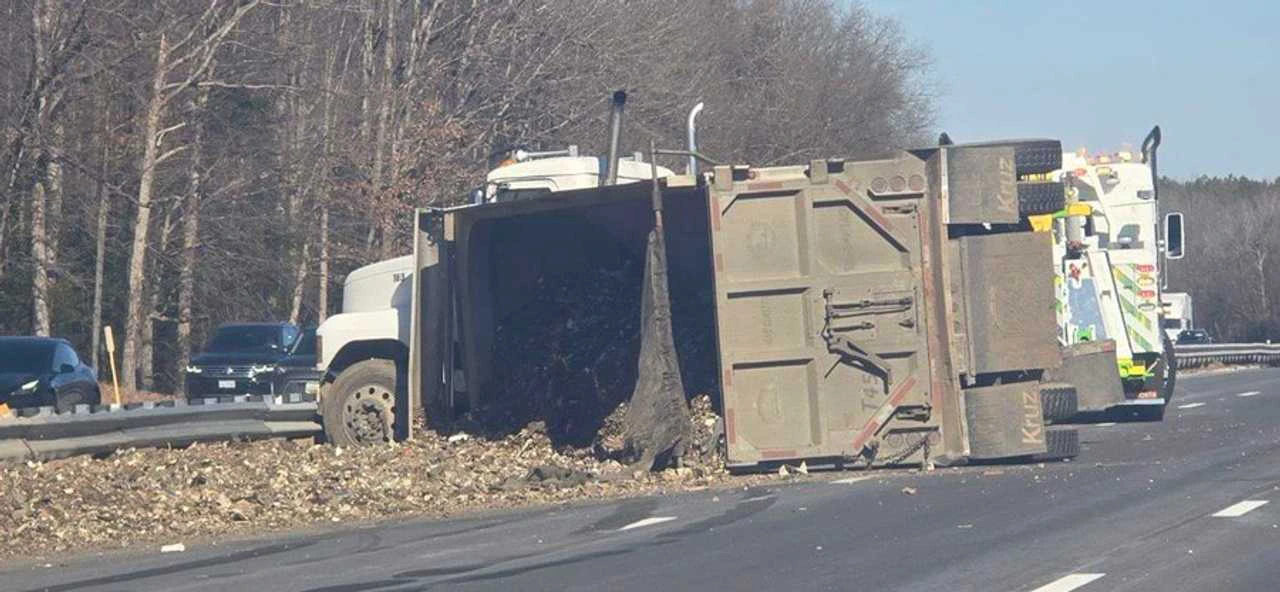
Table of Contents
- Immediate Medical Costs: Who Pays First in Virginia?
- At-Fault Driver’s Insurance Coverage
- Your Health Insurance and MedPay Coverage
- Medical Liens and Letters of Protection
- Workers’ Compensation in Truck Crash Cases
- Federal Trucking Regulations and How They Affect Medical Bill Recovery
- Why Legal Help Matters for Hospital Bill Coverage
- Final Thoughts: Protecting Yourself from Medical Debt After a Truck Crash
- FAQs: Hospital Bill Coverage After a Virginia Truck Crash
Immediate Medical Costs: Who Pays First in Virginia?
After a serious truck accident, medical treatment often begins before fault is even determined. Emergency responders transport injured victims to the hospital, where doctors may order surgery, imaging tests, and other urgent care. These services are billed immediately, so who gets the bill first?
In Virginia, your own health insurance or MedPay coverage is typically the first to step in. Even if another driver is clearly at fault, their insurance does not pay your bills as they are incurred. Instead, you receive treatment under your own coverage, and your insurer may later seek reimbursement through a process called subrogation once your case settles.
If you do not have health insurance, hospitals may bill you directly or work with your lawyer to place a medical lien on your eventual settlement. This lien guarantees payment once your case resolves, allowing you to continue receiving treatment without upfront payment.
It’s important to note that under Virginia law, you remain responsible for your hospital bills until they are paid, regardless of fault. That means if the at-fault truck driver’s insurance delays or disputes the claim, your accounts could go to collections unless alternative payment arrangements are made. Acting quickly to notify your health insurer, MedPay provider, and legal counsel can help protect your credit and prevent treatment interruptions.
At-Fault Driver’s Insurance Coverage
In Virginia, the at-fault truck driver or trucking company is legally responsible for covering medical costs through their liability insurance. However, this payment comes only after a settlement or court judgment, which can take months or even years.
Commercial trucks in Virginia are required to carry higher liability limits than passenger vehicles. Under federal regulations, trucking companies must maintain at least $750,000 in liability coverage, and often more if they transport hazardous materials. This can provide a larger pool of funds for injury claims, but insurers will still investigate and may dispute your medical expenses to minimize payout.
The process typically works as follows:
- You submit medical bills to your lawyer or directly to the insurance adjuster.
- The insurer evaluates whether the treatment is related to the crash and whether it was necessary.
- Approved costs are factored into the settlement amount, which is paid out after you sign a release of claims.
Because payment is delayed until the claim is resolved, most injured victims rely on health insurance, MedPay, or medical liens to manage immediate bills. The at-fault driver’s insurer will eventually reimburse these payers, but only once liability is fully established.
Your Health Insurance and MedPay Coverage
Your own health insurance is often the first and most reliable way to cover hospital bills after a truck accident in Virginia. Whether you have private insurance, Medicare, or Medicaid, your policy will typically pay for covered medical expenses as they arise. However, these benefits are not “free money.”
Most health insurers include a subrogation clause in their contracts. This means that if you later recover a settlement from the at-fault party, the insurer has the right to be reimbursed for the medical bills they paid on your behalf. Your lawyer can sometimes negotiate a lower repayment amount to maximize your take-home settlement.
In addition to health insurance, many Virginia drivers carry Medical Payments Coverage (MedPay) on their auto policies. MedPay is optional coverage that pays medical expenses up to your policy limit, regardless of who was at fault. Typical limits range from $2,000 to $10,000, but higher amounts are available. Unlike health insurance, MedPay generally does not require repayment after a settlement, making it a valuable first source of funds.
If you have both health insurance and MedPay, you can often use them together to reduce or eliminate out-of-pocket expenses while waiting for your claim to settle.
Medical Liens and Letters of Protection
If you do not have health insurance or the ability to pay medical bills upfront, some hospitals and doctors may agree to treat you under a medical lien or letter of protection.
A medical lien is a legal agreement that allows a healthcare provider to secure payment from your future settlement or verdict. This means they will provide treatment now and wait for your case to resolve before collecting payment. Once your claim is settled, your lawyer will pay the provider directly from the settlement funds.
A letter of protection is similar but is typically an agreement between your lawyer and the medical provider, assuring that the provider will be paid once the case concludes. This arrangement can give you access to necessary treatment without immediate out-of-pocket costs, but it also reduces your net settlement amount because the lien must be satisfied before you receive your portion.
While medical liens and letters of protection can help you get the care you need, they should be used carefully. Some providers charge higher rates under lien agreements, and these costs can significantly affect your final settlement value. An experienced truck accident attorney in Virginia can negotiate lien reductions to help you retain more of your compensation.

Workers’ Compensation in Truck Crash Cases
If you were injured in a truck accident while on the job, workers’ compensation might cover your hospital bills and related medical expenses. This applies whether you were driving a commercial vehicle, working as a delivery driver, or simply performing job duties at the time of the crash.
In Virginia, workers’ compensation generally covers:
- Emergency room visits and hospital stays
- Surgeries, rehabilitation, and follow-up care
- Prescription medications related to the injury
- Mileage reimbursement for medical travel
Workers’ compensation is a no-fault system, meaning you do not need to prove who caused the crash to receive benefits. However, accepting workers’ compensation does not necessarily prevent you from pursuing a separate personal injury claim against an at-fault third party, such as the truck driver or trucking company.
When both claims are possible, coordination is essential. Workers’ compensation may have a lien on your third-party recovery for medical expenses they have paid. Your attorney can work to minimize repayment obligations and ensure you do not forfeit potential compensation from either source.
Federal Trucking Regulations and How They Affect Medical Bill Recovery
The trucking industry is governed by strict federal regulations enforced by the Federal Motor Carrier Safety Administration (FMCSA). These rules cover driver qualifications, hours-of-service limits, vehicle maintenance, and mandatory insurance coverage.
When a truck crash occurs in Virginia, violations of these federal rules can directly impact liability and your ability to recover hospital bills. Examples include:
- A driver operating beyond legally permitted hours, leading to fatigue-related crashes
- A truck company failing to maintain brakes or tires to safety standards
- Inadequate cargo securement causing load shifts and loss of control
- Failure to carry the minimum required insurance for commercial carriers
Proving such violations strengthens your personal injury claim. It not only supports a finding of negligence but can also open the door to higher insurance coverage limits than in typical car accident cases. This is especially important if your medical bills are substantial, as commercial carriers often have policies with much higher limits than individual drivers.
Your attorney can request driver logs, inspection reports, and electronic logging device (ELD) data to identify violations. This evidence can help ensure you are fully compensated for both immediate hospital bills and long-term medical care needs.
Why Legal Help Matters for Hospital Bill Coverage
Hospital bills after a Virginia truck crash are rarely straightforward. Multiple insurance companies, overlapping state and federal laws, and the high medical costs typical of truck accident injuries create a situation where victims can easily be left with unpaid balances unless they know exactly how to navigate the system. This is where experienced legal representation becomes critical.
1. Coordinating Multiple Payers
In many truck crash cases, your hospital bills may be subject to claims from several sources , your health insurance, MedPay or Personal Injury Protection (PIP), the trucking company’s liability insurer, and possibly workers’ compensation (if you were on the job when injured). An attorney ensures these payers are coordinated in a way that minimizes delays and prevents you from paying out of pocket unnecessarily.
2. Protecting Against Medical Liens and Overbilling
Hospitals and treatment providers often file medical liens against a portion of your eventual settlement. Without negotiation, these liens can take a large percentage of your compensation. A lawyer can challenge excessive charges, negotiate reductions, and ensure lienholders are only paid for legitimate, necessary treatment.
3. Identifying All Liable Parties
Truck accident liability is often shared among multiple defendants , the driver, the trucking company, a freight broker, or a maintenance contractor. A lawyer’s investigation can uncover all responsible parties, increasing the available insurance coverage to pay medical expenses and other damages.
4. Avoiding Lowball Settlement Offers
Insurance companies may offer a quick settlement that covers only immediate hospital bills, ignoring long-term needs like rehabilitation, future surgeries, or lifetime care. Legal counsel ensures that any settlement demand includes both current and future medical costs, supported by expert testimony if needed.
5. Understanding Virginia’s Contributory Negligence Rule
Virginia’s strict contributory negligence law means if you are found even 1% at fault, you could lose your right to compensation entirely. An attorney can present evidence, gather witness testimony, and counter the insurer’s attempts to assign blame to you , protecting your right to have hospital bills covered.
6. Handling Complex Federal Regulations
Trucking companies and their insurers are bound by federal safety regulations. Violations, such as Hours of Service breaches or maintenance failures, can strengthen your claim and lead to higher payouts for medical expenses. Lawyers familiar with Federal Motor Carrier Safety Administration (FMCSA) rules can use these violations to your advantage.
7. Peace of Mind During Recovery
Dealing with debt collectors and hospital billing departments while recovering from serious injuries can be overwhelming. Having a lawyer means those calls go to your legal team, allowing you to focus on healing while they work to ensure your bills are covered in full.

Final Thoughts: Protecting Yourself from Medical Debt After a Truck Crash
Hospital bills after a truck crash in Virginia can easily reach tens or even hundreds of thousands of dollars, especially when surgeries, ICU stays, or long-term rehabilitation are required. While insurance is supposed to cover these costs, the reality is more complicated. Between multiple insurers, lienholders, and the possibility of disputed liability, victims can quickly become overwhelmed.
The key takeaway is this: do not assume your bills will automatically be paid in full. Understanding how Virginia fault laws, insurance policies, and federal trucking regulations work together is critical to securing fair compensation. Acting quickly, documenting every expense, and getting experienced legal representation can mean the difference between walking away debt-free or facing years of financial strain.
FAQs: Hospital Bill Coverage After a Virginia Truck Crash
1. Will the trucking company’s insurance automatically pay my hospital bills?
Not necessarily. Their insurer will typically only pay after fault is established and a settlement is reached. In the meantime, your health insurance, MedPay, or workers’ compensation may handle the initial payments.
2. What if I do not have health insurance?
You may still receive treatment through a hospital lien or a letter of protection from your attorney. These arrangements allow you to get necessary care while your injury claim is pending.
3. Can I recover future medical expenses in my settlement?
Yes. If your injuries require ongoing treatment, your lawyer can include projected costs for surgeries, rehabilitation, medication, and assistive devices in your settlement demand.
4. What if multiple parties are at fault?
Your lawyer can pursue claims against all liable parties, which may include the truck driver, the trucking company, a parts manufacturer, or even another driver. This can increase the total available insurance coverage for your medical bills.
5. How long will it take to get my bills paid?
It depends on the complexity of your case. Straightforward liability cases may settle in a few months, while disputes or high-value claims can take a year or more.
When to Consult a Lawyer for a Truck Accident in Virginia
If you’re asking when to consult a lawyer for a truck accident in Virginia, the answer is simple: as soon as possible, especially if you’ve been injured, lost a loved one, or are facing pressure from insurers.
Truck accidents aren’t like typical car crashes. They involve federal regulations, corporate insurers, high-value claims, and often multiple liable parties. The legal and financial stakes are much higher, and trucking companies move fast to protect their interests, not yours.
In Virginia, waiting too long can cost you everything. Evidence like black box data, driver logs, and dashcam footage can disappear quickly. And because Virginia follows a strict contributory negligence rule, even a small delay or misstep can give insurers an excuse to deny your claim entirely.
In this guide, we’ll break down:
- When legal help becomes absolutely necessary
- What makes truck accidents legally different in Virginia
- How a lawyer can protect your rights, preserve key evidence, and maximize your compensation
- Why consulting early is often the difference between a full recovery and no recovery at all
Let’s start with what makes truck accident claims so complex, and why that complexity works against victims who wait too long.
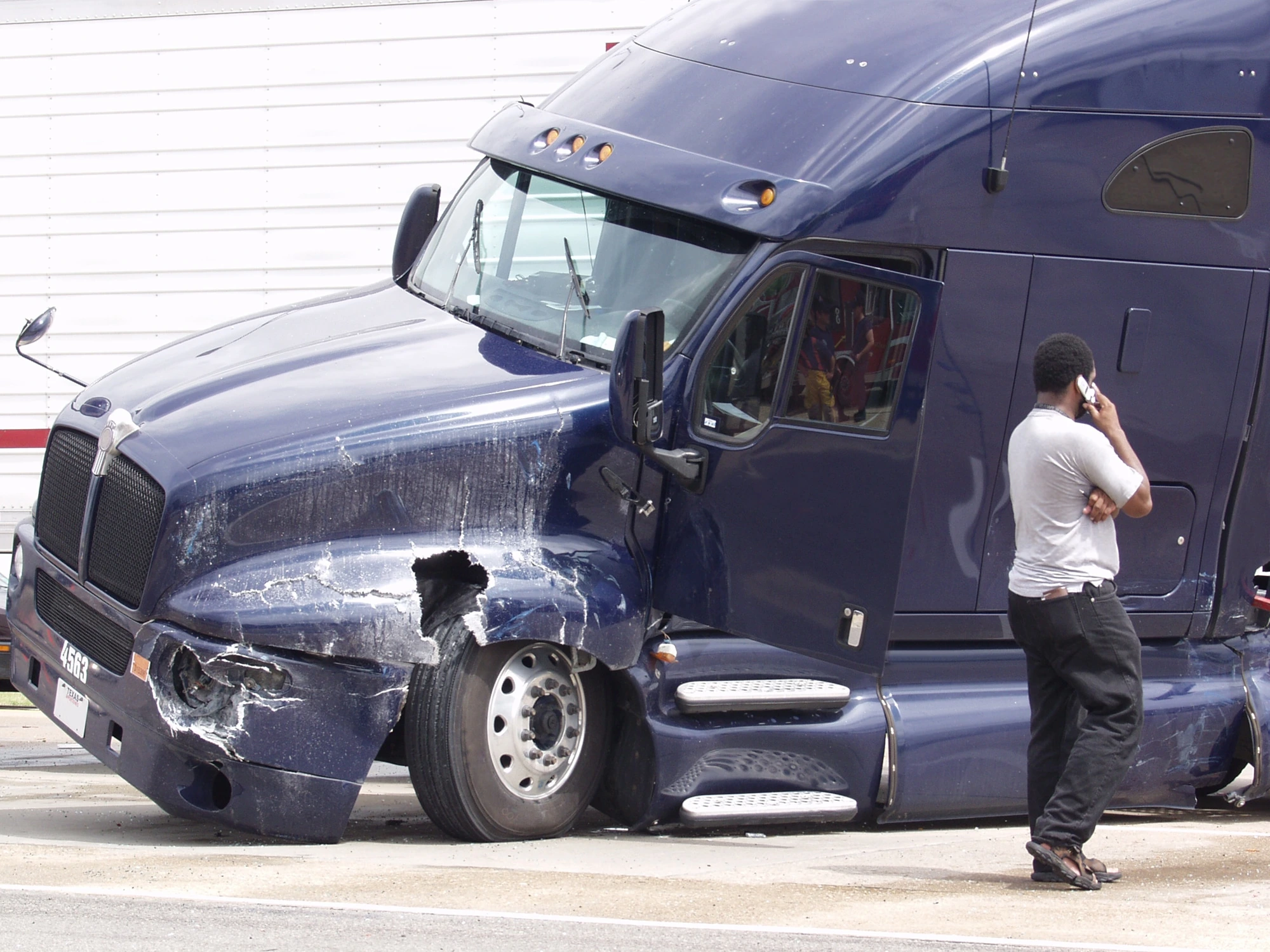
Table of Contents
- 1. Unique Legal Challenges in Virginia Truck Accidents
- 2. When to Consult a Lawyer Immediately (Non-Negotiable Situations)
- 3. Early Legal Help Protects Evidence and Builds a Stronger Case
- 4. How a Truck Accident Lawyer Adds Value to Your Case
- 5. Common Mistakes People Make Without Legal Help
- 6. Final Thoughts: Why Early Legal Help Matters in Virginia Truck Cases
- 7. FAQs About Hiring a Truck Accident Lawyer in Virginia
1. Unique Legal Challenges in Virginia Truck Accidents
Truck accident cases in Virginia are governed by multiple layers of law, including both state-level tort law and federal trucking regulations. This makes them more complex than typical car accident claims, and far more difficult to resolve without legal expertise.
Here’s why:
Federal Oversight Through FMCSA
Commercial trucks operating across state lines are regulated by the Federal Motor Carrier Safety Administration (FMCSA). This means your case may involve violations of federal safety standards, such as:
-
- Hours-of-Service (HOS) limits to prevent driver fatigue
- Drug and alcohol testing requirements
- Vehicle maintenance and inspection schedules
- Driver qualification standards
- Cargo loading rules, especially for hazardous materials
Violations of these rules can establish negligence per se, a legal shortcut to proving fault.
Virginia’s Contributory Negligence Rule
Virginia is one of just five states that still follow the strict pure contributory negligence doctrine.
This means:
If you’re found to be even 1% at fault, you may be barred from recovering any compensation.
Trucking companies and insurers aggressively use this rule to deny or minimize payouts. They may argue:
- You were speeding
- You failed to yield
- You weren’t wearing a seatbelt
- You contributed to the crash in any small way
Without legal defense, even minor mistakes can derail a legitimate claim.
Multiple Liable Parties
Truck accidents often involve more than one liable party, such as:
- The driver (for negligence or fatigue)
- The trucking company (for poor hiring, training, or maintenance)
- A cargo loader (for improper loading or unbalanced weight)
- A truck manufacturer (for mechanical failure)
- A third-party logistics company or broker
Each party may be represented by different insurers or legal teams, complicating liability, negotiations, and evidence collection.
Evidence Is Controlled by the Other Side
Much of the critical evidence in a truck accident case, like Electronic Control Module (ECM) or “black box” data, driver logs, maintenance records, and dashcam footage, is in the hands of the trucking company. Without early legal intervention:
- These records can be legally destroyed after a short time
- The company may delay or refuse voluntary release
- Important details may be “lost” unless a spoliation letter is sent early
Only an attorney can preserve this evidence through proper legal procedures.
Higher Stakes, Bigger Defense
Trucking companies and their insurers face major financial exposure in crash cases. It’s not uncommon for damages to exceed $500,000 to $1 million, especially if the crash caused:
- Severe injuries or disability
- Death
- Long-term loss of income or quality of life
Because of these high stakes, commercial insurers often assign specialized defense teams to minimize liability and pressure victims into early, lowball settlements.
In short: Truck accident cases in Virginia are governed by complex federal and state laws, stacked against injured victims, and designed to protect carriers, not civilians. You need experienced legal representation to level the field.
2. When to Consult a Lawyer Immediately (Non-Negotiable Situations)
After a truck accident in Virginia, there are specific situations where consulting a lawyer is not just helpful, it is critical. These cases carry legal risks, potential evidence loss, and aggressive insurance tactics that can all work against you if you delay.
If any of the following apply, you should speak to a truck accident attorney right away.
You Suffered Serious or Permanent Injuries
Severe injuries lead to high medical bills, missed work, and long-term recovery needs. The more serious your condition, the more likely it is that:
- The insurance company will push back on the value of your claim
- You will need expert help calculating future losses
- You risk accepting a lowball settlement before the full impact is known
A Loved One Died in the Crash
Wrongful death claims are highly complex. You must:
- Determine who has legal standing to file
- Document all financial and emotional losses
- File within the statute of limitations
- Respond to any insurer disputes over fault
In these cases, legal support is essential for protecting the interests of surviving family members.
The Trucking Company or Insurer Contacts You
If the other party’s insurer or legal team reaches out to you, their goal is to limit your claim, not help you. Common tactics include:
- Asking for a recorded statement
- Offering a quick, low settlement
- Asking misleading or incomplete questions
- Pressuring you to waive future legal rights
You should never speak to them directly without legal counsel.
You Are Being Blamed for the Crash
In Virginia, even a small share of fault can void your entire claim under the contributory negligence rule. If:
- The insurer claims you were speeding
- There is a dispute over who had the right of way
- The truck driver’s report contradicts your version of events
…you need a lawyer to gather evidence and defend your position.
There Are Multiple Vehicles or Parties Involved
Multi-vehicle crashes or incidents involving subcontractors (like cargo loaders or logistics companies) require:
- Investigating who controlled which aspect of the truck
- Filing against multiple insurance policies
- Managing communications across several legal teams
Without experienced representation, it is easy to miss out on available compensation.
Black Box or Camera Evidence May Be Lost
The truck’s onboard systems record critical data, including speed, braking, and driver behavior. Most systems auto-delete within weeks unless preserved. Without a lawyer:
- You may miss the window to request preservation
- The trucking company may legally destroy the data
- Key crash footage may be erased
Your Medical Bills Are Stacking Up or You’re Missing Work
If your injury has affected your job or created medical debt, an attorney can:
- Help calculate current and future lost wages
- Identify all available coverage, including underinsured motorist policies
- Prevent insurers from exploiting your financial pressure to settle early
If any of the above apply, legal consultation should not be delayed. Your future financial stability and access to justice may depend on early action.
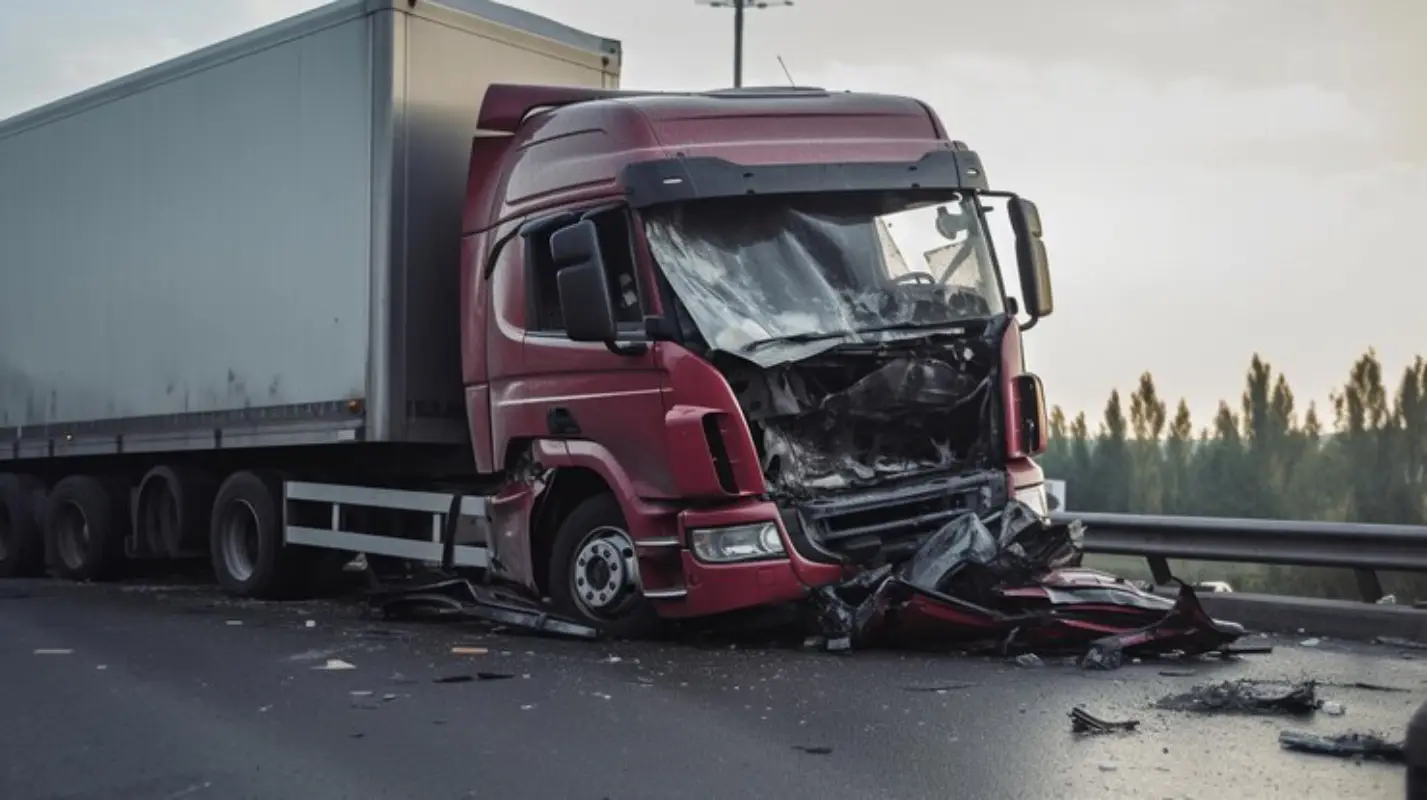
3. Early Legal Help Protects Evidence and Builds a Stronger Case
One of the biggest mistakes victims make after a truck accident is waiting too long to involve a lawyer. Time isn’t neutral. Every day that passes after the crash, valuable evidence can be lost, altered, or destroyed , especially in cases involving commercial vehicles.
Hiring a lawyer early ensures your rights are protected, and critical case-building steps are taken before the trucking company gains the upper hand.
Preserving Black Box and Electronic Data
Most commercial trucks have an Electronic Control Module (ECM) or “black box” that records:
- Vehicle speed
- Brake application
- Sudden stops
- Hours driven
- Engine faults and malfunctions
This data can prove whether the driver was speeding, braking too late, or driving while fatigued. However, this information can be overwritten or deleted automatically unless your lawyer acts quickly with a legal notice to preserve it.
Driver Logs and Hours of Service Records
Federal law requires commercial truck drivers to follow strict Hours of Service (HOS) regulations. These are designed to prevent fatigue-related accidents. A lawyer can:
- Request electronic or paper logbooks
- Check for falsifications or gaps
- Compare logs with GPS, tolls, and fuel records to expose violations
Without prompt action, these records may be discarded or manipulated.
Vehicle Maintenance and Inspection Records
Commercial carriers are required to:
- Perform routine truck inspections
- Address maintenance problems promptly
- Document compliance under FMCSA rules
If poor maintenance , like worn brakes or bald tires , contributed to the crash, these records are vital. A lawyer will request them before the trucking company can argue that they do not exist.
Spoliation Letters to Prevent Evidence Destruction
Lawyers often send a spoliation letter , a formal legal notice requiring the trucking company to preserve all relevant evidence. This includes:
- Dashcam footage
- Phone records
- Hiring and training documentation
- Cargo manifests
- Repair invoices
If the company fails to comply, the court can impose sanctions or allow juries to infer that destroyed evidence would have harmed the defendant’s case.
Witness Identification and Statements
The sooner a lawyer is involved, the more likely they can:
- Locate and interview eyewitnesses
- Preserve reliable statements
- Dispute the trucking company’s version of events
Memories fade quickly, and unrepresented victims often fail to collect crucial testimony in time.
Accident Reconstruction and Expert Analysis
In serious injury or death cases, your lawyer may bring in:
- Accident reconstruction experts to analyze skid marks, crash angles, and impact zones
- Trucking safety experts to interpret logbooks, weight limits, and operational violations
- Medical or economic experts to quantify long-term damages
This expert input becomes harder to coordinate the longer you wait after the crash.
4. How a Truck Accident Lawyer Adds Value to Your Case
Truck accident victims often ask, “Do I really need a lawyer, or can I just deal with insurance?” The answer depends on one key fact , trucking companies are prepared to defend every claim. You should be just as prepared to protect yours.
A Virginia truck accident attorney does far more than file paperwork. They serve as your investigator, advocate, and strategic negotiator, helping you avoid mistakes, build leverage, and pursue the full compensation you’re entitled to.
1. Identifying All Liable Parties
Truck accident liability is rarely simple. A lawyer will:
- Determine whether the driver, carrier, broker, or third-party contractor shares fault
- Examine ownership, lease, and employment structures
- Trace responsibility through contracts, logs, and communication records
Missing a liable party could mean leaving hundreds of thousands of dollars off the table.
2. Calculating the Full Value of Your Claim
Many victims underestimate what their case is worth. A lawyer ensures all categories of loss are accounted for:
- Emergency treatment, surgery, and rehabilitation
- Ongoing medical care or assistive devices
- Lost income and reduced earning capacity
- Pain, suffering, trauma, and life disruption
- Vehicle damage and out-of-pocket costs
Your attorney may also use medical and economic experts to project future damages , critical for serious injury or permanent disability claims.
3. Negotiating with Commercial Insurers
Trucking companies often carry high-limit policies, but that doesn’t mean they’ll pay fairly. Insurance carriers use teams of adjusters and legal advisors trained to:
- Deny or delay claims
- Shift blame to you
- Minimize injury severity
- Push early, lowball settlements
An attorney knows how to counter these tactics with legal pressure, documented evidence, and strategic timing.
4. Preparing for Trial (and Using That Leverage Wisely)
If negotiations stall, your lawyer will:
- File a lawsuit in the correct jurisdiction
- Prepare pleadings, discovery requests, and motions
- Present evidence in court, if necessary
Even if your case never goes to trial, the willingness to litigate increases your bargaining power. Insurance companies often offer better settlements once legal action begins.
5. Protecting You From Costly Mistakes
With an attorney by your side, you avoid:
- Saying the wrong thing in a recorded statement
- Missing deadlines like the statute of limitations
- Accepting settlements that don’t cover future needs
- Navigating confusing medical billing and lien negotiations on your own
In short, legal guidance reduces stress and improves your outcome.
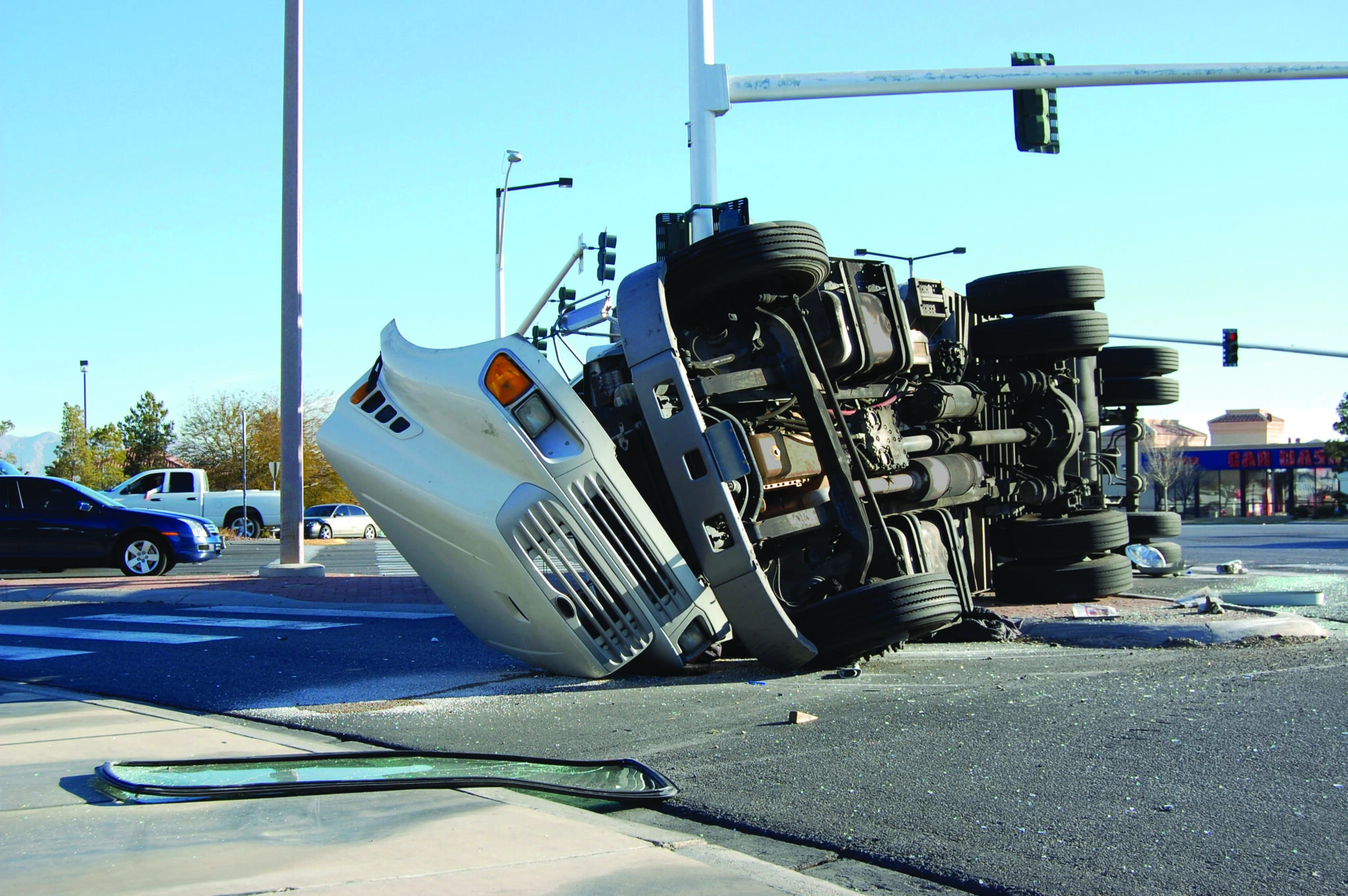
5. Common Mistakes People Make Without Legal Help
In the aftermath of a truck accident, victims often try to handle things on their own , either to avoid legal fees, because they think the process is simple, or because the trucking company’s insurer seems cooperative at first.
Unfortunately, this leads to mistakes that cost people tens of thousands of dollars, or even their entire case.
If you don’t know Virginia law, commercial insurance strategy, or the rules around evidence, it’s easy to fall into traps. Below are the most common mistakes that occur when someone delays or avoids hiring a truck accident lawyer.
1. Giving a Recorded Statement to the Trucking Company’s Insurer
Insurers may seem helpful when they call, but their goal is to limit liability.
They ask leading questions or use your words against you to:
- Shift blame
- Downplay injuries
- Create inconsistencies in your story
Once a damaging statement is on record, it becomes difficult to reverse , even if you were in the right.
2. Accepting a Quick Settlement Offer
Trucking insurers are known to offer early settlements, especially before:
- You understand the full cost of medical care
- You receive a long-term diagnosis
- You calculate lost wages or future disability
These offers are designed to look fair but severely undervalue what you’re legally entitled to.
Once accepted, you typically waive your right to pursue additional compensation , even if new medical problems arise.
3. Failing to Document Medical Treatment Properly
If you don’t follow up on treatment, skip doctor visits, or fail to document your symptoms:
- Insurers will argue your injuries aren’t serious
- Jurors may question your credibility
- You may lose access to key damages like pain and suffering or long-term care
Lawyers help ensure your medical timeline and records support your case.
4. Waiting Too Long to File or Take Legal Action
Virginia’s statute of limitations for personal injury claims is two years from the date of the crash. But you should not wait that long.
- Evidence degrades
- Witnesses forget
- Black box data may be deleted
- Insurance companies grow more skeptical over time
Delays weaken your case and reduce your bargaining power.
5. Assuming the Truck Driver is the Only One at Fault
Many victims sue only the driver, overlooking potential liability from:
- The trucking company
- The vehicle maintenance provider
- The cargo loader or shipper
- Third-party brokers or contractors
This can significantly limit your compensation, especially in catastrophic injury cases. Lawyers investigate deeper.
6. Misjudging How Virginia’s Fault Laws Work
Remember, Virginia uses pure contributory negligence. If you are even 1 percent at fault, you may recover nothing.
Insurers will exploit this rule aggressively. Without legal help, you may unknowingly say or do something that harms your claim under this strict standard.
6. Final Thoughts: Why Early Legal Help Matters in Virginia Truck Cases
Truck accidents are not routine fender benders. They involve powerful commercial vehicles, federal regulations, and insurance teams trained to protect company profits , not your future.
If you’ve been involved in a truck accident in Virginia, timing matters more than you think. The longer you wait to consult a lawyer, the more likely it is that:
- Key evidence is lost or overwritten
- The trucking company controls the narrative
- Insurance adjusters use contributory negligence to deny your claim
- You settle for less than you need to recover
Whether you’re dealing with catastrophic injury, wrongful death, or even complex fault issues, legal help early on can protect your rights and give you a real chance at justice.
Don’t wait until you’re overwhelmed. Consult a lawyer who understands Virginia law and the trucking industry , and who can start protecting your case from day one.
7. FAQs About Hiring a Truck Accident Lawyer in Virginia
Do I need a lawyer for every truck accident case?
If there are serious injuries, disputed fault, or multiple parties involved, yes. The complexity and financial stakes are much higher than in car accidents.
What if I can’t afford a lawyer right now?
Most truck accident lawyers in Virginia work on a contingency fee basis. That means you pay nothing up front, and only pay if they win or settle your case.
How soon after a truck accident should I contact a lawyer?
Immediately. Evidence like black box data and driver logs may be lost within days or weeks. The sooner your lawyer starts preserving it, the stronger your case.
Can I still recover compensation if the driver was an independent contractor?
Possibly. Liability may still fall on the carrier, broker, or another party. An attorney can investigate contracts and chain of responsibility.
How long do I have to file a truck accident claim in Virginia?
You have two years to file a personal injury or wrongful death claim. But don’t wait that long , evidence disappears quickly, and delays weaken your leverage.
What damages can I claim in a Virginia truck accident case?
- Medical bills and future care
- Lost income and earning capacity
- Pain and suffering
- Property damage
- In fatal cases, wrongful death compensation for surviving family
Truck Accident Settlement Calculator Virginia
Truck accidents are some of the most catastrophic crashes on Virginia’s roads. With massive vehicles, high-impact collisions, and complex commercial liability, these cases often result in life-changing injuries and six- or seven-figure settlements. But here’s the reality:
You can’t estimate your case like a simple fender-bender.
A truck accident settlement calculator in Virginia can give you a rough idea of what your case might be worth, but only if you understand what goes into the number. These cases are shaped by federal trucking violations, corporate insurance limits, multiple liable parties, and Virginia’s unforgiving contributory negligence law.
This guide breaks it down clearly. You’ll learn how truck settlement estimates work, which factors raise or reduce your payout, and why experienced legal strategy, not just numbers, makes the most significant difference in the end.
Table of Contents
1.What Makes Virginia Truck Accident Claims Unique
- Larger Vehicles, Greater Harm
- Corporate and Commercial Liability
- More Complex Investigations
- Strict Contributory Negligence Rule
2.How a Truck Accident Settlement Calculator Works
- Basic Formula Used in Calculators
- Here’s what that includes:
- What the Calculator Does Well
- What It Can’t Do in a Truck Accident Case
3.Key Factors That Influence Your Claim’s Value
- Severity and Type of Injury
- Lost Income and Future Earning Capacity
- Medical Costs, Past, Present, and Future
- Pain, Suffering, and Emotional Distress
- Trucking Company Liability and Federal Violations
- Insurance Policy Limits
- Contributory Negligence Claims
4.Commercial Liability and Multiple Defendants
- The Truck Driver
- The Trucking Company
- Maintenance Contractors
- Cargo Loaders or Shippers
- Truck and Parts Manufacturers
- Why Multiple Defendants Matter
5.Types of Damages in Virginia Truck Accident Claims
- Economic Damages (Tangible Financial Losses)
- Non-Economic Damages (Pain and Loss)
- Punitive Damages (Rare but Powerful)
- Wrongful Death Damages (If Fatal)
6.Pain and Suffering in High-Impact Truck Accidents
- What Pain and Suffering Include
- How It’s Calculated
- Example:
- Evidence That Supports Higher Compensation
- Why Truck Accidents Raise the Stakes
7.Virginia’s Contributory Negligence Rule and How It Affects Payouts
- What Is Contributory Negligence?
- How It Applies in Truck Accidents
- Why It’s Dangerous Without Legal Help
- What Helps Protect Your Case
8.Federal Trucking Violations and Their Role in Settlement Value
9.Sample Truck Accident Settlement Calculator Breakdown
10.When to Hire a Truck Accident Lawyer in Virginia
- Severe Injuries or Long-Term Recovery
- Disputed Fault or Contributory Negligence Claims
- Dealing with a Commercial Carrier or National Fleet
- Early Settlement Offers
11.Final Thoughts: Why Strategy Beats Any Calculator
12.FAQs About Truck Accident Settlement Calculators in Virginia
- How accurate are truck accident settlement calculators?
- Is pain and suffering included in the calculator?
- What’s the average truck accident settlement in Virginia?
- Does contributory negligence affect my calculator estimate?
- When should I talk to a truck accident lawyer?
1. What Makes Virginia Truck Accident Claims Unique
A truck crash is never just a “big car accident.” The legal and financial dynamics are entirely different. Suppose you’re injured by a commercial vehicle in Virginia. In that case, your claim is shaped by both state law and federal trucking regulations, and both are stacked in favor of well-funded trucking companies unless you act fast.
Larger Vehicles, Greater Harm
Commercial trucks weigh up to 80,000 pounds. The force of impact is exponentially higher than a typical passenger car accident. Injuries are often severe:
- Spinal cord damage
- Brain trauma
- Crush injuries or amputations.
- Fatalities
This means higher damages, but also more pushback from insurers.
Corporate and Commercial Liability
You’re not just dealing with a negligent driver. You may be dealing with:
- Trucking companies
- Third-party maintenance crews
- Cargo loading contractors
- Logistics providers
- Manufacturers (e.g., brakes, tires)
Each party may share liability, and each has its legal team and insurer. Your settlement depends on identifying who’s responsible, and proving it.
More Complex Investigations
Truck accidents trigger multiple investigations:
- Police and VDOT reports
- Federal Motor Carrier Safety Administration (FMCSA) compliance checks
- Logbook audits
- Black box (ECM) data analysis
- Drug/alcohol testing results
You need a strategy to preserve this evidence fast, because some of it can be legally destroyed within weeks if not requested.
Strict Contributory Negligence Rule
Virginia’s fault rule means if you’re even 1% to blame, your claim may be denied entirely. Trucking companies and their insurers will work hard to shift fault onto you, even slightly, to avoid paying.
Virginia truck claims are high-dollar, high-stakes, and heavily defended. That’s why even a powerful settlement calculator must be used with caution, and legal insight.
2. How a Truck Accident Settlement Calculator Works
A truck accident settlement calculator offers a general estimate of your case’s potential value. It’s based on a formula that combines documented financial losses with a multiplier for pain and suffering. While helpful for orientation, it cannot account for the legal complexity of real-world truck accident claims in Virginia.
Let’s break down what these calculators do and what they don’t.
Basic Formula Used in Calculators
Most truck accident calculators follow this core equation:
Estimated Settlement = Economic Damages + (Economic Damages × Multiplier) + (Punitive Damages, if applicable)
Here’s what that includes:
- Economic Damages:
Medical bills (past and future)
Lost wages and lost future earning capacity
Property damage (vehicle, cargo, equipment)
- Multiplier:
A number between 1.5 and 5 is applied to account for pain, suffering, and mental distress, higher for permanent or catastrophic injuries.
- Punitive Damages (if applicable):
Only awarded in cases of gross negligence or reckless conduct (e.g., DUI, falsified logbooks, excessive speeding).
What the Calculator Does Well
- Helps you organize and quantify financial damages
- Offers a starting point for negotiation strategy
- Visualizes how pain and suffering can raise the total value
- Encourages early case assessment before speaking with insurers
What It Can’t Do in a Truck Accident Case
| Limitation | Why It Matters in Virginia Truck Cases |
|---|---|
| Can’t identify all liable parties | Truck claims often involve multiple defendants |
| Doesn’t apply federal trucking rules | FMCSA violations often increase value, but aren’t factored in |
| Ignores contributory negligence | Even 1% fault may eliminate your right to compensation |
| Doesn’t account for policy limits | Settlement is capped by commercial insurance coverage |
| Won’t factor in wrongful death rules | Special damages apply in fatal truck crash cases |
Settlement calculators are helpful for rough estimates, but they don’t reflect the real legal battle. If you’re dealing with a trucking company, a calculator won’t stop them from blaming you, lowballing you, or delaying your payout.
3. Key Factors That Influence Your Claim’s Value
In a Virginia truck accident case, your potential settlement is shaped by more than just the severity of your injuries. The legal context, evidence, and insurance structure surrounding a commercial vehicle crash can raise or reduce your total payout significantly.
Below are the most essential elements that influence how much your case may be worth.
Severity and Type of Injury
The more serious the injury, the higher the compensation. Truck accidents often result in:
- Spinal cord injuries
- Traumatic brain injuries (TBI)
- Multiple fractures
- Internal bleeding
- Amputations or paralysis
These injuries result in both economic damages (such as medical bills and ongoing care) and non-economic damages (including pain, suffering, and disability).
Lost Income and Future Earning Capacity
If your injuries keep you from working or force you to change careers, your claim may include:
- Lost wages from time off
- Lost future income if you’re unable to return to your job
- Reduced earning capacity based on physical limitations
For severe cases, economists and vocational experts are often used to calculate the long-term impact.
Medical Costs, Past, Present, and Future
Insurers evaluate:
- ER visits and hospital stays
- Surgeries, rehab, and therapy
- Medications, mobility aids, and home care
- Projected future treatment for permanent injuries
Accurate medical records and long-term treatment plans substantially increase claim value.
Pain, Suffering, and Emotional Distress
These non-economic damages are subjective, but they often comprise a large portion of high-value truck settlements. They include:
- Physical pain
- Mental trauma (e.g., PTSD, anxiety, depression)
- Loss of enjoyment of life
- Impact on family relationships
The longer the recovery, or the more disruptive the injury, the higher the multiplier used in your settlement estimate.
Trucking Company Liability and Federal Violations
If the trucking company violated FMCSA regulations, your case may carry greater value. Examples include:
- Overworked or fatigued driver (HOS violation)
- Inadequate vehicle maintenance
- Improper cargo loading
- Hiring unqualified or unlicensed drivers
These violations support claims for gross negligence or even punitive damages.
Insurance Policy Limits
Even if your damages are extensive, your final settlement can’t exceed the responsible party’s policy unless additional assets or umbrella coverage are available.
- Most commercial policies have a minimum coverage of $750,000 to $1 million.
- Some carriers (e.g., Amazon, FedEx, UPS) have much higher limits.
Understanding coverage early can help shape your legal and negotiation strategy.
Contributory Negligence Claims
If the trucking company can prove you were even 1% at fault, you may be barred from recovering anything under Virginia’s contributory negligence rule. This is why evidence, accident reconstruction, and legal defense are critical in truck claims.
4. Commercial Liability and Multiple Defendants
Unlike standard car accidents, truck crashes often involve more than one at-fault party. In Virginia, this opens the door to shared liability and the possibility of a much larger settlement if each responsible party carries separate insurance.
Understanding who can be held accountable is one of the most significant opportunities (and challenges) in a truck accident case.
The Truck Driver
If the trucker was:
- Speeding
- Distracted
- Fatigued (driving beyond legal limits)
- Under the influence
- Breaking traffic laws
…they can be held personally liable. However, it is rarely just the driver.
The Trucking Company
Under the legal doctrine of respondeat superior, the driver’s employer may be liable for:
- Poor hiring practices (e.g., unlicensed or unsafe drivers)
- Failure to train or supervise
- Encouraging logbook violations or unsafe delivery schedules
- Ignoring maintenance needs
Corporate policies and practices often create systemic negligence, not just isolated mistakes.
Maintenance Contractors
Many trucking fleets outsource maintenance. If a brake failure or tire blowout caused the crash and it’s traced to poor repairs, the service provider could be liable.
Cargo Loaders or Shippers
Improperly loaded or unbalanced cargo can shift in transit, causing jackknifing, rollovers, or loss of control. If a third-party company handled the freight, they could share fault.
Truck and Parts Manufacturers
Defective components, like faulty steering systems, braking units, or underride guards, can turn a survivable crash into a fatal one. Product liability laws may allow you to sue the manufacturer directly.
Why Multiple Defendants Matter
Each responsible party typically has its insurance policy. That means:
- More available compensation
- More avenues for recovery
- More complex negotiations
But it also means facing multiple defense teams, adjusters, and legal hurdles, making experienced legal guidance even more critical.
In short, truck accidents aren’t just about a single bad driver, they’re about an entire system of commercial responsibility. And the more of that system you can hold accountable, the better your chance at a full financial recovery.
5. Types of Damages in Virginia Truck Accident Claims
A successful truck accident claim in Virginia can result in multiple types of compensation, some obvious, others less so. These are typically grouped into economic, non-economic, and, in rare cases, punitive damages.
Understanding each category helps you identify what your case may truly be worth, and what a settlement calculator might miss.
Economic Damages (Tangible Financial Losses)
These are the easiest to quantify and are usually backed by receipts, bills, or wage records.
- Medical expenses (ER visits, surgeries, rehabilitation, physical therapy)
- Future medical costs (for long-term injuries or disabilities)
- Lost wages (if you missed work due to the accident)
- Loss of future earning potential (if you can’t return to your prior job)
- Property damage (vehicle replacement or repairs)
These figures form the base amount used in settlement calculators.
Non-Economic Damages (Pain and Loss)
These reflect the human cost of a serious injury, physical pain, emotional suffering, and the impact on your day-to-day life.
- Pain and suffering
- Loss of enjoyment of life
- Anxiety, PTSD, or depression
- Scarring or disfigurement
- Loss of consortium (for spouses and close family)
The more life-altering your injuries, the higher the pain-and-suffering multiplier typically used in your settlement estimate.
Punitive Damages (Rare but Powerful)
Punitive damages aren’t about making you whole, they’re about punishing gross negligence or intentional misconduct. While rare in Virginia, they may apply in truck cases involving:
- Drunk or drug-impaired driving
- Tampered logbooks or falsified driving records
- Repeated FMCSA violations by the company
- Knowingly putting unfit vehicles or drivers on the road.
Punitive awards can push a high-value case into seven-figure territory if negligence is proven.
Wrongful Death Damages (If Fatal)
If a loved one is killed in a truck crash, Virginia law allows survivors to claim:
- Funeral and burial expenses
- Loss of income and benefits that the deceased provided
- Loss of companionship, care, and guidance
- Mental anguish of surviving family members
These claims are time-sensitive and must be filed within 2 years of the date of death.
In truck accidents, every category of damage can be substantial. But they don’t apply automatically; you must build and prove each element. That’s where calculation meets case-building.
6. Pain and Suffering in High-Impact Truck Accidents
In truck accident claims, pain and suffering often make up the most significant portion of non-economic damages, sometimes exceeding the value of your medical bills and lost wages combined. Yet, it’s also the most subjective part of any settlement.
In Virginia, truck crashes tend to involve higher multipliers due to the severity and permanence of injuries. Let’s break down how this component works.
What Pain and Suffering Include
This isn’t just about physical pain. It covers a broader set of human impacts, including:
- Chronic pain and physical discomfort
- Emotional trauma (anxiety, depression, PTSD)
- Fear of driving or riding again
- Loss of hobbies, mobility, or independence
- Disruption to relationships or social life
- Long-term disfigurement or scarring
Even seemingly “invisible” injuries, like psychological damage, can justify significant compensation if properly documented.
How It’s Calculated
There’s no fixed formula, but most adjusters and attorneys apply a multiplier to your economic damages.
Pain & Suffering Value = Economic Damages × Multiplier
- Multiplier range: Typically 1.5 to 5, or higher in catastrophic cases
- Higher multipliers apply when:
Injuries are permanent or disabling.
Recovery involves surgery or rehab.
The mental health impact is documented.
Life activities are permanently affected.
Example:
- Medical bills + lost wages: $100,000
- Severe injury + PTSD = multiplier of 4
- Estimated total settlement: $100,000 + ($100,000 × 4) = $500,000
Evidence That Supports Higher Compensation
To increase your pain and suffering payout, you’ll need to document your recovery clearly and consistently:
- Daily pain journals
- The therapist or psychologist records
- Photos of injuries and medical equipment
- Testimony from family, friends, or co-workers
- Statements about loss of daily function or life changes
Why Truck Accidents Raise the Stakes
Due to the massive size of commercial vehicles, injuries are often severe and rarely minor. If your claim involves:
- Paralysis
- Traumatic brain injury
- Multiple surgeries
- Long-term mental trauma
…then your pain and suffering compensation may significantly exceed your medical costs.
But it’s not automatic. You need documentation, strategy, and sometimes expert testimony to justify higher non-economic damages, especially in Virginia’s fault-based system.
7. Virginia’s Contributory Negligence Rule and How It Affects Payouts
Virginia follows one of the strictest legal doctrines in the country: pure contributory negligence. This means if you’re found even 1% at fault for the truck accident, you may lose the right to any compensation, no matter how severe your injuries are.
For victims of truck accidents, this rule can dramatically reduce settlement leverage, and insurers know it.
What Is Contributory Negligence?
Under this rule:
If you contributed to the accident in any way, your claim can be denied entirely.
It’s an all-or-nothing system. Unlike comparative negligence states (which reduce payouts by your share of fault), Virginia bars recovery entirely if any blame is assigned to you.
How It Applies in Truck Accidents
Trucking companies often exploit this rule by:
- Blaming the victim for sudden lane changes
- Claiming you were speeding or distracted
- Alleging improper merging or unsafe distance
- Pointing to weather-related judgment errors
Even small mistakes, if proven, can eliminate your right to recover damages, even if the truck driver was primarily at fault.
Why It’s Dangerous Without Legal Help
Without proper legal defense, even minor admissions, like “I didn’t see the truck right away”, can be twisted into proof of contributory fault.
That’s why truck crash victims in Virginia should avoid giving recorded statements or answering detailed questions from insurers without first consulting a lawyer.
What Helps Protect Your Case
- Dashcam footage or traffic camera recordings
- Witness statements collected early
- Accident reconstruction experts
- Immediate medical attention (shows injury timeline)
- Photos of the scene and damage patterns
In truck accident claims, preserving fault-free evidence is just as important as documenting injuries.
In a pure contributory negligence state like Virginia, your settlement doesn’t just depend on how badly you were hurt, it depends on whether the other side can put any fault on you at all.
8. Federal Trucking Violations and Their Role in Settlement Value
In truck accident cases, violations of federal safety regulations can make a significant difference in how liability is assigned and how much your case is worth. These violations often indicate systemic negligence,
which can lead to higher settlements or even punitive damages.
What Laws Apply?
Trucking companies and drivers are subject to the Federal Motor Carrier Safety Administration (FMCSA) rules. When they break these rules, it strengthens the victim’s case.
Common FMCSA Violations That Raise Settlement Value
- Hours-of-Service (HOS) Violations:
Driving too long without rest. Leads to fatigue-related crashes.
- Overloaded or Improperly Secured Cargo:
Increases the risk of rollovers or shifting loads.
- Unqualified Drivers:
No CDL or expired medical certifications.
- Falsified Logbooks or Missing Records:
Suggests the company is hiding unsafe practices.
- Neglected Maintenance:
Brake failures, tire blowouts, and lighting issues from skipped inspections.
Why These Violations Matter
They establish a pattern of reckless conduct, not just a one-time mistake.
They can trigger liability beyond the driver, targeting the company.
They support claims for enhanced damages or jury sympathy if the case goes to trial.
If your crash involves a violation of federal rules, your legal team can use it to push for a higher settlement or prepare for court.
9. Sample Truck Accident Settlement Calculator Breakdown
To see how a truck accident settlement calculator might estimate your case, let’s walk through a realistic example. Please note that this is a rough guide, not a definitive value, and current market conditions may result in higher settlements.
Example Case: Serious Injury, Clear Liability
- Medical bills: $85,000
- Lost wages: $20,000
- Property damage: $15,000
- Total economic damages: $120,000
- Injury: Back surgery with spinal fusion + PTSD
- Multiplier for pain and suffering: 4.5 (higher due to surgery severity)
Settlement Estimate = $120,000 + ($120,000 × 4.5) = $660,000
Additional Considerations for the Current Market:
- Back surgery settlements currently range from $100,000 to over $400,000 for surgery alone
- PTSD components typically add $10,000 to $120,000 in separate damages
- Median jury awards for back injuries are approximately $212,500
- Spinal fusion cases often exceed $1 million in severe truck accidents
Realistic Range for This Case: $700,000 – $1.2 million
Factors That Could Raise or Lower This
- Raise the value: If the trucking company violated federal FMCSA rules, multiple liable parties exist, or permanent disability results.
- Lower the value: If the insurer proves you were even 1% at fault, you could get nothing under Virginia’s contributory negligence law.
- Insurance limits: Commercial truck policies typically range from $750,000 to several million, allowing for higher payouts than standard auto accidents
- Future medical costs: Ongoing treatment for spinal injuries can significantly increase the total value
Important Note: Settlement calculators provide baseline estimates, but real case values depend on current market conditions, evidence quality, legal strategy, and the specific circumstances of your claim. Given recent increases in settlement amounts and the severity of truck accident injuries, actual settlements often exceed the estimates provided by calculators.
10. When to Hire a Truck Accident Lawyer in Virginia
Not every accident needs a lawyer, but serious truck crashes almost always do. These cases are high-value, high-risk, and aggressively defended by commercial insurance teams.
If any of the following apply to your situation, talk to a Virginia truck accident attorney before accepting any settlement:
Severe Injuries or Long-Term Recovery
If you needed surgery, rehab, or can’t return to work, your case involves future damages. These are hard to calculate without professional help, and often underpaid without a lawyer.
Disputed Fault or Contributory Negligence Claims
Even if the truck caused the crash, insurers may claim you were 1% at fault. Under Virginia law, that’s enough to deny your entire claim. A lawyer can help preserve evidence and build a defense against blame-shifting.
Dealing with a Commercial Carrier or National Fleet
If the truck belonged to a large company (e.g., FedEx, UPS, Amazon, regional freight firms), expect a legal team and an aggressive insurer. You’ll need someone who knows how to negotiate with commercial carriers.
Early Settlement Offers
Insurers often try to settle early, before you understand the long-term impact of your injuries. If the offer feels low, it probably is. Don’t sign anything without reviewing it with an attorney.
In Virginia, legal strategy matters as much as evidence. A reasonable attorney can help you unlock full compensation, not just what a calculator suggests.
11. Final Thoughts: Why Strategy Beats Any Calculator
A truck accident settlement calculator in Virginia can be a helpful starting point. It gives you a ballpark figure. It organizes your damages. It shows how pain and suffering can amplify your total.
But here’s the bottom line:
Numbers alone won’t win your case.
In Virginia, where contributory negligence can wipe out your claim completely, and where truck companies fight hard to protect their profits, you need more than estimates, you need strategy.
Settlement calculators don’t uncover federal violations.
They don’t negotiate with corporate insurers.
And they don’t stop you from getting blamed for a crash you didn’t cause.
If your injuries are serious and the stakes are high, don’t go it alone.
Talk to a lawyer. Know your rights. And fight for the full compensation your recovery demands.
12. FAQs About Truck Accident Settlement Calculators in Virginia
How accurate are truck accident settlement calculators?
They provide rough estimates, not guarantees. Calculators can’t factor in fault disputes, federal violations, or legal strategy, which can drastically affect your final settlement.
Is pain and suffering included in the calculator?
Yes, most calculators apply a multiplier (typically 1.5 to 5) to your economic damages to estimate pain and suffering. However, the actual multiplier depends on the severity and documentation of your injuries.
What’s the average truck accident settlement in Virginia?
There’s no fixed average. Minor injury cases might settle for $50,000–$100,000, while severe or fatal crashes can reach $500,000+ or even seven figures, especially if multiple parties are liable.
Does contributory negligence affect my calculator estimate?
Yes, dramatically. If you’re found even 1% at fault, Virginia law may bar your entire claim. Calculators don’t account for this risk, which is why legal advice is key.
When should I talk to a truck accident lawyer?
Immediately, if you have serious injuries, disputed fault, commercial trucking involvement, or early settlement pressure. The sooner you get legal help, the stronger your claim.
Semi Truck Accident Settlement Calculator in Virginia
If you’ve been involved in a semi truck accident in Virginia, you know just how devastating the aftermath can be. From serious injuries to massive medical bills, lost wages, and long-term pain and suffering, victims often face enormous financial and emotional burdens. One of the most common questions people ask after such an incident is: “How much is my case worth?” This is where a Semi Truck Accident Settlement Calculator can help.
While no calculator can guarantee an exact number, understanding how settlements are estimated can give you clarity, confidence, and direction. In this comprehensive blog, we’ll break down how these calculators work, what factors influence settlement amounts in Virginia, and why hiring a qualified attorney is often essential.
Table of Contents
- Why Settlement Values Vary Widely
- Key Components of a Settlement Calculator
- Virginia-Specific Legal Considerations
- Sample Formula: Semi Truck Settlement Calculator
- Why Hiring a Virginia Truck Accident Lawyer Is Essential
- Tips to Maximize Your Settlement
- Conclusion
1. Why Settlement Values Vary Widely
There is no one-size-fits-all settlement value for semi truck accidents in Virginia. Every case is unique, influenced by a range of factors such as the severity of injuries, level of fault, and available insurance coverage.
Nationally, settlement amounts for truck accidents can range from $100,000 to several million dollars. For example, rear-end semi truck collisions often result in median settlements around $93,900, with many cases reaching $150,000–$200,000 or more depending on the damage involved. In wrongful death or catastrophic injury cases, settlements can easily exceed $1 million.
However, Virginia’s strict contributory negligence law (discussed later) can drastically affect your claim’s value—even reducing it to zero if you’re found even 1% at fault.
2. Key Components of a Settlement Calculator
Most semi truck settlement calculators require you to input basic information about your damages. Here are the primary components they factor in:
A. Medical Expenses (Past and Future)
Medical costs are usually the most straightforward part of your claim. These include:
- Emergency room visits
- Hospital stays and surgeries
- Physical therapy and rehabilitation
- Medication and medical equipment
- Projected future medical care
You can typically retrieve these numbers from your medical billing records and doctor’s notes about long-term treatment needs.
B. Lost Income (Past and Future)
If your injuries kept you from working, you can claim lost wages. You may also be entitled to future lost income if you’re unable to return to work or must switch to a lower-paying job due to your injuries.
Documentation such as pay stubs, tax returns, and employer letters can support these claims.
C. Property Damage
In most cases, this refers to the cost of repairing or replacing your vehicle. You may also be compensated for personal items damaged in the crash, such as electronics or tools.
D. Pain and Suffering
Pain and suffering is a non-economic damage category and harder to quantify. Most calculators use either:
- The multiplier method: multiplies your total economic damages (medical + lost income + property) by a number between 1.5 and 5 depending on the injury severity.
- The per diem method: assigns a daily value (e.g., $200/day) to your suffering and multiplies it by the number of recovery days.
E. Scarring, Disability, and Emotional Distress
If your accident caused permanent disfigurement, emotional trauma (like PTSD), or long-term disability, you may be entitled to additional compensation. These damages are typically added to the pain and suffering total and often involve higher multipliers.
F. Punitive Damages
Virginia only allows punitive damages in cases of egregious behavior—such as drunk driving or intentional wrongdoing. These damages are not compensatory but are meant to punish the at-fault party. Though rare, they can substantially increase your total settlement.
G. Insurance Policy Limits & Liable Parties
Trucking companies usually carry large insurance policies. However, your settlement may still be limited by those coverage caps. Also, multiple parties could be liable:
- The truck driver
- The trucking company
- Maintenance providers
- Cargo loaders
- Vehicle manufacturers
A seasoned attorney can help identify all liable parties to maximize your potential recovery.
3. Virginia-Specific Legal Considerations
Virginia has several unique legal rules that can significantly impact your settlement:
- Contributory Negligence
Virginia is one of only a few states that follows pure contributory negligence. If you are found even 1% at fault, you are barred from recovering any compensation. This harsh rule makes it crucial to have a strong legal strategy to defend your case.
- Statute of Limitations
You have two years from the date of the accident to file a personal injury lawsuit in Virginia. Missing this deadline can permanently block you from seeking compensation.
- Pain and Suffering Caps
Unlike some states, Virginia does not cap pain and suffering damages—except in medical malpractice cases. This gives victims more leeway to pursue fair compensation for serious truck accident injuries.
4. Sample Formula: Semi Truck Settlement Calculator
While every case is different, a basic formula looks like this:
- Total Economic Damages = Medical Expenses + Lost Wages + Property Damage
- Pain & Suffering = Economic Damages × Multiplier (1.5 to 5)
- Total Estimated Settlement = Economic Damages + Pain & Suffering [+ Punitive Damages, if applicable]
Example Scenario
Let’s look at a sample case to illustrate how this works:
- Medical Bills (past): $40,000
- Future Medical Needs: $60,000
- Lost Wages: $30,000
- Vehicle Damage: $10,000
- Total Economic Damages = $140,000
- Multiplier: 3 (moderate to severe injury)
- Pain & Suffering = $420,000
- Estimated Settlement = $560,000
If there’s a permanent injury like a traumatic brain injury, the multiplier could increase to 5, pushing the total to $700,000 or more.
5. Why Hiring a Virginia Truck Accident Lawyer Is Essential
Truck accidents are complex, often involving multiple parties and layers of evidence. A knowledgeable Virginia personal injury lawyer can:
- Investigate the crash thoroughly
- Access driver logs, black box data, and maintenance records
- Counter contributory negligence claims
- Negotiate higher settlements with insurers
- File a lawsuit and represent you in court, if necessary
Given the high stakes, having legal representation can be the difference between walking away with a low ball offer—or the compensation you truly deserve.
6. Tips to Maximize Your Settlement
A. Document Everything: Keep detailed records of your medical treatment, expenses, and how your injuries impact daily life.
B. Track Time Off Work: Use employer letters and pay stubs to prove lost wages.
C. Get Property Damage Estimates: Repair invoices and insurance assessments help.
D. Journal Your Pain: Write down daily challenges and emotional distress.
E. Don’t Admit Fault: Even a casual apology can be used against you.
F. Consult a Lawyer Quickly: The sooner you get legal help, the better your chances of building a strong case.
7. Conclusion
A semi truck accident can turn your life upside down—but knowing how settlements work in Virginia can empower you to take control. While a Semi Truck
Accident Settlement Calculator provides a useful starting point, your actual compensation will depend on the unique circumstances of your case, Virginia law, and the strength of your evidence.
If you’ve been injured, don’t rely solely on automated tools. Reach out to an experienced Virginia truck accident attorney who can help you navigate the legal maze, fight back against insurance tactics, and secure the settlement you deserve.
Need Help Estimating Your Case Value?
Contact a Virginia truck accident lawyer today for a free consultation.