
Fault matters, especially in a Virginia personal injury case. Even if another driver, property owner, or company was mostly responsible for your injuries, just 1% of fault on your part could prevent you from recovering anything.
That’s because Virginia follows a pure contributory negligence rule, one of the strictest liability systems in the nation. In most other states, comparative negligence laws permit injured victims to recover partial compensation even if they share some degree of fault. But in Virginia, contributory negligence means that any degree of fault, no matter how small, can completely bar recovery.
For accident victims, understanding this difference is critical. The outcome of your case can hinge on how fault is determined, what evidence supports your version of events, and how your attorney counters the insurance company’s arguments.
This guide breaks down the difference between comparative and contributory negligence, explains how Virginia’s rule works in real-world accident claims, and shows why hiring an experienced Virginia personal injury lawyer can protect your right to fair compensation when fault is disputed.
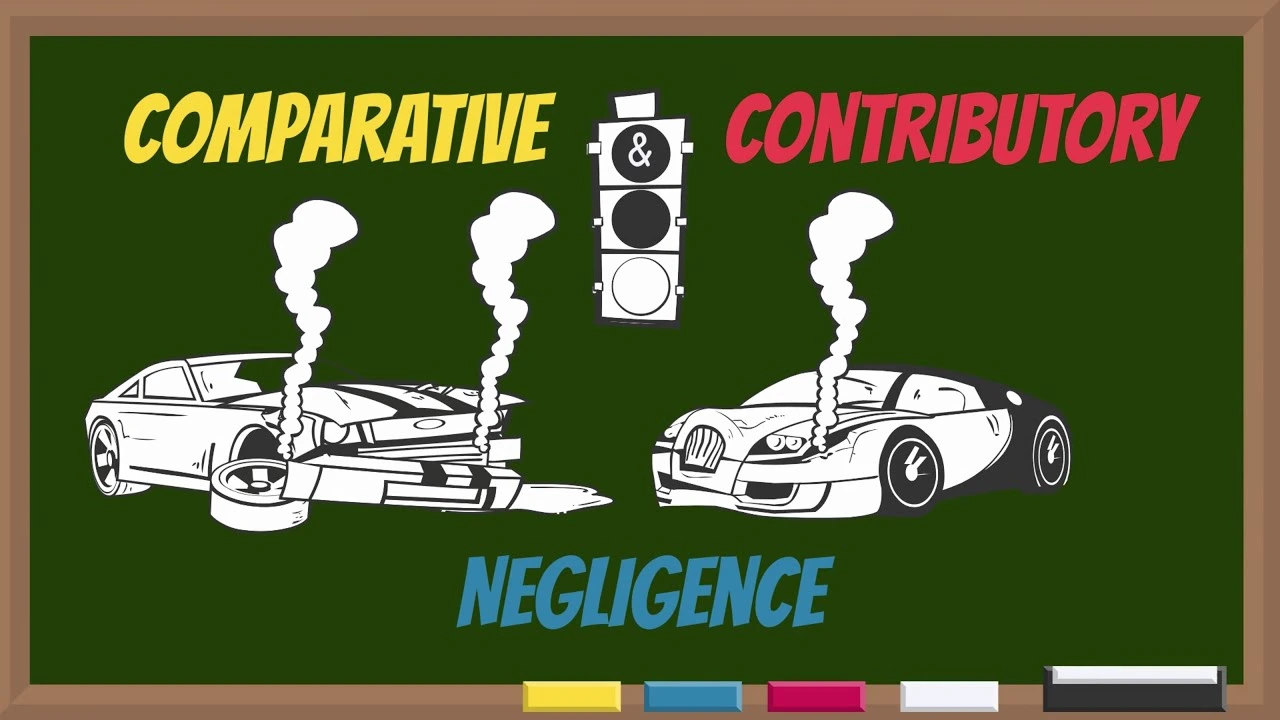
Table of Contents
- The Basic Concepts Explained
- What Is Contributory Negligence?
- What Is Comparative Negligence?
- How Virginia’s Rule Works in Practice
- The Burden of Proof
- Last Clear Chance Doctrine
- Comparing State Approaches
- Policy Arguments For and Against Each System
- Strategic Implications for Virginia Accident Cases
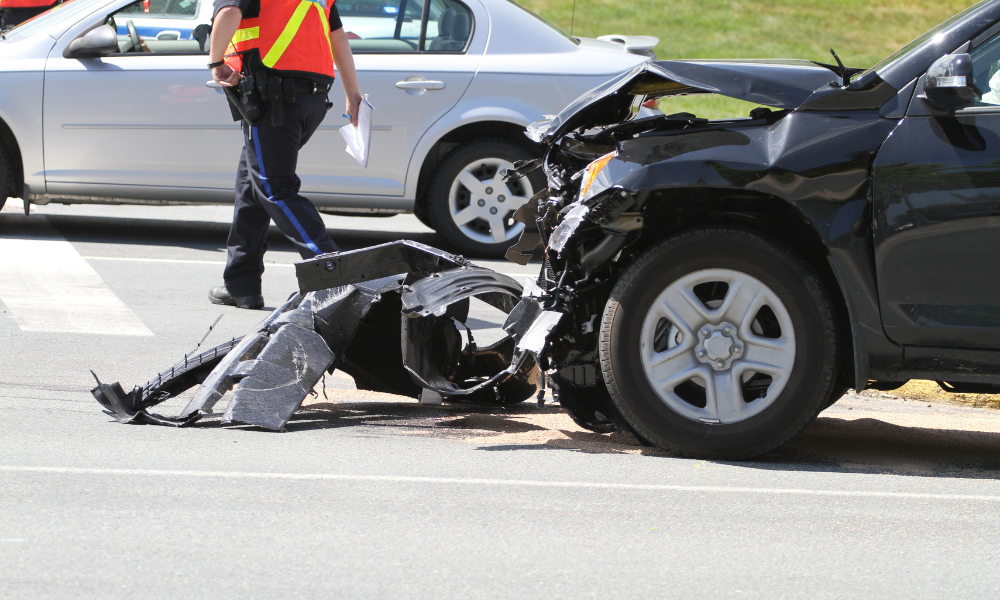
- Common Contributory Negligence Scenarios
- Legislative Reform Efforts
- Living with Virginia’s Rule
- The Bottom Line
The Basic Concepts Explained
Negligence law exists to determine who should pay when someone gets hurt. When accidents happen, courts must decide whether the person who caused harm should compensate the victim, and if so, how much. Different states have developed different approaches to answering these questions, particularly when both parties share some degree of fault.
What Is Contributory Negligence?
Contributory negligence is a complete bar to recovery. Under this rule, if the injured person contributed to causing their own injuries in any way, even minimally, they cannot recover any damages from the other party. It doesn’t matter if the defendant was 99% at fault and the plaintiff only 1% at fault. Any degree of plaintiff negligence, no matter how slight, eliminates all right to compensation.
This doctrine emerged in England in the 1800s when the industrial revolution created new accident scenarios. Courts worried that allowing workers injured by dangerous machinery to recover damages might bankrupt growing industries. The harsh contributory negligence rule protected defendants by making it relatively easy to defeat injury claims. Find any fault with the plaintiff’s conduct, no matter how minor, and the defendant escapes all liability.
Only four states plus Washington D.C. still follow pure contributory negligence: Virginia, Maryland, North Carolina, and Alabama. The rest of the country has recognized that this approach produces unjust results and has moved to comparative negligence systems.
What Is Comparative Negligence?
Comparative negligence allows recovery even when the plaintiff shares some fault, though the amount recovered gets reduced based on the plaintiff’s degree of fault. Rather than operating as an all-or-nothing rule, comparative negligence systems apportion damages based on each party’s relative responsibility for the accident.
Two main versions exist. Pure comparative negligence allows recovery regardless of how much fault the plaintiff bears. If you’re 90% at fault and suffered $100,000 in damages, you can still recover $10,000 (the 10% attributable to the other party’s fault). California, Florida, and New York follow this approach.
Modified comparative negligence bars recovery only if the plaintiff’s fault exceeds a certain threshold, usually 50% or 51%. If you’re 40% at fault, you recover 60% of your damages. If you’re 51% at fault, you recover nothing. Most states follow modified comparative negligence, finding it strikes a fair balance between pure contributory negligence’s harshness and pure comparative negligence’s permissiveness.
How Virginia’s Rule Works in Practice
Understanding contributory negligence as an abstract concept differs dramatically from seeing how it operates in actual cases. Virginia courts apply this rule strictly, and the results often shock people unfamiliar with the Commonwealth’s approach.
Minor Plaintiff Fault Bars Recovery
The defining characteristic of Virginia’s rule is that any degree of plaintiff fault, no matter how small compared to defendant fault, completely bars recovery. Real cases demonstrate this harsh reality.
A pedestrian crossing in a marked crosswalk with the signal gets hit by a speeding, texting driver. If the jury finds the pedestrian was also looking at their phone and not paying full attention when stepping into the crosswalk, contributory negligence applies. The speeding, distracted driver who violated multiple traffic laws pays nothing.
A driver stopped at a red light gets rear-ended by a truck going 50 miles per hour. The impact totals the stopped car and seriously injures the driver. If evidence shows the stopped driver’s brake light was burned out, the jury might find the stopped driver contributed to the accident by failing to maintain their vehicle. The truck driver who crashed into a stopped vehicle at high speed escapes liability entirely.
These outcomes feel deeply unjust to most people. The defendant’s conduct was clearly worse, often egregiously so. Yet the plaintiff’s minor contribution to the accident eliminates all recovery. This is contributory negligence in action.
The Burden of Proof
Defendants bear the burden of proving contributory negligence. They must show by a preponderance of the evidence that the plaintiff was negligent and that this negligence contributed to causing their injuries. This means defendants must present actual evidence of plaintiff fault, not just speculate about possibilities.
However, the burden isn’t particularly heavy. Defense attorneys become skilled at finding any shred of evidence suggesting plaintiff fault. They scrutinize every detail of the plaintiff’s conduct before and during the accident. They depose witnesses looking for testimony about plaintiff actions. They examine police reports for any mention of plaintiff behavior. They analyze accident reconstructions searching for any basis to argue the plaintiff could have avoided the collision.
When defendants meet their burden, even barely, contributory negligence bars recovery completely. There’s no proportionality, no balancing of degrees of fault. Once established, contributory negligence operates as an absolute defense.
Last Clear Chance Doctrine
Virginia recognizes one important exception to contributory negligence called the last clear chance doctrine. This rule allows plaintiffs to recover despite their own negligence if they can prove the defendant had the last clear chance to avoid the accident but failed to do so.
For last clear chance to apply, the plaintiff must show they were in a position of peril from which they couldn’t escape, the defendant knew or should have known about the plaintiff’s peril, the defendant had sufficient time and means to avoid harming the plaintiff, and the defendant failed to exercise reasonable care to avoid the collision.
This doctrine operates as a narrow exception rather than a broad escape from contributory negligence. Courts interpret its requirements strictly, and successfully invoking last clear chance remains difficult in most cases. However, it provides a potential path to recovery in situations where the defendant clearly could have prevented the accident despite plaintiff negligence.

Comparing State Approaches
Looking at how different states handle similar accident scenarios illustrates the dramatic impact of these different negligence systems.
The Same Accident, Different Outcomes
Consider an intersection collision where Driver A runs a red light at 45 mph in a 35 mph zone while texting. Driver B enters the intersection legally on a green light but was going 40 mph in the 35 mph zone. The collision causes $200,000 in damages to Driver B.
In Virginia, if the jury finds Driver B’s five-mile-per-hour speeding contributed to the accident (perhaps by affecting stopping distance or reaction time), Driver B recovers nothing despite Driver A’s red light violation, excessive speed, and distracted driving.
In a modified comparative negligence state, the jury might assign 95% fault to Driver A and 5% fault to Driver B. Driver B would recover $190,000 (95% of their $200,000 in damages).
In a pure comparative negligence state with the same fault allocation, the result would be identical: $190,000 recovery.
The difference becomes even more stark in closer cases. Imagine a two-car collision where both drivers share more equal blame. In a modified comparative negligence state, if fault is 50-50, Driver B might recover half their damages. In Virginia, Driver B recovers nothing.
Policy Arguments For and Against Each System
Supporters of contributory negligence argue it promotes personal responsibility and careful behavior. Knowing that any fault bars recovery theoretically incentivizes people to take maximum care to avoid accidents. The rule also provides bright-line certainty: either you were negligent or you weren’t. There’s no need for complex percentage calculations about degrees of fault.
Critics counter that the rule produces wildly disproportionate results that most people find unjust. Minor plaintiff fault shouldn’t completely excuse serious defendant negligence. The rule also may encourage aggressive defense tactics, with defendants combing through plaintiff conduct searching for any minor fault to use as a complete shield against liability. Additionally, the theoretical incentive to avoid negligence doesn’t work in practice because most people don’t know about the contributory negligence rule until they’re already injured and learning about it through bitter experience.
Comparative negligence supporters argue their system better reflects actual degrees of fault and produces more equitable outcomes. If both parties share blame, damages should be divided accordingly. The system still provides accountability while avoiding the all-or-nothing harshness of contributory negligence.
Comparative negligence critics worry it allows careless people to profit from accidents they helped cause and may require difficult percentage calculations that inject uncertainty into outcomes. However, most states have concluded these concerns don’t outweigh the fairness benefits of apportioning damages based on actual fault.
Strategic Implications for Virginia Accident Cases
Virginia’s contributory negligence rule fundamentally shapes how accident cases get handled from initial investigation through settlement negotiations and trial.
The Defense Playbook
Defense attorneys in Virginia know that establishing any degree of plaintiff fault wins the case completely. This knowledge drives aggressive defense strategies focused on finding and highlighting plaintiff negligence.
They investigate plaintiff conduct minutely. Was the plaintiff speeding, even slightly? Did they use their turn signal? Were they distracted in any way? Did they maintain their vehicle properly? Could they have taken evasive action? Every aspect of plaintiff behavior gets scrutinized for potential negligence.
Defense lawyers depose every witness searching for testimony about plaintiff fault. They hire accident reconstruction experts whose job includes identifying any way the plaintiff contributed to the collision. They obtain plaintiff phone records looking for evidence of distracted driving. They review social media for posts suggesting the plaintiff wasn’t paying attention or was engaged in risky behavior.
During trial, defense attorneys emphasize any evidence of plaintiff fault while downplaying defendant negligence. Even when defendant fault is obvious and severe, the defense focuses on the plaintiff because proving even minor plaintiff negligence achieves complete victory.
The Plaintiff Strategy
Plaintiffs and their attorneys must prepare for aggressive contributory negligence defenses from the start. This means thorough documentation of the accident showing the plaintiff acted reasonably, gathering witness statements that support the plaintiff’s version of events, obtaining expert opinions that the plaintiff’s conduct was proper, and preparing responses to anticipated fault allegations.
Plaintiff attorneys also evaluate contributory negligence vulnerability honestly during settlement negotiations. A strong liability case with no real contributory negligence concerns justifies aggressive settlement demands. A case where plaintiff fault is possible or likely requires more conservative positioning and serious consideration of settlement offers that might seem low compared to actual damages.
The risk calculation changes dramatically under contributory negligence. In comparative negligence states, going to trial with some plaintiff fault might mean recovering 70% or 80% of damages. In Virginia, it means risking total loss. This risk makes settlement more attractive even when offers don’t fully compensate plaintiffs.
Settlement Leverage
Contributory negligence creates unique settlement dynamics. Defendants have enormous leverage when credible contributory negligence defenses exist. They can offer relatively low settlements knowing the alternative for plaintiffs is risking complete loss at trial.
Conversely, when plaintiff fault isn’t a realistic issue, plaintiffs have stronger settlement leverage. Defendants face near-certain liability with no percentage reduction available, making trials more risky for them.
This dynamic often leads to early settlements when liability is clear and contested trials when contributory negligence issues exist. The all-or-nothing nature of Virginia’s rule discourages trials in cases with obvious fault but encourages them when both parties share blame.
Common Contributory Negligence Scenarios
Certain fact patterns frequently generate contributory negligence disputes in Virginia courts.
Speeding Plaintiffs
Any amount of speeding by the plaintiff provides ammunition for contributory negligence defenses. Even five miles per hour over the limit might constitute negligence. Defense attorneys argue that speeding affected the plaintiff’s ability to avoid the accident or contributed to injury severity.
Plaintiffs counter by showing the speed difference was minor, the accident would have occurred regardless of plaintiff speed, and the defendant’s conduct was far more egregious. However, juries sometimes find even minor speeding constitutes contributory negligence, particularly when defendants emphasize the plaintiff’s violation of traffic law.
Failure to Maintain Vehicles
Burned-out headlights or brake lights, worn tires, defective equipment, and other maintenance issues can support contributory negligence findings. If a plaintiff with a burned-out brake light gets rear-ended, defendants argue the plaintiff contributed to the accident by failing to maintain proper lighting.
Courts have found these arguments persuasive in some cases, even when the defendant’s negligence seems more significant. The plaintiff’s violation of vehicle equipment laws constitutes negligence that may have contributed to the accident.
Pedestrian Cases
Pedestrians jaywalking or crossing against signals face contributory negligence defenses even when drivers were speeding, distracted, or otherwise negligent. Virginia courts have barred recovery for pedestrians struck while violating traffic control devices.
The vulnerability of pedestrians makes these cases particularly harsh. A distracted driver might hit a jaywalking pedestrian, causing catastrophic injuries. The pedestrian’s illegal crossing bars recovery despite the driver’s obvious fault.
Distracted Driving by Plaintiffs
Evidence that plaintiffs were using phones, adjusting radios, eating, or engaging in other distracting activities when accidents occurred supports contributory negligence defenses. Even momentary inattention can constitute negligence that contributed to collisions.
Defense attorneys subpoena phone records and examine vehicle systems searching for evidence of plaintiff distraction. Finding such evidence provides a complete defense regardless of defendant fault.
Legislative Reform Efforts
Virginia has considered abandoning contributory negligence multiple times over the past several decades. Reform proposals regularly appear in the General Assembly, arguing that Virginia should join the overwhelming majority of states using comparative negligence systems.
Arguments for Reform
Reformers emphasize that contributory negligence produces unjust outcomes. Minor plaintiff fault shouldn’t completely excuse serious defendant negligence. The rule also may allow truly negligent defendants to escape liability on technicalities while victims bear the full cost of injuries.
Comparative negligence would allow more equitable damage apportionment. Victims with minor fault could recover most of their damages while still being held accountable for their contribution. The system would better reflect actual degrees of fault and reduce harsh outcomes.
Why Reform Hasn’t Happened
Despite reform efforts, contributory negligence remains Virginia law. Several factors explain this persistence. Defense interests including insurance companies and business groups strongly oppose reform. Contributory negligence benefits defendants by making it easier to defeat claims, keeping insurance payouts lower.
Some legislators view contributory negligence as promoting personal responsibility and preferring clear rules over percentage calculations. Rural areas particularly tend to favor keeping existing law.
Reform proposals also sometimes stall over details about which version of comparative negligence to adopt and what threshold to use in modified systems. Disagreement about implementation prevents consensus on change.
Until the political calculus shifts, contributory negligence likely remains Virginia law despite its outlier status nationally.

Living with Virginia’s Rule
For accident victims in Virginia, contributory negligence is simply the reality they must navigate. Understanding this harsh rule shapes every decision from whether to file claims through how to approach settlement negotiations.
Know Your Case Weaknesses
Honest assessment of potential contributory negligence issues is essential. Were you speeding? Using your phone? Did you have any vehicle defects? Could you have acted differently to avoid the collision? Understanding these vulnerabilities allows realistic evaluation of settlement offers versus trial risks.
Ignoring contributory negligence risks because you feel the other driver was mostly at fault is dangerous. Virginia law doesn’t care about “mostly.” Any fault bars recovery.
Document Everything Supporting Your Conduct
Gather evidence showing you acted reasonably. Witness statements that you weren’t speeding or distracted matter tremendously. Photos showing your vehicle was properly maintained help. Any evidence contradicting potential contributory negligence allegations strengthens your position.
Consider Settlement Seriously
The all-or-nothing nature of Virginia’s rule makes settlement more attractive than in comparative negligence states. An offer of 60% of your damages might sound low, but it’s better than the zero you’ll receive if the jury finds any contributory negligence. Evaluate offers against the realistic risk of complete loss rather than the theoretical value if you win.
Work with Experienced Virginia Attorneys
Attorneys who regularly handle Virginia cases understand contributory negligence’s impact on case value and strategy. They know how to minimize contributory negligence risks, counter common defense tactics, and negotiate effectively given the unique dynamics Virginia’s rule creates.
Out-of-state attorneys or those inexperienced with Virginia law might not fully appreciate how dramatically contributory negligence affects cases. Local expertise matters tremendously.
The Bottom Line
Virginia’s contributory negligence rule stands as a relic from another era, maintained despite widespread recognition that comparative negligence produces more just outcomes. For accident victims, this means understanding that being partially at fault, even minimally, can completely bar recovery no matter how serious their injuries or how egregious the defendant’s conduct.
This harsh reality demands careful case evaluation, thorough documentation, and strategic decision-making about settlement versus trial. While the rule may seem unfair, it remains the law, and victims must work within its constraints to maximize their chances of recovery.
Whether Virginia eventually joins the vast majority of states with comparative negligence systems remains uncertain. Until then, understanding the difference between these approaches and how Virginia’s unique rule operates isn’t just interesting legal theory. It’s essential practical knowledge that determines whether accident victims receive compensation or leave courthouses with nothing but medical bills and bitter lessons about the Commonwealth’s unforgiving approach to shared fault.
Latest Posts
Comparative vs. Contributory Negligence in Virginia: How Fault Affects Your Personal Injury Claim
Fault matters, especially in a Virginia personal injury case. Even if another driver, property owner, or company was mostly responsible for your injuries,...
Lost Wages After a Car Accident in Virginia: What You Need to Know
A serious car accident can leave you with more than physical pain. For many Virginians, the financial fallout begins almost immediately, missed workdays,...