Few crashes are as devastating as truck underride accidents. When a smaller vehicle slides beneath the rear or side of a tractor-trailer, the results are almost always catastrophic, often fatal. These collisions happen in seconds but leave families facing a lifetime of loss, unanswered questions, and financial uncertainty.
In Virginia, fatal truck underride accidents often occur on highways where tractor-trailers stop suddenly or lack adequate safety guards. Despite federal safety standards, many trucks still operate without compliant underride protection, putting drivers and passengers at extreme risk.
For families who lose loved ones in these crashes, the legal process can feel overwhelming. Determining who’s responsible, whether it’s the truck driver, the carrier, or the manufacturer, requires careful investigation and experienced legal support.
This article explains what causes underride accidents, why they’re so deadly, and how Virginia families can pursue wrongful death claims to hold negligent parties accountable and seek justice after a preventable tragedy.
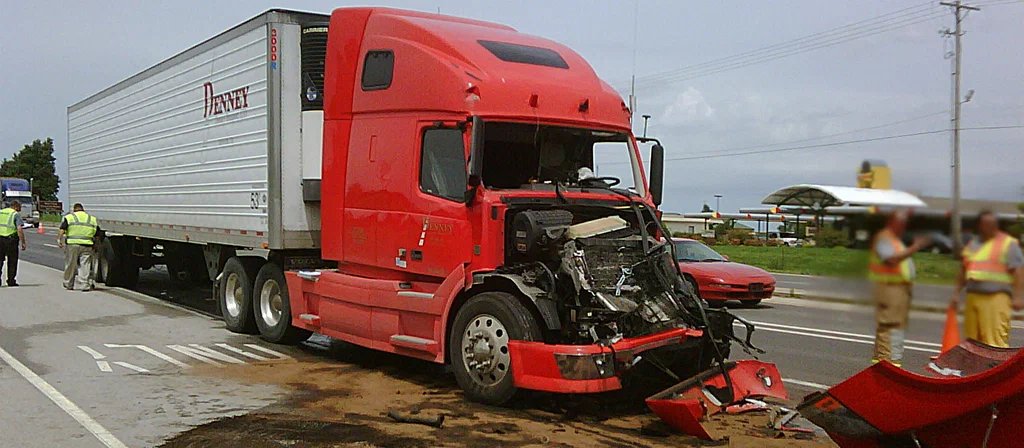
Table of Contents
- Understanding Truck Underride Accidents
- Types of Underride Accidents
- Why Underride Accidents Are So Deadly
- Common Causes of Underride Accidents
- Federal Regulations and Their Limitations
- Virginia Law and Truck Underride Accidents
- Parties Who May Be Liable
- Building a Wrongful Death or Injury Claim
- Damages in Underride Accident Cases
- Insurance Complications
- The Role of Safety Advocacy
- Moving Forward After an Underride Accident
Understanding Truck Underride Accidents
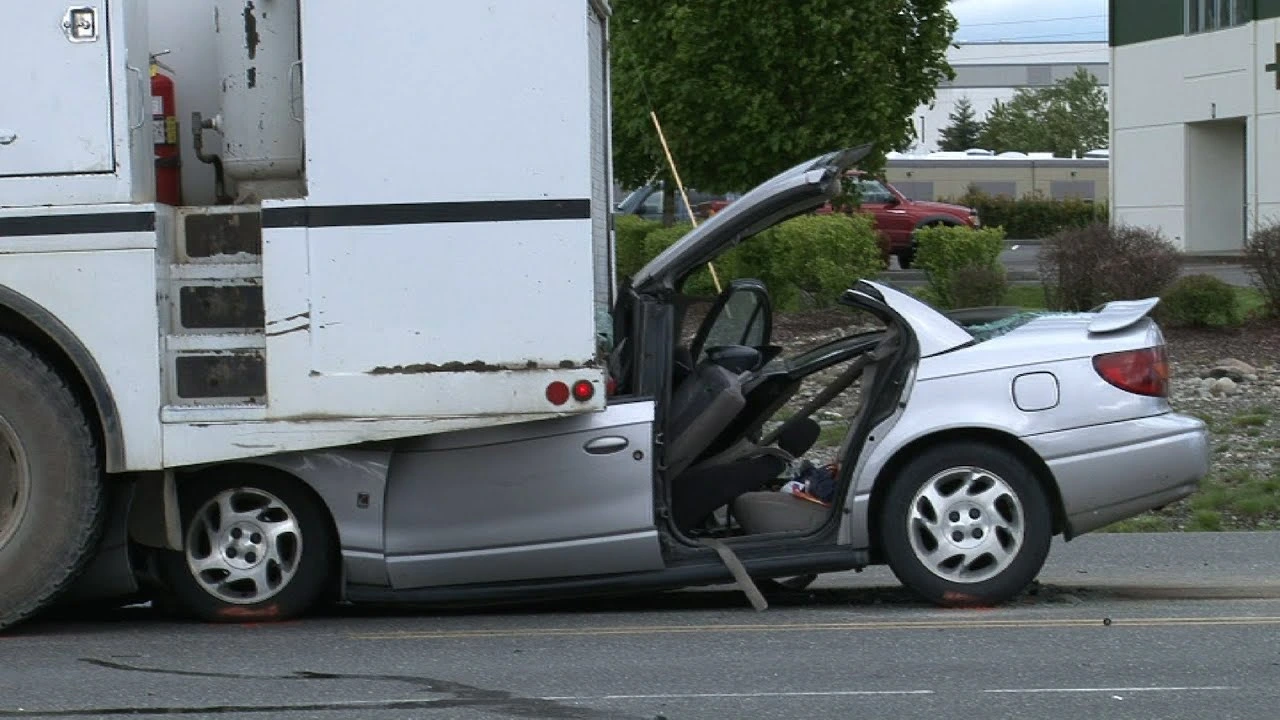
Underride accidents occur when the height differential between vehicles creates a deadly scenario. Commercial trucks and trailers ride much higher off the ground than passenger vehicles. This gap creates space for smaller vehicles to slide underneath during certain types of collisions.
Types of Underride Accidents
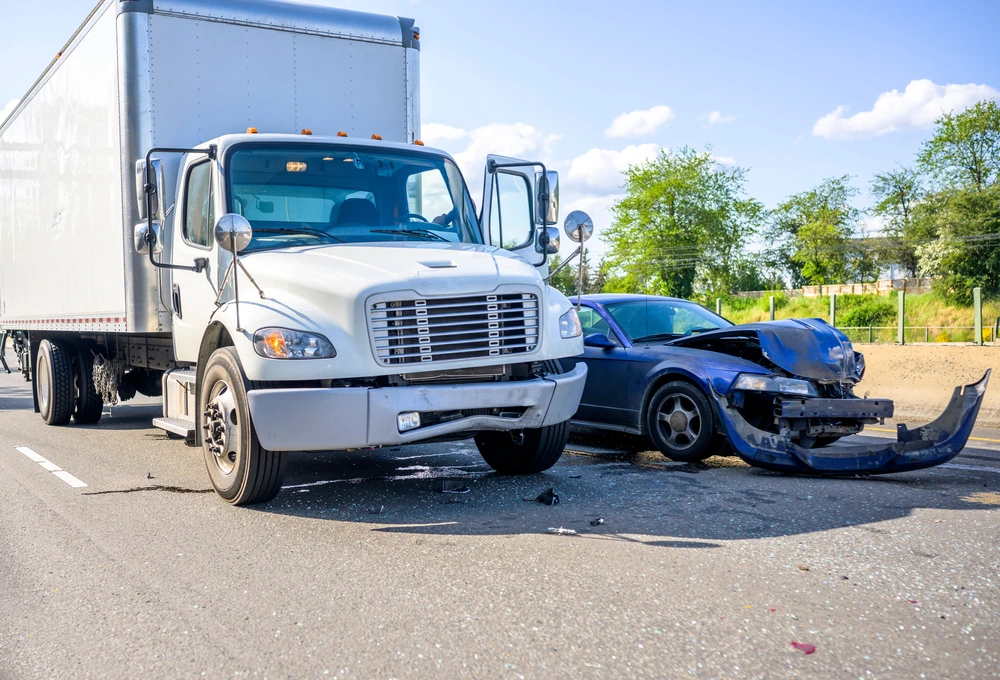
Rear underride crashes happen when a passenger vehicle strikes the back of a truck or trailer and continues underneath it. These often occur when trucks are stopped or moving slowly on highways, especially at night or in poor visibility conditions. A driver might not realize a truck has slowed or stopped until it’s too late to brake effectively.
Side underride accidents involve a vehicle sliding under the side of a trailer, typically during turning maneuvers or when a truck crosses lanes of traffic. These crashes frequently occur at intersections when trucks make wide turns, or on highways when trucks change lanes without adequate clearance.
Front underride collisions happen when a truck backs into or over a smaller vehicle, or when a truck’s momentum carries it over a vehicle during a collision. While less common than rear and side underrides, they’re equally deadly.
Why Underride Accidents Are So Deadly
The physics of underride accidents explains their catastrophic nature. In a typical car accident, the vehicle’s crumple zones absorb impact energy. Airbags deploy to protect occupants. Seatbelts restrain passengers. The entire structure of modern vehicles is engineered to manage collision forces and protect the survival space where occupants sit.
Underride accidents bypass all these safety features. When a vehicle slides under a trailer, the impact occurs at windshield or roof level rather than at the bumper. The protective crumple zones never engage. Airbags may deploy, but they’re positioned to protect against frontal impacts, not against forces coming from above. The roof structure, not designed to be the primary impact point, collapses under the weight and force of the collision.
Occupants face catastrophic head, neck, and chest injuries. The force doesn’t get distributed across the vehicle’s safety structure but instead focuses on the upper portion of the passenger compartment. Survival rates in severe underride accidents remain tragically low.
Common Causes of Underride Accidents
Several factors contribute to these devastating crashes. Poor lighting on trailers makes them nearly invisible at night. Federal regulations require reflective tape and lighting, but these measures often prove inadequate, especially when lights malfunction or get obscured by dirt and road grime.
Sudden stops or slow-moving trucks on highways create dangerous situations. When traffic flows at 65 or 70 miles per hour and a truck suddenly appears traveling at 25 miles per hour, drivers have little time to react. At night or in poor weather, they might not see the truck until collision is unavoidable.
Inadequate underride guards represent perhaps the most critical factor. These are the bars or panels designed to prevent vehicles from sliding underneath trailers. Federal standards for these guards have historically been weak, and many guards fail in real-world crash conditions even when they meet regulatory requirements.
Truck driver negligence plays a role in many underride accidents. Stopping on highway shoulders without adequate warning, failing to maintain lighting systems, making improper turns, or operating vehicles with defective equipment all contribute to these tragedies.
Federal Regulations and Their Limitations
The federal government has regulated truck underride guards since 1953, but the standards have evolved slowly and remain inadequate according to safety advocates and accident victims’ families.
Current Rear Underride Guard Requirements
The National Highway Traffic Safety Administration requires rear underride guards on most trailers. These guards must withstand impacts at 35 miles per hour in limited test scenarios. However, real-world accidents often occur at much higher speeds. The testing uses specific impact points that don’t represent all possible collision angles and positions.
Many guards that meet federal standards still fail catastrophically in actual crashes. The guards bend, break, or separate from the trailer, allowing vehicles to underride despite the presence of the supposedly protective equipment. Safety researchers have demonstrated that stronger guards are technologically feasible and could prevent many underride deaths.
Side Underride Guard Gap
Federal regulations do not currently require side underride guards on most trailers, despite clear evidence that these guards could prevent deaths. Some trucking companies voluntarily install side guards, and some safety advocates push for mandatory requirements, but no federal mandate exists.
This regulatory gap is particularly troubling because side underride accidents, while less common than rear underrides, are equally deadly. The technology exists to prevent these crashes, but without regulatory requirements, most trailers remain unprotected.
Reflective Tape and Lighting Requirements
Federal law requires reflective tape and certain lighting configurations on trailers to improve visibility. These requirements help but don’t solve the problem entirely. Reflective tape wears off over time. Lights fail and don’t always get repaired promptly. In rain, fog, or heavy traffic, even properly marked trailers can be difficult to see until too late.
Virginia Law and Truck Underride Accidents
Virginia law addresses truck safety through various statutes and regulations, though specific underride guard requirements largely follow federal standards rather than imposing stricter state-level rules.
Equipment Requirements
Virginia Code requires commercial vehicles to maintain proper lighting and safety equipment. Trucks operating in Virginia must comply with federal motor carrier safety regulations, including those governing underride guards. Violations of these equipment requirements can establish negligence in accident cases.
When trucks operate with defective or missing underride guards, broken lights, or inadequate reflective markings, they violate both federal and state law. These violations become crucial evidence in wrongful death and personal injury lawsuits following underride accidents.
Negligence Standards
Virginia applies traditional negligence principles to truck accident cases. To recover damages, you must prove the truck driver or trucking company owed a duty of care, breached that duty, and caused your injuries or your loved one’s death through that breach.
The breach might involve failing to maintain required safety equipment, operating a truck unsafely, violating traffic laws, or failing to properly train drivers. Trucking companies have heightened duties under federal regulations, and violations of those regulations can constitute negligence per se, meaning the violation itself establishes a breach of duty.
Contributory Negligence Challenge
Virginia’s harsh contributory negligence rule creates significant challenges in all vehicle accident cases, including underride crashes. If the deceased or injured person was even 1% at fault, recovery is barred entirely.
Defense attorneys in underride cases often argue that the smaller vehicle was speeding, following too closely, or driving inattentively. They might claim the victim should have seen the truck and avoided the collision. These arguments, while often callous given the circumstances, must be anticipated and countered with strong evidence.
Parties Who May Be Liable
Underride accident cases often involve multiple potentially liable parties. Identifying all responsible parties is crucial because it expands the pool of insurance coverage and increases the likelihood of full compensation.
The Truck Driver
The driver bears primary responsibility for safely operating the vehicle. If the driver stopped unsafely, failed to use hazard lights, made an improper turn, or was driving a vehicle with known defects, they may be personally liable. However, truck drivers often have limited personal assets, making other defendants critical.
The Trucking Company
Trucking companies face liability under several legal theories. Respondeat superior makes employers liable for employee negligence committed within the scope of employment. If the driver was working when the accident occurred, the company typically shares liability.
Negligent hiring, training, or supervision provides another basis for company liability. If the company hired a driver with a poor safety record, failed to provide adequate training, or didn’t properly supervise driver compliance with safety regulations, they can be held directly liable.
Negligent maintenance represents a crucial theory in underride cases. If the company failed to maintain underride guards, lighting systems, or other safety equipment, their negligence contributed to the accident. Federal regulations require trucking companies to maintain detailed maintenance records, and gaps in those records can prove negligence.
The Trailer Owner or Lessor
The trucking company operating the trailer doesn’t always own it. Trailer leasing is common in the industry. The trailer owner maintains responsibility for ensuring the trailer meets safety standards, including functional underride guards. If defective equipment caused or contributed to the underride accident, the trailer owner may face liability.
Manufacturers
If the underride guard was defectively designed or manufactured, the company that made the guard faces potential product liability claims. Similarly, if the trailer itself was defectively designed in a way that made underride accidents more likely, the trailer manufacturer might be liable.
Product liability claims follow different rules than negligence claims and can provide important alternative paths to recovery, especially when driver or company negligence is difficult to prove definitively.
Maintenance and Repair Companies
Third-party companies that performed maintenance or repairs on the truck or trailer might bear responsibility if they negligently failed to fix known problems, improperly installed equipment, or created dangerous conditions through their work.
Building a Wrongful Death or Injury Claim
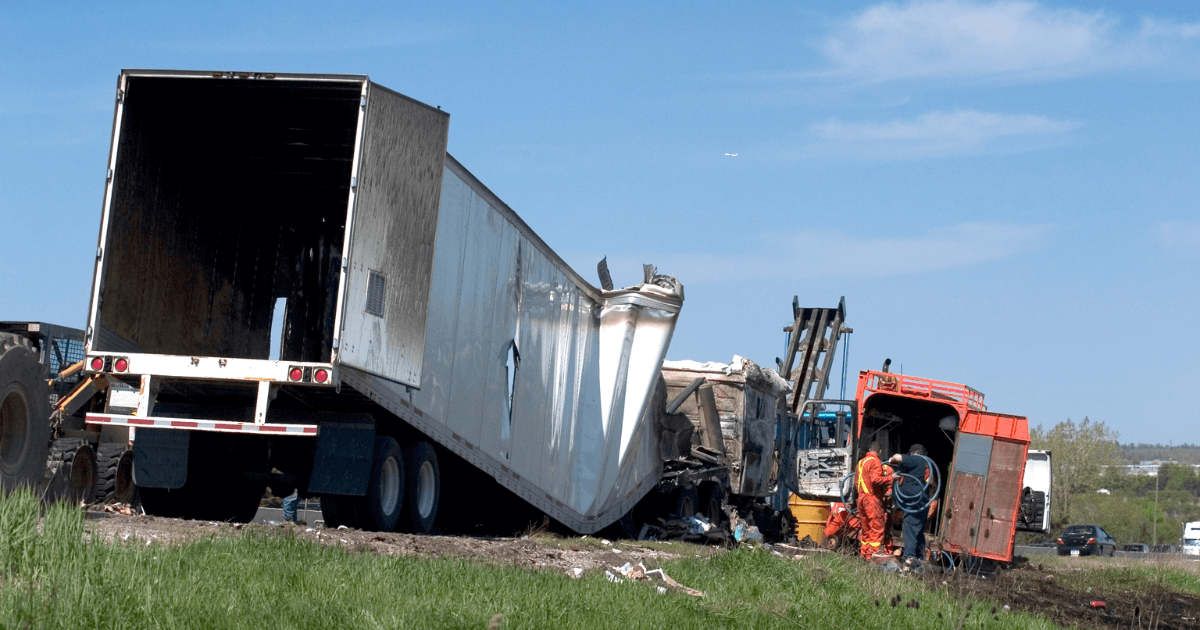
Underride accident cases demand thorough investigation and expert analysis. The complexity of commercial trucking regulations, vehicle dynamics, and multiple potential defendants requires comprehensive case development.
Immediate Investigation
Time is critical after any truck accident. Evidence disappears quickly. Trucking companies have sophisticated legal teams that respond immediately to serious accidents. They send investigators to the scene, interview witnesses, photograph conditions, and gather evidence to defend against future claims.
Families of victims need their own investigation running parallel to the trucking company’s. This means hiring attorneys experienced in truck accident litigation who can deploy investigators immediately. Crucial evidence includes scene photographs showing skid marks, debris patterns, and final vehicle positions; truck black box data recording speed, braking, and other operational information; driver logs showing hours of service and compliance with rest requirements; and maintenance records revealing the truck’s safety equipment condition.
Expert Witnesses
Underride accident cases require multiple expert witnesses to establish liability and damages. Accident reconstruction experts analyze the collision dynamics, determine speeds, calculate forces, and demonstrate how the accident occurred. They can show whether the underride guard failed, how it failed, and whether a proper guard would have prevented the tragedy.
Trucking industry experts testify about regulatory requirements, industry standards, and whether the trucking company followed proper procedures. They can explain what the company should have done differently and how those failures contributed to the accident.
Biomechanical engineers explain the specific injuries and how they resulted from the underride collision. Medical experts detail the deceased’s suffering or the survivor’s injuries, future medical needs, and permanent impairments.
Economic experts calculate financial losses including lost income, benefits, household services, and future economic contributions. In wrongful death cases, they project what the deceased would have earned over their expected working life.
Federal Motor Carrier Safety Regulations
Commercial trucking is heavily regulated by federal law. These regulations cover driver qualifications and training, hours of service limits to prevent fatigue, vehicle maintenance requirements, cargo securement standards, and safety equipment specifications.
Violations of these regulations can establish negligence and provide powerful evidence of fault. Experienced truck accident attorneys know how to obtain and analyze trucking company compliance records, driver qualification files, and maintenance logs to identify regulatory violations.
Electronic Evidence
Modern commercial trucks generate substantial electronic data. Electronic logging devices track driving hours automatically. Engine control modules record speed, braking, throttle position, and other operational data. Some trucks have forward-facing cameras that capture accident footage. GPS systems document routes and stops.
This electronic evidence can prove critical facts about how the accident occurred. However, trucking companies control this evidence, and it may be deleted or lost if not preserved quickly. Attorneys use spoliation letters and court orders to ensure evidence preservation.
Damages in Underride Accident Cases
The catastrophic nature of underride accidents typically results in either death or severe, life-altering injuries. Damage claims reflect the immense losses suffered by victims and their families.
Wrongful Death Damages
Virginia’s wrongful death statute allows certain family members to recover compensation when negligence causes a death. The deceased’s spouse, children, or parents can file claims depending on family circumstances.
Economic damages include all financial losses. Medical expenses from the accident, funeral and burial costs, lost income the deceased would have earned, lost benefits and retirement contributions, and loss of household services all factor into economic calculations. Expert economists project these losses over the deceased’s expected lifetime.
Non-economic damages compensate for intangible losses that don’t have specific price tags. Loss of companionship and consortium, loss of parental guidance and nurturing, mental anguish and grief, and loss of protection and care all constitute non-economic damages. Virginia doesn’t cap non-economic damages in most cases, allowing juries to award amounts reflecting the true magnitude of the loss.
Survival Actions
Separate from wrongful death claims, survival actions compensate the deceased’s estate for losses the deceased personally suffered between the injury and death. This includes pain and suffering experienced before death, medical expenses incurred, and lost wages during survival time.
In cases where death was not instantaneous, survival actions can provide significant additional compensation beyond wrongful death damages.
Personal Injury Damages for Survivors
Some people survive underride accidents but suffer catastrophic injuries. Traumatic brain injuries, spinal cord injuries causing paralysis, severe scarring and disfigurement, loss of limbs, and chronic pain all commonly result from underride collisions that the victim survives.
Damages for survivors include all past and future medical expenses, lost wages and diminished earning capacity, physical pain and suffering, emotional distress and mental anguish, loss of enjoyment of life, and loss of consortium claims by spouses.
The lifetime costs of caring for someone with severe brain injury or paralysis can reach millions of dollars. Comprehensive damage calculations account for decades of future needs, including medical care, adaptive equipment, home modifications, and attendant care.
Insurance Complications
Truck underride accident cases involve complex insurance issues that differ substantially from regular car accident claims.
Commercial Trucking Insurance
Federal law requires commercial trucks to carry substantial liability insurance. The minimum coverage depends on the type of cargo and operation but ranges from $750,000 to $5 million. Many trucking companies carry higher limits.
However, multiple insurance policies may apply. The truck driver might have personal coverage. The trucking company carries primary liability insurance. The trailer owner might have separate coverage. Umbrella policies may provide additional layers of protection.
Determining which policies apply and in what order requires careful analysis of policy language and the relationships among the various parties involved in the accident.
Excess Liability and Umbrella Coverage
When damages exceed primary policy limits, excess and umbrella policies become critical. Large trucking companies typically carry substantial excess coverage precisely because they know catastrophic accidents can result in claims exceeding standard policy limits.
However, accessing excess coverage requires exhausting underlying policies first and navigating complex policy terms governing when excess coverage applies. Insurance companies fight aggressively to avoid paying at excess levels, making experienced legal representation essential.
Bad Faith Insurance Practices
Insurance companies sometimes handle underride accident claims in bad faith. They might lowball initial settlement offers hoping families desperate for money will accept inadequate compensation. They delay investigations while evidence disappears. They deny obviously valid claims forcing families into expensive litigation.
When insurance companies act in bad faith, they may face additional liability beyond policy limits. Virginia law provides remedies for bad faith insurance practices, including punitive damages in appropriate cases.
The Role of Safety Advocacy
Families who lose loved ones in underride accidents often become powerful advocates for change. Their efforts have driven improvements in federal regulations and increased public awareness of these preventable tragedies.
Safety organizations like the Insurance Institute for Highway Safety conduct research demonstrating that stronger underride guards and side guards could prevent many deaths. They pressure regulators and legislators to strengthen requirements.
Some trucking companies have voluntarily adopted stronger guards and safety equipment beyond minimum requirements, recognizing both the moral imperative and the business case for preventing catastrophic accidents.
Family advocacy has brought national attention to issues that might otherwise remain hidden. Every improvement in underride guard standards traces back to families who channeled their grief into demands for change that protect other families from similar tragedies.
Moving Forward After an Underride Accident
The aftermath of a fatal underride accident leaves families shattered. Beyond the immediate grief, they face funeral expenses, potential financial hardship from lost income, and the emotional trauma of violent loss.
Taking legal action serves multiple purposes beyond financial recovery. It holds negligent parties accountable for their failures. It provides families some measure of justice when justice seems impossible. It sends messages to the trucking industry that safety failures have consequences. And it provides financial resources to help families rebuild their lives.
The process is neither quick nor easy. Truck accident litigation often takes years to resolve. Families must relive the tragedy through discovery, depositions, and potentially trial. But for many families, pursuing justice becomes an important part of their healing process.
No amount of money brings back a loved one or undoes catastrophic injuries. But compensation provides stability when families need it most. It covers medical bills and funeral expenses. It replaces lost income that families depended on. It funds care for injured survivors. And it acknowledges that what happened matters, that the loss was real, and that someone must answer for the failures that caused such preventable tragedy.
If your family has experienced the devastation of a truck underride accident in Virginia, know that you don’t face this journey alone. Experienced attorneys understand both the legal complexities and the emotional weight of these cases. They can handle the legal battle while you focus on grieving and healing. And they can work to ensure that what happened to your family drives changes that might save others from the same fate.
Latest Posts
Comparative vs. Contributory Negligence in Virginia: How Fault Affects Your Personal Injury Claim
Fault matters, especially in a Virginia personal injury case. Even if another driver, property owner, or company was mostly responsible for your injuries,...
Lost Wages After a Car Accident in Virginia: What You Need to Know
A serious car accident can leave you with more than physical pain. For many Virginians, the financial fallout begins almost immediately, missed workdays,...