When a truck accident happens, most people assume the driver is at fault. But in many Virginia truck crashes, the real cause lies deeper, with the trucking company that put an unsafe vehicle or a fatigued driver on the road.
The Federal Motor Carrier Safety Administration (FMCSA) sets strict national rules to keep commercial trucks safe, covering driver hours, vehicle inspections, maintenance, and cargo loading. Yet every year, investigators find thousands of FMCSA violations that lead directly to preventable accidents across Virginia’s highways.
When trucking companies cut corners to save time or money by skipping maintenance, overworking drivers, or ignoring safety records, they put every motorist at risk. And when those violations cause injuries or deaths, victims and families have the right to hold them accountable through a civil lawsuit.
This article breaks down how FMCSA rules apply to Virginia trucking companies, the most common violations linked to crashes, and how proving corporate negligence can strengthen your truck accident claim under Virginia law.
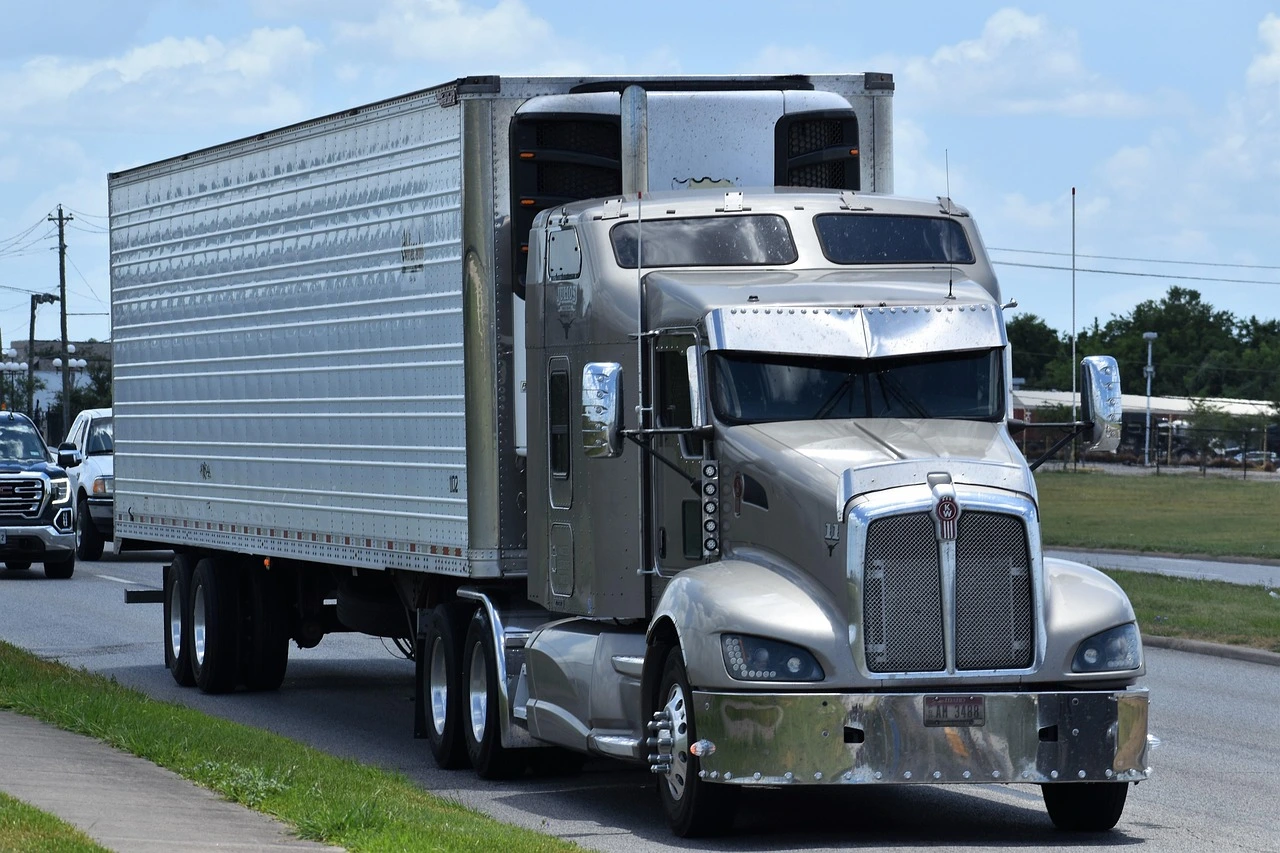
Table of Contents
- Understanding the FMCSA and Its Critical Role
- Common FMCSA Violations That Lead to Accidents
- What Constitutes Trucking Company Negligence?
- The Impact of Negligence: Real Consequences for Virginia Families
- Establishing Liability in Virginia Truck Accident Cases
- Seeking Justice and Compensation
- Moving Forward: Advocacy for Safer Roads
- Conclusion
Understanding the FMCSA and Its Critical Role
The Federal Motor Carrier Safety Administration serves as the watchdog of the commercial trucking industry. Established to reduce crashes, injuries, and fatalities involving large trucks and buses, the FMCSA creates and enforces safety regulations that govern everything from driver qualifications to vehicle maintenance standards.
These regulations exist for compelling reasons. A fully loaded commercial truck can weigh up to 80,000 pounds, roughly 20 times the weight of an average passenger vehicle. The physics of such massive vehicles means that when accidents occur, the results are often severe. According to recent data, truck accidents result in fatalities at a disproportionately high rate compared to passenger vehicle collisions.
In Virginia, where major interstate corridors like I-81, I-95, and I-64 serve as crucial arteries for commercial transportation, FMCSA compliance isn’t just a bureaucratic requirement, it’s a public safety imperative. The Commonwealth sees significant commercial truck traffic daily, making awareness of these regulations essential for both industry professionals and everyday drivers.
Common FMCSA Violations That Lead to Accidents
Hours of Service Violations
Perhaps no regulation is violated more frequently, or with more dangerous consequences, than hours of service (HOS) requirements. FMCSA rules strictly limit how long truck drivers can operate their vehicles without rest. Currently, drivers cannot drive more than 11 hours after 10 consecutive hours off duty, and they cannot drive beyond 14 hours after coming on duty.
Driver fatigue is a silent killer on our highways. A drowsy driver experiences impaired reaction times, decreased awareness, and compromised decision-making abilities comparable to drunk driving. Yet pressure to meet delivery deadlines often tempts drivers and companies to push beyond legal limits. Some trucking companies have been caught using two logbooks, one accurate set and one falsified set for inspections, a practice that puts every motorist at risk.
In Virginia’s mountainous regions along I-81 or during long hauls down I-95, fatigued driving becomes even more dangerous. Navigating challenging terrain or heavy traffic requires full alertness, making HOS compliance literally a matter of life and death.
Inadequate Driver Qualification and Training
The FMCSA establishes minimum requirements for commercial driver’s licenses (CDLs) and mandates that trucking companies verify driver qualifications before hiring. This includes checking driving records, conducting road tests, and ensuring drivers meet medical fitness standards.
Unfortunately, some trucking companies take shortcuts in this area. Failing to properly screen drivers, hiring individuals with poor driving records, or providing inadequate training can put unqualified operators behind the wheel of vehicles that require exceptional skill to operate safely. A driver who hasn’t been properly trained on cargo securement, for instance, might cause an accident when improperly loaded freight shifts during transit.
Virginia’s varied terrain and weather conditions, from coastal plains to mountain passes, demand that truck drivers possess both skill and experience. When companies prioritize filling seats over proper vetting, they create rolling hazards on our highways.
Vehicle Maintenance and Inspection Failures
Commercial trucks undergo tremendous stress during normal operations. The FMCSA requires regular inspections and maintenance to ensure these vehicles remain roadworthy. Brake systems, tires, lights, coupling devices, and cargo securement systems must all function properly.
When trucking companies defer maintenance to save money or keep trucks in service, mechanical failures become inevitable. Brake failure on a steep grade, tire blowouts at highway speeds, or failing coupling devices that release trailers can cause multi-vehicle catastrophes. Virginia drivers traveling through the Blue Ridge Mountains or navigating Richmond’s urban corridors deserve the assurance that commercial vehicles sharing the road have been properly maintained.
Pre-trip and post-trip inspections are required for every journey, yet some companies pressure drivers to skip these crucial safety checks. Electronic logging devices (ELDs) and maintenance records can reveal patterns of neglect, providing crucial evidence in negligence cases.
Improper Cargo Loading and Securement
How cargo is loaded affects a truck’s handling characteristics, braking distance, and stability. Overloaded trucks require greater stopping distances and put excessive stress on braking systems. Improperly secured cargo can shift during transit, causing the driver to lose control or fall from the vehicle, creating hazards for other motorists.
The FMCSA has detailed regulations governing weight limits and cargo securement. These rules specify the number and type of tie-downs required for different cargo types, weight distribution requirements, and maximum weight limits. When companies ignore these regulations to maximize profits by hauling more freight, they transform their trucks into dangerous projectiles.
Drug and Alcohol Testing Violations
The FMCSA mandates comprehensive drug and alcohol testing programs for commercial drivers. This includes pre-employment testing, random testing, post-accident testing, and reasonable suspicion testing. The regulations exist because impaired driving by commercial vehicle operators poses extraordinary risks.
Some trucking companies fail to implement proper testing programs, ignore positive results, or allow drivers to return to duty without completing required treatment and follow-up testing. In Virginia, where commercial vehicles frequently share roads with families, commuters, and tourists, ensuring drivers remain drug and alcohol-free is non-negotiable.
What Constitutes Trucking Company Negligence?
Trucking company negligence extends beyond individual driver errors. Companies have a legal duty to maintain safe operations, and when they breach this duty, they can be held liable for resulting injuries and damages.
Negligent Hiring and Retention
When trucking companies hire drivers without proper screening or retain drivers with known safety violations, they demonstrate negligent hiring or retention. This includes failing to check driving records, ignoring previous accidents or violations, or keeping drivers employed despite repeated safety concerns.
If a company hires a driver with a history of DUI convictions or retains a driver who has been involved in multiple preventable accidents, it may be creating a foreseeable risk. In legal terms, this is negligence, the company should have known that this driver posed a danger to others.
Inadequate Training and Supervision
Beyond initial hiring, companies must provide ongoing training and supervision. This includes training on new equipment, refresher courses on safety procedures, and supervision to ensure drivers follow company policies and federal regulations.
A trucking company that fails to train drivers on Virginia-specific challenges, such as navigating mountainous terrain in poor weather or handling heavy traffic in the Hampton Roads area, may be negligent if such failures contribute to an accident.
Pressure to Violate Safety Regulations
Some trucking companies create a corporate culture that implicitly or explicitly encourages safety violations. When companies set unrealistic delivery schedules that can only be met by exceeding hours of service limits, they bear responsibility for the predictable consequences.
Similarly, if companies establish compensation structures that incentivize drivers to skip inspections, overload vehicles, or speed, they create liability for themselves. Virginia courts have recognized that companies cannot avoid responsibility by claiming individual drivers acted independently when company policies effectively required unsafe practices.
Failure to Maintain Safety Management Systems
The FMCSA requires trucking companies to maintain comprehensive safety management systems. This includes keeping accurate records, conducting regular safety reviews, implementing corrective actions when problems are identified, and maintaining a culture of safety compliance.
Companies that treat safety compliance as a mere formality rather than a priority often show patterns of violations across multiple areas. These patterns can demonstrate systemic negligence rather than isolated incidents.
The Impact of Negligence: Real Consequences for Virginia Families
Behind every statistic about truck accidents lies a human story. When a trucking company’s negligence leads to crashes, the results ripple through families and communities throughout Virginia.
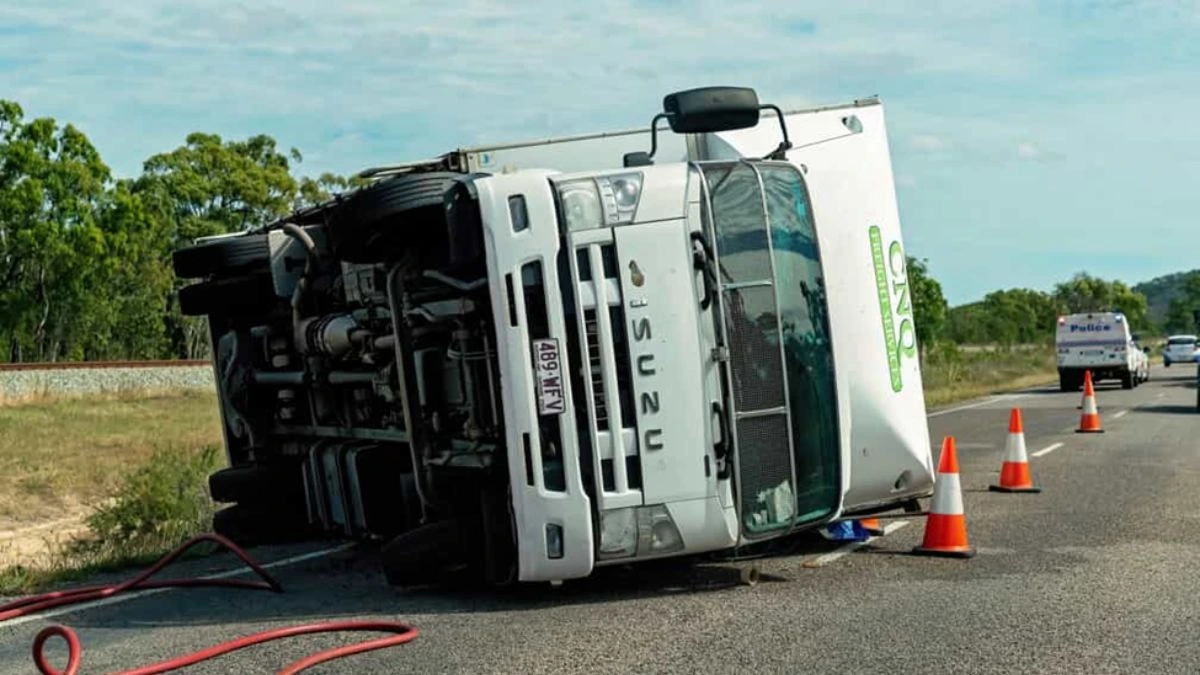
Truck accident victims often face catastrophic injuries, including traumatic brain injuries, spinal cord damage, severe burns, and multiple fractures. These injuries can require years of medical treatment, rehabilitation, and adaptive equipment. Many victims never fully recover, facing permanent disabilities that alter every aspect of their lives.
The financial costs are staggering. Medical bills can quickly reach hundreds of thousands or even millions of dollars. Lost wages, diminished earning capacity, and the need for long-term care create economic hardships that extend far beyond the accident itself. For families who lose loved ones in truck accidents, no amount of compensation can truly make them whole, though financial recovery may provide some measure of security.
Beyond individual tragedies, truck accidents caused by negligence impose costs on all Virginians. Emergency response resources, highway infrastructure damage, traffic congestion, and increased insurance premiums all result from preventable accidents.
Establishing Liability in Virginia Truck Accident Cases
Determining liability in truck accident cases requires a thorough investigation and understanding of both Virginia law and federal trucking regulations. Multiple parties may share responsibility, including the truck driver, the trucking company, cargo loaders, maintenance contractors, or even vehicle manufacturers.
The Role of Evidence
Building a strong case requires preserving and analyzing multiple forms of evidence. Electronic logging devices record hours of service data, showing whether drivers violated HOS regulations. Truck “black boxes” (electronic control modules) record speed, braking, and other operational data leading up to accidents. Maintenance records reveal whether companies properly serviced vehicles. Driver qualification files show whether companies properly vetted their employees.
Time is critical in preserving this evidence. Trucking companies are required to maintain records for specific periods, after which they may be destroyed. Additionally, physical evidence from accident scenes can deteriorate or be lost if not documented promptly.
Investigating FMCSA Compliance
A thorough investigation examines the trucking company’s entire safety record, not just the specific accident. Safety Measurement System (SMS) data maintained by the FMCSA tracks carriers’ safety performance across multiple categories. A pattern of violations may demonstrate systemic negligence rather than an isolated incident.
Investigators also examine whether the company has been subject to FMCSA enforcement actions, including audits, warnings, or fines. Companies with poor safety ratings demonstrate a disregard for regulations that may establish negligence.
Virginia’s Contributory Negligence Rule
Virginia follows a contributory negligence rule, which can complicate truck accident cases. Under this doctrine, if an injured party is found to be even 1% at fault for the accident, they may be barred from recovering any damages. This harsh rule makes thorough investigation and strong evidence crucial.
Trucking companies and their insurers often attempt to shift blame to accident victims, arguing that the victim was speeding, distracted, or otherwise contributed to the accident. Experienced legal representation can counter these tactics by demonstrating that the trucking company’s negligence was the primary cause of the collision.
Seeking Justice and Compensation
Victims of truck accidents caused by negligence deserve full compensation for their injuries and losses. This includes economic damages like medical expenses and lost income, as well as non-economic damages for pain and suffering, emotional distress, and loss of quality of life.
The Importance of Specialized Legal Representation
Truck accident cases differ significantly from typical car accident claims. They involve complex federal regulations, multiple potentially liable parties, and often sophisticated insurance companies and corporate defendants with extensive resources.
Attorneys who specialize in truck accident cases understand FMCSA regulations, know how to obtain and analyze trucking industry evidence, and have experience confronting the tactics insurance companies use to minimize liability. This specialized knowledge can make the difference between inadequate settlement offers and full, fair compensation.
Time Limits for Taking Action
Virginia law imposes strict deadlines for filing injury claims, generally requiring action within two years of the accident date. However, investigating truck accidents and building strong cases takes time. Waiting too long can result in lost evidence, faded memories, and potentially missing the filing deadline entirely.
Early consultation with experienced legal counsel allows victims to protect their rights while focusing on recovery. Attorneys can immediately begin preserving evidence, identifying liable parties, and building the strongest possible case.
Moving Forward: Advocacy for Safer Roads
While individual legal cases hold negligent trucking companies accountable, broader advocacy efforts work toward systemic improvements in trucking safety. This includes supporting enhanced FMCSA enforcement, promoting safety technology adoption, and educating both industry professionals and the public about trucking safety issues.
Virginia motorists can contribute to safer roads by understanding how to drive safely around commercial trucks. Avoiding trucks’ blind spots, allowing extra space for their longer stopping distances, and exercising patience when sharing the road with these larger vehicles can prevent accidents.
However, individual defensive driving cannot substitute for a trucking company’s responsibility. Companies must prioritize safety over profits, comply fully with FMCSA regulations, and maintain a genuine commitment to protecting everyone who shares Virginia’s highways.
Conclusion
The relationship between trucking company negligence and FMCSA violations represents a clear and present danger on Virginia’s roads. When companies prioritize profits over safety, cut corners on training and maintenance, or pressure drivers to violate hours of service regulations, they create risks that can shatter lives in an instant.
Understanding these issues empowers Virginia residents to recognize when trucking companies have failed in their duties and to seek accountability when negligence causes harm. While no legal recovery can undo the trauma of a serious truck accident, holding negligent parties responsible serves both individual justice and the broader goal of encouraging industry-wide safety improvements.
For anyone affected by a truck accident in Virginia, knowledge of FMCSA regulations and trucking company obligations provides the foundation for pursuing justice. These aren’t abstract legal concepts, they’re the rules designed to protect lives. When companies violate these rules and people suffer as a result, the law provides avenues for accountability and compensation.
Virginia’s highways will continue to carry commercial truck traffic as an essential part of our economy. Ensuring that this traffic moves safely, with full compliance with federal regulations and an unwavering commitment to public safety, protects everyone who travels the Commonwealth’s roads. Whether you’re a daily commuter, a weekend traveler, or simply someone who cares about highway safety, understanding trucking company negligence and FMCSA violations is knowledge that could one day prove invaluable.
Latest Posts
Comparative vs. Contributory Negligence in Virginia: How Fault Affects Your Personal Injury Claim
Fault matters, especially in a Virginia personal injury case. Even if another driver, property owner, or company was mostly responsible for your injuries,...
Lost Wages After a Car Accident in Virginia: What You Need to Know
A serious car accident can leave you with more than physical pain. For many Virginians, the financial fallout begins almost immediately, missed workdays,...