Riding a motorcycle in Virginia offers freedom on scenic roads like the Blue Ridge Parkway or coastal highways. But it also comes with risks; motorcyclists are far more vulnerable in crashes than car drivers. When an accident happens, insurance becomes the lifeline for covering medical costs, lost wages, and bike repairs.
Virginia’s insurance system, however, has unique twists. The state follows a pure contributory negligence rule, meaning if you’re even 1% at fault, your claim can be denied entirely. Add in disputes over uninsured/underinsured motorist (UM/UIM) coverage, medical payments, and fault-based liability, and many riders find themselves overwhelmed.
This blog breaks down how motorcycle accident insurance claims work in Virginia, what types of coverage apply, common pitfalls that reduce payouts, and why working with a lawyer often makes the difference between a denied claim and a fair settlement.
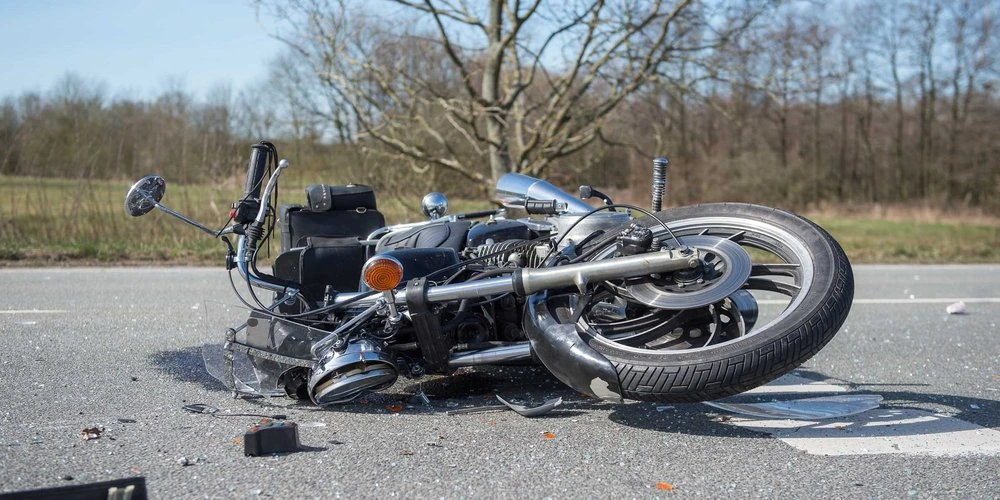
Table of Contents
- The Rider’s Reality in Virginia
- Virginia’s Insurance System Explained for Motorcyclists
- Coverage Options That Protect Riders
- How a Motorcycle Claim Actually Plays Out
- Hidden Challenges Riders Face With Insurers
- Claim Value: What Really Determines Payouts
- Case Study Approach: Three Common Virginia Motorcycle Claim Scenarios
- How Lawyers Strengthen Motorcycle Claims
- Proactive Steps Every Rider Should Take Before and After a Crash
- Frequently Asked Questions
- Conclusion & Call to Action
The Rider’s Reality in Virginia
Motorcycles account for 2% of Virginia’s registered vehicles but 10% of traffic fatalities, with 82 deaths in 2024 per DMV data. Riders are exposed: no airbags, seatbelts, or steel frames shield them from impacts. Crashes often result in severe injuries, fractures, TBIs, or road rash, driving medical costs past $100,000. Financially, lost wages cripple riders, while emotionally, PTSD affects 25% of survivors, per federal studies. Filing insurance claims adds stress, as insurers often view riders as reckless, leveraging Virginia’s contributory negligence rule to deny payouts. Juries, too, may harbor bias, assuming riders invite danger. A 2024 Norfolk claim was slashed from $200,000 to $50,000 over perceived speeding. These realities, physical vulnerability, financial strain, and unfair perceptions, make expert legal guidance critical to secure just compensation.
Virginia’s Insurance System Explained for Motorcyclists
The Uninsured Motor Vehicle Fee
Virginia’s unique system allows riders to pay a $500 Uninsured Motor Vehicle (UMV) fee instead of carrying insurance, but this offers no liability or injury protection, leaving riders vulnerable in crashes. Most opt for insurance to mitigate risks.
Mandatory Minimums
Virginia requires motorcyclists to carry $25,000 per person/$50,000 per accident for bodily injury and $20,000 for property damage (Code § 46.2-472). These minimums often fall short for severe crashes.
Insured, Uninsured, Underinsured
“Insured” riders have active policies; “uninsured” riders (or those with the UMV fee) rely on personal funds or the at-fault party’s insurance. “Underinsured” drivers have coverage insufficient for damages. Uninsured/underinsured motorist (UM/UIM) coverage is critical, covering losses when the at-fault party lacks adequate insurance. A 2025 Richmond case used UM/UIM to secure $300,000 when the at-fault driver was uninsured.
Why It Matters
These distinctions shape claims: inadequate coverage limits recovery, while UM/UIM bridges gaps. Contributory negligence can nullify claims, making robust coverage and legal strategy essential to maximize payouts.
Coverage Options That Protect Riders
Core Coverage Essentials
Liability: Covers damages you cause others ($25,000/$50,000 minimum). Essential for at-fault crashes.
Medical Payments (MedPay): Pays medical bills ($1,000-$10,000), regardless of fault. Vital for immediate costs.
UM/UIM: Covers injuries/property damage from uninsured or underinsured drivers. A 2024 Fairfax claim used UM/UIM for $250,000 in a hit-and-run.
Rider-Specific Needs
Custom Equipment: Aftermarket parts (exhausts, seats) need explicit coverage, or insurers deny claims. Listing $5,000 in upgrades can add $10,000 to settlements.
Helmets/Gear: Protective gear ($500-$2,000) is often excluded unless specified.
Medical Transport: Airlifts ($20,000+) require MedPay or supplemental coverage.
Smart Add-Ons
Roadside Assistance: Covers towing ($100-$500 per incident).
Gap Insurance: Pays the difference between loan balances and bike value for totaled motorcycles.
Passenger Coverage: Extends MedPay/UM to passengers, critical for two-up riders.
Coverage Gaps
Failing to list custom parts or skipping UM/UIM leads to disputes. A 2025 Roanoke rider lost $15,000 in gear claims due to unspecified upgrades. Comprehensive policies prevent underpayment, but riders must review annually to avoid gaps.
How a Motorcycle Claim Actually Plays Out
Immediate Action at the Scene
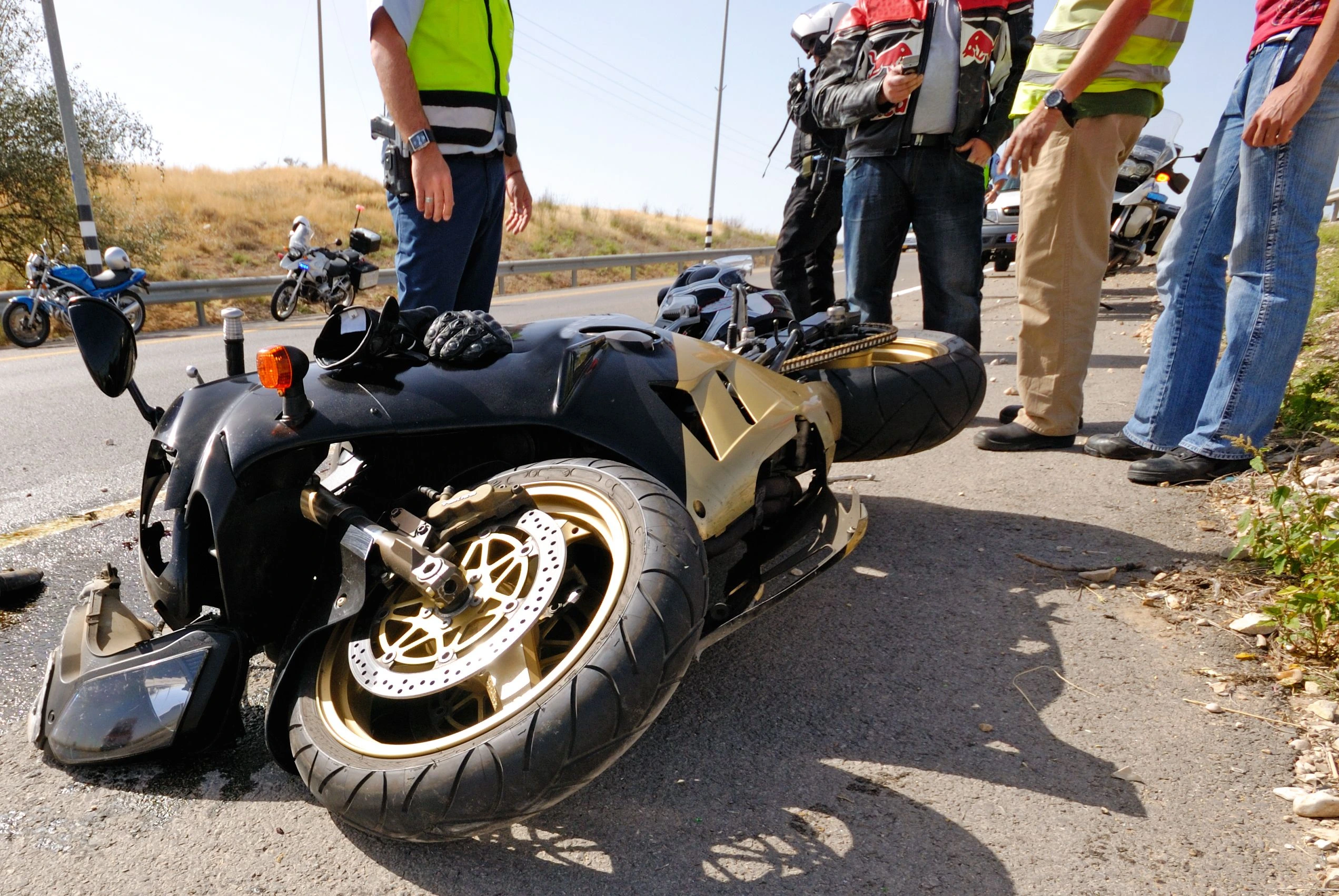
Post-crash, ensure safety, call 911, and document the scene: photos of damage, road conditions, and injuries. Exchange insurance details but avoid admitting fault. Seek medical evaluation to catch latent injuries like concussions.
Police Reporting
Virginia requires police reports for crashes with over $1,500 in damage or injuries (§ 46.2-894). Accurate fault notation is critical, insurers rely on it. A 2024 Chesapeake report clarified liability, speeding a $150,000 settlement.
Filing the Claim
Submit claims to the at-fault driver’s insurer or your UM/UIM carrier, including police reports, medical bills, repair estimates, and gear losses. Insurers request detailed documentation, often delaying to test resolve.
Adjuster Review and Offer
Adjusters investigate fault and damages, using tools like CCC One for bike valuations. Initial offers, often low ($20,000 for a $100,000 claim), come within 2-4 weeks. Negotiations extend 1-3 months, with funds disbursed 7-14 days post-agreement.
Why Longer Than Car Claims?
Motorcycle claims take 6-18 months versus 2-6 weeks for car crashes due to severe injuries requiring medical stabilization, bias disputes, and complex liability (e.g., black-box data for trucks). Legal intervention streamlines timelines.

Hidden Challenges Riders Face With Insurers
Contributory Negligence Weaponized
Virginia’s pure contributory negligence rule, barring recovery for 1% fault, is a weapon. Insurers allege speeding or lane-splitting, as in a 2024 Fairfax case where a $200,000 claim was denied over alleged recklessness.
Reckless Stereotype
Insurers exploit biases, painting riders as thrill-seekers. Juries may echo this, reducing awards. A 2025 Norfolk rider’s $300,000 claim dropped to $75,000 due to perceived risk-taking.
Lowballing Long-Term Injuries
Insurers undervalue chronic injuries like whiplash ($10,000-$50,000), fractures ($50,000-$100,000), or TBIs ($500,000+), offering premature settlements before full costs emerge.
Custom Parts & Gear Denials
Unlisted custom parts or gear (helmets, jackets) are often excluded. A 2024 Roanoke claim lost $10,000 for unspecified upgrades.
Hit-and-Run and UM/UIM Confusion
Hit-and-run claims rely on UM/UIM, but insurers dispute coverage scope or passenger eligibility, delaying payouts. Legal expertise counters these tactics, ensuring fair compensation.
Claim Value: What Really Determines Payouts
Payouts hinge on injury severity, costs, and evidence. Minor injuries (whiplash) yield $50,000-$100,000, covering ER visits ($5,000-$10,000) and short-term wages. Severe injuries (TBIs, paralysis) exceed $500,000, with lifelong care costing $1 million+. Lost wages, based on Virginia’s $62,000 median income, add $100,000-$500,000 for disabilities. Pain and suffering, using 1.5-5x medical cost multipliers, can add $50,000-$250,000 for a $50,000 medical claim. Motorcycle repair/replacement ($5,000-$20,000) and gear ($500-$2,000) factor in, but require appraisals.
Minor Crash: Rear-end collision, sprain, $8,000 bike repair. Settlement: $75,000.
Severe Crash: T-bone, TBI, $15,000 bike loss. Settlement: $800,000.
Hit-and-Run: UM/UIM claim, fractures. Settlement: $200,000.
Strong liability evidence (witnesses, dashcams) and medical documentation drive higher payouts, especially under Virginia’s contributory negligence rule.
Case Study Approach: Three Common Virginia Motorcycle Claim Scenarios
Scenario 1: Uninsured Driver Collision
A 2024 Richmond rider, hit by an uninsured driver, suffered fractures ($50,000 medical). UM/UIM coverage applied, yielding $150,000 after proving the driver’s sole fault via witnesses. Without UM, recovery would have been $0.
Scenario 2: Partial Fault Allegation
In a 2025 Roanoke T-bone crash, the rider (TBI, $200,000 medical) was accused of speeding. Insurers offered $50,000, citing contributory negligence. A lawyer’s reconstruction disproved fault, securing $900,000, including lost wages and pain.
Scenario 3: Hit-and-Run with UM/UIM
A 2024 Fairfax hit-and-run left a rider with a concussion ($30,000 medical). UM/UIM covered $120,000, but the insurer disputed gear ($2,000). Legal intervention added gear costs, totaling $150,000.
These cases show how coverage, fault disputes, and legal advocacy shape outcomes, with UM/UIM critical for uninsured or hit-and-run scenarios.
How Lawyers Strengthen Motorcycle Claims
Lawyers counter insurer tactics with expertise. Independent accident reconstruction, using skid marks or dashcam footage, disproves contributory negligence, as in a 2025 Norfolk $400,000 settlement. Medical and vocational experts validate injuries and lost earnings, adding $100,000-$500,000 for disabilities. Negotiating UM/UIM disputes ensures coverage applies, like a 2024 Chesapeake case raising a $100,000 offer to $250,000. Lawyers project long-term costs, rehab ($50,000/year), surgeries ($100,000), preventing lowball settlements. Trial preparation, tailored for Virginia’s bench trials, pressures insurers, as in a 2025 Richmond $600,000 pre-trial settlement. Experienced attorneys overcome rider bias, ensuring all damages, including gear, are compensated, often boosting payouts 30-50% on contingency fees (33%).
Proactive Steps Every Rider Should Take Before and After a Crash
Pre-Accident Prep
Review policies annually, adding UM/UIM ($100-$200/year) and listing custom parts ($5,000-$10,000). Ensure MedPay covers medical transport and passenger injuries.
Post-Accident Action
Seek immediate medical evaluation to document injuries. File a police report (§ 46.2-894) and photograph the scene, bike, and gear. Avoid recorded insurer statements, which can trigger contributory negligence denials. Contact a lawyer early to preserve evidence like witness testimony. A 2024 Fairfax rider’s prompt documentation secured $200,000. Timing is critical, delays risk lost evidence and reduced payouts.
Frequently Asked Questions
Do I need motorcycle insurance in Virginia if I paid the UMV fee?
The $500 UMV fee avoids insurance but offers no protection. Claims rely on the at-fault party’s coverage or personal funds, risking $0 recovery.
How does contributory negligence affect my claim?
If you’re 1% at fault (e.g., speeding), Virginia bars all recovery. Robust evidence, dashcams, witnesses, counters this.
Does UM/UIM cover passengers on my bike?
Yes, if explicitly included. Confirm passenger coverage to avoid disputes, as in a 2024 Norfolk case adding $50,000 for a passenger.
Can I claim for damaged helmets, jackets, or custom parts?
Yes, but only if listed in your policy. Unlisted gear led to a $10,000 loss in a 2025 Roanoke claim.
How long does a motorcycle insurance claim take?
Minor claims settle in 6-12 months; severe injury claims take 12-18 months, awaiting medical stabilization. Litigation extends to 24 months.
What if the other driver fled the scene?
UM/UIM covers hit-and-runs, but prompt police reports and evidence are key, as in a 2024 Fairfax $150,000 claim.
Will my premiums go up if I use UM/UIM?
Typically no, as UM/UIM claims don’t count as at-fault, but confirm with your insurer.
Conclusion & Call to Action
Motorcycle accidents in Virginia are high-stakes, with severe injuries and insurer biases complicating claims. Virginia’s contributory negligence rule and complex insurance system, UM/UIM, MedPay, custom gear coverage, demand strategic navigation. From documenting crashes to countering lowball offers, every step shapes your recovery. Don’t let insurers exploit stereotypes or minimize your losses. If you’ve been injured in a motorcycle accident in Virginia, don’t let insurers write the story. Speak with an experienced motorcycle accident lawyer to protect your rights and secure the full value of your claim.
Latest Posts
Comparative vs. Contributory Negligence in Virginia: How Fault Affects Your Personal Injury Claim
Fault matters, especially in a Virginia personal injury case. Even if another driver, property owner, or company was mostly responsible for your injuries,...
Lost Wages After a Car Accident in Virginia: What You Need to Know
A serious car accident can leave you with more than physical pain. For many Virginians, the financial fallout begins almost immediately, missed workdays,...